The Importance of Nutrition for World Championship Athletes
12 April 2026
When you think of world championship athletes—those ones who dominate their sport, crush records, and leave crowds speechless—you probably imagine intense training sessions, strict schedules, and fearless grit. And sure, that’s all part of the package. But there’s one vital puzzle piece that often gets pushed to the sidelines: nutrition.
Yes, food. Fuel. What these elite warriors put into their bodies might not seem as flashy as their workouts or as captivating as their highlight reels, but it’s just as—if not more—important. Pull up a chair, grab a snack (make it a healthy one!) and let’s dive into why nutrition isn't just important—it’s essential for world championship athletes.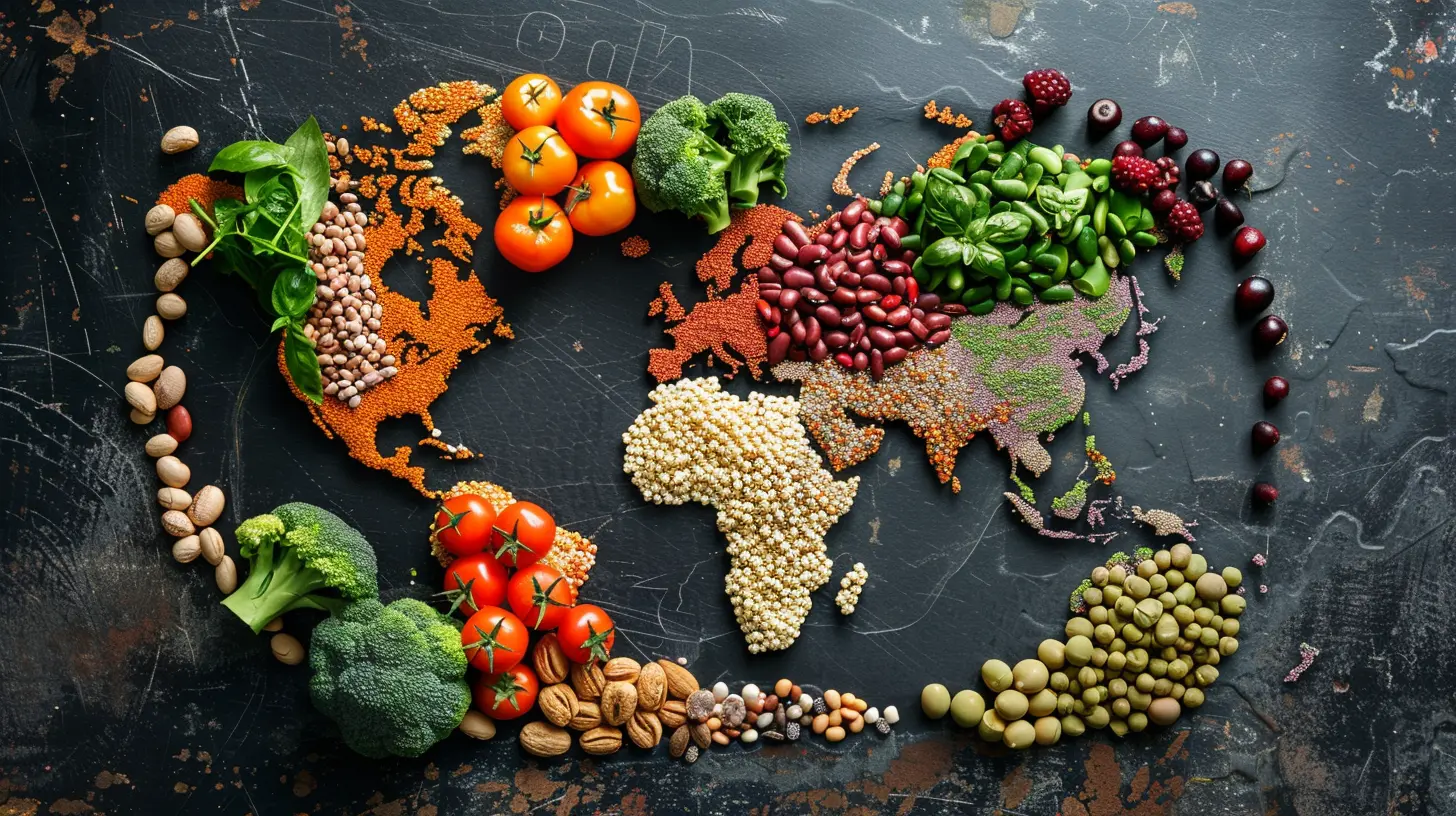
What Fuels the Best: It's More Than Just Calories
Let’s start by busting a myth. Eating more doesn’t automatically mean more energy. Calories matter, sure. But it’s not about how many you take in—it’s about what kind, when, and how those foods interact with your training and recovery.Think of an athlete’s body like a high-performance sports car. You can’t pour cheap gas into a Ferrari and expect it to race at top speed. It needs premium fuel. Same goes for these top-tier athletes. Macronutrients (carbs, proteins, and fats) and micronutrients (vitamins and minerals) have to be dialed in perfectly to keep that machine running like clockwork.
Macronutrients: The Big Three
- Carbohydrates: These are the go-to energy source, especially for sports that require endurance and quick bursts of power. Marathon runners, swimmers, and soccer players swear by them. Think whole grains, fruits, veggies, and legumes.- Protein: Recovery, muscle building, immune function—all roads lead back to protein. For strength athletes or anyone putting their muscles through the wringer (like gymnasts, wrestlers, or sprinters), this is their best friend.
- Fats: Often misunderstood, healthy fats are gold for sustained energy, hormone production, and joint health. Think avocados, nuts, seeds, and oily fish.
Micronutrients: The Unsung Heroes
They don’t get as much attention, but vitamins and minerals like iron, calcium, magnesium, and Vitamin D are crucial. Deficiencies can slow down recovery, lead to fatigue, and increase the risk of injury—a world-class athlete’s worst nightmare.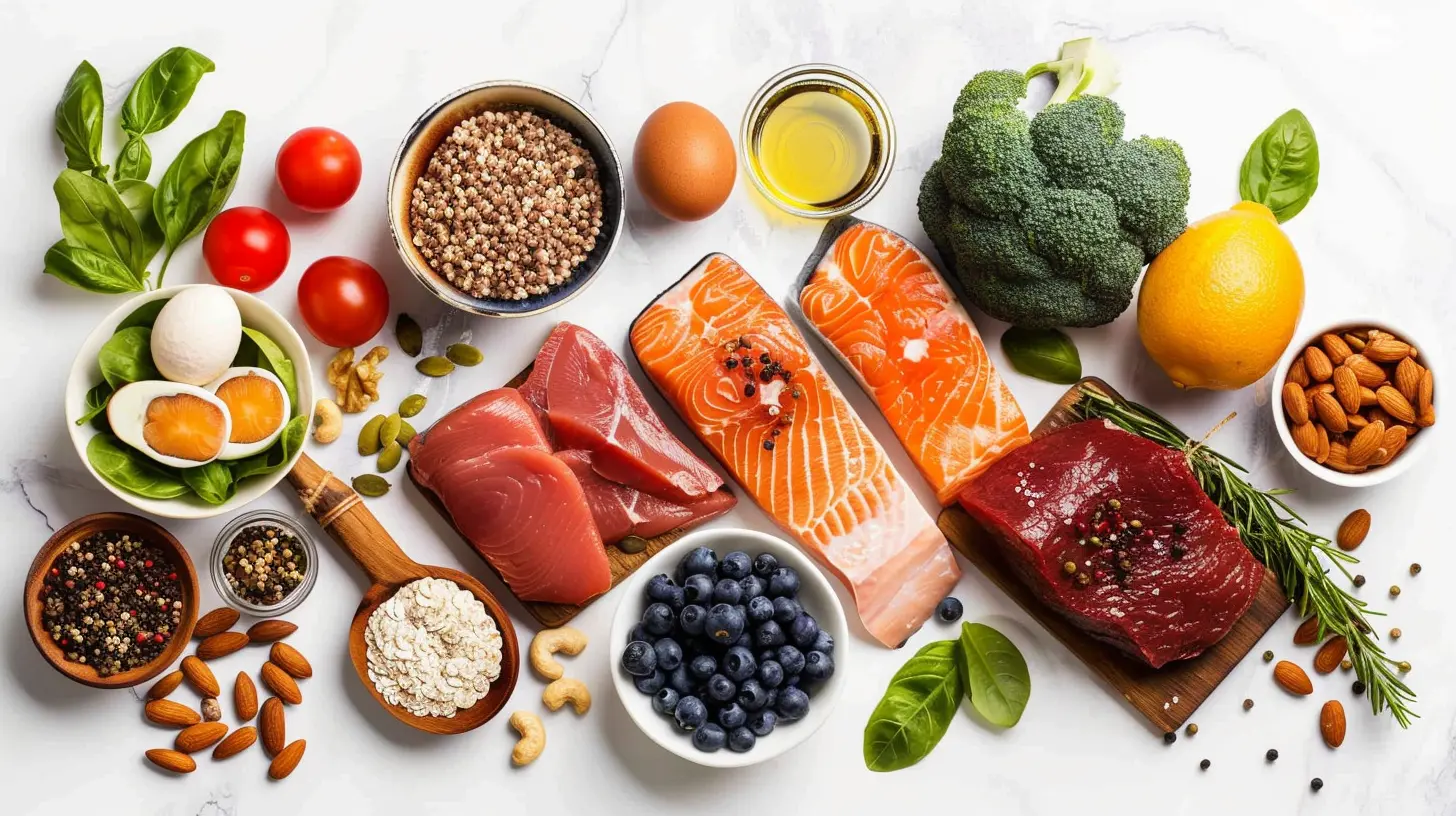
Timing Is Everything: Strategic Eating for Top Performance
Eating the right food is only half the battle. When you eat it? That’s the game-changer.Pre-Workout/Competition
A good pre-game meal primes the body to perform. Complex carbs with a touch of protein are ideal. The goal is to fuel up without feeling heavy or sluggish. Ever tried doing sprints after a heavy burger? Trust me—it’s not pretty.During the Event
In endurance events or multi-hour competitions, athletes need quick energy sources. Think sports drinks, gels, or simple carbs. It’s all about keeping the tank “just full enough” without overdoing it.Post-Workout: The Recovery Window
Here’s where a lot of athletes go wrong. They finish training, tired and sweaty, and forget to refuel. That post-workout period—usually within 30 to 60 minutes—is prime time for recovery. Nutrient-dense shakes or meals packed with protein and carbs can make all the difference in muscle repair and glycogen replenishment.
Mental Clarity & Focus: Food for the Brain
How you think is just as important as how you move—especially in championship-level sports. And yep, nutrition affects that too.You ever try focusing on a task when you’re starving or after eating a greasy meal? Your brain gets foggy, your reaction time slows, and your mood crashes. Championship athletes can’t afford mental lag. Foods that support brain health—like omega-3-rich salmon, antioxidant-packed berries, and complex carbs—help keep the mind sharp and the focus laser-locked.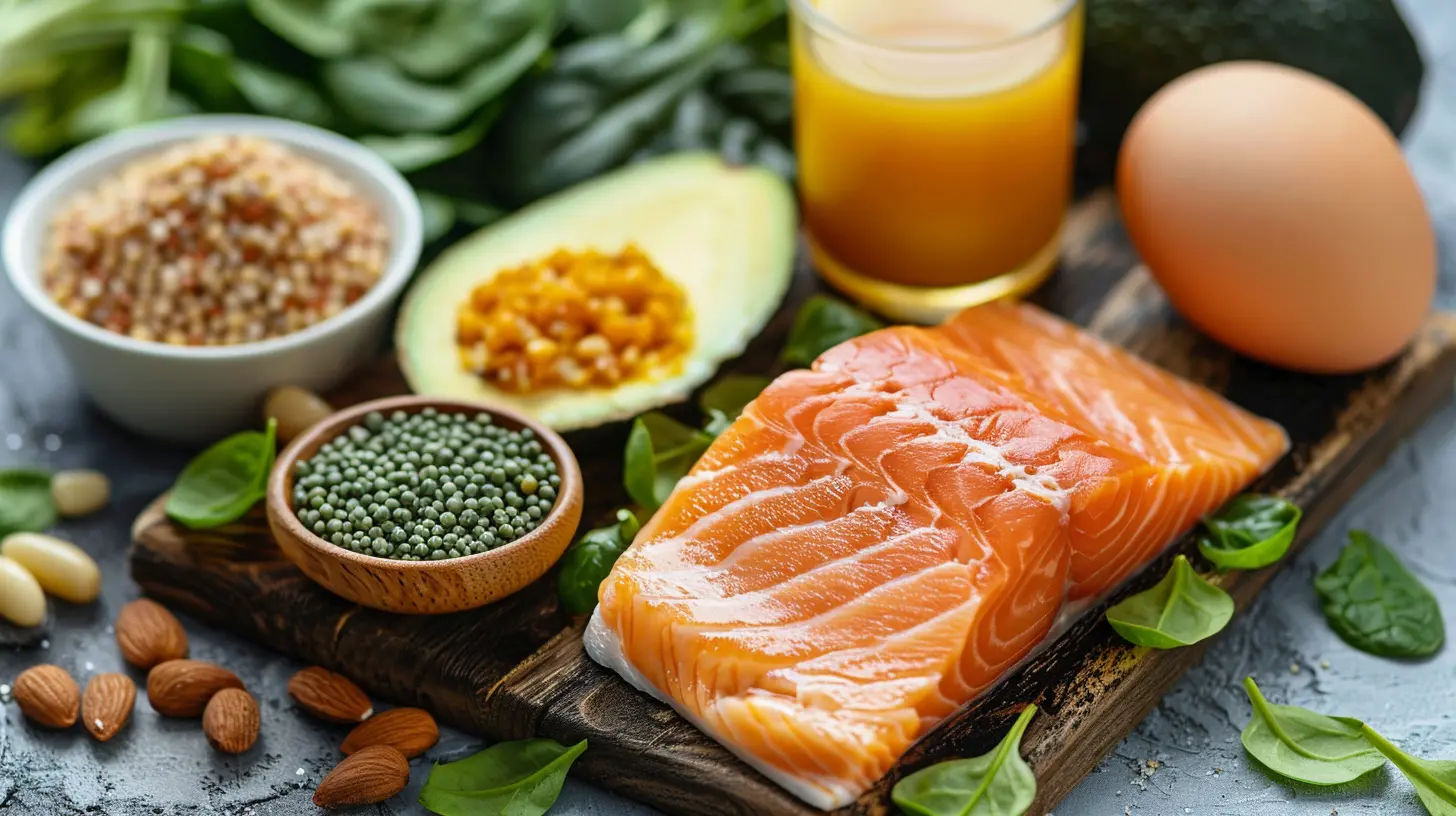
Hydration: The Often-Overlooked MVP
Let’s not forget water. Hydration isn’t just about quenching thirst—it impacts muscle function, endurance, temperature regulation, and even concentration.Lose just 2% of your body’s water content and you might see a drop in performance. For athletes performing at the top of their game, that's a deal-breaker.
They’re not chugging sodas or sugary drinks. They have tailored hydration plans, often including electrolytes like sodium and potassium to keep things balanced. Because when you're sweating buckets, plain water sometimes just doesn’t cut it.
Customized Diets Based on the Sport
Not all sports demand the same fuel. A boxer’s needs are different from a long-distance runner’s. A gymnast won’t eat like a rugby player. It’s not one-size-fits-all.Let’s break it down:
Endurance Athletes
Distance runners, cyclists, rowers—these folks burn through calories like nobody's business. They need high-carb diets, consistent hydration, and long-term fueling strategies.Strength and Power Athletes
Think wrestlers, powerlifters, and sprinters. Their focus leans more toward protein intake and muscle recovery. They need carbs too (for energy), but the spotlight is on maintaining muscle mass without excess body fat.Team Sport Athletes
Soccer, basketball, hockey—these sports blend endurance, strength, and agility. A balanced approach with high energy availability, frequent meals, and attention to recovery is key.Nutrition Is a Lifestyle, Not a Phase
This isn’t about crash diets or short-term fixes. World champions don’t just eat clean a week before the competition and hope for the best. Nutrition is baked into their everyday lifestyle. It’s part of their discipline, their focus—and honestly, their identity.They work with sports dietitians, experiment with timing and ratios, and pay attention to how their bodies respond. It’s constant fine-tuning, like a mechanic tweaking a race car engine to get every bit of speed possible.
The Role of Supplements: Do They Really Help?
Okay, let’s talk supplements. A lot of people think athletes live off powders and pills. That’s not the full story.Supplements can help—when used smartly. Protein powders make recovery easier. Creatine boosts power output. Electrolyte drinks help restore balance after long sessions.
But here’s the golden rule: supplements only supplement a solid diet. They’re not a shortcut, and they can’t replace real, nutrient-rich food.
The Ripple Effect: How Good Nutrition Impacts Long-Term Health
Let’s zoom out for a second. Competing might be the athlete’s main goal, but what about life after sports? What about their joints, bones, heart, and brain 20 years down the line?That’s where nutrition really shines. A well-balanced diet doesn’t just help you win—it helps you stay healthy for the long haul. It prevents chronic diseases, maintains bone density, supports mental health, and keeps that immune system humming.
Real Talk: The Pressure to “Look” a Certain Way
Here’s a topic that doesn’t always get enough attention: body image.Athletes often face immense pressure to look a certain way—to have visible abs, to hit a particular weight category, to appear “fit” by society’s standards. That can lead to restrictive eating habits, disordered eating, or unhealthy obsession.
Nutrition for elite athletes isn’t about achieving a certain look—it’s about maximizing performance and well-being. Sometimes, that means letting go of the aesthetic and choosing foods that truly nourish the body, not just shrink it.
Conclusion: Food Is the Secret Weapon
When it comes down to it, nutrition is the not-so-secret weapon of world championship athletes. It's the force behind those explosive sprints, the stamina during the final stretch, the clear focus when the pressure mounts, and the resilience to bounce back stronger after every challenge.Training builds the body, but nutrition fuels it. Without the right fuel, even the most gifted athlete can't compete at their best. It’s not just about eating—it’s about eating smart, eating with purpose, and treating food as the ultimate form of self-care.
So, next time you’re watching your favorite athlete dominate the field, just remember—behind every gold medal is probably a really, really good meal plan.
all images in this post were generated using AI tools
Category:
World ChampionshipsAuthor:

Nelson Bryant
Discussion
rate this article
2 comments
Elena McInerney
Nutrition is fascinating; it shapes performance and recovery. What are your favorite athlete diets?
July 10, 2026 at 4:47 AM
Nelson Bryant
Absolutely! I admire the Mediterranean diet for its balance and healthy fats. Many athletes also benefit from high-protein diets to support recovery. It's all about finding what fuels their best performance.
Nicholas McKellar
Great article! It’s essential to recognize the critical role nutrition plays in an athlete's performance, especially at the world championship level. Proper fueling not only enhances physical capabilities but also supports recovery and overall well-being. Thanks for highlighting this important topic!
April 12, 2026 at 2:41 AM
Nelson Bryant
Thank you for your thoughtful comments! I'm glad you found the article valuable. Nutrition truly is a cornerstone of athletic success.