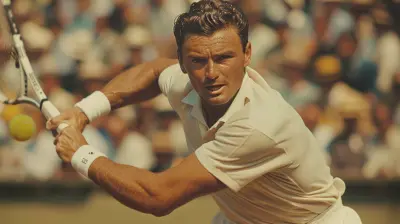
How World Championship Legends Are Made
23 May 2026
Have you ever watched a world championship final and thought, "How do these athletes even get here?" I mean, really—what does it take to become one of those legendary names whispered through generations? The truth is, world championship legends aren't born overnight. They're crafted, battle-tested, and often forged in the most intense fires of competition, discipline, and raw human passion.
Let’s dive deep into what separates the good from the great—the contenders from the unforgettable champions. Buckle up, because the road to legendary status is not a straight line. It’s a bumpy, uphill climb filled with sweat, setbacks, and a whole lot of grit.
The Foundation: Obsession, Not Just Passion
Let's get real: passion alone doesn’t cut it. Sure, loving the game helps, but world championship legends breathe their sport. They eat, sleep, and dream it. It’s not just on their mind—it’s in their DNA.Think of it like this: passion is the spark, but obsession is the fuel that keeps the fire burning long after others have called it quits. Whether it's a soccer player perfecting free kicks until midnight or a swimmer shaving milliseconds off their lap times, legends go all in—every single day.
Relentless Work Ethic: Outworking the Competition
Here’s the truth no one likes to admit: talent is cheap. It’s what you do with it that counts.World champions aren't necessarily the most talented in the beginning. What makes them legendary is their relentless grind. They show up early, leave late, and squeeze every ounce of effort from every session.
Ever heard of Michael Jordan’s “Breakfast Club” workouts? MJ trained before practice even started. That’s legendary behavior.
So, ask yourself: are you willing to do what the legends do when no one’s watching?
The Mental Game: Strength Between the Ears
Let’s talk mindset, because this is where champions are truly made. Physical skills can get you in the game, but it’s mental toughness that wins world titles.Legends handle pressure like it’s a walk in the park. They thrive when the stakes are highest. They don’t crack—they rise. Think Serena Williams staring down match point. Or Tom Brady with 2 minutes on the clock. That unshakable belief? That’s not luck. It’s years of mental conditioning.
Visualization, meditation, self-talk—you name it, they master it. It’s not about having nerves of steel. It’s about training your brain to believe you can’t lose.
Sacrifice: Giving Up to Go Up
Here’s a reality check: legends make sacrifices that most people wouldn’t dream of.Weekend parties? Nope. Vacations with friends? Rare. Junk food binges? Forget it.
To reach the top of the world, you’ve got to say no—a lot. And it sucks sometimes. But that’s the price of greatness. When you see an athlete holding that trophy, you're also seeing all the things they gave up to get there.
Is it worth it? For legends, the answer is always yes.
Elite Coaching and Support Systems
You know what else makes a champion? The team behind the scenes.Even solo-sport legends have armies of support. Coaches, nutritionists, physiotherapists, mental coaches—all working together to bring the best out of one individual.
Take Usain Bolt, for example. While his raw speed was exceptional, it was his coach Glen Mills who fine-tuned his form and strategy. Good mentorship doesn’t just guide—it transforms.
And don’t forget family and friends. A strong circle keeps you grounded and lifts you up when things get tough.
Learning from Defeat: Losses Make Legends
Want to know a common trait among world champions? They’ve lost—a lot.But here’s the twist: legends don’t let losses define them. They let losses teach them.
Every setback is a setup for a comeback. Whether it’s LeBron James falling short in the Finals or Simone Biles stumbling on the beam, the path to greatness is paved with disappointment. The difference? Legends come back stronger.
Failures become fuel. Mistakes become motivation. If you can handle heartbreak and still chase greatness, you’re halfway there.
Peak Physical Conditioning
This one’s a no-brainer, but it’s too important to skip. World champions push their bodies to ridiculous limits.But it’s not just about lifting weights or running sprints. It’s about intelligent training—strength, flexibility, endurance, recovery, and injury prevention.
Athletes like Cristiano Ronaldo or Novak Djokovic don’t just train hard—they train smart. The body is their temple, and they treat it with precision.
Nutrition, sleep, recovery—it all matters. Every bit of physical advantage counts when you're trying to shave fractions of a second or outlast your opponent.
The Role of Strategy and IQ
Let’s not forget: being a legend isn’t all brawn. It’s also brain.Strategic thinking—understanding plays, predicting movements, adapting to opponents—can be the difference between silver and gold.
Floyd Mayweather didn’t go undefeated just because he hit hard. He out-thought his opponents. He studied them. He set traps. That’s high-level sports IQ.
Championships aren’t won on instinct alone. They’re won by those who know how to think five moves ahead.
Consistency: The Secret Sauce
One amazing performance? Cool. A string of dominant seasons? That’s what makes a legend.Consistency is the magic glue that holds greatness together. It’s showing up every single time with the same hunger and intensity.
Tiger Woods didn’t just win one Masters. He stayed on top for years. Legends stack titles. They don’t peak—they stay peaked.
How? Through systems, routines, and obsessive attention to detail. Consistency isn’t sexy, but it’s deadly effective.
Embracing the Pressure
Pressure either breaks people or makes diamonds. Legends are the latter.The lights are brightest on the biggest stages—the World Cup finals, Olympic gold medal events, or title fights. And legends don’t just survive in these moments—they thrive.
Pressure reveals the real ones. It brings out what’s already there. The question is: are you built for the moment, or are you just along for the ride?
The X-Factor: Purpose
Finally, let’s talk about something deeper—purpose.Why do legends fight so hard? Sure, glory and money are nice, but the true greats chase something bigger.
Legacy. Inspiration. Impact. They want to change the game. They want to be remembered. They want to ignite something in others.
When your purpose is bigger than yourself, quitting isn’t an option. That’s what drives them to keep going, even when their bodies scream to stop.
Case Studies: Real Legends, Real Grit
Muhammad Ali: The People's Champ
Ali was more than just a boxer. He was a symbol of resilience, courage, and defiance. From Olympic gold to heavyweight titles and standing up for his beliefs, he showed us that champions don’t just win—they lead.Michael Phelps: The Winning Machine
With 23 Olympic golds, Phelps is the definition of a swimming legend. Behind every medal was a brutal training schedule, ice baths, and laser-sharp focus. His obsession with improvement was unmatched.Lionel Messi: The Humble Genius
Messi, despite his quiet nature, changed the face of football. Years of consistency, a mountain of goals, and a World Cup title later, he's proof that greatness doesn’t need to be loud—it needs to be relentless.So, How Are World Championship Legends Made?
Here’s the bottom line:They’re made in the quiet hours of early mornings. They’re made on lonely practice fields. They’re made in the sweat, the setbacks, the sacrifices, and the sleepless nights.
A world champion legend isn’t just someone who wins. It’s someone who refuses to lose. Someone who turns pressure into power, failure into fire, and effort into excellence.
Next time you watch a championship and see someone raise that trophy, remember: you’re not just looking at an athlete. You’re looking at a story—a long, painful, beautiful grind that finally paid off.
So, want to be legendary? Start writing your story now. Just remember—there are no shortcuts. Only the long, hard road to greatness.
all images in this post were generated using AI tools
Category:
World ChampionshipsAuthor:

Nelson Bryant
Discussion
rate this article
1 comments
Damon McFarlin
Great article! It's fascinating to see how dedication, resilience, and a bit of luck come together to create legends in sports. Every champion has a unique story, and I love discovering the journey that shapes these extraordinary athletes.
May 31, 2026 at 2:59 AM
Nelson Bryant
Thanks for your thoughts! It's amazing how each athlete's journey is filled with unique twists and turns. Glad you enjoyed the article!