What Makes the 2026 Davis Cup So Unpredictable This Year
6 September 2026
The Davis Cup has always been a competition that resists tidy predictions. But the 2026 edition feels different. It is not just the usual chaos of home crowds, surface choices, or fatigue from the ATP tour. This year, the structural changes, the shifting generational landscape, and the tactical arms race between nations have created a level of uncertainty that even longtime followers find hard to read.
To understand why 2026 is so hard to call, you have to look beyond the rankings. The Davis Cup is no longer a simple knockout bracket. It is a layered beast with group stages, playoff ties, and a finals event that rewards depth as much as star power. And this year, the layers have gotten thicker.
The New Format Has Created a Different Kind of Chess Match
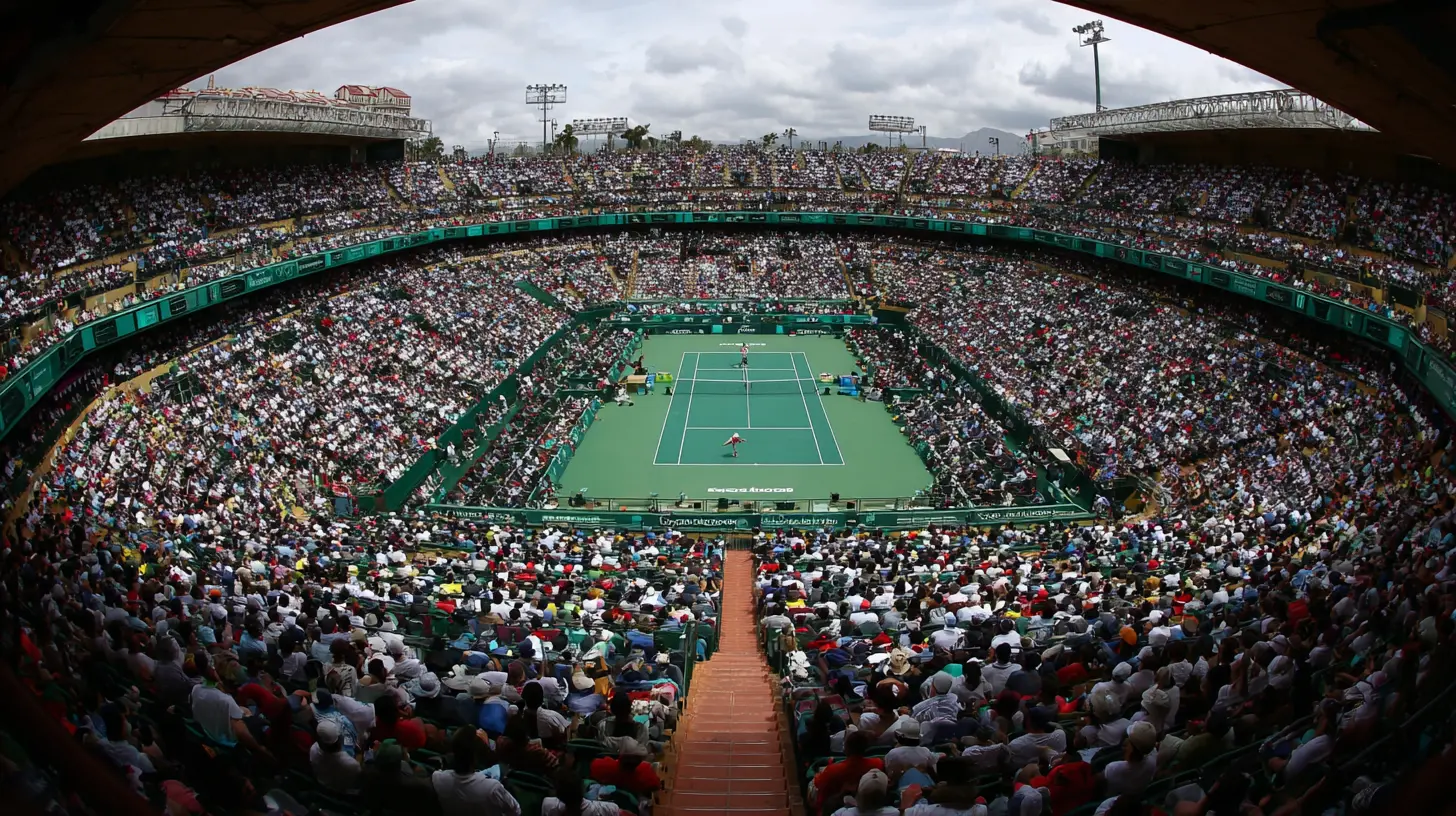
The biggest source of unpredictability is the format itself. Since the International Tennis Federation moved away from the old home-and-away knockout format, the competition has become a hybrid. Teams qualify through group stages, then face off in a neutral or semi-neutral finals venue. In 2026, the rules have been tweaked again, and those tweaks are not cosmetic.One key change involves the order of play. In previous years, captains had to submit their lineups before the toss. Now, there is a delayed nomination window that allows captains to adjust based on the first match result. That sounds small, but it is massive. A captain who loses the opening singles can now pivot and select a doubles specialist who was not originally listed. This creates a live strategic game within the match itself.
The problem is that this favors teams with versatile players. A nation with two elite singles players but a weak doubles pairing is now at a bigger disadvantage than before, because the opponent can exploit that weakness in real time. Conversely, a team with a strong doubles unit but no top-20 singles star can stay competitive longer, because they can force the tie into a deciding doubles rubber where they have the edge.
This is why you see nations like Canada and Australia being talked about as dark horses. They do not have a single dominant number one, but they have multiple players who can win on any surface and a doubles team that has played together for years. Compare that to a team like Italy, which has incredible singles depth but has struggled to find a consistent doubles pairing. In the old format, Italy could hide that weakness. In the new format, they cannot.
The Surface Selection Has Become a Psychological Weapon
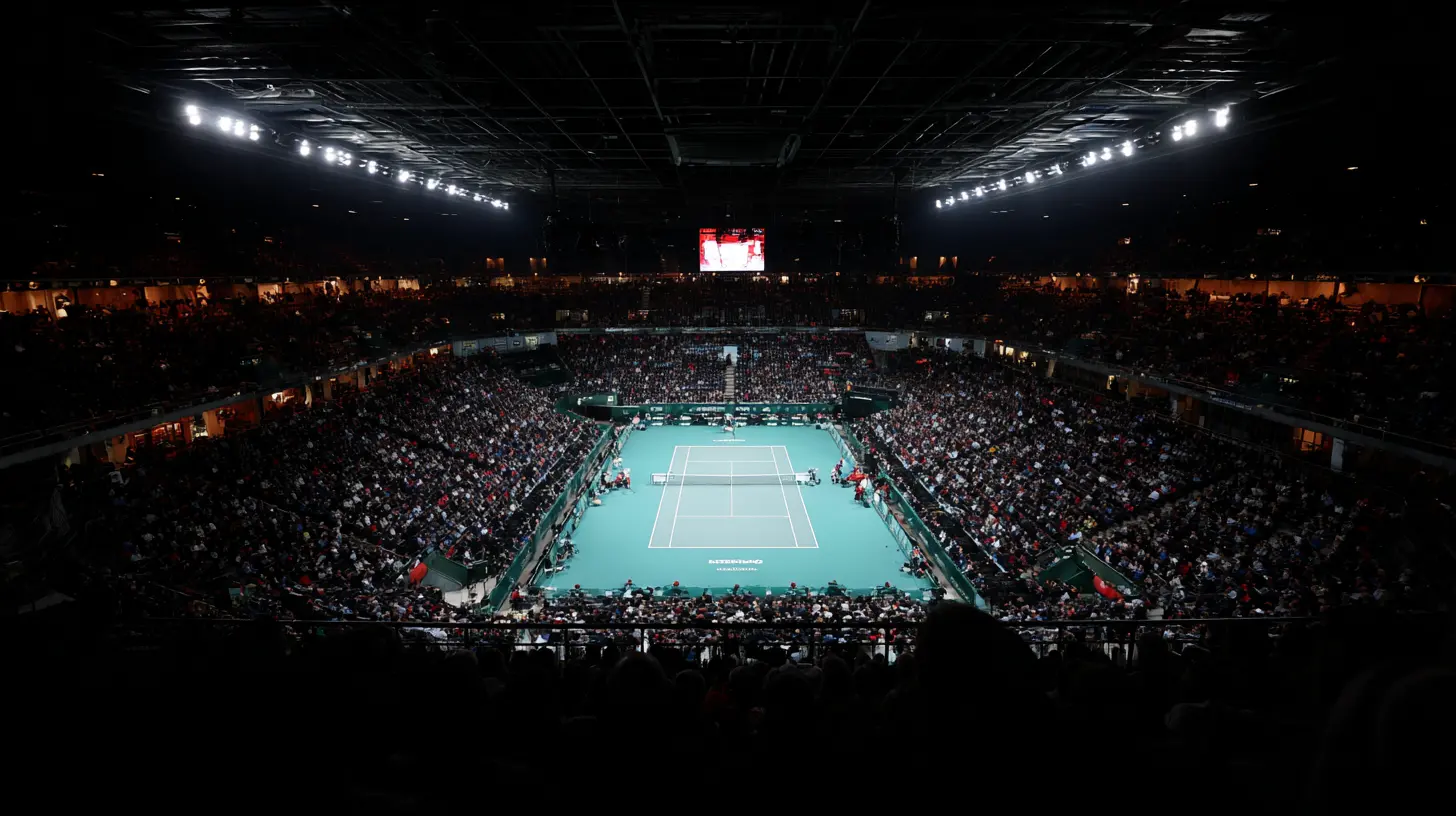
Another factor that makes 2026 so unpredictable is the surface strategy. In the group stages, the home nation still gets to choose the court. But with the finals being held on a neutral surface, the decision-making has shifted.Some nations are now deliberately choosing slower hard courts or even clay for their home ties, not because their players prefer it, but because it neutralizes the opponent's serve. This is a calculated move. A fast indoor court benefits a big server, but it also shortens rallies and reduces the impact of fitness and consistency. A slow court, on the other hand, drags the match into physical battles, which can tire out older players or those coming off a long hard-court season.
The trade-off is real. A slow court might frustrate a big hitter, but it also gives the opponent more time to set up their shots. If the home team's players are not naturally comfortable on clay, they might be hurting themselves more than the opponent. This is where many captains make mistakes. They overthink the surface and end up with a court that nobody on their team plays well on.
The best practice in 2026 is to pick a surface that amplifies your own team's strengths, not one that simply diminishes the opponent's. For example, if your team has two left-handed players with heavy topspin forehands, a medium-slow hard court is ideal. It lets them use their spin to push opponents wide without making the ball bounce so high that it becomes unplayable. If you pick clay just because the opponent hates sliding, you might find that your own players are sliding too, and not in a good way.
The Calendar Conflict Is Worse Than Ever
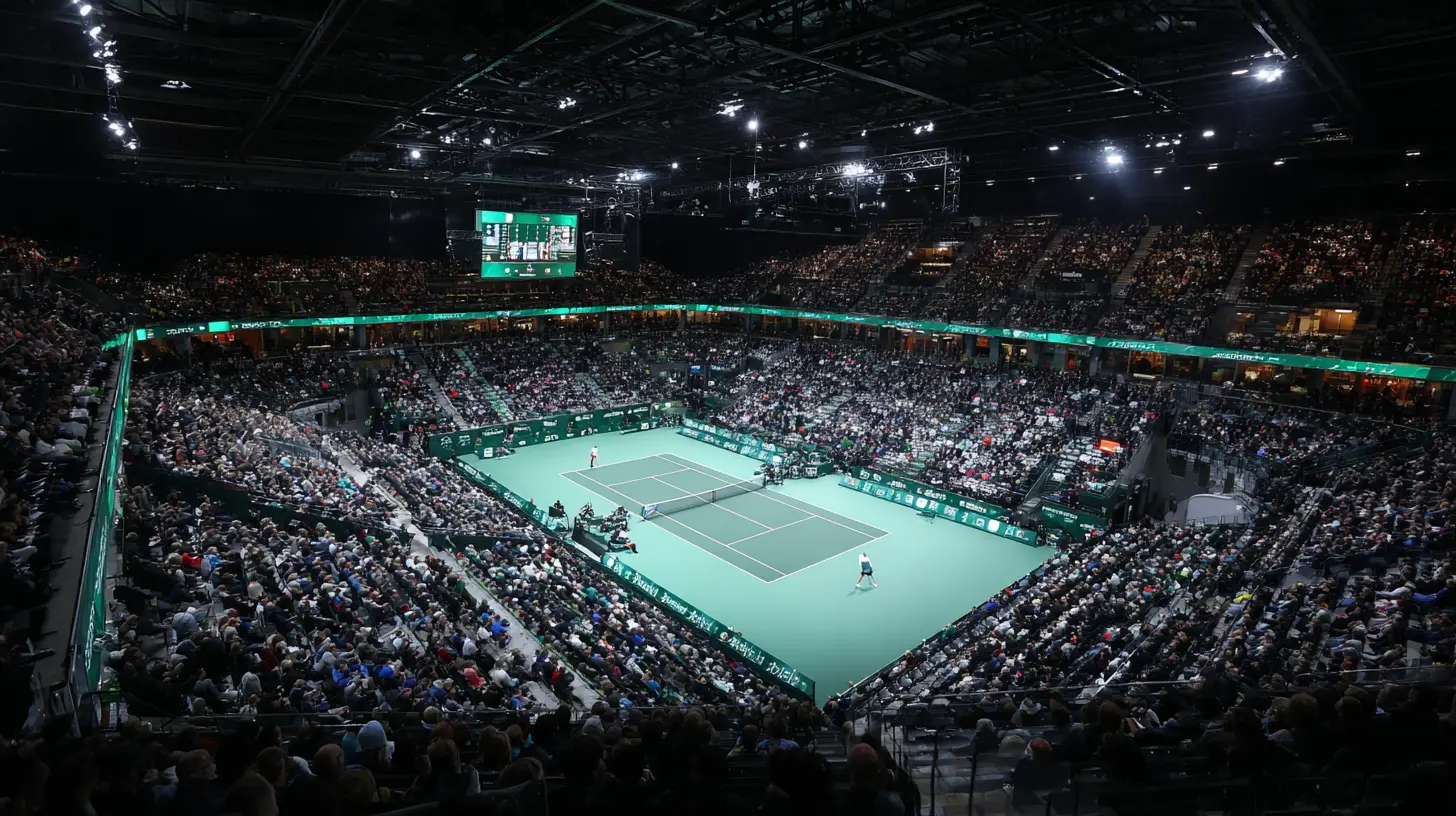
The 2026 season has a compressed schedule. The Olympics in the summer, the expanded Masters 1000 events, and the new ATP Finals format have all squeezed the calendar. This means that players arriving at Davis Cup ties are often exhausted, injured, or mentally checked out.This creates unpredictability because you never know which version of a star player you are going to get. A player ranked in the top five might show up and play like a top-50 player because they have not slept in three days. Or they might pull out at the last minute, leaving a substitute to play a career-defining match.
The teams that handle this best are the ones with clear communication between the captain, the player, and the player's personal team. It is no longer enough to have a great number one. You need a number three or four who is ready to step in and win a live rubber. This is why the depth of a nation's top 100 matters more than the presence of a single superstar.
Look at the recent success of teams like Germany or even Kazakhstan in the past. They did not win because they had a top-10 player every year. They won because their second and third players were consistently ranked in the 30-60 range and could beat anyone on a good day. In 2026, that kind of depth is the single biggest predictor of success, and it is also the hardest thing to maintain because players get injured, lose form, or decide to skip ties.

The Rise of the Next Generation Has Made Rankings Meaningless
The 2026 season is the first year where the so-called "next gen" players are no longer just prospects. They are winning Masters titles and reaching Grand Slam semifinals. But they are also wildly inconsistent. A player who beats the world number one in one round can lose to a qualifier in the next.This inconsistency is a nightmare for Davis Cup predictions. In a best-of-three-set match, the gap between the top 10 and the top 50 is smaller than it has ever been. The difference between a great player and a good player on any given day is often just a few points. This means that a tie that looks like a mismatch on paper can flip in an hour.
The best example is the 2025 finals, where several top seeds were eliminated in the group stage. It was not because they were bad teams. It was because their young players, who had never faced the pressure of a team competition, crumbled in the deciding moments. The Davis Cup is not the tour. The crowd is louder, the stakes are national, and the rhythm is completely different. Some players thrive on that. Others freeze.
In 2026, the teams that have older, battle-tested players are actually at an advantage in tight matches, even if those players are ranked lower. Experience in a team environment cannot be simulated. It has to be lived. This is why you should never count out a nation like Croatia or Serbia, even if their top players are past their prime. They know how to win ugly.
The Doubles Rubber Has Become the Deciding Factor
If you want to know why the 2026 Davis Cup is so unpredictable, look at the doubles rubber. It is no longer a sideshow. It is the match that decides most ties.In the past, doubles was often seen as a way to give the singles players a rest. That is no longer true. The top teams are now bringing specialist doubles players, and the rules have been adjusted to allow for more flexibility in who plays. This means a team that ignores doubles is essentially giving away a point.
The problem is that doubles strategy is completely different from singles. The court is wider, the net is more important, and the serve is not as dominant. A team with two great singles players who have never played doubles together will often lose to a team of two dedicated doubles players who have a system.
This is where the 2026 rule change matters most. Because captains can now adjust their lineup after the first singles match, a team that loses the opening rubber can decide to stack their doubles team and go for the win. This creates a cascade effect. The first match becomes even more important because it determines the opponent's approach.
The common mistake here is that captains often overvalue their singles players' egos. They want to play their best player in the doubles because that player wants to be on the court. But if that player has not played doubles in six months, they are a liability. The better approach is to have a dedicated doubles pairing that practices together throughout the year, even if it means leaving a higher-ranked singles player on the bench.
The Home Crowd Advantage Is Both Real and Overrated
There is a lot of talk about the power of the home crowd in the Davis Cup. It is real, but it is not automatic. A loud crowd can lift a player, but it can also create pressure. Some players feed off the energy. Others feel suffocated by it.In 2026, the group stage format means that some teams are playing "home" ties in cities where they do not have a strong following. For example, a tie held in a neutral city with a large expatriate community can feel like an away match for both teams. This is especially true in countries with diverse populations, where the crowd might be split.
The best practice is to not rely on the crowd at all. Teams that win consistently are the ones that have a clear game plan and execute it regardless of the noise. The crowd is a bonus, not a foundation. If you build your strategy around the idea that the crowd will win you the match, you are in trouble.
The Injury Factor Is Impossible to Predict
Injuries are always a wildcard, but in 2026 they are even more so because of the physical toll of the new tour schedule. Players are pushing their bodies harder than ever, and the recovery time between events is shrinking. This means that a player who is healthy at the start of a tie might not be healthy for the deciding rubber.The teams that handle this best are the ones with a deep medical and fitness staff. They monitor players daily and are not afraid to pull someone out of a match if they are not at 100 percent. This is easier said than done, because players rarely want to admit they are hurt. They want to play for their country.
The trade-off is that playing injured can turn a small issue into a season-ending problem. A captain who forces a player to compete when they are not ready is making a short-term decision with long-term consequences. The best captains in 2026 are the ones who have the trust of their players to make the call for them.
Why the Rankings Do Not Tell the Full Story
If you look at the ATP rankings in April 2026, you might assume that the top four teams will cruise through the Davis Cup. That assumption would be wrong. The rankings are based on individual performance over 52 weeks, not on team chemistry, form, or surface suitability.A player ranked 15th might be in the form of their life, while a player ranked 5th might be in a slump. The rankings do not capture that. They also do not capture how well two players complement each other in doubles, or how a team handles the pressure of a deciding rubber.
The best way to evaluate a Davis Cup team is to look at their recent head-to-head records against the specific players they will face, their performance on the chosen surface, and their record in five-set, high-pressure matches. The rankings are a starting point, not a conclusion.
The Tactical Mistakes That Ruin Teams
One of the most common mistakes in the Davis Cup is overthinking the lineup. Captains sometimes try to outsmart the opponent by picking players based on matchups, only to find that their players are not comfortable with the role. A player who is used to being the number one might struggle if they are suddenly asked to play a supporting role.Another mistake is ignoring the doubles until the last minute. In 2026, you cannot win a tie without a solid doubles team. The days of throwing two singles players together and hoping for the best are over. The teams that win are the ones that have a set doubles pairing that has played together in multiple ties.
A third mistake is not preparing for the emotional swings. The Davis Cup is a rollercoaster. You can lose a match you should have won, and you can win a match you should have lost. The teams that stay calm and focused are the ones that advance. The teams that panic after a bad loss are the ones that go home early.
The Bottom Line
The 2026 Davis Cup is unpredictable because it is no longer a simple test of who has the best player. It is a test of depth, strategy, adaptability, and nerve. The format changes have made it more complex, the surface choices have made it more tactical, and the calendar has made it more physical.If you are trying to pick a winner, do not just look at the rankings. Look at the doubles pairings. Look at the recent form of the second and third players. Look at how the team has handled pressure in the past. And remember that on any given day, any team in the top 15 can beat any other team in the top 15. That is what makes this competition so special, and so hard to predict.
The only thing you can count on is that there will be surprises. There will be upsets. There will be heroes and villains. And by the time the finals roll around, the team holding the trophy will not be the one that looked best on paper in January. It will be the one that adapted the fastest, recovered the quickest, and played the smartest when it mattered most.
all images in this post were generated using AI tools
Category:
Upcoming TournamentsAuthor:

Nelson Bryant
Discussion
rate this article
1 comments
Rayna McCaw
With a blend of rising stars and seasoned veterans, the 2026 Davis Cup is a perfect storm of talent. Every match could swing either way, making it a must-watch event for any tennis fan.
September 20, 2026 at 2:33 AM