Underdog Nations Poised for a Breakthrough in 2027
20 October 2026
International sport moves in cycles, and the years between major tournaments are where reputations are quietly rebuilt. As attention turns toward 2027, a handful of nations that have spent the past decade on the outside of the elite are positioning themselves for a genuine step up. This is not about romantic predictions or wishful thinking. It is about reading the signals that reliably precede a breakthrough: a maturing generation of athletes, improved domestic structures, better coaching pipelines, and a schedule that offers a realistic path to results.
The purpose of this article is to explain how to identify those signals, which nations fit the profile, and what has to go right for them to convert potential into medals. It also covers the mistakes federations and fans make when assessing national progress, because misreading the evidence is the most common reason underdog stories fail to materialize.
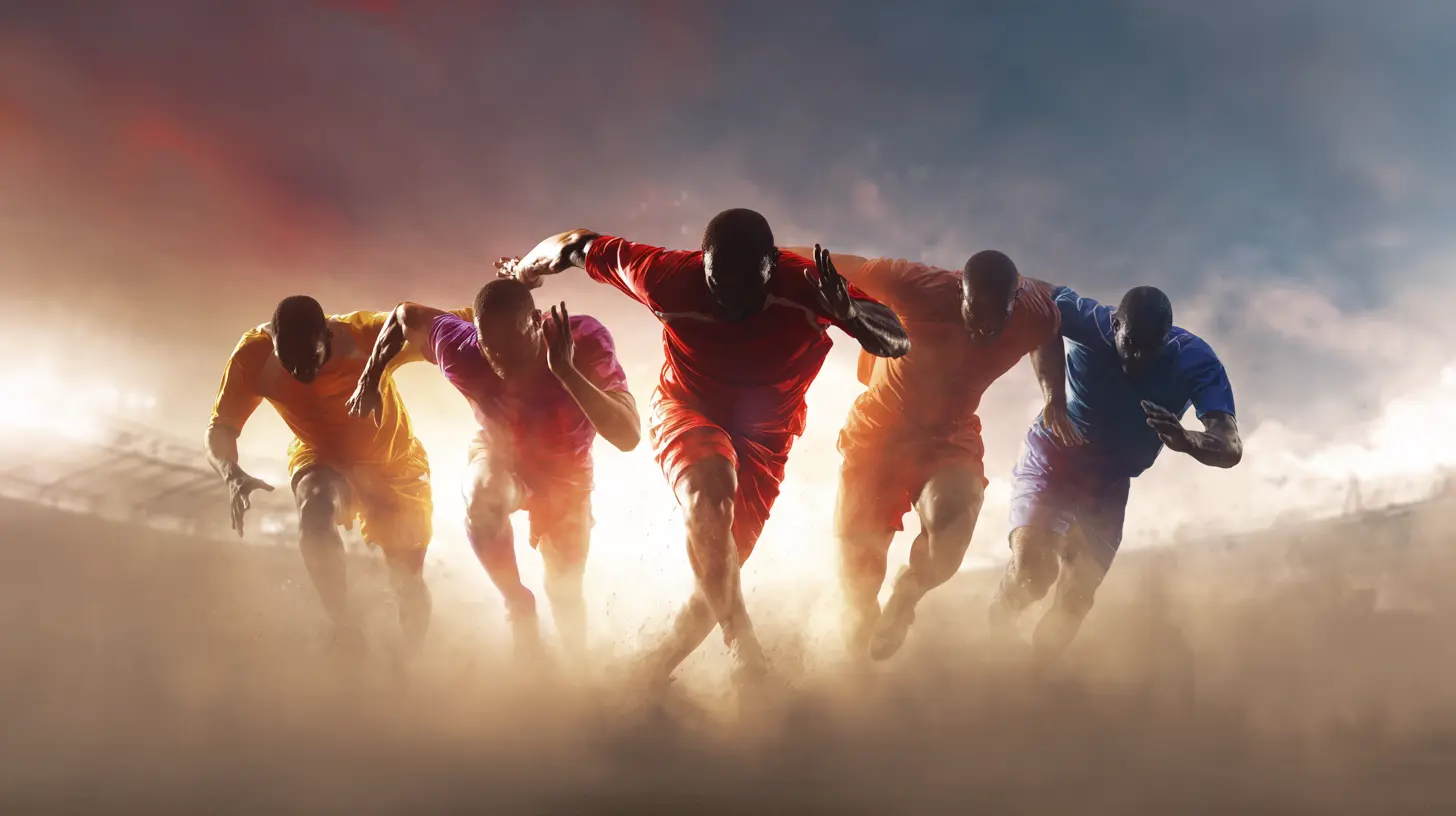
What a Breakthrough Actually Looks Like
Before naming countries, it helps to define the term. A breakthrough in 2027 does not mean winning a world championship. For most nations outside the top tier, it means one of four things:- Winning a first major medal in a sport where the country has never contended
- Moving from occasional quarterfinal appearances to consistent semifinal qualification
- Producing multiple athletes in the same discipline rather than a single outlier
- Hosting or performing well at a home event that raises the sport's profile domestically
These are measurable, and they matter more than headline golds. A nation that puts three athletes into a final has built something durable. A nation that wins one surprise medal and then disappears has not.
The Signals That Predict a Rise
The Depth Curve
The single most reliable indicator is depth. One talented athlete can emerge anywhere, often by accident of genetics or a fortunate coaching connection. But when a country starts placing two, three, or four competitors in the later rounds of the same event, that is a system at work.Watch for nations whose junior results have improved steadily for three to five years. Junior success does not guarantee senior medals, but sustained junior depth almost always produces some senior contenders. The lag between junior prominence and senior results is typically four to eight years depending on the sport, which means the junior classes of 2019 to 2022 are the ones maturing in 2027.
Coaching Stability and Export
Underdog nations often rise because their coaches stop leaving. When a federation can retain qualified coaches through a full Olympic cycle, training methodology becomes consistent and athletes stop restarting their development every two years. A related signal is coaching export: when a nation begins producing coaches who are hired abroad, it usually means its domestic education system has reached a certain standard.Domestic Competition
Athletes improve when they have someone to beat in training and at home. A nation with a thin domestic circuit depends entirely on international exposure, which is expensive and limited. Look for countries that have built national leagues, regional circuits, or invitational meets. These structures create the volume of competitive reps that development requires.Facilities and Access
This is unglamorous but decisive. A country that builds accessible training facilities, especially outside its capital, widens the talent pool. Nations that centralize everything in one city tend to plateau, because they can only draw from the population that can relocate.Funding Trajectory, Not Funding Level
Absolute funding matters less than direction and consistency. A nation with modest but multi-year, predictable funding will usually outperform one with a large one-off grant tied to a single event. Predictable money lets federations plan coaching contracts and competition calendars years ahead.
The Nations Worth Watching
The following countries fit the profile across different sports and regions. They are not guaranteed successes, and each faces clear obstacles, but the underlying signals are strong.A Rising African Contender in Athletics
Several African nations have moved beyond the traditional distance-running powers. Countries with improving sprint and field event programs, particularly those that have invested in regional training centers and sent coaches abroad for certification, are now producing finalists in events where they had no presence a decade ago. The key variable is whether these athletes can access consistent competition on the Diamond League circuit or its equivalents. Where they can, the conversion rate from junior promise to senior finalist rises sharply.The trade-off is real. Nations that chase sprint success without building the underlying strength and conditioning infrastructure often see athletes peak at 22 and fade. The ones that succeed treat sprinting as a long-term technical project, not a talent search.
Gulf States in Olympic Sports
A group of Gulf nations has spent years building academies, importing coaching expertise, and developing domestic leagues in sports such as handball, volleyball, and selected Olympic disciplines. The results have been uneven, largely because development pathways for locally born athletes were neglected in favor of naturalized talent.That is changing. Several of these countries now have a first generation of homegrown athletes who came through academy systems from childhood. In 2027, that cohort reaches its early twenties. Whether they break through depends on one thing: whether the domestic leagues are strong enough to keep them challenged. If the best players still leave at 18, the pipeline leaks. If the leagues have matured, the national teams will improve quickly.
Eastern European Nations in Team Sports
A number of Eastern European countries have quietly rebuilt their youth systems in basketball, handball, and volleyball after a long period of decline following the 1990s. The pattern is consistent: strong school-based sport, a network of specialized academies, and coaches with deep technical education.Their advantage is tactical discipline and fundamentals. Their disadvantage is athleticism and depth compared to larger powers. In 2027, the nations that have successfully combined their traditional strengths with modern sports science and strength training are the ones likely to reach semifinals. The ones that have modernized only partially will remain in the second tier.
Smaller European Nations in Cycling and Winter Sports
In endurance sports, small nations can punch far above their weight because the talent pool requirement is narrow. Countries with strong amateur cycling cultures, good road infrastructure, and a tradition of junior racing can produce world-class riders from a population of a few million.The same logic applies to winter sports, where investment in a small number of disciplines can yield disproportionate results. A nation that focuses on two or three events rather than spreading resources across a full program has a realistic shot at medals. The mistake is trying to compete across the whole slate.
Emerging Nations in Cricket and Rugby
In cricket, several associate nations have built professional structures and are producing players who compete in franchise leagues worldwide. That exposure is accelerating development in a way that was impossible twenty years ago. The 2027 cycle includes major tournaments where these nations will have a genuine chance to upset full members.In rugby, tier two nations have benefited from expanded competition and better coaching exchanges. The gap to the top is still large, but the gap to the middle is closing. A first competitive result against a traditional power is a realistic 2027 target for the best of them.

What Has to Go Right
Potential is not destiny. For any of these nations, several conditions must hold.Competition Access
Athletes cannot improve without facing better opponents. Nations that qualify for major events and can arrange bilateral series or invitational appearances develop faster than those that rely on a single annual tournament. Federations should prioritize competition access over almost everything else, including facility upgrades.Sports Science at the Right Level
There is a common misconception that underdog nations need cutting-edge sports science. In practice, most need the basics done consistently: load management, injury prevention, nutrition, and recovery. A well-run basic program beats an intermittent elite one. Federations that hire one sports scientist and expect transformation are wasting money. Those that train their existing coaches in fundamental principles see better returns.Retaining Talent Through the Transition Years
The most dangerous period for a young athlete is the transition from junior to senior competition, typically ages 18 to 22. This is when many quit, get injured, or move abroad and fall out of the national system. Nations that build a bridge program, with funded training, competition, and mentorship during these years, keep far more of their talent.Realistic Event Selection
Breakthroughs happen where the field is thin. A nation with strong middle-distance runners should not chase sprint medals. Federations that map their strengths against the actual depth of each event, and target the ones where a good performance can reach a final, convert potential into results far more often than those chasing prestige.Common Mistakes and Misconceptions
Confusing One Star With a System
A single world-class athlete can create the impression of national progress. It rarely is. When that athlete retires, the country returns to its previous level. Real breakthroughs show up as clusters.Overinvesting in Hosting
Hosting a major event can inspire a generation, but it is not a development strategy. Nations that build facilities for an event and then lack the budget to operate them often end up worse off. The best host nations pair the event with a long-term plan for facility use and coaching development.Ignoring Girls and Women's Pathways
Countries that limit their talent pool to half the population are competing with a handicap. Nations that have invested in women's pathways in recent cycles are seeing the results in team sports especially. This is one of the clearest dividing lines between nations that rise and those that stagnate.Copying Models Without Adaptation
Importing a successful nation's system wholesale rarely works. Talent pools, culture, climate, and school structures differ. The nations that succeed take principles, not templates, and adapt them to local conditions.Short-Termism in Funding
Federations that change leadership and strategy every cycle never build anything. Consistency of direction over eight to twelve years is the single most common feature of nations that break through.
How to Assess a Nation's Chances
For readers who want to evaluate claims about rising nations, a simple framework helps.1. Look at junior results over at least three years, not one.
2. Check whether the country has domestic competition structures.
3. See whether coaches are staying or leaving.
4. Examine the competition calendar for the next two years.
5. Ask whether funding is predictable or event-driven.
A nation that scores well on four of these five is a reasonable bet. One that scores well on only one or two is probably being overhyped.
What 2027 Means for These Nations
The 2027 calendar matters because it sits in the middle of the Olympic cycle, when established powers are often in transition and new generations are being tested. That creates openings. Nations with maturing cohorts and stable structures can post results that would be harder to achieve in an Olympic year, when everyone peaks.It is also a year when several world championships and major continental events will provide the competition volume that developing nations need. The nations that plan their calendars around these opportunities, rather than treating them as isolated appearances, will gain the most.
Final Thoughts
Breakthroughs in international sport are rarely surprises to those paying attention. They are the visible end of processes that started years earlier: junior depth, coaching stability, domestic competition, and consistent funding. The nations highlighted here share those features to varying degrees, and each faces specific risks that could stall progress.The most useful thing fans and administrators can do is resist the temptation to judge progress by medals alone. Look at depth, at consistency, and at whether the structures behind the results are durable. A nation that reaches three finals without winning a medal has often built more than one that wins a single surprise gold. By that measure, 2027 is likely to mark real progress for several countries that have been building quietly for a decade.
all images in this post were generated using AI tools
Category:
Upcoming TournamentsAuthor:

Nelson Bryant