Who Will Claim Glory in the 2026 World Rowing Championships?
14 October 2026
The 2026 World Rowing Championships will bring the sport's fastest crews together for one of the most anticipated regattas of the Olympic cycle. While the exact dates, venue, and entry list should always be confirmed through World Rowing's official channels, the broad picture is already clear: this championship sits at a fascinating crossroads. It follows the Paris 2024 Olympic Games, it precedes the Los Angeles 2028 Games, and it arrives during a period when several traditional powerhouses are rebuilding while smaller rowing nations are closing the gap.
That combination makes predictions unusually difficult, and that is exactly what makes the event so compelling. Rather than pretending to know the medal table in advance, this article breaks down the forces that will decide who stands on top of the podium. It looks at the crews, the nations, the boat classes, and the invisible factors that separate gold from fourth place. If you want to understand not just who might win, but why, this is the place to start.
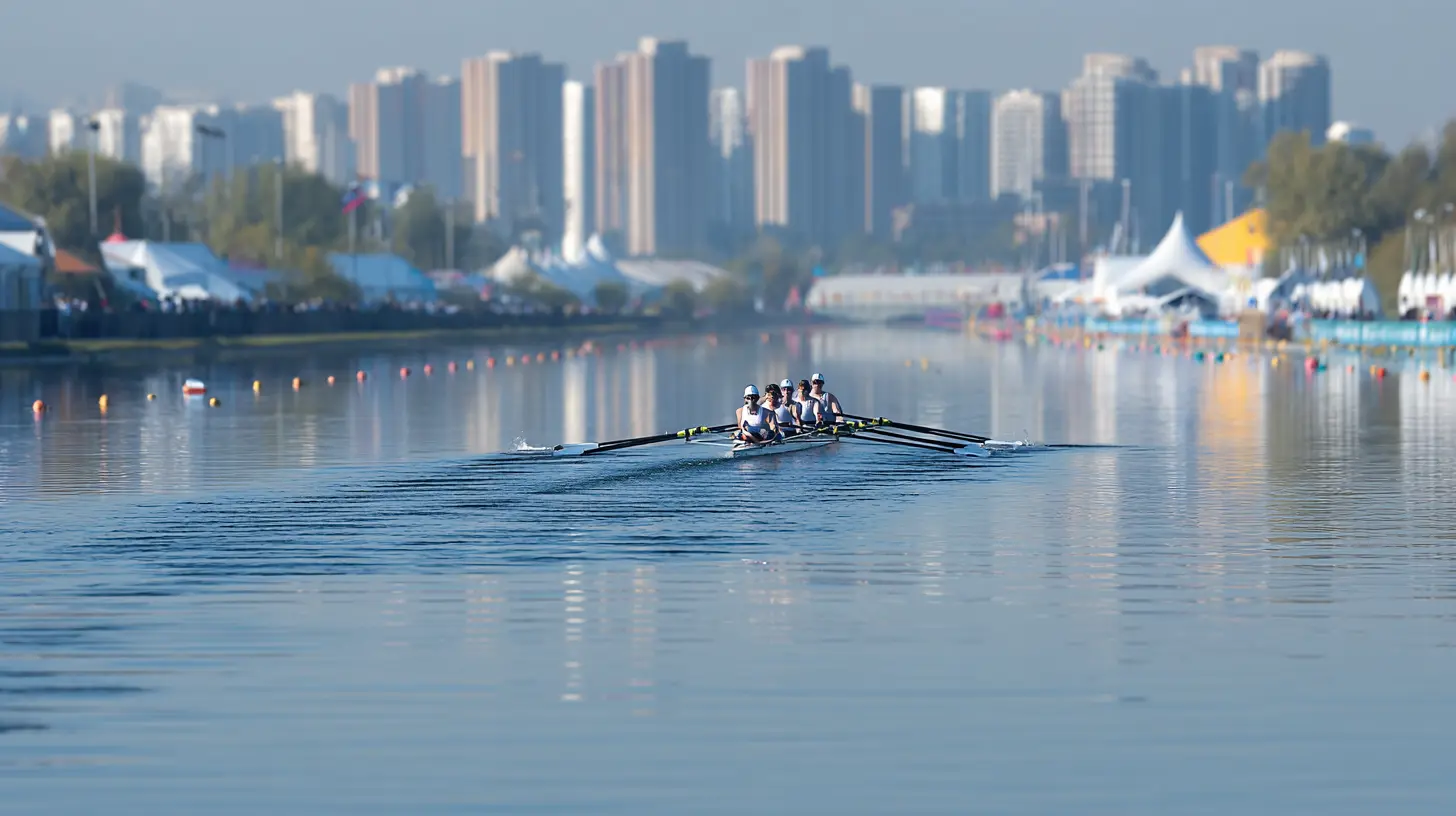
Why the 2026 Championships Matter More Than Usual
Every World Championship matters, but some editions carry extra weight. The 2026 regatta falls into that category for three reasons.First, it lands in the middle of a quadrennial cycle. After an Olympic year, many federations lose experienced athletes to retirement. Others use the season to test young talent. The result is a transitional field where new names can break through before the next Olympic qualification window tightens.
Second, the championship often serves as a qualifying or seeding opportunity for future Olympic and Paralympic regattas. National teams treat it as a serious benchmark, not a development trip. That raises the intensity level across every final.
Third, the event showcases the full depth of rowing. Olympic regattas feature a limited number of boat classes. World Championships usually include more, such as lightweight events and non-Olympic categories. This gives specialists a chance to shine and gives fans a wider view of the sport.
Put simply, 2026 is a year when reputations are built, funding decisions are influenced, and coaching philosophies are validated or questioned.
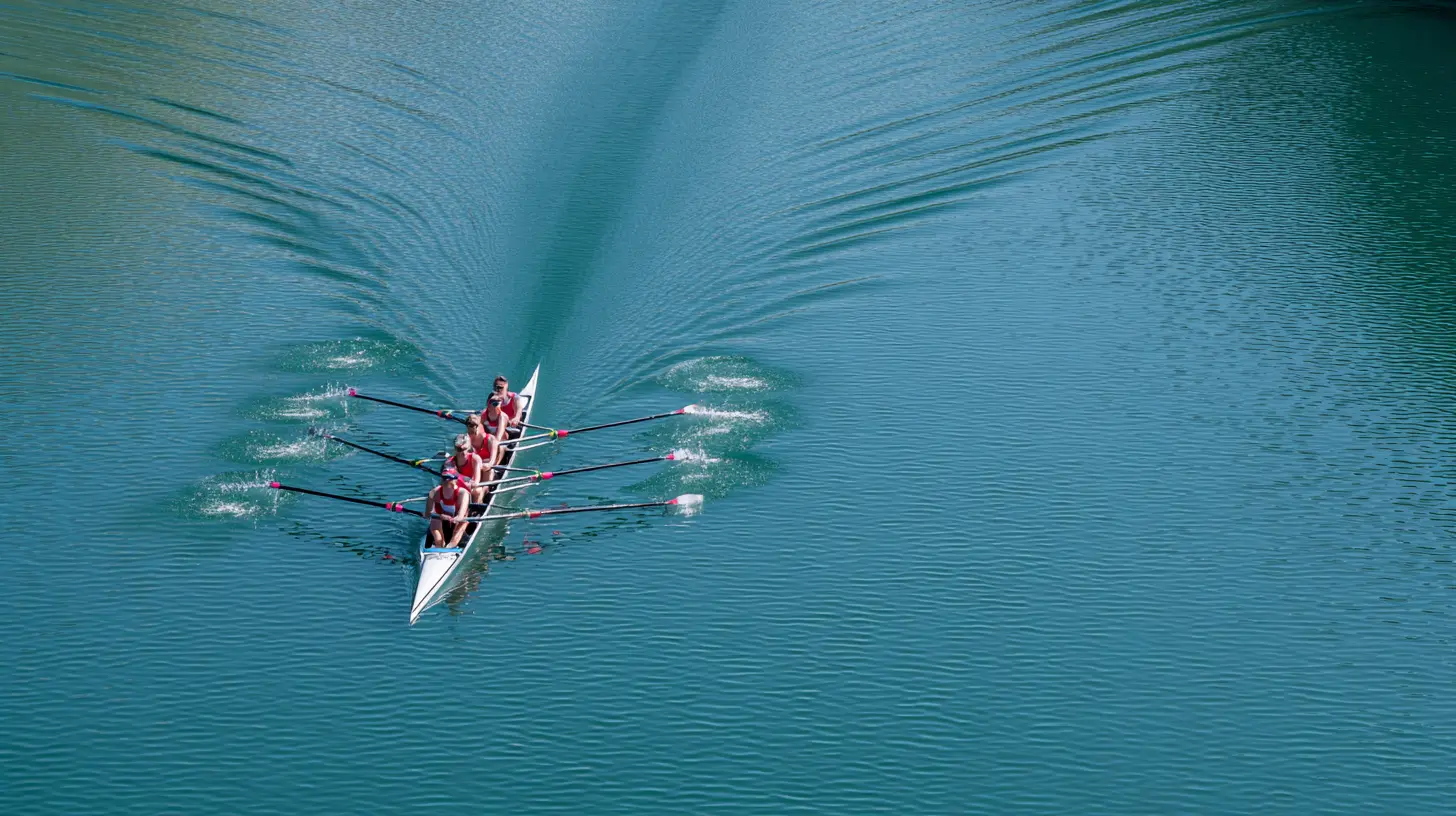
The Nations Most Likely to Contend
Rowing has a handful of nations with deep talent pools, strong club systems, and consistent medal records. Great Britain, New Zealand, the Netherlands, Australia, Germany, Italy, the United States, Romania, and Canada regularly appear in finals. China and Ireland have also made significant strides in specific boat classes in recent years.Still, past success does not guarantee future results. What matters is how each program handles the post-Olympic transition.
Great Britain: Depth Versus Transition
Great Britain has long been a benchmark in sweep rowing, particularly in the men's four and men's eight. The system benefits from strong university programs, centralised coaching, and a culture of internal competition. Rowers know that winning a national trial can be as hard as winning a world final.The risk for 2026 is turnover. When senior athletes retire, crews must be rebuilt. A new combination can be fast on the erg but slow on the water if the timing is not there. Rowing rewards synchronization, and synchronization takes months, sometimes years.
What to watch: whether Britain's new combinations gel early in the season or peak too late. If they find rhythm by the semifinals, they will be dangerous. If not, they may lose to crews with more racing miles together.
New Zealand: Small Pool, Huge Impact
New Zealand consistently punches above its weight. The country's rowing culture emphasizes technique, aerobic capacity, and mental resilience. Athletes often come from a small talent pool, but the coaching is world class.New Zealand's advantage is continuity. When a crew stays together across cycles, it builds an almost telepathic understanding. That can beat raw power. The disadvantage is vulnerability to injury or illness. With fewer athletes to rotate in, one setback can derail an entire boat class.
What to watch: whether key athletes remain healthy through the season and whether the selectors keep successful combinations intact or experiment.
The Netherlands: Power and Precision
The Dutch have become a dominant force in both sweep and sculling. Their program blends strong physiology with refined technique. The men's and women's eights, fours, and single sculls have all produced medals in recent cycles.The Netherlands benefits from a robust club system and a willingness to invest in sports science. Their crews often look relaxed at high rates, which is a sign of excellent fitness and efficiency.
What to watch: how they manage the transition from Olympic boats to world championship lineups. The Dutch are not afraid to move athletes between boat classes, but every move carries risk.
Australia: Racing Instinct
Australian crews are known for fighting spirit and strong finishing speed. Their institute system develops athletes from a young age, and their racing schedule prepares them for tight finals.Australia's challenge is often consistency. A crew can look unbeatable in one race and vulnerable in the next. That unpredictability makes them exciting but hard to predict.
What to watch: whether their base speed improves enough to control races from the front rather than relying on closing sprints.
Germany, Italy, and Romania: The European Contenders
Germany has a long tradition of success in sculling and sweep events. Italy has emerged as a force in lightweight and heavyweight categories. Romania has produced standout women's crews, particularly in the eight and pair.Each of these nations has a distinct style. Germany often favors powerful, long strokes. Italy mixes tactical flexibility with technical precision. Romania relies on strong aerobic engines and aggressive racing.
What to watch: how they handle the pressure of qualifying for finals. In rowing, the difference between second and fifth in a semifinal can be less than two seconds.
The United States: Rebuilding With Ambition
The United States has a massive collegiate rowing system, but converting collegiate success into international medals is not automatic. The transition requires adapting to different training volumes, racing formats, and technical standards.In recent years, the U.S. has shown flashes of brilliance in the women's eight and men's four. The potential is enormous. The question is whether the system can align talent, coaching, and funding long enough to produce consistent results.
What to watch: whether young athletes from NCAA programs make a smooth jump to the senior team and whether the men's squad closes the gap with Europe and New Zealand.
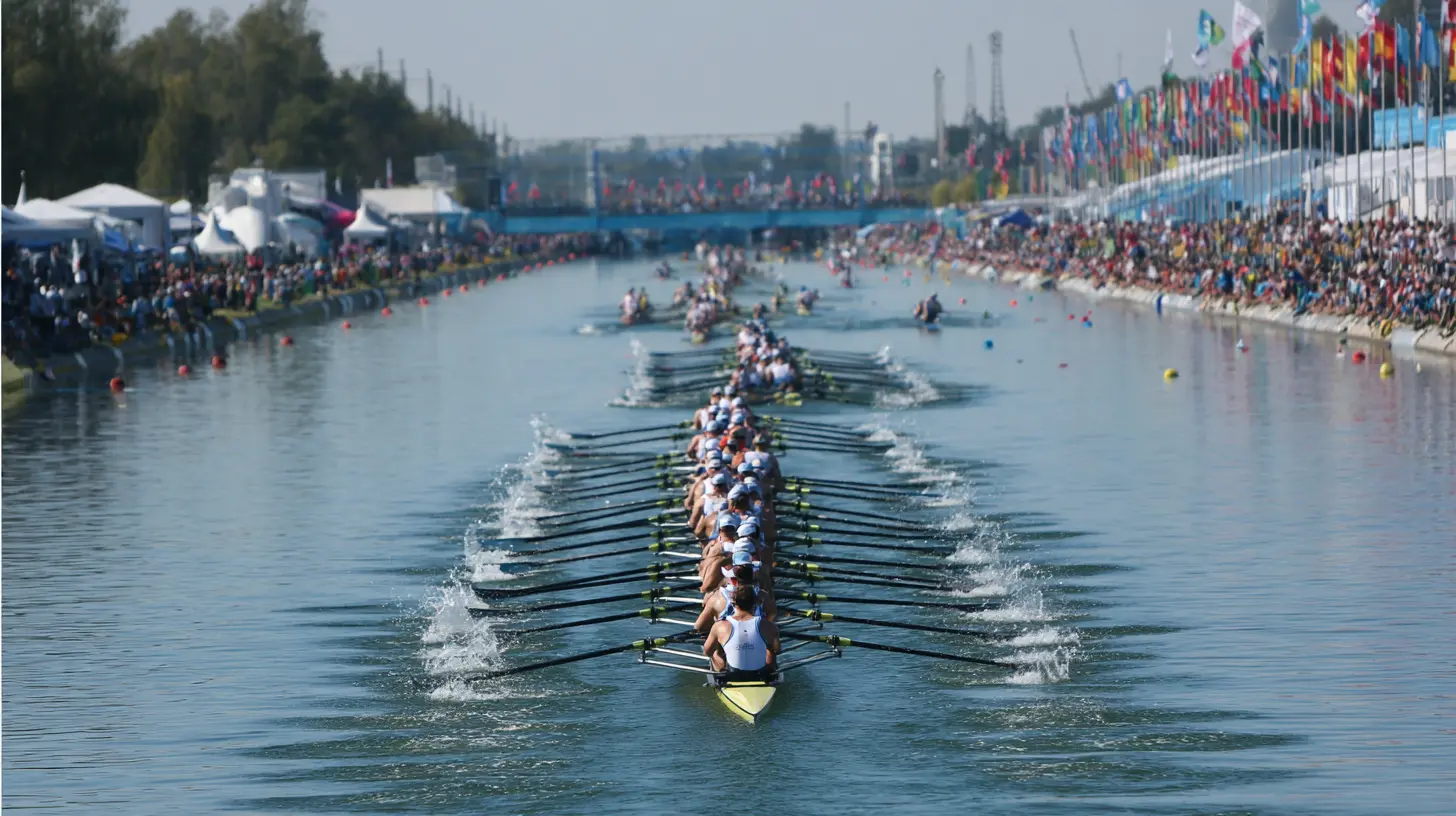
Boat Classes to Watch in 2026
Not all events carry the same intrigue. Some are dominated by one nation, while others are wide open. Here is where the drama is likely to be highest.The Men's Eight
The men's eight is the blue riband event. It rewards power, unity, and composure. Historically, Germany, Great Britain, the Netherlands, and the United States have traded victories. New Zealand and Australia can never be ignored.Why it matters: the eight is a statement boat. Winning it signals a healthy national program. Losing it can trigger reviews and funding changes.
What decides it: the start. In an eight, a bad first 500 meters is hard to recover from because the field is so deep. Crews that settle quickly and hold a long, rhythmic stroke usually prevail.
The Women's Eight
The women's eight has been dominated by the United States and Canada in various periods, with Romania and Great Britain challenging strongly. The Netherlands and Australia have also closed the gap.Why it matters: the women's eight reflects the growth of women's rowing worldwide. More nations are investing, and the racing is tighter than ever.
What decides it: pacing and poise. The best crews negative split, meaning they row the second half faster than the first. That requires confidence and fitness.
The Single Sculls
The single is the purest test of individual ability. No crewmates to hide behind, no lineup changes to blame. The Netherlands, Germany, New Zealand, and Croatia have produced legendary single scullers. New names emerge regularly.Why it matters: the single is a magnet for attention. A dominant sculler can become the face of the sport.
What decides it: technical efficiency and tactical awareness. Scullers must manage wind, lane draws, and their own energy. A small technical flaw gets magnified over 2000 meters.
The Pair and the Four
The pair and the four are the engines of sweep rowing. They feed athletes into the eight. Nations with strong pairs and fours usually have strong eights.Why it matters: these boats reveal the quality of a nation's sweep program. They also offer opportunities for smaller nations to win medals without needing eight elite athletes.
What decides it: synchronization and trust. Two or four athletes must move as one. Any hesitation costs speed.
Lightweight Events
Lightweight rowing adds a tactical dimension. Athletes must manage weight as well as fitness. The category has been under pressure at the Olympic level, but it remains part of the World Championships.Why it matters: lightweight racing is often extremely close. Small margins decide medals.
What decides it: discipline. Making weight without losing power is a skill. Crews that nail their nutrition and recovery have an edge.
Para Rowing
Para rowing has grown into a core part of the championships. Categories include PR1, PR2, and PR3, covering different impairments. Nations like Great Britain, Australia, Ukraine, and Israel have been strong.Why it matters: para rowing showcases the sport's inclusivity and the incredible dedication of its athletes.
What decides it: classification, equipment setup, and technique. Small adjustments to seating or rigging can produce big gains.
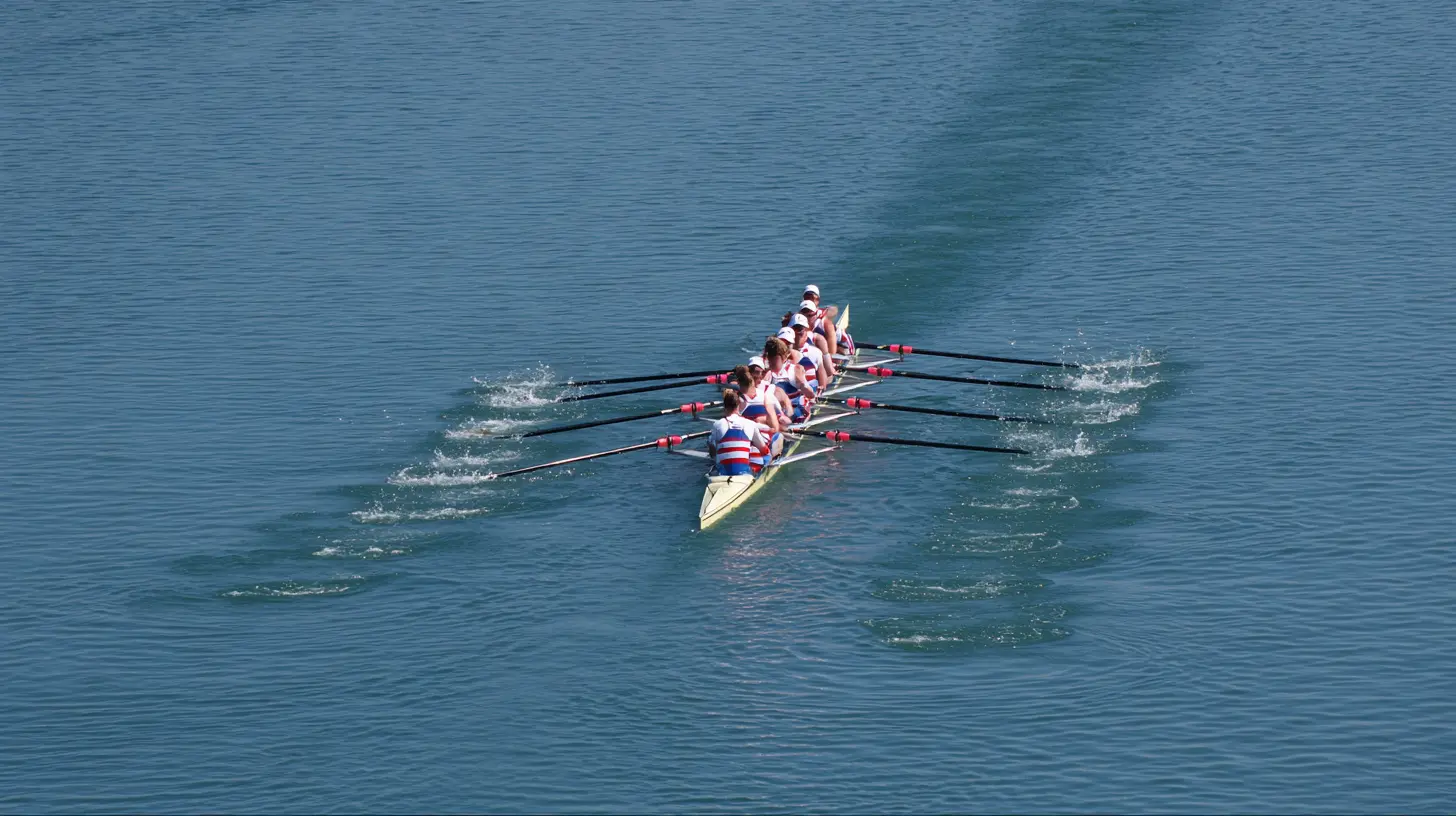
The Invisible Factors That Decide Medals
Talent alone does not win championships. Several less visible factors often make the difference.Coaching Stability
A coach who knows the athletes, trusts the system, and can adapt under pressure is worth more than any single rower. Frequent coaching changes disrupt training and strategy.Training Environment
Access to calm water, good weather, and quality facilities matters. Nations with year round training options can accumulate more kilometers. That volume builds aerobic capacity, which is the foundation of rowing speed.Sports Science Support
Physiology testing, recovery monitoring, and biomechanics analysis are now standard in top programs. Teams that use data well can fine tune training loads and avoid overtraining.Funding and Logistics
Rowing is expensive. Boats, travel, and support staff all cost money. Nations with stable funding can plan multi year campaigns. Nations without it often lose athletes to other sports or to retirement.Team Culture
A healthy team culture attracts and retains talent. Rowers who feel supported are more likely to stay through a full cycle. Toxic environments drive athletes away, even when they are fast.Race Day Execution
Everything can go right in training and still fall apart in a final. Nerves, wind, lane draws, and equipment failures all play a role. The best crews prepare for chaos.Common Mistakes in Predicting Rowing Champions
Fans and analysts often make the same errors when forecasting results. Avoiding these mistakes leads to better predictions.- Overweighting the previous season. A crew that won last year may have lost key athletes or changed training focus.
- Ignoring the draw. Lane assignments can matter, especially in crosswinds.
- Assuming erg scores equal boat speed. A fast ergometer score does not guarantee a fast boat. Technique and synchronization matter.
- Underestimating small nations. Countries like Croatia, Ireland, and Switzerland have won major medals with small talent pools.
- Forgetting about injuries. A single injury can change the entire medal picture in a boat class.
- Treating semifinals as formalities. Many favorites have failed to make finals because they underestimated a semifinal opponent.
How to Follow the 2026 Championships Like an Expert
If you want to watch the regatta with real insight, here is a practical approach.Before the Regatta
Check the entry lists and crew changes. Look for athletes moving between boat classes. Read previews from national federations, but treat them as promotional rather than objective.During Heats
Watch for crews that row within themselves. A crew that wins a heat at 80 percent effort is in a better position than one that sprints to win at 100 percent.During Semifinals
This is where tactics get serious. The top three usually advance. Watch how crews handle the middle 1000 meters. The best crews make a move there, not in the final 250.During Finals
Focus on the first 500 and the third 500. The first 500 shows who has raw speed. The third 500 shows who has fitness and composure. The crew that wins the third 500 usually wins the race.Beyond the Podium
Pay attention to fourth through sixth places. These crews often become medalists in the next cycle. Today's also rans are tomorrow's champions.What Would a Realistic Medal Table Look Like?
Predicting exact medal counts is a fool's errand, but a reasonable projection can be framed by tiers.Tier one contenders, based on recent depth and system strength, include Great Britain, the Netherlands, New Zealand, and Australia. These nations are likely to appear in multiple finals.
Tier two includes Germany, Italy, Romania, the United States, and Canada. These nations have the capacity to win medals in specific events and could climb higher with a good season.
Tier three includes emerging programs and specialists such as Ireland, China, Croatia, Switzerland, and Ukraine. These nations may not top the overall table, but they can absolutely win individual events.
The smartest way to enjoy the championships is to follow boat classes rather than just the medal table. A nation with one superstar can win gold in one event while struggling elsewhere. That is the beauty of rowing.
Final Thoughts
The 2026 World Rowing Championships will not be decided by reputation. They will be decided by preparation, execution, and the small details that separate great crews from good ones. The post Olympic transition creates uncertainty, and uncertainty creates opportunity. New combinations will surprise. Veterans will dig deep. Some favorites will falter. Some underdogs will rise.If you take one thing from this article, let it be this: rowing rewards patience and precision. The crews that peak at the right time, handle pressure, and trust their training will claim glory. Everyone else will spend the winter wondering what went wrong.
all images in this post were generated using AI tools
Category:
Upcoming TournamentsAuthor:

Nelson Bryant