The Dream Team: How Basketball Dominated the 1992 Olympics
27 June 2026
Let’s jump back to 1992 for a moment. Picture this: the world’s best basketball players—all from the NBA—stepping onto the global stage, rocking their red, white, and blue jerseys, and redefining what it meant to be part of an Olympic team. That was the year basketball turned into Art meets Power on the Olympic hardwood.
You’ve probably heard the term “Dream Team” thrown around in sports debates. But unless you sat on the edge of your couch watching those legends ball out in Barcelona, you might not fully get why this squad became a gold standard—not just in basketball, but in the entire history of sports.
So, how did the Dream Team dominate the 1992 Olympics—and why does it still matter today? Glad you asked. Let’s dive in.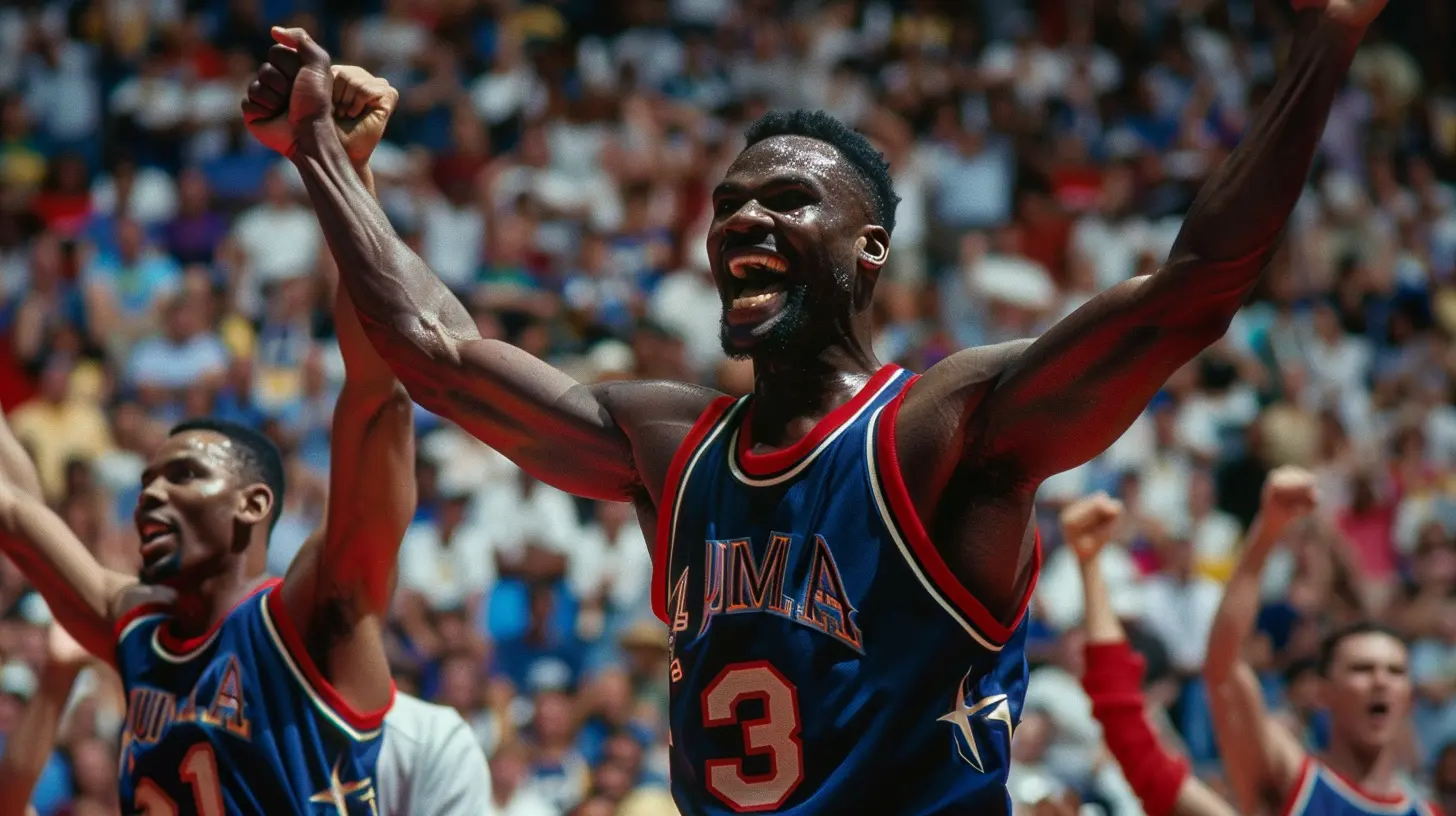
Setting The Stage: Why 1992 Was Different
To really appreciate what went down in Barcelona, you need to understand the context. Before 1992, Olympic basketball mainly featured amateur players. The U.S. would send top college athletes to rep the country. And hey, they did a pretty solid job—winning gold most of the time.But then came 1988. At the Seoul Olympics, the American team, made up of college kids, walked away with bronze. That stung. Especially since other countries were sending full-grown men—some even professionals.
So, in 1989, FIBA (that's the International Basketball Federation) changed the game. Literally. They voted to allow NBA players to compete in the Olympics. And just like that, Pandora’s box was cracked open.
The result? A roster of legends that felt like the Avengers teamed up with Space Jam characters.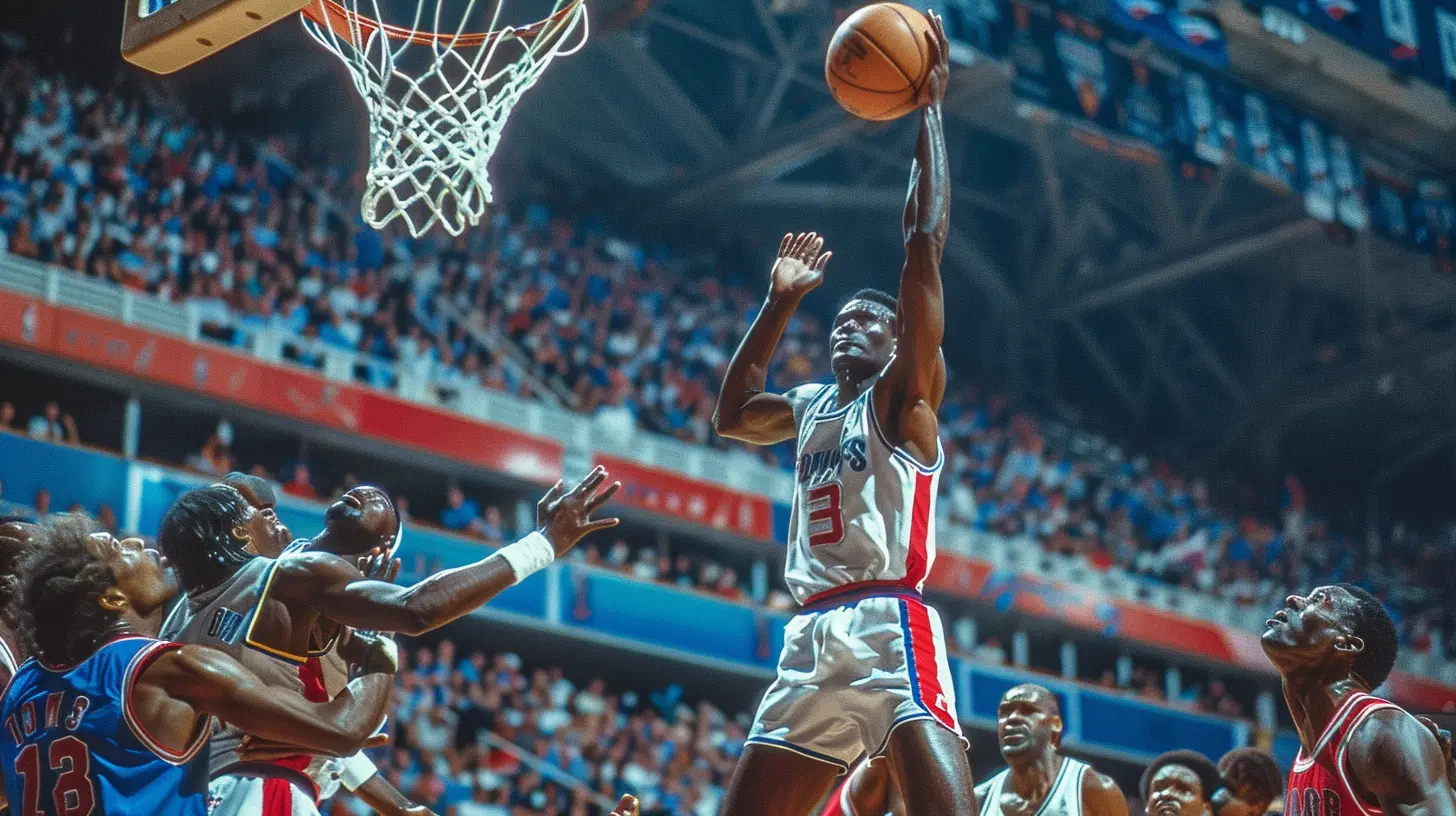
Meet The Dream Team: A Roster of Living Legends
Let’s run through the lineup real quick. This wasn’t just any ol’ group of hoopers. This was a squad of future Hall-of-Famers, MVPs, and cultural icons. Take a look:- Michael Jordan – The face of the NBA. Already a two-time champion by then.
- Magic Johnson – Fresh out of retirement and still dazzling with his passes.
- Larry Bird – Playing through back pain, but still deadly with his jumper.
- Charles Barkley – The team’s top scorer and walking quote machine.
- Scottie Pippen – The ultimate two-way player. Jordan’s right-hand man.
- Karl Malone & John Stockton – The pick-and-roll duo from Utah.
- Patrick Ewing & David Robinson – A wall of shot-blocking muscle.
- Chris Mullin – Sweet shooting stroke from downtown.
- Clyde Drexler – High-flying, no-nonsense baller.
- Christian Laettner – The lone college player, fresh off a national title.
That team could’ve fielded three separate squads and probably swept the medal podium.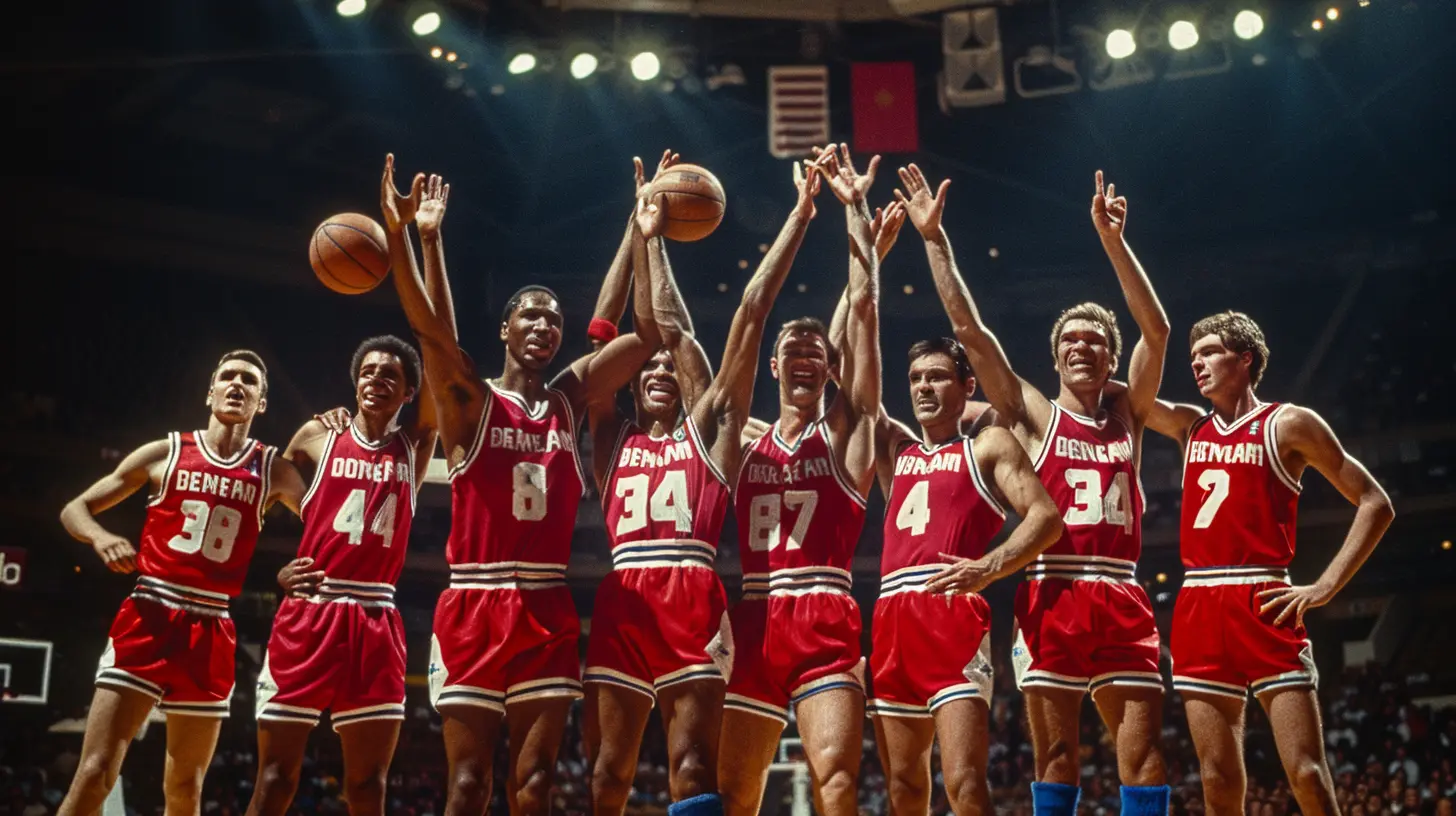
Training Camp Vibes: Legends Competing Against Each Other
Before heading to Barcelona, the team met up for training and exhibition games. And let me tell you, those practice sessions? Absolute gold.There’s a legendary scrimmage between Team Jordan and Team Magic during training in Monte Carlo. Trash talk flew. Tempers flared. But more importantly, the competition was so intense it made actual Olympic games seem like a cakewalk.
Michael Jordan later called it “the greatest game nobody ever saw.” That’s how unbelievably high the level was—even before a single Olympic match was played.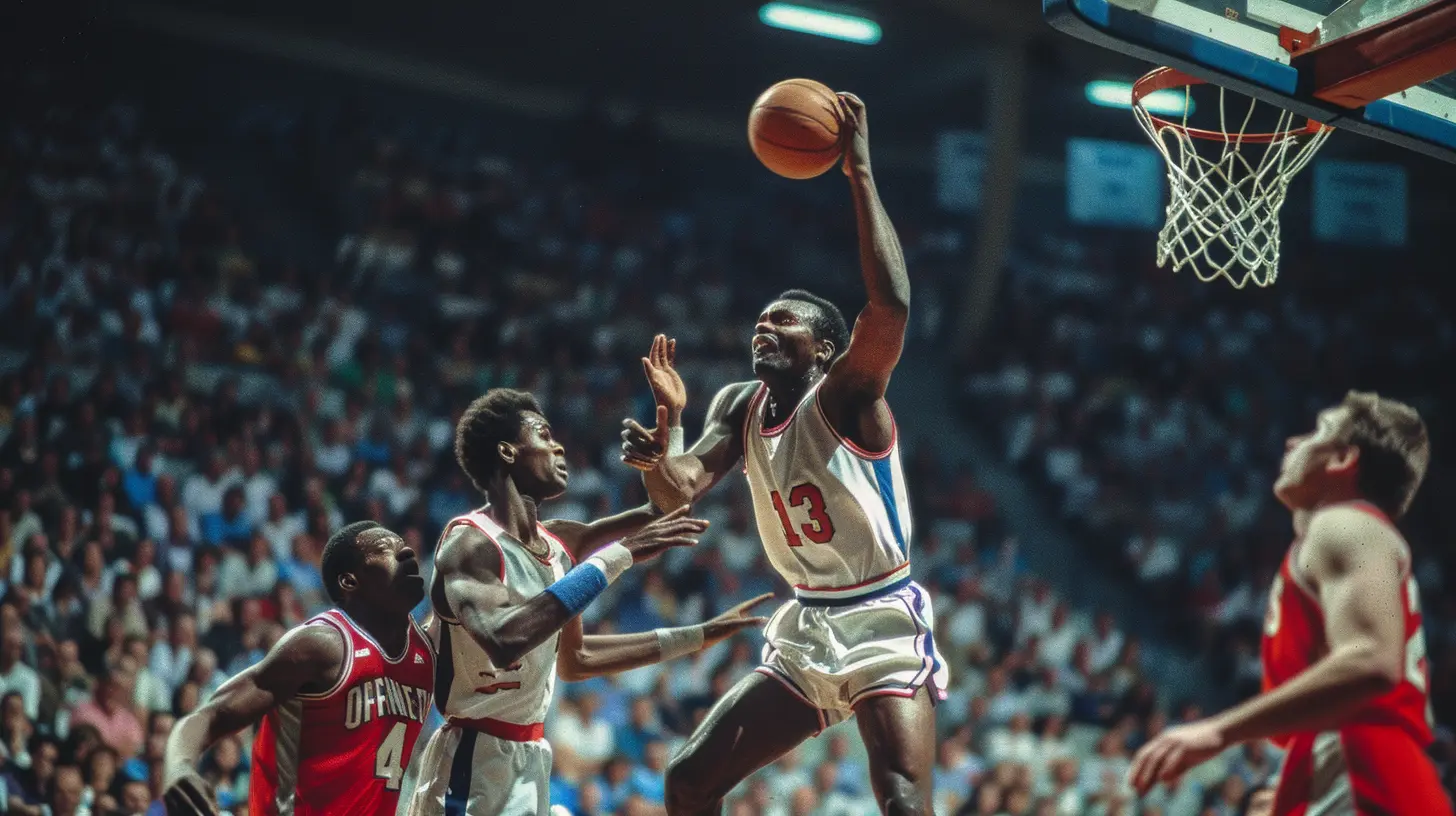
The Olympic Journey: Absolute Domination from Game One
When the Olympics finally kicked off, it wasn’t a question of if the Dream Team would win gold—it was more like, by how much would they win every game?And yeah, the numbers were wild:
- First game vs. Angola: Won 116–48. (Ouch.)
- Average margin of victory: 43.8 points.
- Final gold medal game vs. Croatia: Won 117–85.
Teams would literally line up for photos before the game started—players just wanted to share the court with their idols. It was like playing against superheroes in real life.
The opponents tried. They gave it heart. But the skill gap was just too wide. The Dream Team moved like a well-oiled machine—Jordan slicing through defenses, Magic orchestrating plays, Bird hitting clutch shots, and Barkley bulldozing in the paint.
Every pass was crisp, every dunk had swagger, and every possession was a highlight reel waiting to happen.
Beyond The Gold: How The Dream Team Changed Basketball Forever
Sure, the team was unbeatable on the court, but their legacy goes beyond just medals and blowouts. Their real impact? Globalizing basketball.Before 1992, basketball was popular in spots—sure. But the NBA wasn’t exactly a global brand. After the Dream Team’s Olympic run, everything changed.
Kids in Europe, South America, Africa, and Asia started dreaming of their own NBA journeys. Jerseys flew off the shelves. International basketball leagues started booming. And future international stars—like Dirk Nowitzki, Pau Gasol, and even Luka Dončić—grew up inspired by what they saw on TV that summer.
The Dream Team turned basketball into a worldwide language.
Why The Dream Team Still Matters Today
Let’s be honest, we love to compare generations. LeBron vs. Jordan. Kobe vs. Magic. Old school vs. new school.But when it comes to Olympic basketball, the Dream Team still stands tall.
Yes, Team USA is still strong. Yes, we've seen great Olympic squads since then. But the 1992 Dream Team was the original spark. They set the tone. They showed that basketball could be beautiful, brutal, and global all at once.
They didn’t just win. They dominated with class, chemistry, and charisma. And they did it while being rockstars off the court, too—grinning through press tours, charming fans, and signing sneakers by the hundreds.
It wasn’t just a team. It was a movement.
Fun Facts: Nuggets You Might Not Know
Let’s sprinkle in some fun behind-the-scenes juice:- Barkley was the top scorer. Surprise! Chuck averaged 18 points a game.
- Jordan wore Reeboks... sort of. He covered the logo with the American flag during the medal ceremony since he was a Nike guy.
- Toni Kukoč had a tough time. The soon-to-be NBA star was targeted by Jordan and Pippen—who wanted to “welcome” him to the league since Bulls GM Jerry Krause hyped him up a bit too much.
- Practice was harder than the games. Magic and Jordan really went at it—because bragging rights matter.
The Legacy Lives On
Even now, three decades later, the 1992 Dream Team is the benchmark. Every Olympic squad after is measured against it. And let's be fair—most don't match up.From the player introductions to the skill level, to the sheer star power—it was a once-in-a-lifetime formula. A lightning-in-a-bottle moment.
They reminded the world that basketball is more than just a game. It’s storytelling, artistry, and competitive fire, all rolled into one.
Final Thoughts: Basketball’s Global Takeover Started Here
If you’re wondering why NBA games are broadcasted in over 200 countries… or why players like Giannis and Jokic are dominating the league… go back to 1992.That’s when the fuse was lit.
So whether you were alive to watch it live or just hearing stories from your hoop-head uncle, know this: The Dream Team at the Barcelona Olympics didn’t just win gold.
They changed the game forever.
all images in this post were generated using AI tools
Category:
Sports HistoryAuthor:

Nelson Bryant
Discussion
rate this article
1 comments
Juno Luna
Legacy forged, passion ignited, history made.
July 2, 2026 at 11:30 AM
Nelson Bryant
Absolutely! The 1992 Olympics truly marked a turning point in basketball history.