The History of Horse Racing: From Royal Spectacle to Global Sport
17 June 2026
Let’s rewind time a bit. Picture ancient civilizations with dust swirling through the air, lavishly-dressed nobles cheering from chariots, and sleek horses thundering down tracks. That’s where the roots of horse racing sink in. What began as a royal pastime has galloped its way into becoming one of the most thrilling and widely followed sports across the globe.
So, how did we go from kings wagering on horseback contests to million-dollar races like the Kentucky Derby and the Royal Ascot? Buckle up—we’re about to take a ride through the centuries-long journey of horse racing.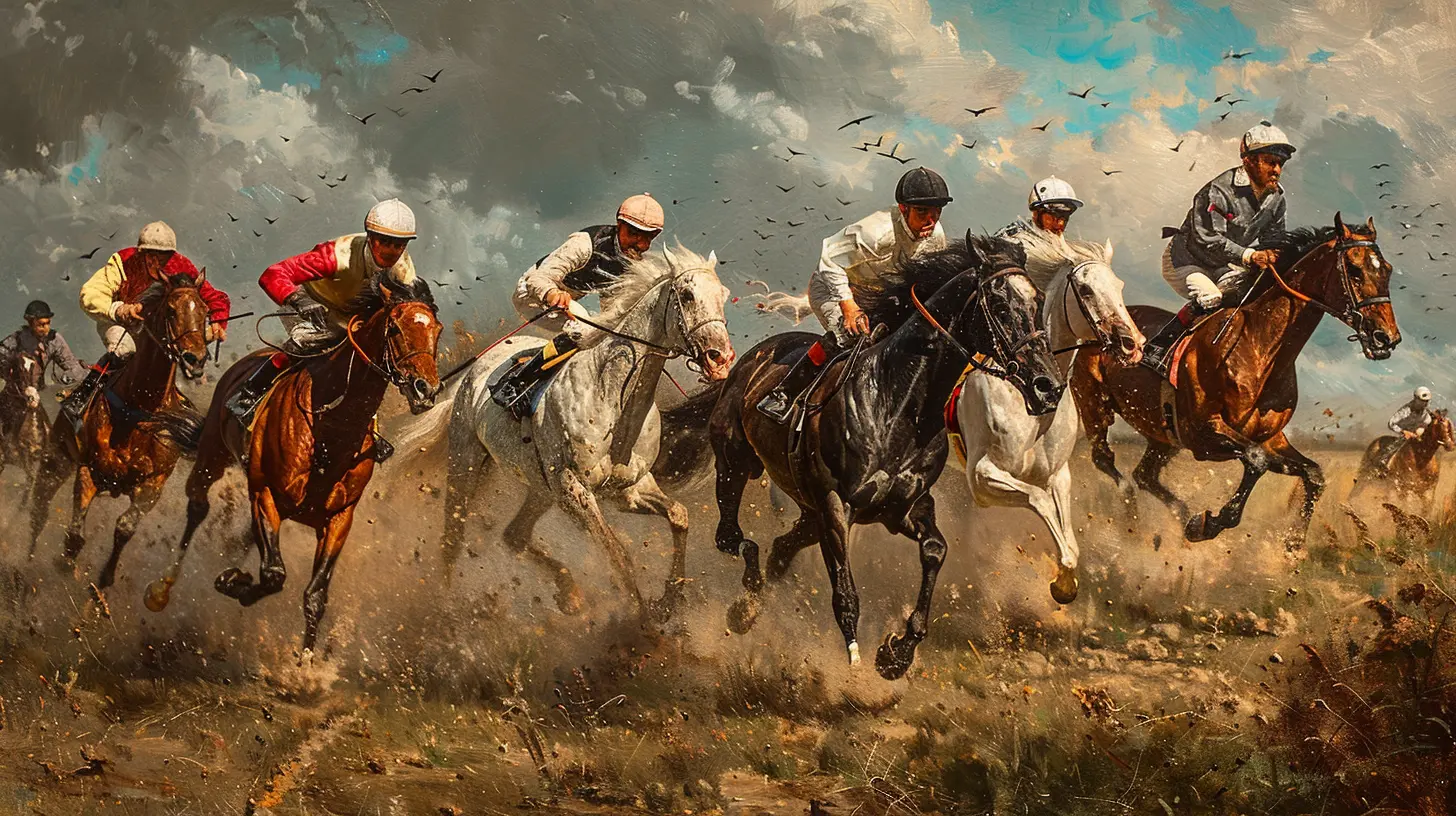
?️ Horse Racing in Antiquity: Birth of the Sport
Long before fancy hats and mint juleps, horse racing was already making waves in ancient cultures.Ancient Egypt and Mesopotamia
We’re talking thousands of years ago. Wall carvings in ancient Egypt show scenes of horse-driven chariots darting through battlefields and ceremonial races. These weren't races for sport at first—they were more about prestige, war strategy, and honor. But let’s be real; once horses are involved, someone always wants to race.Greece and the Olympics
Fast forward to ancient Greece, and horse racing becomes a thing of glory. Chariot racing was a fan-favorite at the ancient Olympic Games, dating back to 700 BCE. It was intense, dangerous, and oh-so-glorious if you won. The Greeks loved competition, and nothing got the crowd roaring like a well-fought race.The Roman Empire
Then came the Romans—masters of spectacle. They took what the Greeks started and turned it into a full-on entertainment industry. Their version? Think NASCAR with horses. Races were held in massive arenas like the Circus Maximus, where tens of thousands of spectators bet and cheered as charioteers sped around.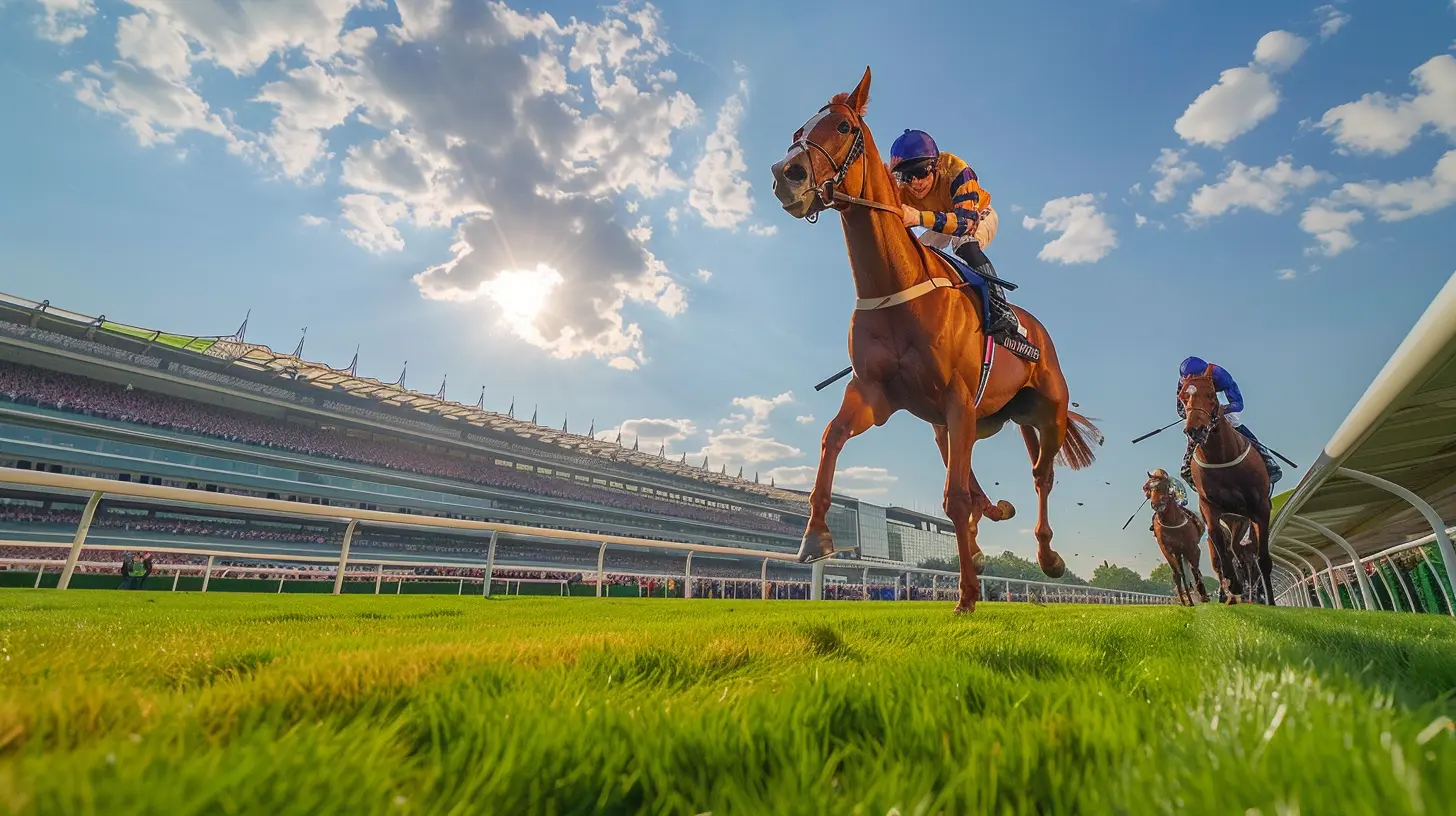
? From Kings to Commoners: Horse Racing in Medieval Europe
With the fall of Rome, horse racing didn’t vanish; it simply changed gears.The Rise of Knights and Mounted Contests
In medieval Europe, horses were closely tied to warfare and nobility. Kings, knights, and nobles regularly held jousting tournaments and other equestrian contests. Racing became more refined during this era but still revolved around the nobility.Arab Influence and the Birth of the Thoroughbred
Here’s where things get interesting. The Crusades brought European knights face-to-face with Arabian horses. These steeds were lighter, faster, and more agile than the heavy warhorses of Europe. Eventually, these breeds were brought back and bred with European horses. Voilà—the foundations of the modern Thoroughbred.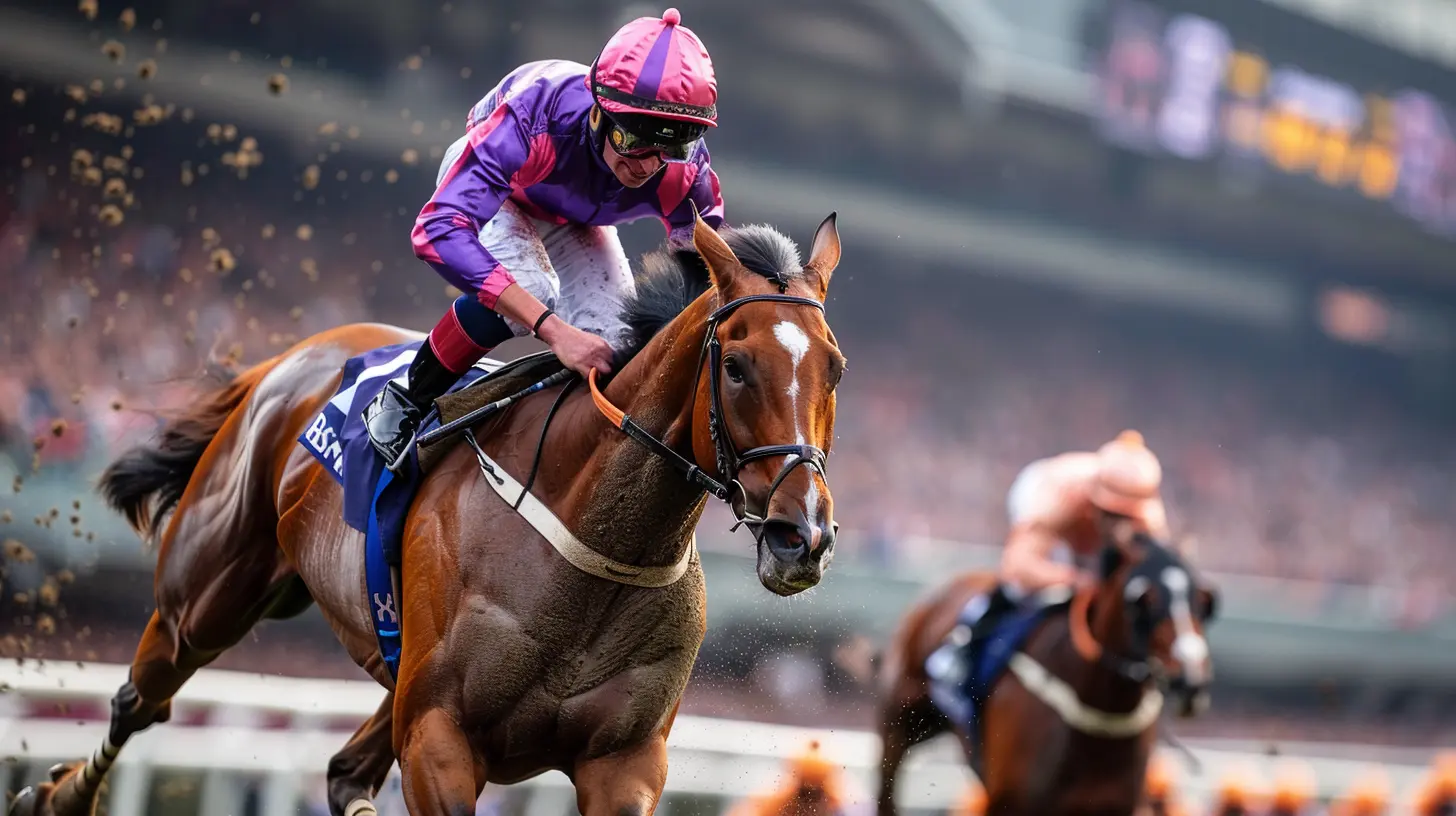
? The Birth of Modern Horse Racing in Britain
If there’s one country that horse racing calls home, it’s England. This is where the sport really took off and laid the groundwork for what we have today.Royal Patronage
British royalty had a serious obsession with horse racing. Monarchs like King James I and Charles II were avid racegoers. Charles II even rode in races himself—talk about leading by example!But the real game-changer was Queen Anne in the early 1700s. She established the Ascot Racecourse in 1711, and it quickly became a royal tradition. That little racetrack? Yeah, it turned into Royal Ascot, one of the biggest events on the racing calendar.
The Jockey Club
In 1750, the English elite formed the Jockey Club to regulate the sport. This organization created rules, maintained race records, and set breeding standards. It was basically the NFL of horse racing back then—setting structure and ensuring fair play.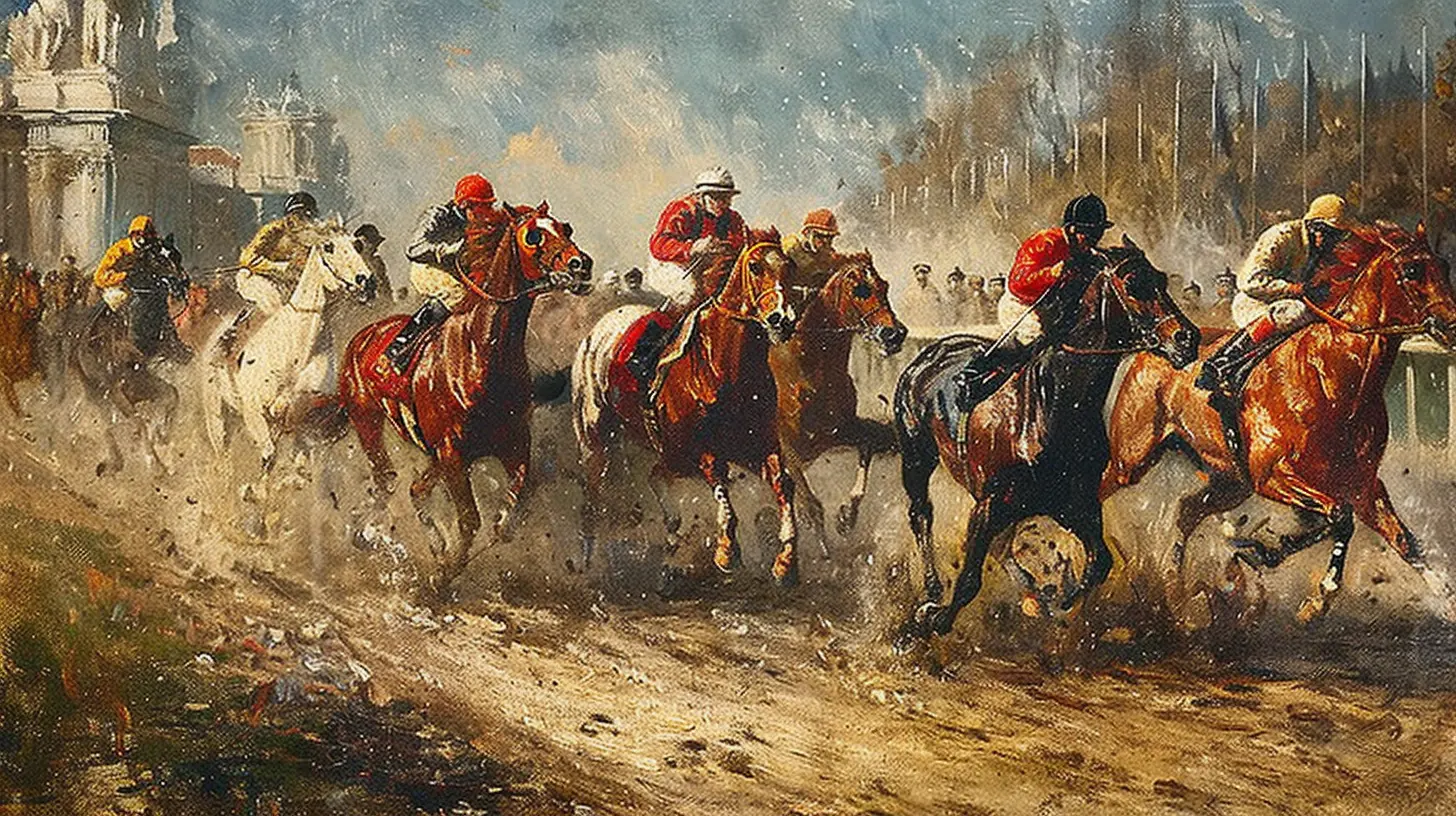
? Thoroughbred Breeding: Perfection in Motion
If you’ve ever wondered why horse racing today is so electrifying, a big part of it comes down to the Thoroughbred breed.What Makes a Thoroughbred?
Thoroughbreds are bred for speed, stamina, and structure. Think of them as the Ferraris of the equine world—sleek, powerful, and built for the racetrack. The origins trace back to three foundation stallions—Byerly Turk, Darley Arabian, and Godolphin Arabian—imported into England in the late 1600s and early 1700s.Global Spread of the Breed
As the British Empire expanded, so did horse racing. The Thoroughbred made its way to America, Australia, the Middle East, and Asia. Breeding farms and records followed, turning local racing scenes into international hubs.?? Horse Racing in America: From Colonial Times to Triple Crown Glory
Let’s jump across the pond.Colonial Beginnings
Horse racing showed up in America in the 1600s—specifically in the colonies of Virginia and New York. The sport caught on quickly, especially among the wealthy plantation class. Tracks were built, and races became social events packed with food, betting, and festivity.The Triple Crown
If you love drama, history, and high-speed action, then the Triple Crown races are your kind of party. The Kentucky Derby (est. 1875), the Preakness Stakes, and the Belmont Stakes make up this legendary trio. Winning all three? That’s the holy grail of American horse racing. Only 13 horses have ever done it.? Horse Racing Goes Global
Today, horse racing isn’t confined to royal courts or American soil. It’s a global phenomenon with fans, bettors, and breeders on every continent (except Antarctica…sorry penguins).Japan’s Racing Obsession
You might not think of Japan as a racing powerhouse, but it absolutely is. With ultra-modern racetracks, high purses, and massive crowds, Japan is one of the top horse racing markets in the world. Horses like Deep Impact have achieved near-legend status.The Middle East and Mega-Millions
Races like the Dubai World Cup offer some of the richest purses in the sport—and they’ve only been around since the 1990s. Oil wealth, beautiful tracks, and imported Thoroughbreds have turned the Middle East into a horse racing hotspot.Australia and the Melbourne Cup
“The race that stops a nation”—that’s how Australia refers to the Melbourne Cup. Held every November, it’s a public holiday in parts of the country. People dress up, drink champagne, and put everything on pause to watch it.? The Role of Betting
Let’s not kid ourselves—betting is the lifeblood of horse racing.Pari-Mutuel Wagering
Introduced in the 19th century, this system pools all bets together, taking a small cut before dividing winnings. It made betting more organized and less shady, allowing race tracks to thrive.Modern-Day Online Betting
Now? Well, you can place bets from your phone, watch live races from around the world, and feel the same adrenaline rush as if you were trackside. Technology has helped the sport reach new fans and grow even further.? Culture, Fashion, and the Horse Racing Experience
Horse racing isn’t just about the horses—it’s also about the glam, the fashion, and the traditions.Fancy Hats and High Society
Events like Royal Ascot and the Kentucky Derby are basically fashion runways. Ladies show off elaborate hats, gentlemen rock polished suits, and the champagne flows like water. It's a see-and-be-seen kind of vibe.Community and Local Festivals
On the flip side, many small towns have local races that bring communities together. It’s not all high-end glam. Think county fairs, tailgating, and neighborhood pride—it’s horse racing with a personal touch.? The Future of Horse Racing: Challenges and Innovation
With all its history and heritage, where does horse racing go from here?Animal Welfare and Ethics
Recent years have brought a sharper focus on the treatment of racehorses. Better track surfaces, stricter drug regulations, and improved veterinary care show that the industry is evolving. Fans and trainers alike want to see horses thrive, not just survive.Technology and Data
Wearable tech, advanced analytics, and real-time tracking are changing how races are monitored and how strategies are built. It’s like Moneyball, but for horses.Attracting the Next Generation
To keep thriving, racing needs to appeal to younger audiences. That means better digital experiences, engaging social media content, and innovative race-day experiences. The future might look different, but the heart-pounding thrill of a photo finish? That’ll never get old.? Final Thoughts
From ancient battlegrounds to billion-dollar racecourses, horse racing has come a long way. It’s a sport that blends elegance with raw power, tradition with innovation, and royalty with everyday fans.Whether you’re there for the thrill, the fashion, or the betting lines, one thing’s for sure: horse racing is more than a sport—it’s a legacy that continues to gallop into the future.
all images in this post were generated using AI tools
Category:
Sports HistoryAuthor:

Nelson Bryant
Discussion
rate this article
1 comments
Lexi Sanchez
Horse racing: where elegant steeds and fancy hats collide, proving that betting on four-legged speed is a royal pastime!
June 22, 2026 at 2:44 AM