World Championships That Changed the Face of Sports
9 March 2026
Some sports moments stop time. You know the ones—where the underdog rises, a legend is born, or the world sits on the edge of its seat. But every so often, a World Championship comes along that doesn’t just entertain—it completely rewrites the rules, shifts the spotlight, and flips the script on how we view athletic greatness. These championships didn't just crown champs; they changed the game.
Let’s take a deep dive into the World Championships that didn’t just make headlines—they made history.
When the World Watched: The 1999 FIFA Women’s World Cup
Let’s kick things off (pun fully intended) with a moment that, quite frankly, changed how the world saw women’s sports.Back in 1999, the FIFA Women’s World Cup was held in the United States. It wasn’t just big—it was massive. A record crowd of over 90,000 packed into the Rose Bowl in Pasadena to watch the final between the USA and China. That’s Super Bowl-level attendance, folks.
But what really stole the show? Brandi Chastain’s iconic celebration after scoring the winning penalty. You remember it—her jersey flying off, fists in the air, pure unfiltered joy. That image landed on the covers of sports magazines everywhere and became an eternal symbol of women's empowerment and athletic excellence.
Why It Mattered:
- It put women’s soccer on the global map.
- It led to increased investment in women's leagues.
- Thousands of little girls who watched that game started to believe they could be soccer stars too.
The Miracle on Ice: 1980 Winter Olympics
Okay—technically this was at the Olympics, but the medal round in men's ice hockey? Absolutely World Championship-level.Picture this: a ragtag group of American college players going up against the Soviet Union—a team so dominant, they seemed invincible.
The odds? Near impossible.
The outcome? Legendary.
The U.S. beat the Soviets 4-3 in what’s now simply referred to as “The Miracle on Ice.” It wasn’t just about hockey—it was David beating Goliath, democracy defeating communism (at least symbolically), and a massive shot of morale for an entire nation.
Why It Mattered:
- It redefined the power dynamics in international hockey.
- It showed that heart and hustle could outmatch experience and dominance.
- It united a divided America during the Cold War era.
Usain Bolt Electrifies the World – 2009 World Athletics Championships
Let’s talk speed—because no list of game-changing championships is complete without Usain Bolt.In the 2009 World Athletics Championships in Berlin, Bolt absolutely torched the track—setting a ridiculous 9.58 seconds in the 100m. That’s still the world record, over a decade later.
More than just numbers, Bolt brought swagger. He made sprinting sexy again. He danced, posed, and smiled through the finish line—and audiences ate it up.
Why It Mattered:
- Sprinting became mainstream pop culture.
- Raised the profile of the World Athletics Championships.
- Showed athletes didn’t have to be robotic—they could have personality and still dominate.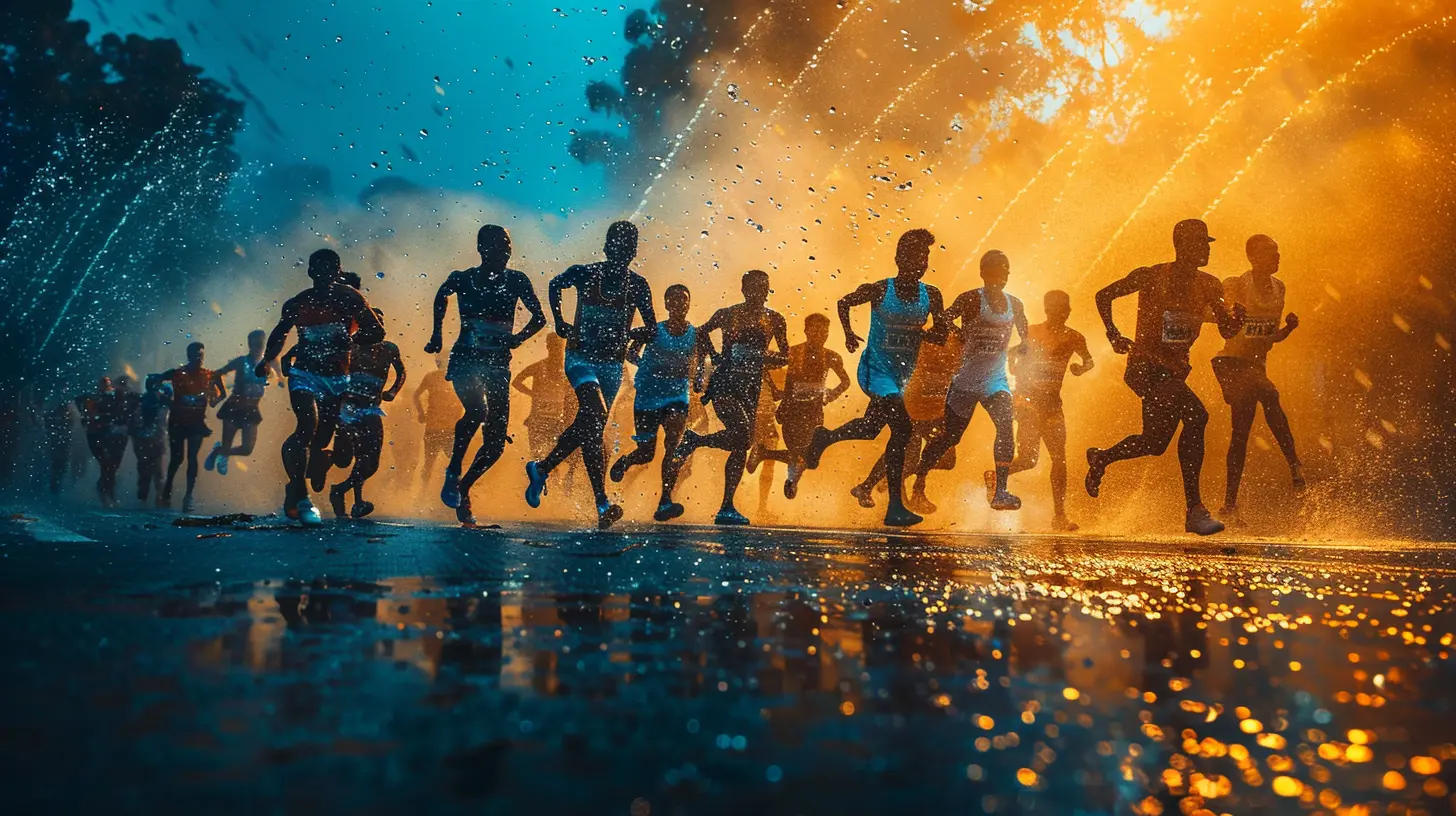
The 2015 Rugby World Cup – Japan’s Shocking Upset
If you think rugby is all about brute force and heavy collisions, you probably missed Japan’s stunning win over South Africa in the 2015 Rugby World Cup.The term “complete underdog” doesn’t even do it justice—Japan hadn’t won a World Cup match in 24 years. South Africa? A two-time world champ.
But against all odds, Japan, with a mix of speed, slick passes, and sheer guts, pulled off one of the greatest upsets in sports history. Some dubbed it the "Brighton Miracle.”
Why It Mattered:
- Rugby started gaining serious traction in Asia.
- Showed that the sport wasn’t just for the traditional powerhouses.
- Inspired host nation Japan to invest heavily in the sport ahead of the 2019 World Cup.
2010 FIBA World Championship – Rise of Global Basketball
When people think basketball, they often default to the NBA. But in 2010, the FIBA World Championship (now known as the FIBA Basketball World Cup) showed that hoops was no longer just America’s game.Led by a young Kevin Durant, Team USA rebounded from a few disappointing runs in international tournaments and claimed gold. More importantly, the tournament featured breakout stars from Serbia, Turkey, and Lithuania.
Why It Mattered:
- Proved basketball’s global growth was real.
- Sparked a new generation of international NBA talent.
- Shined a light on FIBA’s potential as a world-class tournament.
1995 Rugby World Cup – Sport Meets Reconciliation
This one hits on more than just sports—it hits on humanity.When South Africa hosted and won the 1995 Rugby World Cup, it wasn’t just a victory on the field—it was a nation healing through sport. Apartheid had ended barely a year prior, and Nelson Mandela donning the Springboks jersey to present the trophy to Captain François Pienaar became the ultimate image of unity.
Why It Mattered:
- Sport became a tool for political and racial reconciliation.
- Rugby turned from a white-dominated sport into a national symbol for all South Africans.
- Showed the world how powerful sports can be in bringing people together.
2019 ICC Cricket World Cup – The Drama of a Lifetime
Cricket fans will forever remember this one.The 2019 ICC Cricket World Cup final between England and New Zealand wasn’t just a thriller—it was a script no Hollywood writer could’ve dreamed up.
Tied after 50 overs? Go to a Super Over. Still tied? Decide by number of boundaries scored. It was controversial, chaotic, and absolutely mesmerizing.
England lifted their first-ever World Cup in a finish that left fans emotionally exhausted and exhilarated.
Why It Mattered:
- Brought cricket to mainstream headlines, even in non-cricketing countries.
- Sparked debates about rules and fair play.
- Showed that even slow-paced sports can deliver insane drama.
UFC 229 – A New Era for Combat Sports
Think world championships only apply to team sports? Think again.When Khabib Nurmagomedov fought Conor McGregor at UFC 229 in 2018, it was the most hyped, most-watched event in MMA history. The UFC Lightweight Championship was on the line, but so was pride, politics, and personalities.
With over 2.4 million PPV buys, this wasn’t just a fight—it was the fight.
Khabib won convincingly, then chaos erupted post-match. People might debate the antics, but no one argues the impact.
Why It Mattered:
- The UFC hit new commercial heights.
- Proved combat sports could compete with the big leagues.
- Introduced MMA to casual fans worldwide.
The 1994 FIFA World Cup – Soccer Comes to America
Let’s rewind to 1994. The U.S. wasn’t exactly known for loving soccer. But then came the FIFA World Cup, hosted on American soil for the first time.And boy, did it deliver. Massive stadiums, record attendance, and a newfound buzz for the sport.
The final between Brazil and Italy wasn’t high-scoring, but it ended in a dramatic penalty shootout that soccer fans still talk about today.
Why It Mattered:
- Sparked the creation of Major League Soccer (MLS) in the U.S.
- Soccer became the fastest-growing sport in American youth leagues.
- Proved that the "world’s game" had a future stateside.
When Championships Change More Than Rankings
Here’s the thing—anyone can lift a trophy. But only some moments transcend sport. These world championships didn’t just deliver memorable highlights; they shifted culture, inspired revolutions, and opened doors for generations to come.Whether it's a lightning-fast sprinter, a legendary upset, or a team that healed a nation—these events remind us that sport is about more than stats. It’s about stories.
So next time you're watching a final, remember—you might just be witnessing the next game-changer.
Final Thoughts
World Championships aren’t always expected to change the game—but when they do, the world watches, remembers, and evolves. These moments remind us why we care so much about sports. It’s not just about who wins. It’s about how they win, why they win, and what it means beyond the field, the court, or the track.They’re the stories we tell our kids. The highlights we replay. The minutes that become immortal.
all images in this post were generated using AI tools
Category:
World ChampionshipsAuthor:

Nelson Bryant
Discussion
rate this article
2 comments
Elsinore Roberson
Great insights! These championships truly transformed sports, inspiring generations and showcasing the power of athletic excellence.
April 10, 2026 at 11:35 AM
Nelson Bryant
Thank you! I'm glad you found the insights valuable. The impact of these championships is indeed profound and lasting.
Lyla Cummings
From epic comebacks to unforgettable rivalries, these championships didn't just change scores—they changed the game! Grab your popcorn; sports history just got a lot more exciting!
March 16, 2026 at 6:03 AM
Nelson Bryant
Absolutely! These moments not only thrilled fans but also reshaped how we view sports today. It's exciting to revisit these game-changing events.