The Golden Age of Tennis: Legends Who Defined the Courts
7 July 2026
There’s something magical about watching a player glide across a tennis court, effortlessly painting the lines with precision, power, and poise. But the game we know and love today wasn't always this way. It evolved—and a big part of that evolution happened during what many call The Golden Age of Tennis.
This era wasn’t just about stylish headbands, wooden rackets, or crisp whites. It was about legendary athletes who turned tennis into an art form. These were the players who didn’t just play the game; they owned it, redefined it, and left an imprint so deep that decades later, we still tell their stories.
Buckle up as we serve you a detailed look at the icons who shaped tennis and why their influence still echoes through every topspin forehand and baseline rally.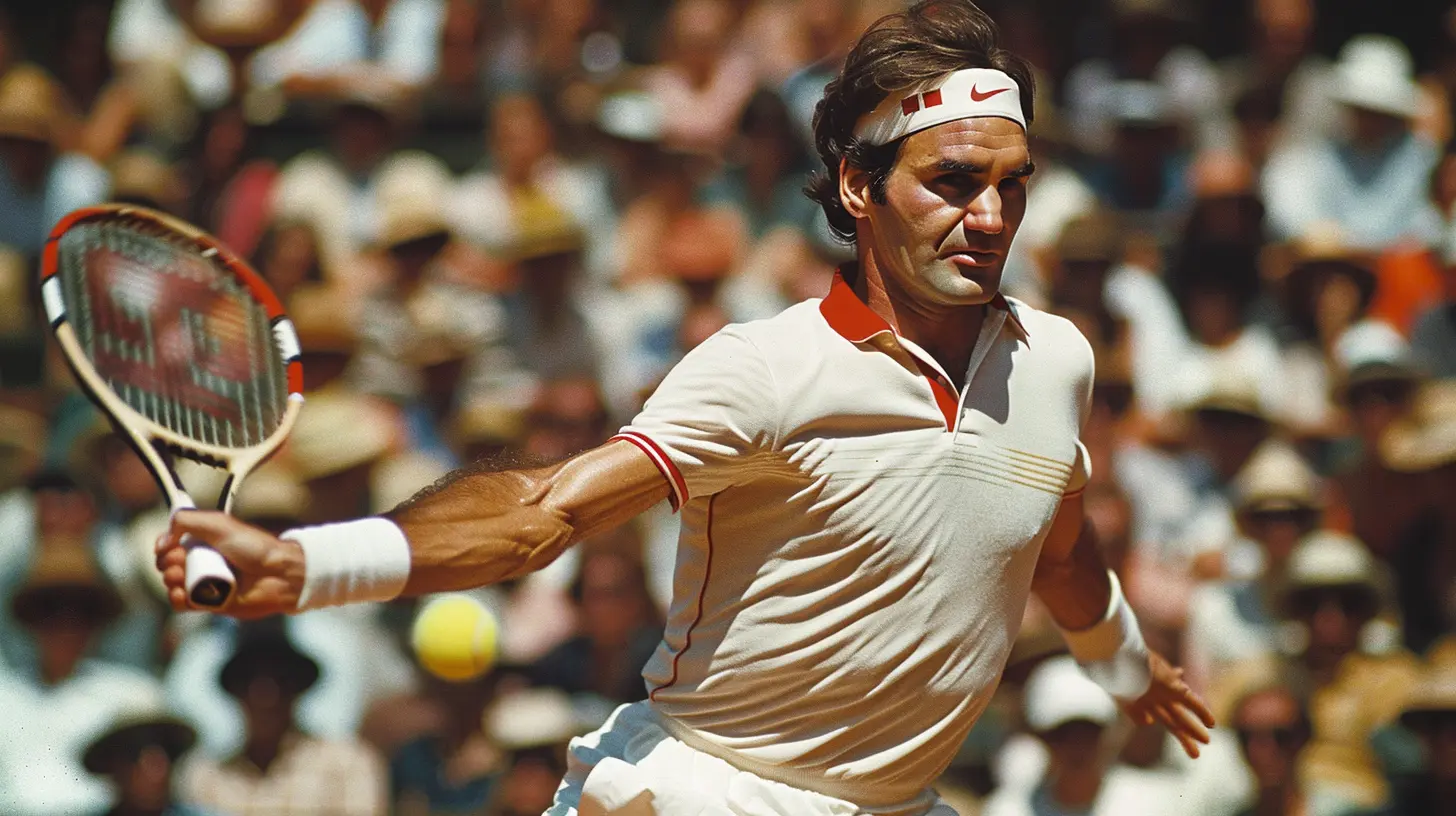
What Was the Golden Age of Tennis?
You might be wondering—what even is the Golden Age of Tennis? Great question.For most tennis fans and historians, this golden era stretches from the 1970s all the way into the early 2000s. It’s the time when the sport gained real global traction, when personalities came out in full force, and when rivalries didn’t just entertain—they defined generations.
Television broadcasts brought the sport into living rooms, transforming players into household names. The drama, the sweat, the rivalries—it all felt larger than life. Think of it as tennis' rock 'n' roll era.
Let’s meet the legends who made it golden.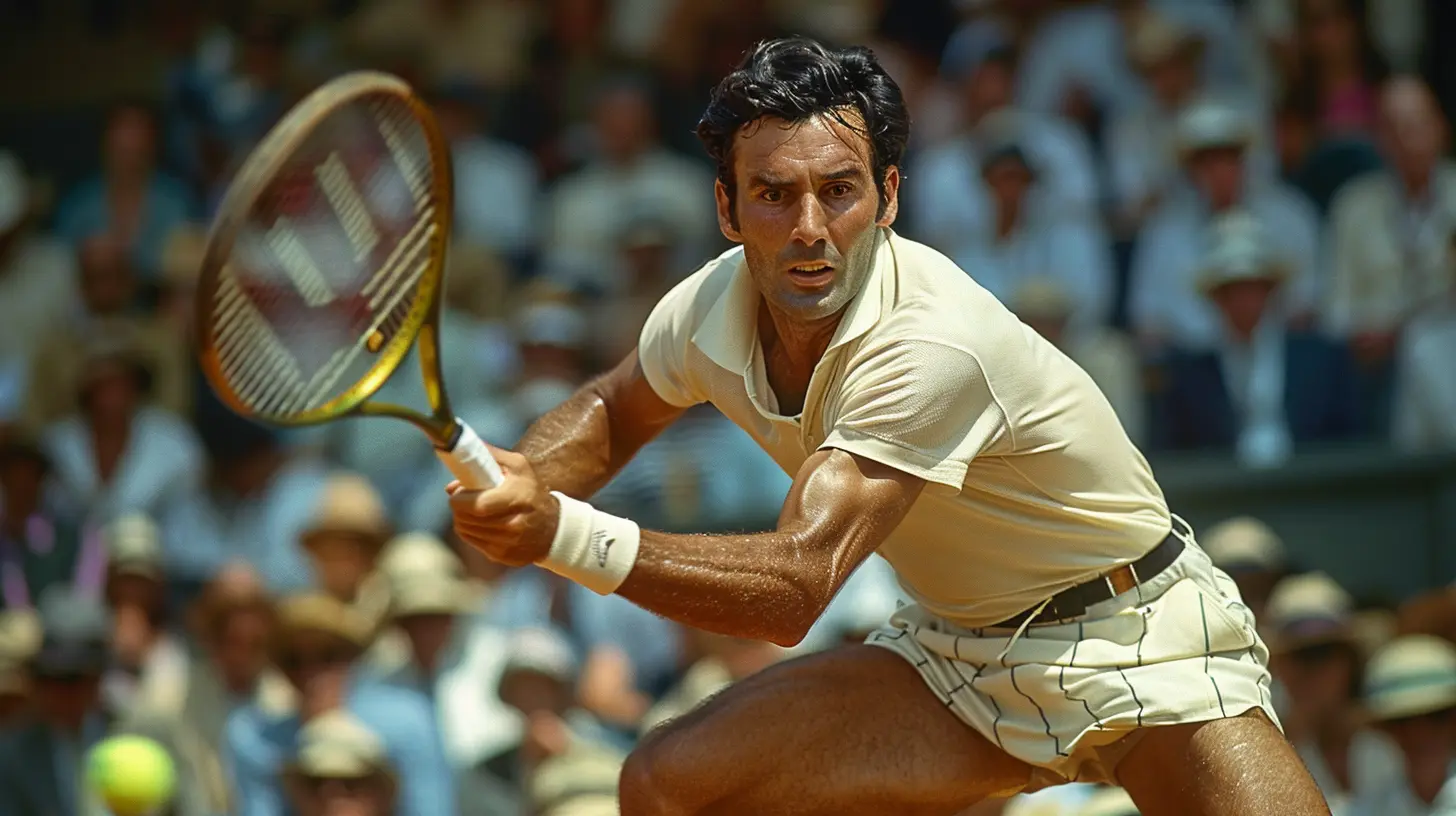
Björn Borg: The Ice Man Who Cooled the Courts
Imagine a player with the calm of a monk yet the intensity of a warrior. That was Björn Borg.Cool Under Pressure
Borg was the original rockstar of tennis. With his long hair, Fila headband, and laser-focused demeanor, he brought a Zen-like vibe to the court. He didn’t shout. He barely showed emotions. But he let his racket do all the talking.A Record Setter
Borg won 11 Grand Slam titles—including five consecutive Wimbledon titles from 1976 to 1980. He also crushed it at the French Open with six wins. His insane topspin-heavy groundstrokes, fitness, and mental toughness were years ahead of their time.Borg walked away from the game at 26—but by then, he had already transformed it.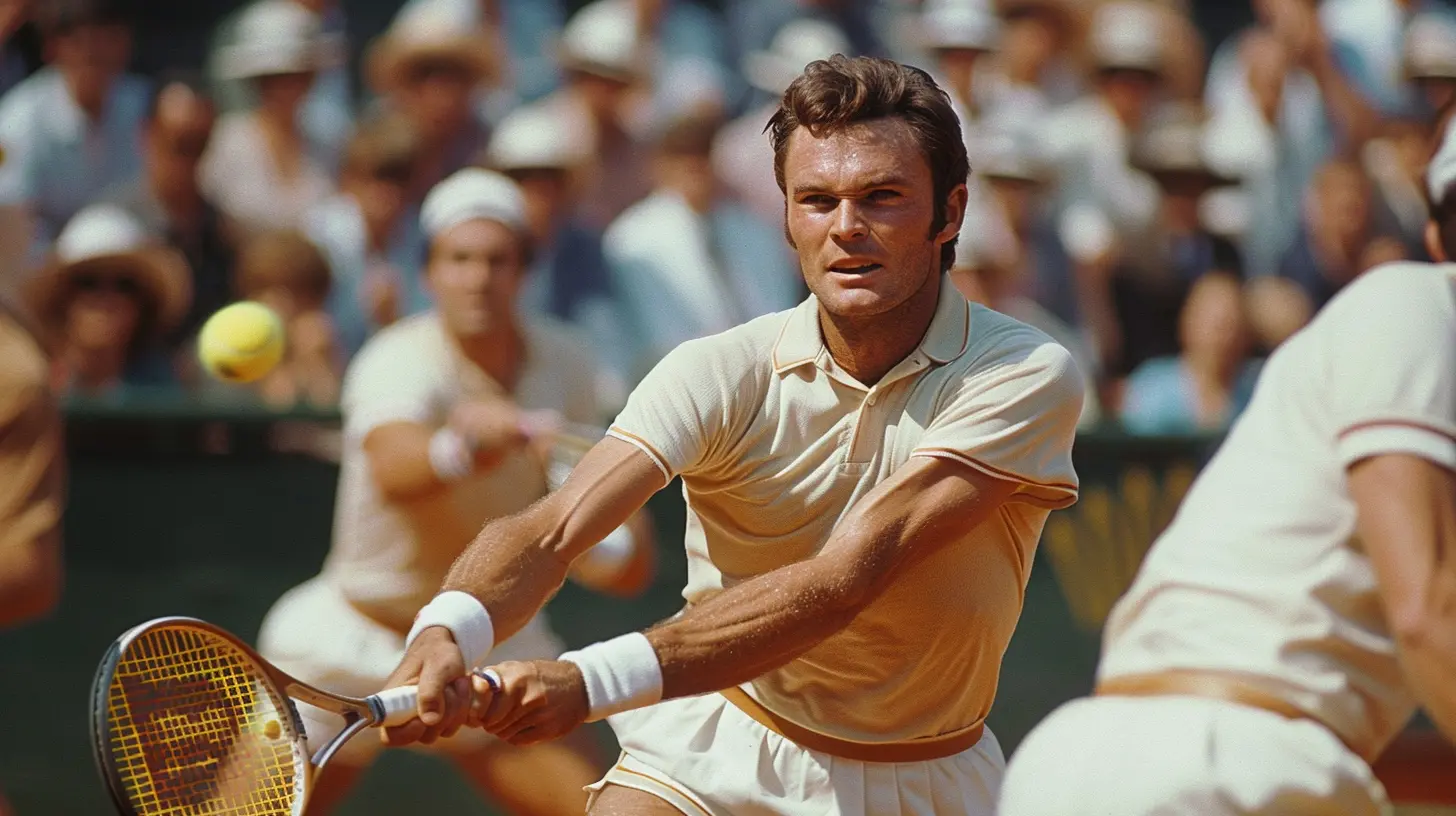
John McEnroe: The Fiery Genius
Now, flip the script entirely, and you get John McEnroe—the passionate, loud, sometimes controversial genius who couldn’t be more different from Borg.Rivalry of the Ages
Borg vs. McEnroe? That was box-office stuff. Their 1980 Wimbledon final is still regarded as one of the most epic matches ever played. It was the Ice Man vs. the Volcano.The Artist with a Volcanic Temper
Sure, McEnroe was infamous for his outbursts (“You cannot be serious!” ring any bells?). But behind the temper was an artist with a racket. His touch at the net, his uncanny anticipation, and his elegant yet unpredictable play redefined serve-and-volley tennis.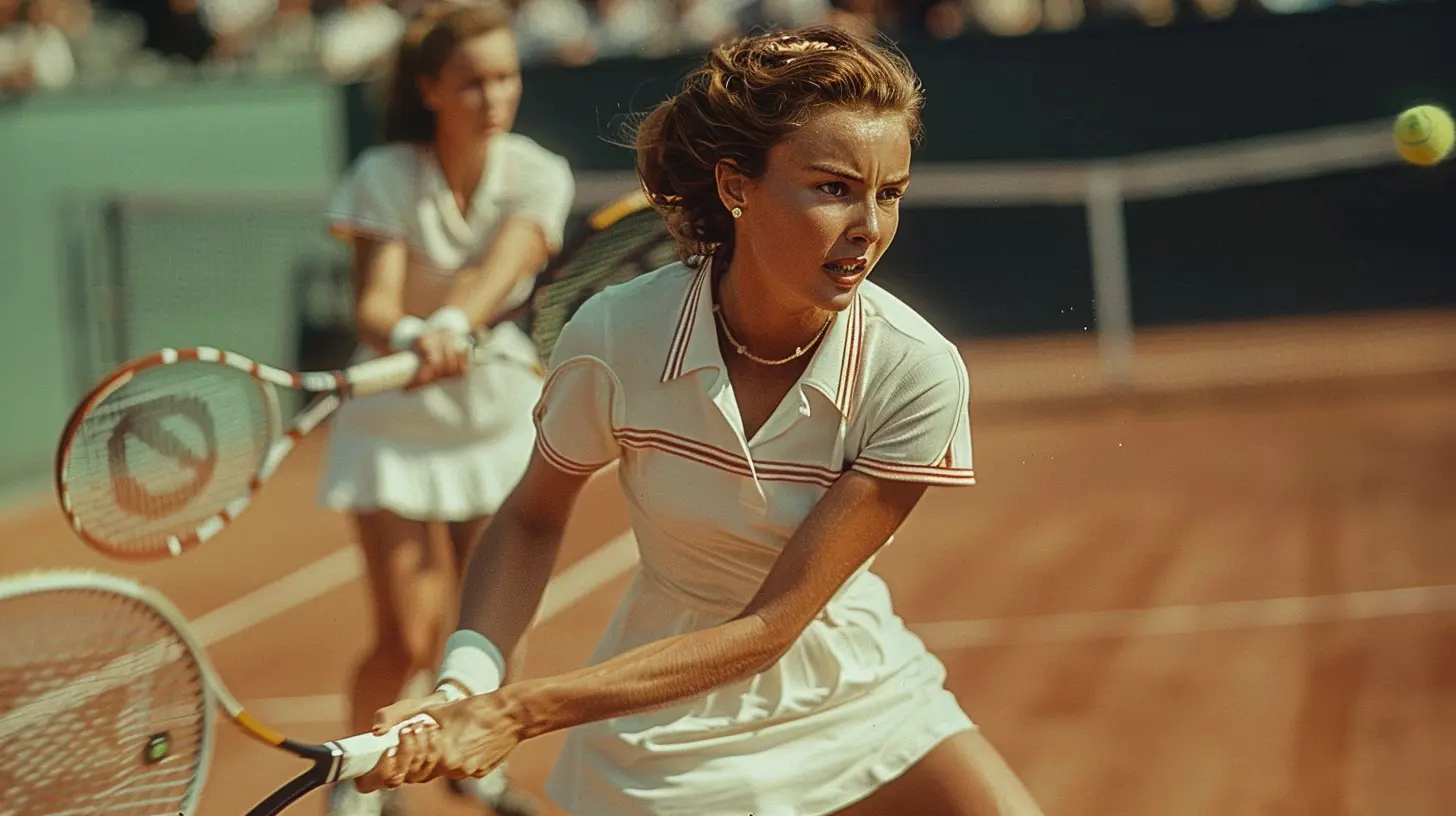
Martina Navratilova: Power Meets Precision
Let’s not forget that The Golden Age was also rich with legendary women—and few shone brighter than Martina Navratilova.The Ultimate Athlete
Martina was a tennis machine. She combined aggressive serve-and-volley play with insane athleticism. Her lefty serve, her movement, her court sense—they were all next-level.An Unmatched Legacy
How about this: 18 Grand Slam singles titles, 31 Grand Slam doubles titles, and 10 mixed doubles titles. She was the first player in the Open Era to win at least nine Wimbledon titles. That’s domination in every sense of the word.Chris Evert: The Ice Queen of Consistency
If Borg was ice, Evert was glacier. Her consistency and calm demeanor made her one of the purest baseline players the game has ever seen.Rivalry Royalty
Her rivalry with Navratilova is one of the greatest in all of sports. They met 80 times, including 14 Grand Slam finals. That’s not a rivalry; that’s a saga.A Masterclass in Precision
Evert’s two-handed backhand and laser-like precision from the baseline were virtually unbreakable. She ended her career with 18 Grand Slam singles titles and a win-loss record that still turns heads today.Andre Agassi: The Comeback King
Remember the guy who played in denim shorts and rocked a bleach-blond mullet? Yeah, that was Agassi.From Rebel to Role Model
Agassi’s journey was wild—a teenage sensation who lost his way, only to come back stronger, fitter, and more focused in his 30s. He gave us drama, emotion, and an unforgettable second act.Career Grand Slam
He’s one of just a few men to complete a Career Grand Slam—that’s winning all four majors at least once. Plus, throw in an Olympic gold medal for good measure.Steffi Graf: The German Wonder
If tennis had a soundtrack during the late ‘80s and early ‘90s, it would’ve been the rhythmic sound of Steffi Graf’s forehand pounding the court.The Calendar Golden Slam
In 1988, Graf didn’t just win all four Grand Slam titles—she also won the Olympic gold medal. That’s called the Golden Slam, and so far, she’s the only one (man or woman) to do it in a single year.Dominance Redefined
She finished with 22 Grand Slam singles titles, and her slicing backhand plus bullet forehand combo was the stuff of nightmares for opponents.Pete Sampras: The Silent Killer
Before Federer came along, Pete Sampras was the king of Wimbledon and the GOAT of the '90s.The Grass Court Jedi
He won seven Wimbledon titles, 14 Grand Slam singles, and delivered second serves that would make your jaw drop. His poker face, clinical serve-and-volley game, and clutch mentality earned him the nickname “Pistol Pete.”Built for Big Matches
Sampras wasn’t flashy, but when the lights shined brightest, he brought his A-game. No one managed the pressure better.Serena Williams: The Final Chapter of the Golden Age?
Some say the Golden Age ended before Serena hit her stride. But let's be honest—can you really talk about tennis greatness without her?Power and Passion
Serena changed the game—literally. Her explosive power, mental resilience, and fighting spirit made her one of the most feared competitors ever.23 Grand Slams (and Counting)
Her record speaks for itself. Serena holds 23 Grand Slam titles in the Open Era, the most by any player—male or female. She’s a cultural icon and arguably the greatest to ever do it.The Golden Rivalries That Made Headlines
Tennis is nothing without rivalries. They add fire, fuel, and friction.Let’s do a quick roll call:
- Borg vs. McEnroe – Cold vs. Hot
- Evert vs. Navratilova – Precision vs. Power
- Sampras vs. Agassi – Class vs. Charisma
- Graf vs. Seles – Dominance vs. Disruption
- Serena vs. Venus – Sisterhood and Supremacy
These weren’t just tennis matches. They were battles of ideologies, personalities, and playing styles.
Why the Golden Age Still Matters
You might be thinking: Cool history lesson, but why does it matter today?Well, it’s like music. To truly appreciate where we are now, you have to vibe with the classics. The Golden Age gave us:
- Techniques that laid the groundwork for modern playstyles
- Mental strategies still used today
- Rivalries that taught emotional and physical resilience
- Role models who broke barriers socially and culturally
These legends raised the bar so high that today’s GOAT debates wouldn’t even exist without them.
The Evolution of Equipment and Fitness
Back in the golden days, players used wooden rackets, wore short shorts, and sipped water instead of protein shakes.Fast forward to now, and you've got high-tech carbon fiber rackets, GPS-tracked coaching, and science-backed nutrition plans. But guess what? Many of the legends thrived without today’s advantages.
That makes their achievements even more impressive. They were artists in an era before high-definition.
Modern-Day Echoes of the Golden Age
Every time you see Federer’s grace, Nadal’s warrior spirit, or Djokovic’s flexibility—you’re witnessing the DNA of the golden legends.Even newcomer stars like Carlos Alcaraz and Iga Świątek carry that legacy forward. The sport keeps evolving, but its soul remains the same.
And that soul? It was carved out by the legends of the Golden Age.
Final Set: Wrapping it Up
The Golden Age of Tennis wasn’t just an era—it was a statement. A bold, brilliant, baseline-to-net saga told by players who lived and breathed passion, rivalry, and perfection.These legends didn’t just win matches—they changed the game. They gave us stories to tell, moments to relive, and reasons to fall in love with tennis all over again.
So next time you watch a tight five-setter under the lights, remember: it all started with heroes who defined the courts like gods walking among mortals.
all images in this post were generated using AI tools
Category:
Sports HistoryAuthor:

Nelson Bryant
Discussion
rate this article
1 comments
Heath Evans
This article beautifully captures the essence of tennis during its golden age. The legends highlighted not only shaped the sport but inspired countless fans around the world. Their incredible talent and fierce rivalries set a standard that continues to influence players today.
July 8, 2026 at 10:34 AM
Nelson Bryant
Thank you! I'm glad you enjoyed the article and appreciate the impact these legends have had on the sport and its fans.