Fighting Fate: Athletes Who Refused to Let Failure Define Them
26 July 2026
Failure is a brutal teacher. It can break spirits, shatter dreams, and leave even the strongest questioning their worth. But in the world of sports—where the spotlight is blinding and the stakes are sky-high—some athletes take that failure, chew it up, and spit it out with grit in their eyes. These are the warriors who stared fate in the face and said, “Not today.”
In this article, we're diving deep into the stories of athletes who didn’t just bounce back—they flipped the script. They refused to let setbacks decide their legacy. Whether they were written off too soon, struck down by injuries, or laughed out of the arena, they fought their way back with heart, hustle, and an unshakable belief in themselves.
So, if you’ve ever felt like life knocked you down one too many times, buckle up. This one’s for you.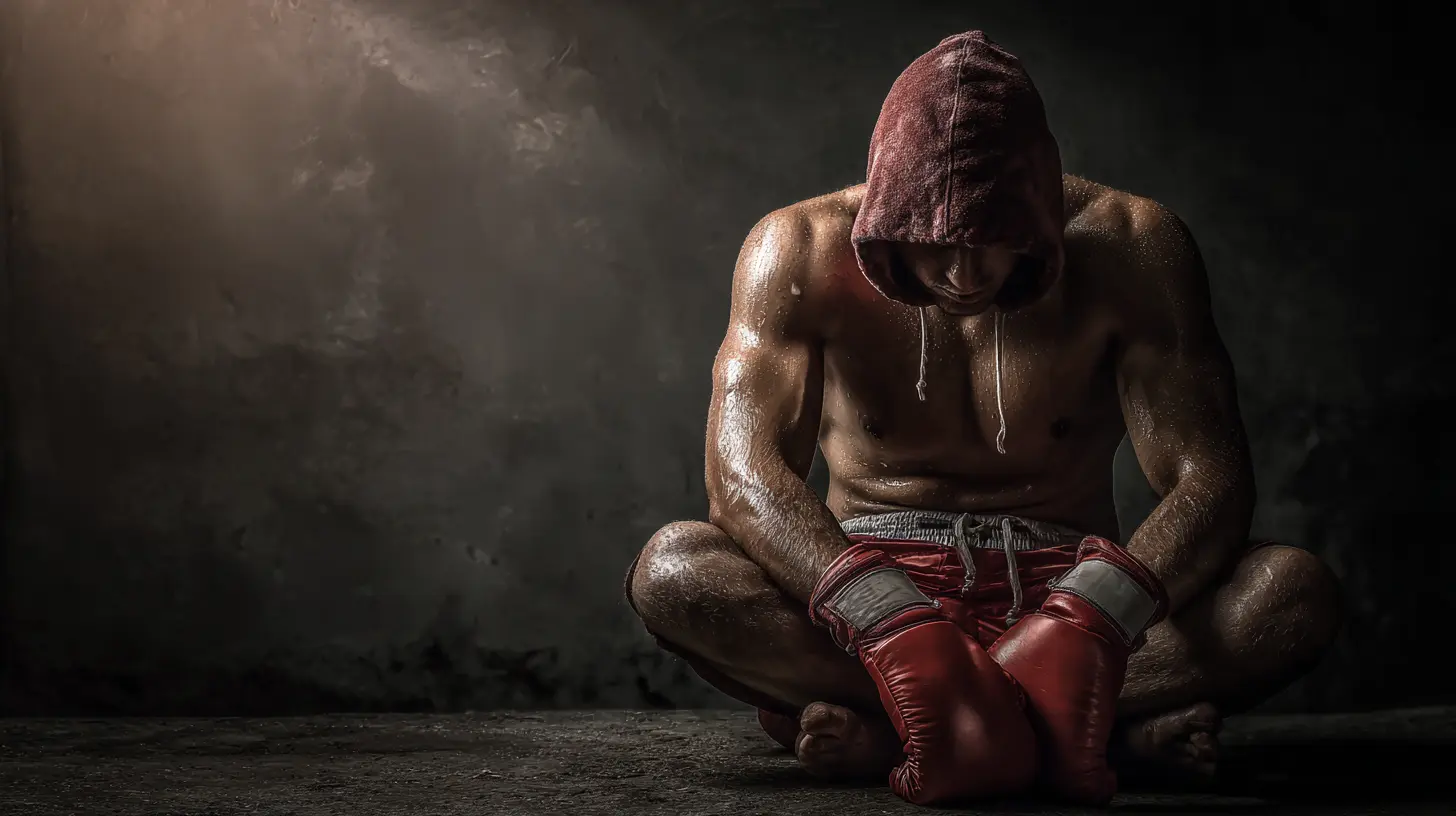
The Fall Doesn’t Define the Finish
Let’s get one thing clear—failure happens to everyone. It's not a sign of weakness. It's not the end. In fact, it's often the beginning of something incredible. Think of it like hitting rock bottom, only to find that rock bottom has solid ground… and you can build from there.Athletes know this better than anyone. They've missed game-winning shots, blown leads, faced public criticism, and endured injuries that would sideline most people for life. But what separates the greats from the rest? It's not talent alone. It's how they respond to failure.
Let’s meet some of these game-changers.
Michael Jordan: Cut from the Team, Crowned King
You probably know this one, but it’s too good not to share again.Michael Jordan—the man, the myth, the NBA legend—was cut from his high school basketball team. Yeah, cut. Can you imagine being the coach who passed over MJ?
But instead of sulking, Jordan used that setback as rocket fuel. He trained harder, pushed further, and never looked back. That cut lit a fire inside him. Fast forward a few years, and he's winning six championships, five MVP awards, and becoming a global icon.
The message? Sometimes the world doubts you before you even get started. That's your cue to prove them wrong.
Serena Williams: From Injury to Immortality
Serena Williams doesn’t just play tennis—she owns it.But it hasn’t always been smooth sailing for her. After dominating the early 2000s, Serena faced major health scares, including a pulmonary embolism that nearly ended her career in 2011. Most athletes would call it quits. But not Serena.
She came back stronger, winning Grand Slams well into her 30s (an age when most tennis players are retired or fading). Through it all, she battled injuries, criticism, and the weight of living up to her own greatness.
Serena reminds us that greatness isn't just about talent—it's about resilience.
Tom Brady: The Overlooked Underdog
Tom Brady didn’t walk into the NFL wearing a crown. He wasn’t some top pick with scouts drooling over his stats. In fact, he was the 199th pick in the 2000 draft. Let that sink in.Six quarterbacks were picked before him.
But Brady didn’t care. He used every slight, every doubt, every "you're not good enough" as motivation. The result? Seven Super Bowl wins, countless records, and a career that redefined what it means to be a quarterback.
And let's not forget—he did all this while everyone kept waiting for him to fall off a cliff after 30. Spoiler alert: He didn't.
Bethany Hamilton: Shark Attack Survivor to Surfing Sensation
Imagine losing an arm to a shark at age 13. For most people, that would be the end of any athletic dream. But Bethany Hamilton isn’t most people.Less than a month after the attack, she was back in the water. And not just paddling around—she was competing. She had to re-learn how to balance, how to paddle, how to surf with one arm. And she did it like a champ.
Bethany’s story isn’t just about survival. It’s about comeback. It’s about having the heart to stare down fear and paddle back out when the waves are crashing hard.
Derek Redmond: Limping to Glory in the 1992 Olympics
This one hits you in the feels.Derek Redmond, a British sprinter, had dreams of Olympic gold. But during the 400-meter semifinal in Barcelona, he tore his hamstring mid-race. Most athletes would collapse in agony. Game over.
But Derek got up.
Limping, crying, and determined as ever, he started hobbling toward the finish line. Suddenly, his father rushed from the stands, wrapped an arm around him, and helped him finish the race.
He didn’t win gold, but he won our hearts. Sometimes, finishing is more powerful than winning.
Simone Biles: Choosing Mental Health Over Medals
In a bold move that shocked the world, Simone Biles—arguably the greatest gymnast of all time—pulled out of multiple events during the 2020 Tokyo Olympics. Not because of injury, but to protect her mental health.She faced a storm of criticism and praise alike. But her message was clear: "I am more than my sport."
In a world that often glorifies pushing through pain, Simone showed us the strength in stepping back. She reminded us that protecting yourself isn’t weakness—it’s wisdom.
And guess what? She came back strong, adding more medals to her already stacked resume.
Tiger Woods: From Top to Rock Bottom and Back Again
Tiger Woods was on top of the world in the early 2000s. Then came the scandals, the injuries, the surgeries, and a fall from grace so steep that even fans doubted he’d ever return.But Tiger doesn’t know how to quit.
In 2019, he did the unthinkable—he won The Masters. After over a decade of setbacks, surgeries, and tabloid chaos, he stood back on top, emotional and triumphant.
It wasn’t just a win—it was a resurrection.
Why These Stories Matter
You might not be chasing Olympic gold or Super Bowl rings, but the lessons here are universal.- Failure isn’t fatal.
- Setbacks don’t have to stop you.
- The comeback is always stronger than the setback.
These athletes didn’t let their worst moments define their story. Instead, they used them as turning points. Like plot twists in a movie that suddenly change everything.
So, what’s stopping you from doing the same?
What We Can Learn from These Champions
Here’s the thing—success isn’t about avoiding failure. You will mess up. You will get knocked down. What matters is what you do next.These takeaways are worth engraving on your mental whiteboard:
1. Own your losses. Every L is a lesson.
2. Stay hungry. Let doubt drive you, not derail you.
3. Train your mind. Physical strength is great. Mental toughness? Unstoppable.
4. Surround yourself with supporters. Even champions need shoulders to lean on.
5. Keep showing up. Even when it’s hard. Especially when it’s hard.
Final Whistle Thoughts
Life’s going to tackle you. That’s a given. But whether you stay down or get back up? That’s your choice.The athletes we looked at today didn’t just fight fate—they rewrote it. They took the pen from the critics, the doubters, and even their past selves, and wrote new chapters full of victories, big and small.
So next time you stumble, think of Serena serving up greatness after injury. Think of Brady outsmarting every doubt. Think of Bethany catching waves with one arm and a warrior’s heart.
Because maybe, just maybe, your failure isn’t the end of the story.
It’s the beginning of your comeback.
all images in this post were generated using AI tools
Category:
Comeback StoriesAuthor:

Nelson Bryant
Discussion
rate this article
1 comments
Riff Perez
What an inspiring read! These athletes show that setbacks are just stepping stones. Keep pushing forward and embrace the journey... you got this!
July 28, 2026 at 3:09 AM
Nelson Bryant
I'm glad you found it inspiring! These athletes truly embody resilience. Thanks for reading!