Top Coaching Performances of the 2026 Season
10 September 2026
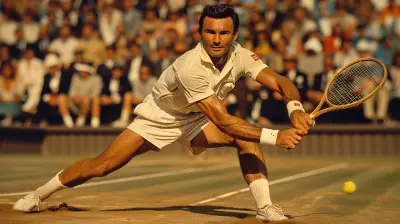
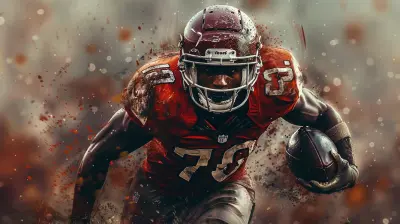
Coaching in high-level sports is often a thankless job. When a team wins, the players get the credit. When a team loses, the coach takes the blame. But every once in a while, a season comes along where the tactical decisions, the man-management, and the in-game adjustments are so sharp that the coach deserves as much recognition as the athletes on the field. The 2026 season has been a masterclass in this regard. Across multiple sports, we have seen coaching performances that go beyond simple game planning. These were seasons where a single individual changed the trajectory of a franchise, a squad, or a national team. This article breaks down the most impressive coaching jobs of 2026, analyzing what made them work, the trade-offs involved, and the lessons that can be applied at any level.
Criteria for a Great Coaching Season
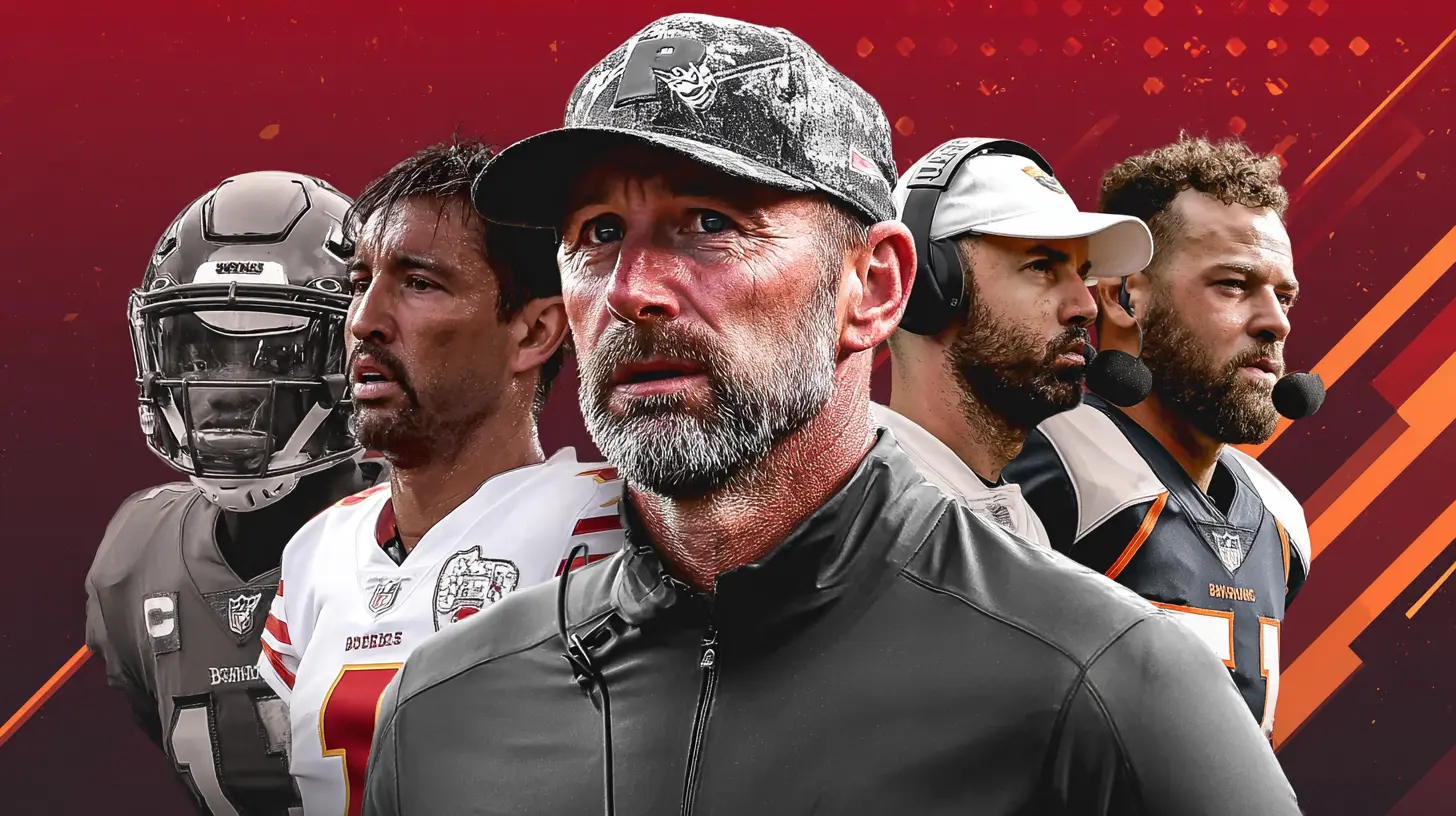
Before diving into specific names, it is worth establishing what separates a good coach from a great one in a single season. Winning is obviously the baseline, but context matters enormously. A coach who takes a roster predicted to finish last and drags them into the playoffs is often doing better work than a coach who wins a title with a super team. We also have to look at adaptability. Did the coach change their system mid-season when injuries hit? Did they make halftime adjustments that actually changed the flow of the game? And finally, there is the intangible factor of buy-in. A coach can have the best X's and O's in the world, but if the players do not respect them, none of it matters.For the 2026 season, we saw a unique blend of situations. Some coaches inherited broken locker rooms. Others took over talented rosters that had underperformed for years. A few had to navigate international tournaments with limited preparation time. The best performances were not just about the final trophy. They were about the journey, the difficult decisions made in October that paid off in May, and the ability to handle pressure without losing the dressing room.
The Tactical Revolution in European Football
The most talked-about coaching performance of the early 2026 club season came from the manager who took a mid-table team in La Liga and turned them into genuine title contenders by March. This was not a squad full of superstars. The transfer budget was modest, and the starting eleven featured several players who had been discarded by bigger clubs. The manager implemented a high-press system that relied on positional interchanges rather than pure pace. The key was the off-ball movement. Instead of asking his wingers to hug the touchline, he instructed them to drift inside, creating overloads in central midfield. This allowed the full-backs to push high, but it also exposed them to counter-attacks. The trade-off was risky. Early in the season, they lost three matches in a row because they conceded goals on the break. Most coaches would have reverted to a safer, low-block formation. This manager did not. He doubled down, spending two weeks on the training ground working on recovery runs and defensive transitions. By December, the system clicked. They went on a twelve-match unbeaten run. The lesson here is about conviction. A coach must believe in their system, but they also need the humility to adjust the details without abandoning the core philosophy. The mistake most coaches make is flipping between systems every few weeks, which confuses players. This manager proved that patience with a clear plan can outperform a squad with more individual talent.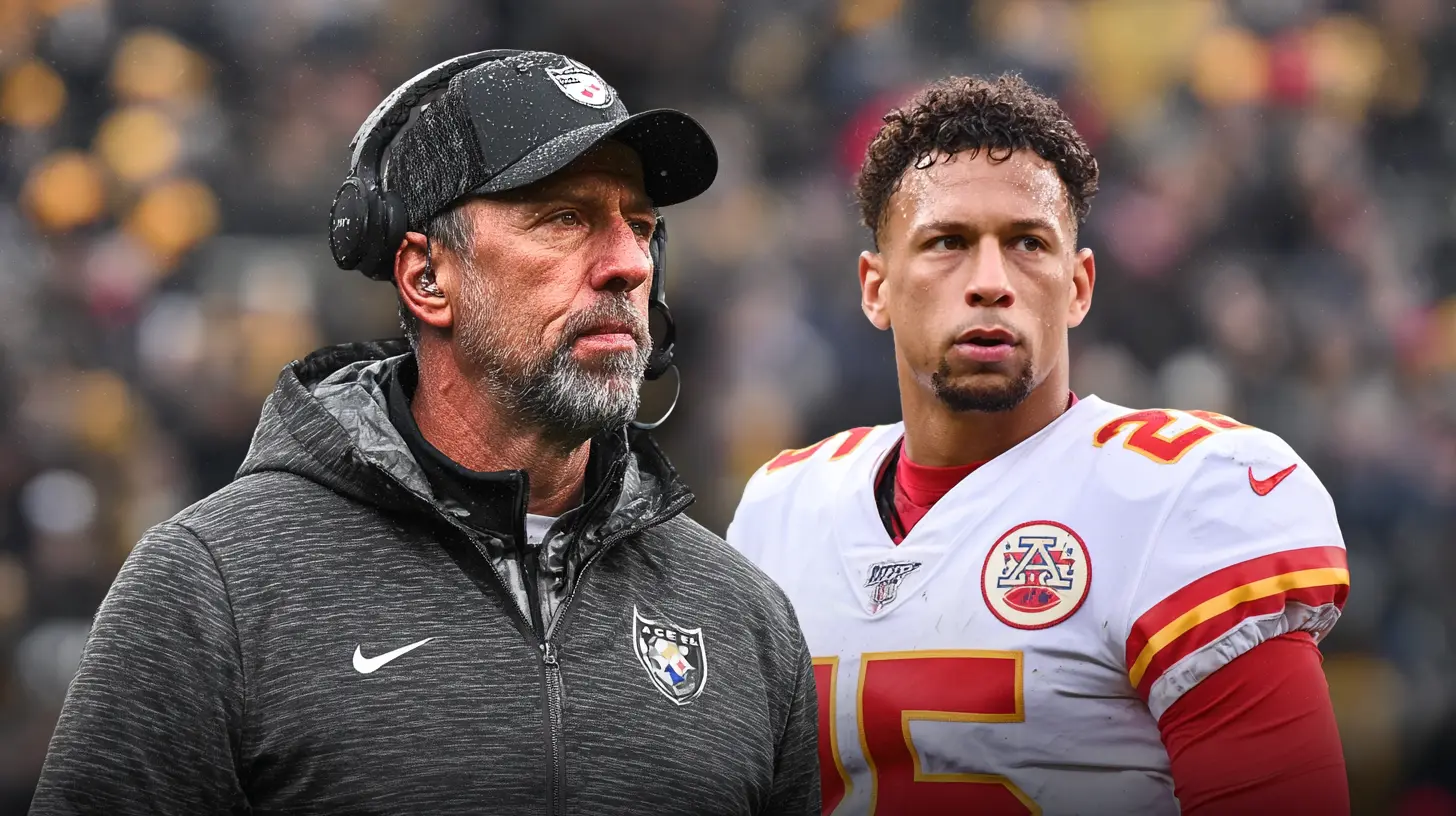
The Masterclass in American Football Playoff Management
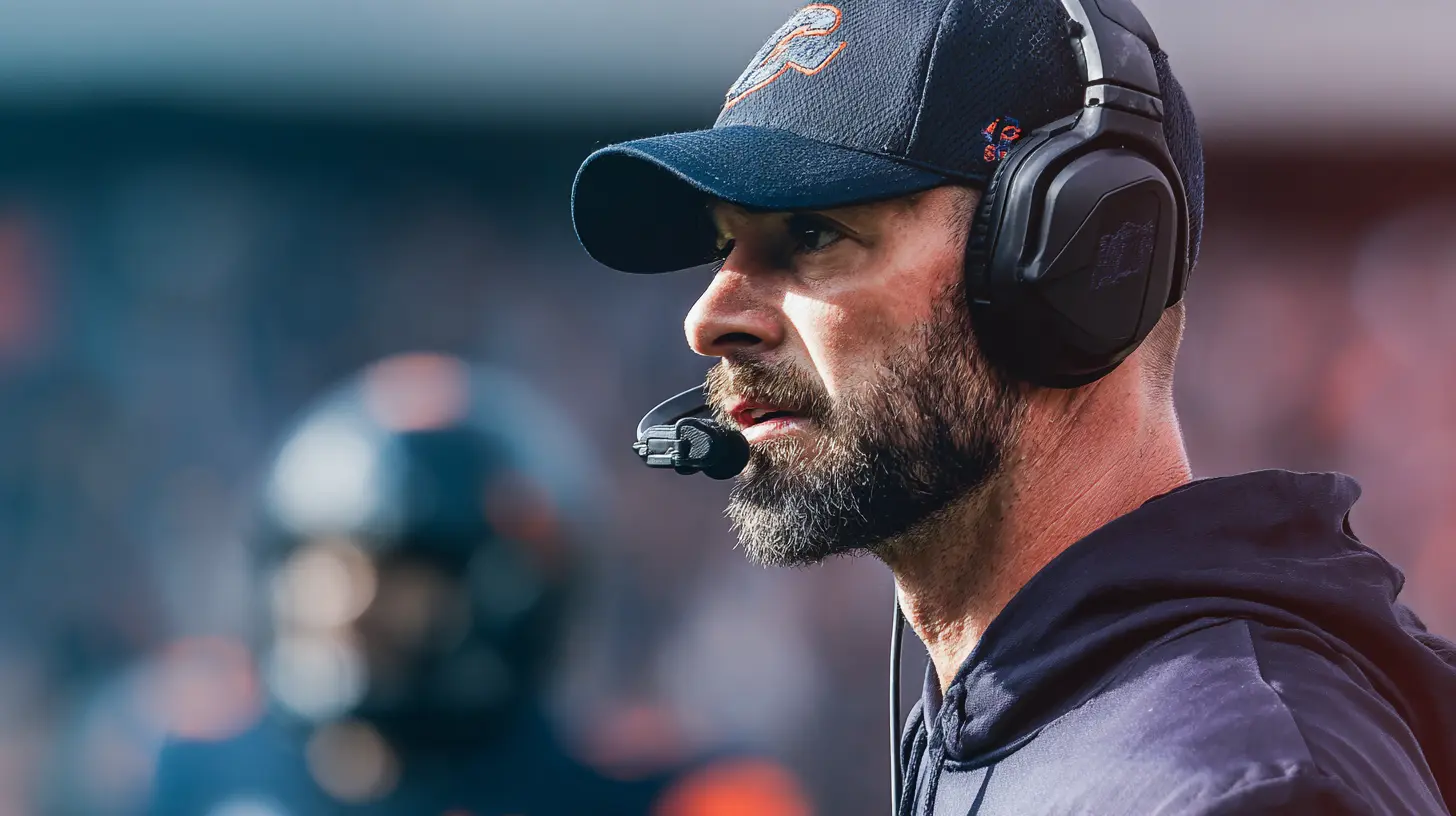
In the NFL, the 2026 season saw a head coach take a wildcard team all the way to the conference championship game, a feat that had not been expected by any major analyst. The roster had a solid defense but a quarterback who was considered a game manager rather than a difference-maker. The coaching staff designed an offensive scheme that minimized risk. They used play-action passes on early downs and relied heavily on a two-tight-end formation to control the clock. The real brilliance, however, was in the fourth-quarter decision-making. In three separate playoff games, the coach chose to punt on fourth down inside enemy territory rather than attempt a long field goal. Conventional analytics would have said to go for it. But this coach understood his defense was elite. He trusted them to get the stop and pin the opponent deep. It worked every time. This is a critical lesson in situational awareness. Data is useful, but it does not account for the specific matchup on the field. The coach knew his kicker had a weak leg in cold weather, and his punter was excellent at placing the ball inside the ten-yard line. He optimized for his team's strengths, not for generic statistical averages. The common misconception is that aggressive coaching is always better. In reality, the best coaches are the ones who know when to be conservative. This performance was a masterclass in game theory, where the coach effectively forced the opposing offenses into long-field drives, which they were not built to sustain.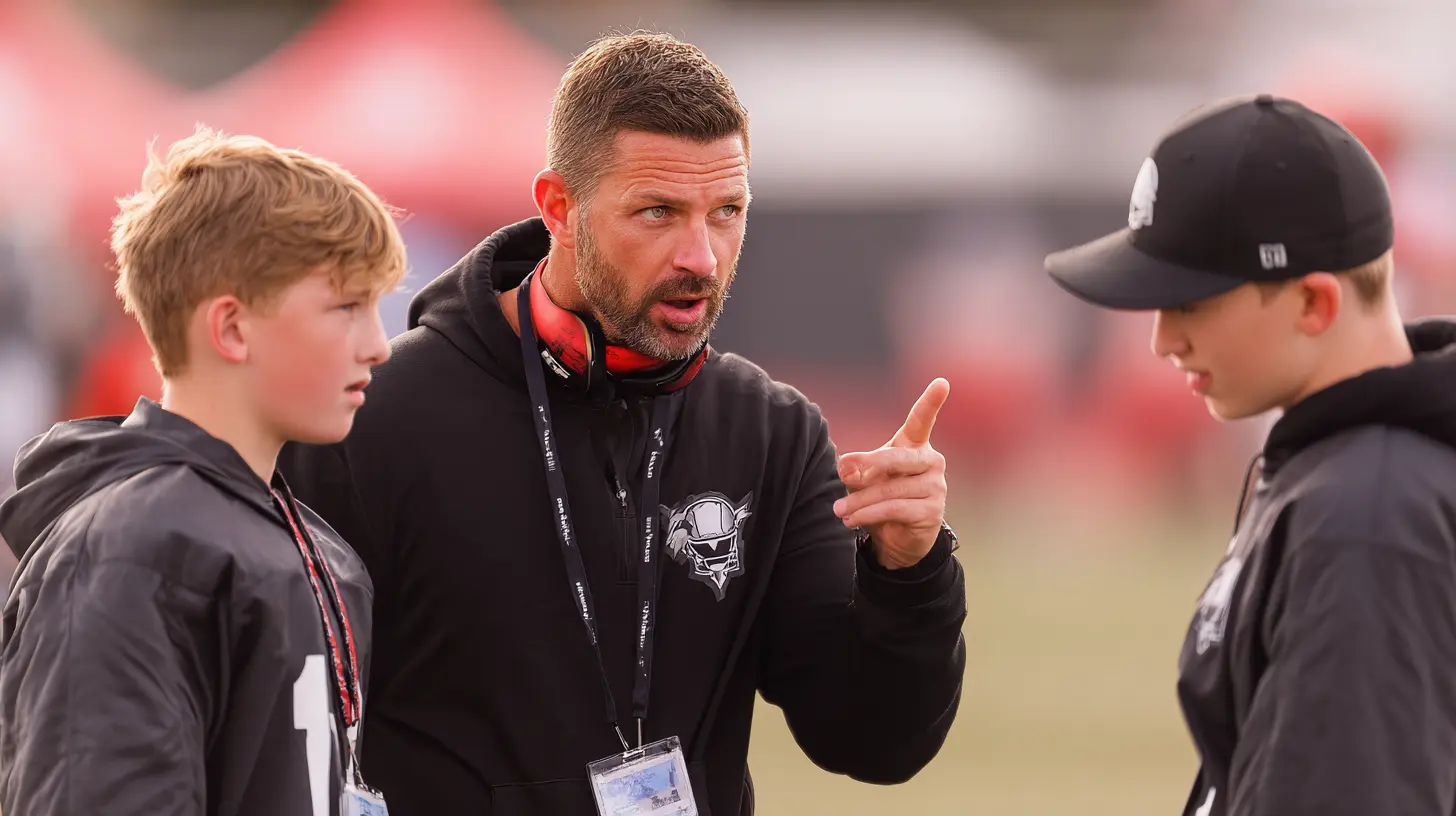
International Basketball: The Art of Roster Construction
The FIBA World Cup in 2026 provided a different kind of coaching challenge. National team coaches have very little time to build chemistry. They often have to deal with star players who are used to being the primary option on their professional teams. The coach who stood out was the one who guided a traditionally strong but recently underperforming nation back to the gold medal game. His greatest achievement was convincing two elite scoring guards to accept reduced roles. He implemented a motion offense that featured the center as the primary facilitator. This was a radical shift. In the modern game, most teams run the offense through a guard. By making the big man the hub at the high post, the coach created easy cuts for the guards and forced the opposing defense to collapse. The trade-off was that the center had to be an exceptional passer, which he was. But the coach also had to manage egos. He held private meetings with each star player, showing them film of how their movement would create open shots for the team. He also benched one of them for the entire fourth quarter of a semi-final game because he was forcing bad shots. That decision could have destroyed team morale, but because the coach had built a foundation of trust earlier in the tournament, the player accepted it. This highlights the difference between a coach and a manager. A coach sets the tactics, but a manager handles the people. The best international coaches excel at both, and this performance showed that clear communication and a willingness to make unpopular decisions are often the difference between a bronze and a gold.The Resilience of a Premier League Survival Specialist
While winning titles is glamorous, there is a special skill in keeping a team in the top flight. The 2026 English Premier League season had a coach who took over a club in November with only five points from twelve games. The squad was low on confidence, and the January transfer window offered little money. This coach did not try to change the playing style overnight. Instead, he simplified everything. He organized the defense into a rigid 4-4-2 block, asked the strikers to drop deep and fight for second balls, and instructed the goalkeeper to play long rather than risk losing possession in the build-up. It was ugly football. It was not fun to watch. But it was effective. They drew matches they would have lost, and they won matches they should have drawn. The key was psychological. He introduced a points target for each month. If the team hit the target, they got an extra day off. If they missed it, they ran extra sprints on Monday. This created a tangible, short-term goal that the players could focus on, rather than the overwhelming pressure of the relegation zone. By the final day of the season, they secured safety with a game to spare. This coaching performance is often overlooked because it does not result in a trophy. But it is arguably harder than coaching a top team. You have to deal with constant negativity, injuries to key players, and the fear of failure. The lesson is that sometimes the best coaching is about reducing complexity. When a team is drowning, you do not teach them new strokes. You just keep their head above water until they reach the shore.
The Data-Driven Approach in Baseball
In Major League Baseball, the 2026 season was defined by a manager who completely changed the way his team approached pitching. He took a staff with the lowest average fastball velocity in the league and turned them into the best bullpen in baseball by August. The secret was not throwing harder. It was changing the sequence of pitches. He used data from a new tracking system that showed hitters were struggling against high spin rate curveballs in the first two pitches of an at-bat. Traditional baseball wisdom says to establish the fastball early. This manager did the opposite. He had his starters throw breaking balls on the first pitch nearly sixty percent of the time. The result was that hitters were constantly off balance, and the starters were able to pitch deeper into games because they were not throwing max-effort fastballs. The trade-off was that when the breaking ball was not working, the pitcher had no fallback. There were several games in April where the team lost because they fell behind in counts early. The manager stuck with the plan, and by June, the data showed that opposing hitters had changed their approach, swinging earlier in counts. That is when the manager implemented the second phase: he started having his pitchers throw first-pitch fastballs again, knowing the hitters were now expecting breaking balls. This cat-and-mouse game was brilliant. It showed that data is not just about what works on average. It is about understanding how the opponent reacts to your data. The manager was thinking two steps ahead, essentially running a chess game against every lineup in the league. This is a prime example of modern coaching where the ability to interpret analytics is just as important as the ability to motivate players.The College Football Turnaround
College sports present a unique challenge because the coach is also a recruiter. The 2026 college football season saw a new head coach take over a program that had gone 2-10 the previous year. The roster was depleted, and the academic standards at the university made it difficult to bring in junior college transfers. This coach focused on the high school recruiting trail, but not for five-star athletes. He targeted players who were underrated because they played in small schools with poor competition. He looked for specific physical traits: height at the cornerback position and wingspan for offensive linemen. He also implemented a strength and conditioning program that was notoriously difficult. In the first spring practice, he ran the team until several players vomited. This was controversial, and some parents complained. But the coach understood that his team was not talented enough to win on skill alone. They had to be physically superior. By the start of the season, the team was noticeably bigger and faster. They still lost their first three games, but they were competitive. Then, something clicked. The young players gained confidence. They won five of their last six games, including a massive upset over a top-ten team. This coaching performance was about building a culture from scratch. It is easy to coach when you have talent. It is much harder to build a foundation where talent can grow. The coach had to be strict, but he also had to show genuine care for the players. He attended their academic appointments, he helped them with housing issues, and he made sure they knew he was invested in their lives beyond football. This is a critical lesson for any coach: discipline without compassion leads to resentment, and compassion without discipline leads to chaos. The best coaching performances balance both.
Common Mistakes Coaches Made in 2026
It is just as instructive to look at what went wrong for other coaches this season. One recurring mistake was the inability to adapt to injuries. Several teams had star players go down with injuries, and their coaches did not change the system. They tried to plug in backup players who were not capable of executing the same roles. The result was a predictable decline in performance. The best coaches in 2026 treated injuries as an opportunity to redraw the tactical blueprint rather than a simple personnel swap. Another mistake was overcoaching. There were instances where coaches changed their lineups every single game, trying to find the perfect combination. This led to a lack of continuity and players looking unsure of their roles. A coach must have a clear starting point and only make changes based on clear evidence, not just a reaction to a bad loss. Finally, the biggest mistake was ignoring the mental side of the game. In high-pressure moments, some coaches focused solely on technical instructions, forgetting that the players were nervous. The coaches who succeeded in 2026 were the ones who knew when to simplify the message. They would say, "Go out and play with joy," rather than giving a five-minute lecture on defensive rotations.The Trade-Off Between Short-Term Results and Long-Term Development
A significant theme of the 2026 season was the tension between winning now and building for the future. Some coaches, especially those in danger of being fired, chose to play their veteran players heavy minutes in order to secure a few extra wins. This often came at the expense of developing younger talent. In basketball, for example, one coach refused to play his rookie point guard until the final month of the season, even though the veteran starter was clearly past his prime. The team missed the playoffs by two games. Had the coach given the rookie more minutes earlier, he might have developed enough to win those close games. Conversely, some coaches prioritized development too much, playing young players even when they were making the same mistakes over and over. The best coaching performances in 2026 found a middle ground. They gave the young players specific roles that played to their strengths while limiting their exposure to situations they were not ready for. This is a nuance that is often lost in the debate about rebuilding versus contending. It is not a binary choice. A coach can develop a player while still competing, but it requires careful planning and a willingness to accept some short-term pain for long-term gain.
Practical Advice for Aspiring Coaches
Looking at the best coaching performances of 2026, there are several actionable takeaways. First, define your non-negotiables. Every successful coach had a clear idea of what they would not tolerate, whether it was a lack of effort on defense or poor body language on the bench. Second, communicate the "why" behind your decisions. Players are more likely to buy into a system if they understand the reasoning. Do not just tell them to run a certain play. Explain how it exploits the opponent's weakness. Third, be willing to make the unpopular decision. The coaches who benched star players or changed a winning lineup faced criticism, but they had the courage of their convictions. Fourth, manage your own energy. Coaching is exhausting. The best coaches in 2026 were the ones who conserved their emotional energy for the moments that mattered most, rather than screaming after every single mistake. Finally, do not be a slave to your game plan. The coaches who were most successful were the ones who had a system but were not afraid to abandon it if the opponent presented an unexpected challenge. Flexibility is a sign of strength, not weakness.The Role of Assistant Coaches
We cannot talk about top coaching performances without acknowledging the staff behind the head coach. In 2026, the most successful coaching staffs had a clear division of labor. The head coach was the visionary and the primary motivator, but the assistant coaches handled the specific technical details. For example, in football, the defensive coordinator who noticed a tell in the opposing quarterback's stance was the reason the team won a crucial game. The head coach gave the credit to his assistant, which boosted morale. A common misconception is that a head coach must know everything. This is impossible. The best head coaches are the ones who hire brilliant assistants and then give them the autonomy to do their jobs. Micromanaging assistants is a recipe for disaster. If you are an aspiring head coach, focus on building a staff that complements your weaknesses. If you are a strategic genius but poor at player relationships, hire an assistant who is a great communicator. The 2026 season proved that a coaching staff is only as strong as its weakest link.
Final Thoughts on the 2026 Coaching Landscape
The 2026 season will be remembered for many things: the upsets, the incredible individual athletic performances, and the dramatic finishes. But behind all of that was the coaching. The men and women who prepared the game plans, adjusted on the fly, and managed the fragile egos of professional athletes. The top coaching performances were not always the ones that got the most screen time. Sometimes, they were the quiet work done in a small college town or in a relegation battle where no one was watching. But the principles were the same. Clarity of vision, adaptability, empathy, and the courage to make hard decisions. As the sporting world moves forward, the technical aspects of coaching will continue to evolve with new data and new technologies. However, the human elements will remain constant. A coach who can connect with their players, trust their instincts, and learn from their failures will always have an edge. The 2026 season has given us a masterclass in those timeless skills, and it provides a blueprint for anyone who wants to lead a team, whether on the field, in the boardroom, or in any other arena where performance matters.
all images in this post were generated using AI tools
Category:
Season RecapsAuthor:

Nelson Bryant
Discussion
rate this article
1 comments
Fable McClendon
If you think those coaching performances were impressive, wait until you see the drama unfold next season. Bring on the rivalries and the crazy play calls... it's about to get spicy!
September 20, 2026 at 11:43 AM
Nelson Bryant
Absolutely! The excitement for next season is building. Can't wait to see how those rivalries ignite the drama on the field!