Common Skateboarding Injuries and How to Avoid Them
2 May 2026
Skateboarding is more than just a sport—it’s a lifestyle. Whether you're hitting your local skatepark to land your first ollie or bombing hills like a seasoned pro, one thing that skaters of all levels eventually face is injury. Yep, it’s an unavoidable part of this rad world. But the good news? Most common skateboarding injuries are totally preventable if you're armed with the right knowledge and a little bit of common sense.
So, let’s break it down. We'll talk about the injuries that pop up the most, why they happen, and how you can avoid turning your next session into an unplanned trip to the ER. Sound good? Let’s roll.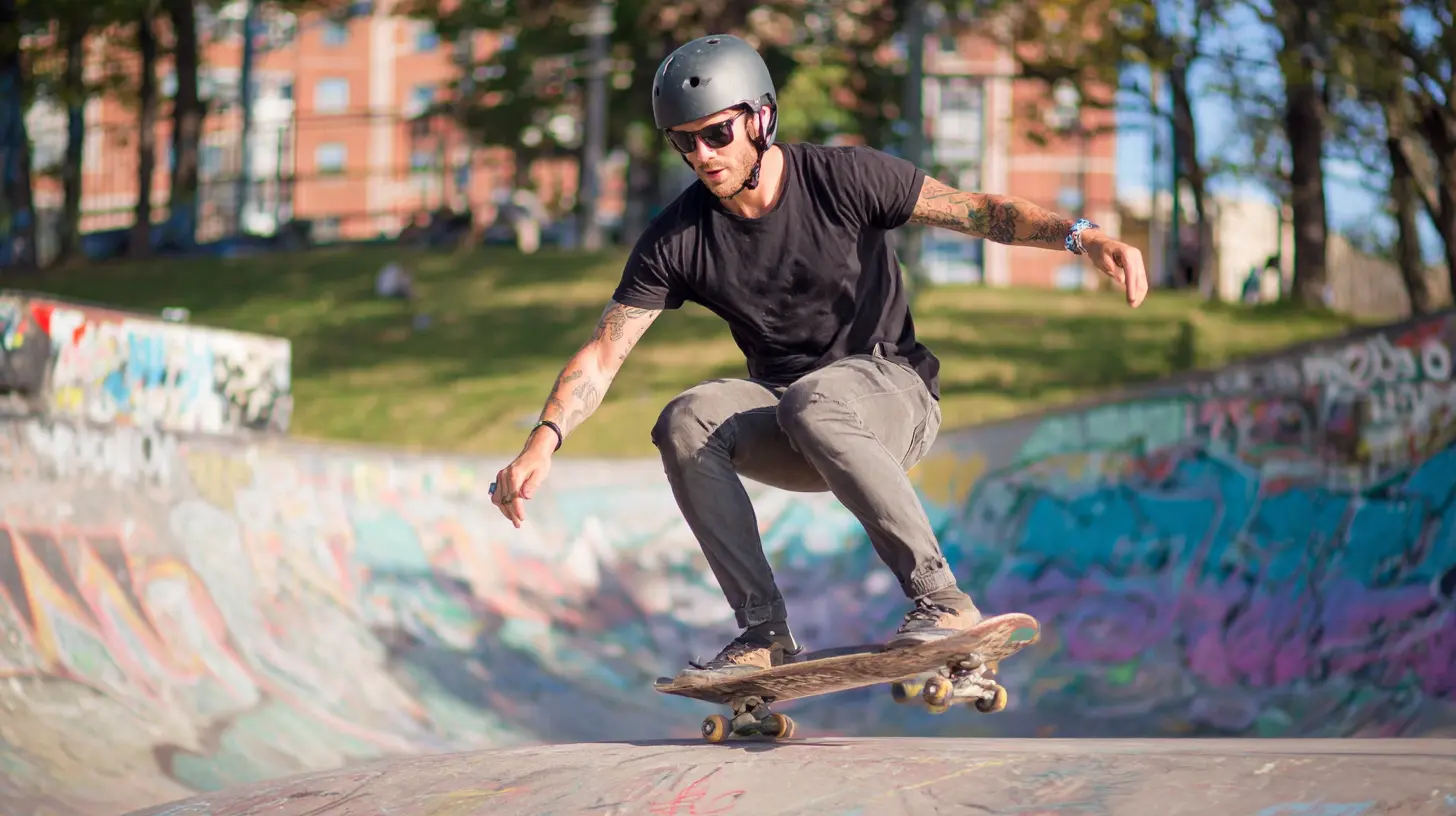
Table of Contents
1. Why Do Skateboarding Injuries Happen?2. The Most Common Skateboarding Injuries
- Head Injuries
- Wrist Fractures
- Ankle Sprains and Breaks
- Knee Injuries
- Road Rash
- Shin Scrapes and Bruises
3. How to Avoid Skateboarding Injuries
- Gear Up: Protective Equipment That Actually Works
- Master the Basics Before Going Big
- Know Your Terrain
- Stretch It Out – Seriously
- Learn to Fall (Yes, That’s a Skill)
- Stay Out of Your Head
4. When to See a Doctor
5. Final Thoughts

Why Do Skateboarding Injuries Happen?
Before we jump into cuts, bruises, and broken bones, let’s talk about the "why."Honestly, skateboarding is a physically intense activity. It requires balance, timing, coordination, and lightning-fast reflexes. Add gravity into the mix, and things can go south real quick. You’re riding a small piece of wood on wheels—what could possibly go wrong?
A lot, actually. Most injuries come from:
- Loss of balance
- Improper landings
- Attempting tricks beyond your skill level
- Skating without protective gear
- Not paying attention to surroundings
Sound familiar? We’ve all been there. The key is recognizing the risks and knowing how to outsmart them.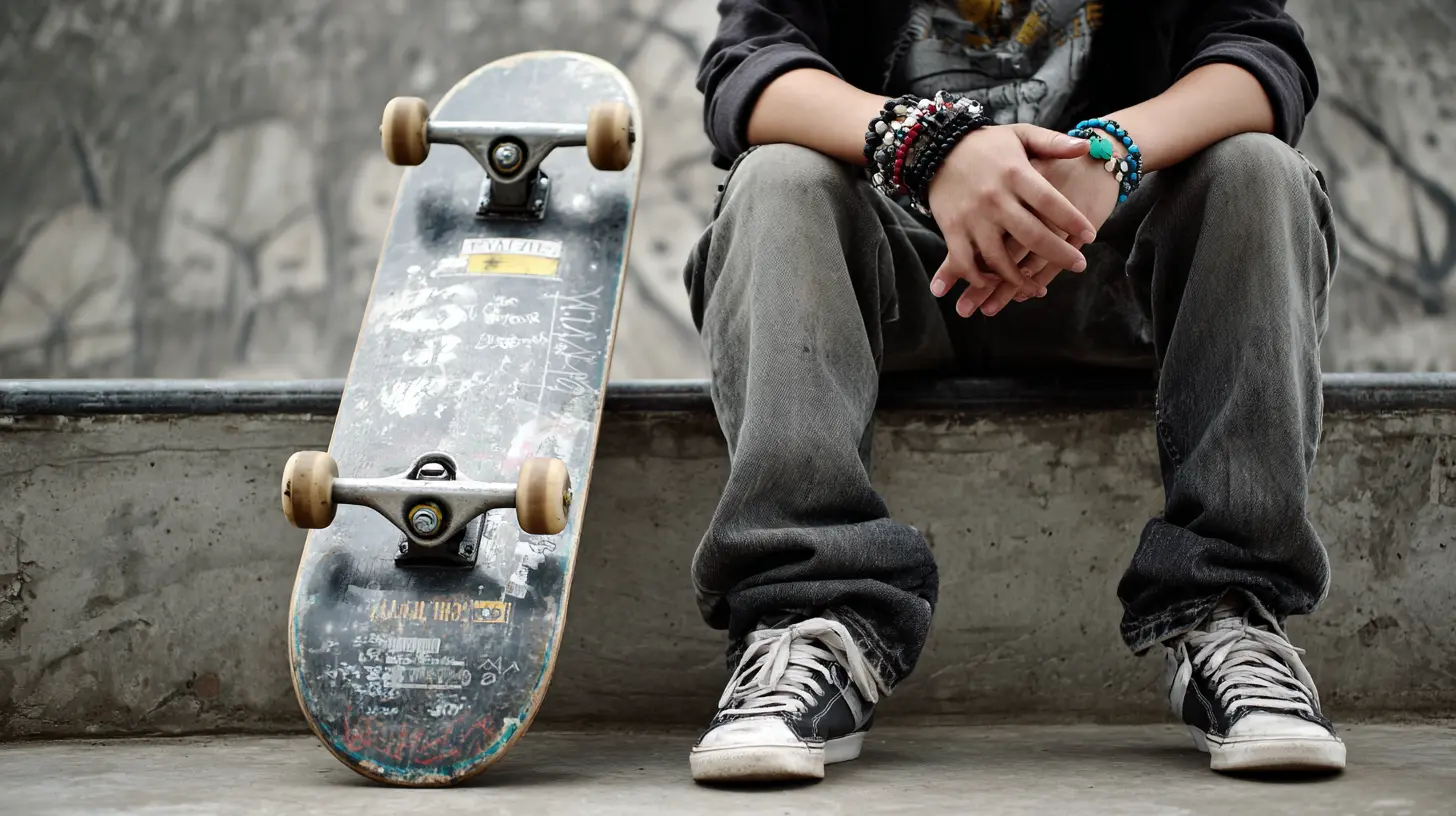
The Most Common Skateboarding Injuries
Now let's get into the nitty-gritty: the most typical injuries skaters face and how they usually happen.Head Injuries
This one’s no joke. Head injuries are among the scariest and potentially most serious injuries in skateboarding. We're talking concussions, skull fractures, and even traumatic brain injuries.They often happen when skaters fall backward or forward and hit their heads against concrete, curbs, or even rails. Most of these injuries come from not wearing a helmet. Yeah, we know helmets aren't the coolest-looking piece of gear, but they’re lifesavers—literally.
Wrist Fractures
Falling and instinctively putting your hands out to catch yourself? Happens all the time. But the wrists take a beating doing that. Wrist fractures, sprains, and dislocations are super common, especially among beginners who haven’t learned how to fall properly yet.Ankle Sprains and Breaks
Your ankles do a lot during skateboarding. From popping tricks to twisting during landings, they’re constantly under pressure. Missteps, awkward landings, or even rolling your ankle on a rock can lead to sprains—or worse, breaks.Knee Injuries
Knees are crucial for absorbing shock and balancing. But repetitive strain, bad landings, or unexpected slips can lead to:- Bruised kneecaps
- Ligament tears (hello, ACL injuries)
- Patellar dislocations
And no, knee pads aren't just for kids.
Road Rash
Ever kissed the pavement after a bad bail? That burning, bloody scrape you get from sliding across asphalt is what we lovingly call “road rash.” It’s more annoying than dangerous, but without proper care, it can get infected fast.Shin Scrapes and Bruises
Skateboarding loves your shins—so much that your deck will come flying back and smack them all the time (we’re talking about those messy flip tricks). It’s painful, but not usually serious. Just be ready to rock those bruises like a badge of honor.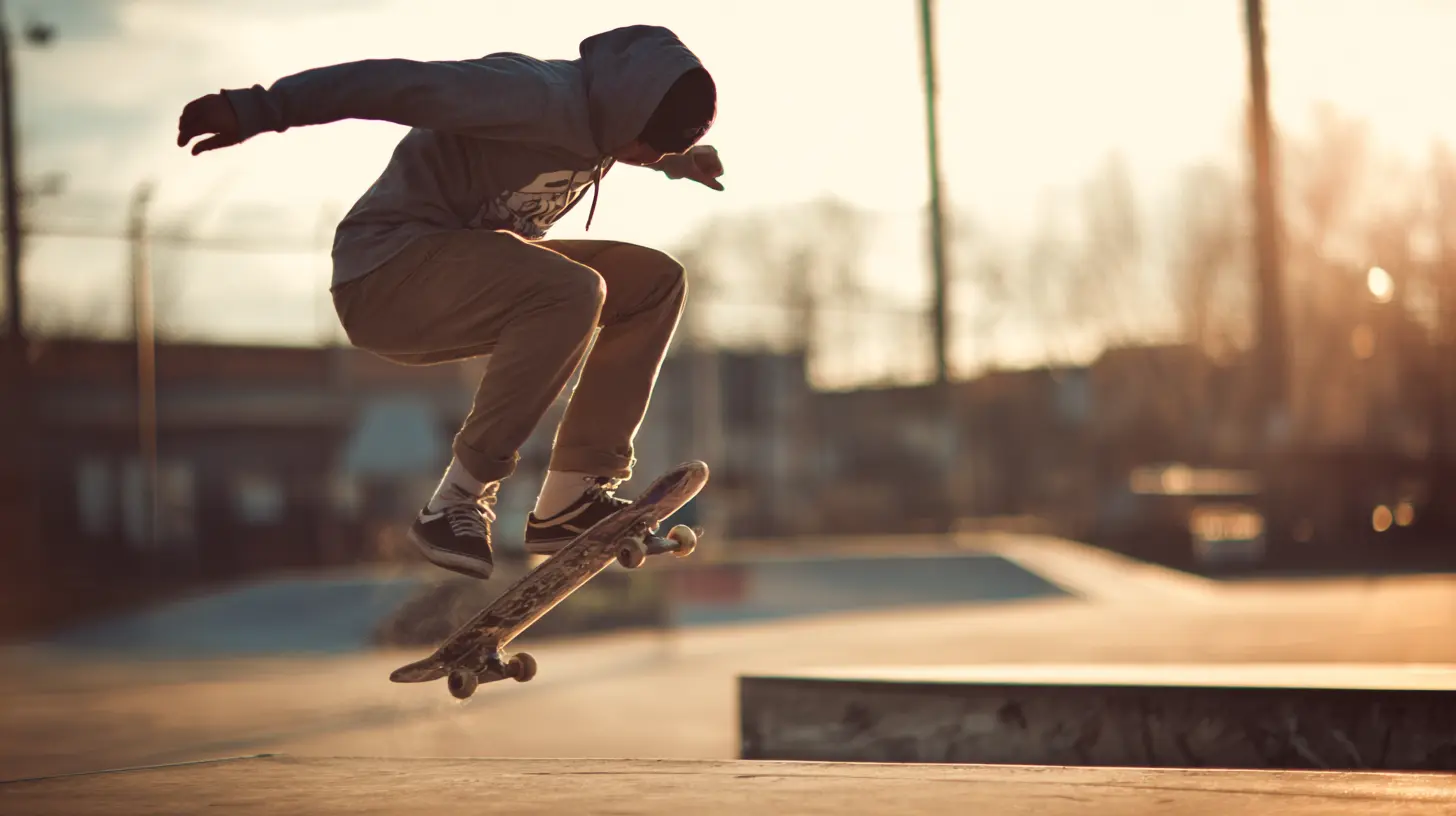
How to Avoid Skateboarding Injuries
Ready for some good news? Avoiding injuries isn't rocket science—it mostly comes down to preparation, body awareness, and using the right equipment. Here's how to stay safe while still shredding hard.Gear Up: Protective Equipment That Actually Works
Let’s clear this up—protective gear isn’t lame. It’s what keeps you skating longer and better. Here’s what you should have:- Helmet: Non-negotiable. Look for one that's certified for skateboarding and fits snugly.
- Wrist Guards: They absorb the impact when you fall and prevent fractures.
- Knee and Elbow Pads: Especially useful for beginners or when skating bowls and ramps.
- Skate Shoes: Yeah, that old pair of sneakers won’t cut it. Proper skate shoes have flat soles and reinforced areas to grip the board and survive abuse.
Wearing all this might feel like overkill at first, but trust me—once you take a nasty slam and get up smiling because you were protected, you’ll never skip it again.
Master the Basics Before Going Big
You’ve seen a trick in a video, and you’re hyped to try it. But hold up—can you do the fundamentals?Most injuries happen when skaters skip the basics and jump straight into advanced stuff. Make sure you can:
- Balance comfortably
- Push and stop smoothly
- Ride switch (both stances)
- Ollie consistently
Build that foundation, and the rest will come naturally—and safely.
Know Your Terrain
Every surface you skate brings different challenges. Cracks, rocks, uneven sidewalks, wet spots—these are injury traps.Before you go all in, take a quick lap and scope out the spot. Look for:
- Pebbles and debris that could stop your wheels dead
- Gaps or rough patches
- Other people and obstacles
Think of it like driving: you wouldn't speed full-throttle through a construction zone, right?
Stretch It Out – Seriously
Yeah, stretching sounds boring, but so are pulled muscles.A quick warm-up before skating gets your blood flowing and improves flexibility. Focus on:
- Hamstrings and quads
- Ankles and calves
- Wrists and shoulders
It takes 5–10 minutes, tops—but it might save you from weeks on the sidelines.
Learn to Fall (Yes, That’s a Skill)
Skateboarding and falling go hand-in-hand. But how you fall can make all the difference.Try to:
- Tuck and roll when you bail
- Avoid catching yourself with straight arms (that’s how wrists break)
- Relax your body mid-fall—tension makes injuries worse
And hey, falling isn’t failing. It’s learning. Every pro you admire has kissed the concrete hundreds of times.
Stay Out of Your Head
Skateboarding is as much mental as it is physical. If you're not feeling it that day, don’t force it. Overconfidence or frustration can cloud your judgment and lead to stupid mistakes.Take breaks. Stay hydrated. And remember—skating should be fun, not stressful.
When to See a Doctor
Look, we’re all tough. But being “too tough” to seek help is just dumb.If you’ve got:
- Swelling that doesn’t go down
- Pain that won’t go away
- Limited mobility
- A head injury that led to confusion, nausea, or dizziness
—go see a doc. ASAP. Pushing through an injury just makes it worse. Skate smarter, not harder.
Final Thoughts
Skateboarding is one of the raddest things you can do on four wheels—but it comes with its share of bumps and bruises. Knowing the most common skateboarding injuries and how to avoid them is your secret weapon for staying on the board and off crutches.So suit up, know your limits, and skate with intention. You’ll fall, you’ll bleed, you might even break something—but with the right approach, you’ll keep pushing forward. And that’s what skateboarding is all about.
Catch you at the park.
all images in this post were generated using AI tools
Category:
SkateboardingAuthor:

Nelson Bryant
Discussion
rate this article
1 comments
Winona Franklin
Always wear protective gear and focus on mastering basic tricks to minimize common skateboarding injuries and stay safe.
May 3, 2026 at 7:49 PM
Nelson Bryant
Great advice! Safety first and mastering the basics can really help reduce injuries.