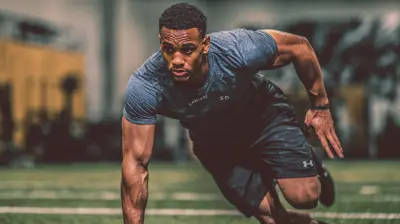
College Recruits to Watch as Game Changers by 2026
19 April 2026
Let’s be honest, the landscape of college sports changes faster than a no-huddle offense. One minute you’re watching a dynasty reign, the next, a fresh-faced recruit steps onto campus and rewrites the entire playbook. The future of the game isn’t just being played in the national championship; it’s being forged in high school gyms, on Friday night fields, and in the quiet commitment decisions of teenagers.
Looking ahead to 2026, we’re on the cusp of a seismic shift. A new generation of athletes is arriving, armed with not just freakish athleticism, but a savvy understanding of the game that belies their age. These aren't just prospects; they’re potential architects of new eras for their programs. So, who are these future game-changers? Buckle up. We’re diving deep into the names you need to know—the recruits whose impact by 2026 could be nothing short of revolutionary.
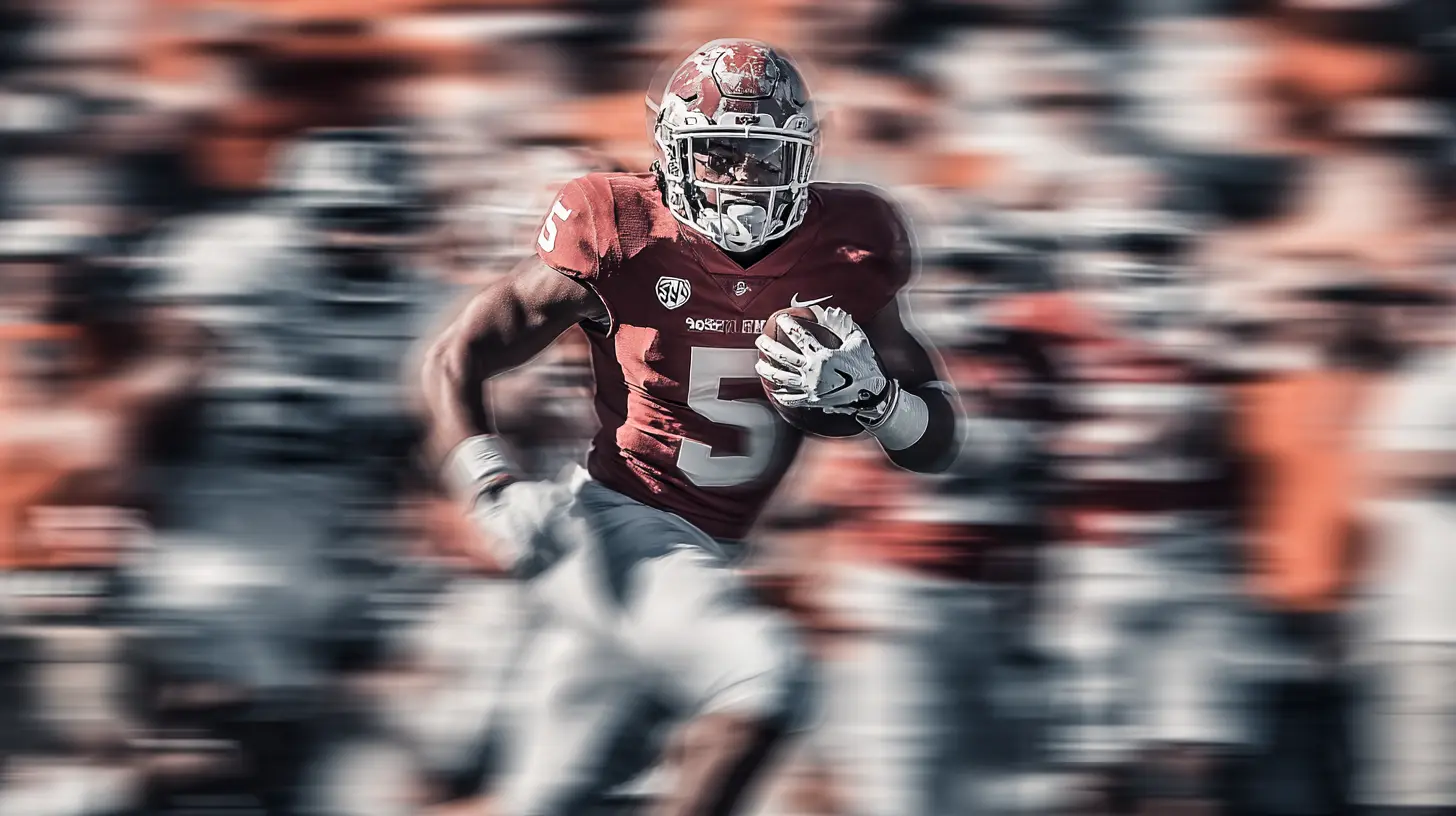
The Quarterback Revolution: More Than Just a Strong Arm
Gone are the days when a quarterback’s job was simply to stand tall in the pocket and launch a deep ball. The 2026 game-changer under center is a hybrid creature: part surgeon, part escape artist, and full-time CEO of the offense.The Cerebral Field General
Watch for the recruits who process the game like a supercomputer. We’re talking about players who can identify a defensive shift at the snap, change the protection, and find the third read on a crossing route while avoiding a 270-pound blitzing linebacker. Their game tape looks less like a highlight reel and more like a chess match played at warp speed. By 2026, the ability to dissect complex college defenses pre-snap will be the ultimate commodity. These quarterbacks won’t just run plays; they’ll weaponize them.
Dual-Threat as a Default, Not a Gimmick
The term "dual-threat" is almost outdated because it implies an exception. For the true game-changers arriving now, it’s the baseline. But it’s not just about scrambling for first downs. It’s about structured, lethal athleticism that forces defenses into a horrible dilemma. Do you spy him with a linebacker, leaving a gap in coverage? Do you contain the edges and risk him picking you apart from a clean pocket? This offensive calculus, dictated by the quarterback's legs and arm, is what will dismantle even the most seasoned defensive coordinators by mid-decade.
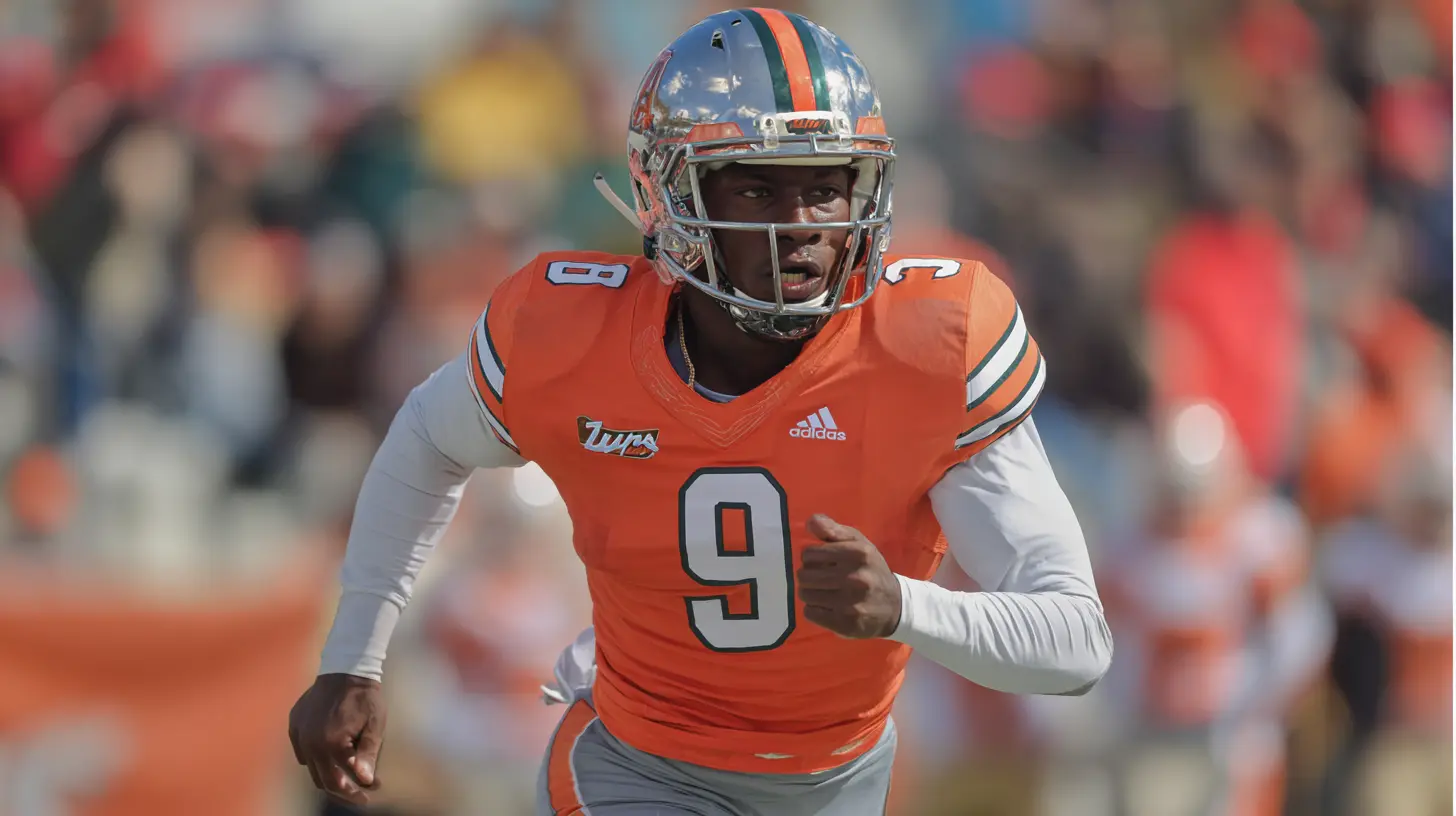
The Positionless Phenom: Redefining "Defensive Player"
On the other side of the ball, evolution is even more dramatic. The rigid labels of "defensive end," "linebacker," and "safety" are blurring into obsolescence. The most coveted defensive recruit is now a Swiss Army knife of destruction.The Edge/Linebacker Hybrid: A Offensive Coordinator’s Nightmare
Imagine a player who lines up with a hand in the dirt on one play, crushing the offensive tackle with a speed-to-power rush. On the very next snap, he’s standing up, dropping into a shallow zone, and picking off a quick slant. This is the prototype. These recruits possess the size to set the edge against the run, the bend and burst to terrorize the quarterback, and the fluid athleticism to cover tight ends or running backs. By 2026, defenses built around one or two of these players won’t just be good; they’ll be unpredictable and utterly suffocating. They create pressure without blitzing, which is the holy grail of defensive football.
The "Star" Defender: The Ultimate Eraser
Every offense has a "get-out-of-jail-free" card: that dynamic slot receiver or move tight end who creates mismatches. The game-changing counterpunch is the "Star" defender—a safety/linebacker/corner hybrid recruited specifically to erase that option. These players have the footwork of a cornerback, the physicality of a linebacker, and the ball-hawking instincts of a free safety. They allow a defense to stay in its base package against spread formations, maintaining strength against the run while having an answer for elite pass-catchers. Finding a recruit who can credibly do this is like finding defensive gold.
The Modern Big: Basketball’s Five-Out Architects
Shift the court from grass to hardwood, and you’ll see a parallel revolution. The plodding, back-to-the-basket center is a relic. The big men who will dominate by 2026 are perimeter-oriented facilitators who happen to be 6'10".The Stretch-Five Floor General
This recruit is the ultimate offensive hub. He can catch the ball at the top of the key, survey the floor, and hit a cutter with a pinpoint pass. He forces the opposing big man to venture out to the three-point line, where he can either drain a shot in his face or blow by him with a surprisingly nimble first step. He doesn’t just score; he orchestrates. He’s the reason offenses can run five-out sets that stretch defenses to the breaking point, creating driving lanes for everyone else. His stat line by 2026? Think 15 points, 9 rebounds, and 5 assists per game—a nightmare to game-plan for.
The Switch-Everything Defender
On defense, the game-changing big is just as transformative. It’s no longer enough to protect the rim. The elite recruit now must be able to switch onto a shifty point guard on a pick-and-roll and hold his own. He needs the lateral quickness to stay in front of smaller players and the discipline not to bite on fakes. This single skill—switchability—completely changes a team’s defensive scheme. It allows for aggressive, switching defenses that take away the three-point line and force contested two-point shots. A recruit who anchors a defense that can switch 1-through-5 is the cornerstone of a national championship contender.
The Intangibles: The Hidden Code of a Game Changer
Physical tools are the price of admission. But what separates a highly-touted recruit from a true program-altering game changer? It’s the software that runs on the hardware—the intangibles.Elite Competitiveness: The Invisible Fuel
You can see it in their eyes during a blowout loss or a tight fourth quarter. These recruits have a competitive fire that’s almost unnerving. They’re the ones dragging teammates to early morning film sessions, demanding more in practice, and making the clutch play not because they’re told to, but because they have to. This trait is infectious. It raises the intensity level of every drill, every workout, every game. By 2026, a player with this mindset doesn’t just improve himself; he elevates the entire culture of the program. He’s a standard-bearer.
NIL Maturity: Playing the New Game
The Name, Image, and Likelihood (NIL) era is here to stay. The game-changer of 2026 understands this not as a distraction, but as a new dimension of their role. They’re recruiting savvy about their own brand, making smart partnerships, and using their platform with a maturity beyond their years. They grasp that how they handle this off-field "game" affects locker room harmony, public perception, and their own focus. The recruit who navigates NIL with poise removes a major potential headache for coaches and becomes a more stable, professional asset from day one.
The Ripple Effect: How One Recruit Can Change Everything
We sometimes think of recruits in a vacuum, but their impact is more like a stone dropped in a pond. A truly game-changing recruit creates concentric circles of influence.First, there’s the immediate on-field impact. They fill a glaring hole or add a dimension the team desperately lacked. But then, look further out. Their commitment often leads to the "halo effect" in recruiting, attracting other elite players who want to play with a generational talent. This builds a stronger roster, faster.
Furthermore, they change scheme and identity. A coach might completely overhaul an offensive or defensive system to maximize one player's unique skills. Finally, they impact program momentum and expectations. They make a team must-watch TV, boost ticket sales and morale, and make every other player believe that championships are possible.
The Verdict: Keeping Your Eyes Peeled
Identifying these players now is like spotting a constellation before it’s fully formed. You have to look for the brightest points and imagine the lines connecting them. It’s about seeing beyond the star ratings and the highlight dunks.Look for the quarterback who makes his offensive line look better with his pocket presence. Watch for the defender who seems to be in two places at once. Notice the big man who values a clever pass as much as a powerful dunk. And above all, try to sense that intangible will to win that no combine can ever measure.
By 2026, the sports world will know their names. But you’re getting the early alert today. These are the recruits carrying not just duffle bags, but the potential to change the very destiny of the programs they join. The future of college sports is being decided right now. And it’s a thrilling sight to see.
all images in this post were generated using AI tools
Category:
Next Generation AthletesAuthor:

Nelson Bryant
Discussion
rate this article
2 comments
Thane Lynch
Oh great, more high school kids we can hype up and watch fade into obscurity. Can't wait to see them shine... or not.
August 17, 2026 at 12:14 PM
Alice Harris
I'm intrigued by the potential impact these recruits could have on their programs and the sport as a whole! Which specific skills or traits set them apart? It’ll be exciting to see how they evolve and shape the game by 2026!
April 19, 2026 at 10:46 AM
Nelson Bryant
Their elite versatility, court vision, and basketball IQ set them apart. They’re already redefining pace and positionless play.