When Sports Meet Politics: The Role of Fans in Social Movements
29 May 2026
Sports and politics have always had a complicated relationship. In recent years, however, this relationship has become more visible than ever before. From athletes taking a knee during national anthems to entire leagues pausing games in the wake of social injustice, it's clear that sports are no longer just a form of entertainment. But here's the kicker: fans are now playing a crucial role in shaping this intersection between sports and politics.
So, what happens when sports meet politics, and how do fans contribute to social movements? Let's dive into this captivating topic and explore how the passionate world of sports fandom is influencing real-world change.
The Historical Connection Between Sports and Politics
Before we get into the modern-day role of fans, it’s worth looking back at the long-standing connection between sports and politics. This isn’t a new phenomenon; history is overflowing with examples that show how intertwined these two worlds have been.Consider the 1968 Olympic Games in Mexico City, where American sprinters Tommie Smith and John Carlos raised their fists in a Black Power salute during the medal ceremony. It was an iconic moment of protest against racial inequality, and it sent shockwaves through the sports world. Or think about Muhammad Ali, who refused to be drafted into the Vietnam War, citing his religious beliefs and opposition to the war. Ali’s stance led to his boxing license being suspended and his heavyweight title stripped, but it also made him a symbol of resistance.
These moments are just the tip of the iceberg. Sports have long been a platform for political statements, and athletes have often used their public personas to bring attention to social issues. But now, something new is happening: fans are no longer passive observers. They’re becoming active participants in these political movements.
The Rise of Fan Activism
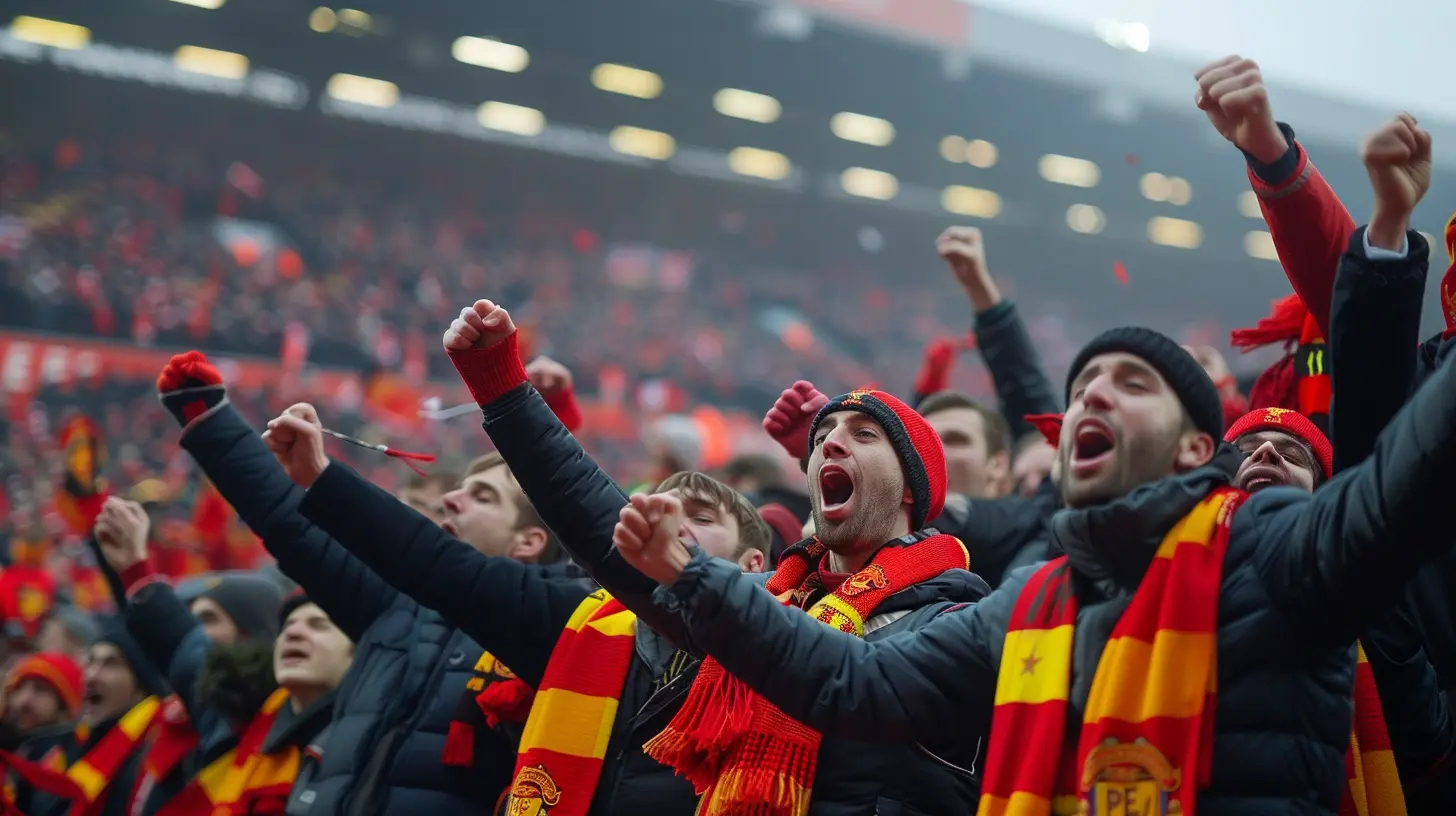
You might be asking yourself, "Why are fans getting involved in politics through sports?" The answer isn't as complicated as you might think.For decades, fans have been deeply invested in the teams and athletes they support. This loyalty often goes beyond the game itself. When athletes or teams take a political stance, passionate fans follow suit, either supporting or opposing the cause. Social media has only amplified this trend. Platforms like Twitter, Instagram, and Facebook offer fans a way to publicly express their views, rally around causes, and even organize protests.
Social Media: The Game-Changer
Social media has turned the tables when it comes to fan involvement in social movements. Back in the day, fans could only voice their opinions at games or perhaps in letters to the editor. Today, they can tweet, post, and comment in real-time, making their voices heard instantly.Take the #TakeAKnee movement, for example. When NFL quarterback Colin Kaepernick first took a knee during the national anthem to protest police brutality, fans were quick to react. Supporters of the movement flooded social media with messages of solidarity, using hashtags like #TakeAKnee and #ImWithKap. Meanwhile, opponents voiced their displeasure, some even burning jerseys and boycotting games.
The sheer volume of fan participation on social media turned what started as an individual protest into a national conversation. In many ways, Kaepernick’s protest wouldn’t have had the same impact without the involvement of fans, who amplified the message and brought it to the forefront of public discourse.
Fans as Political Organizers
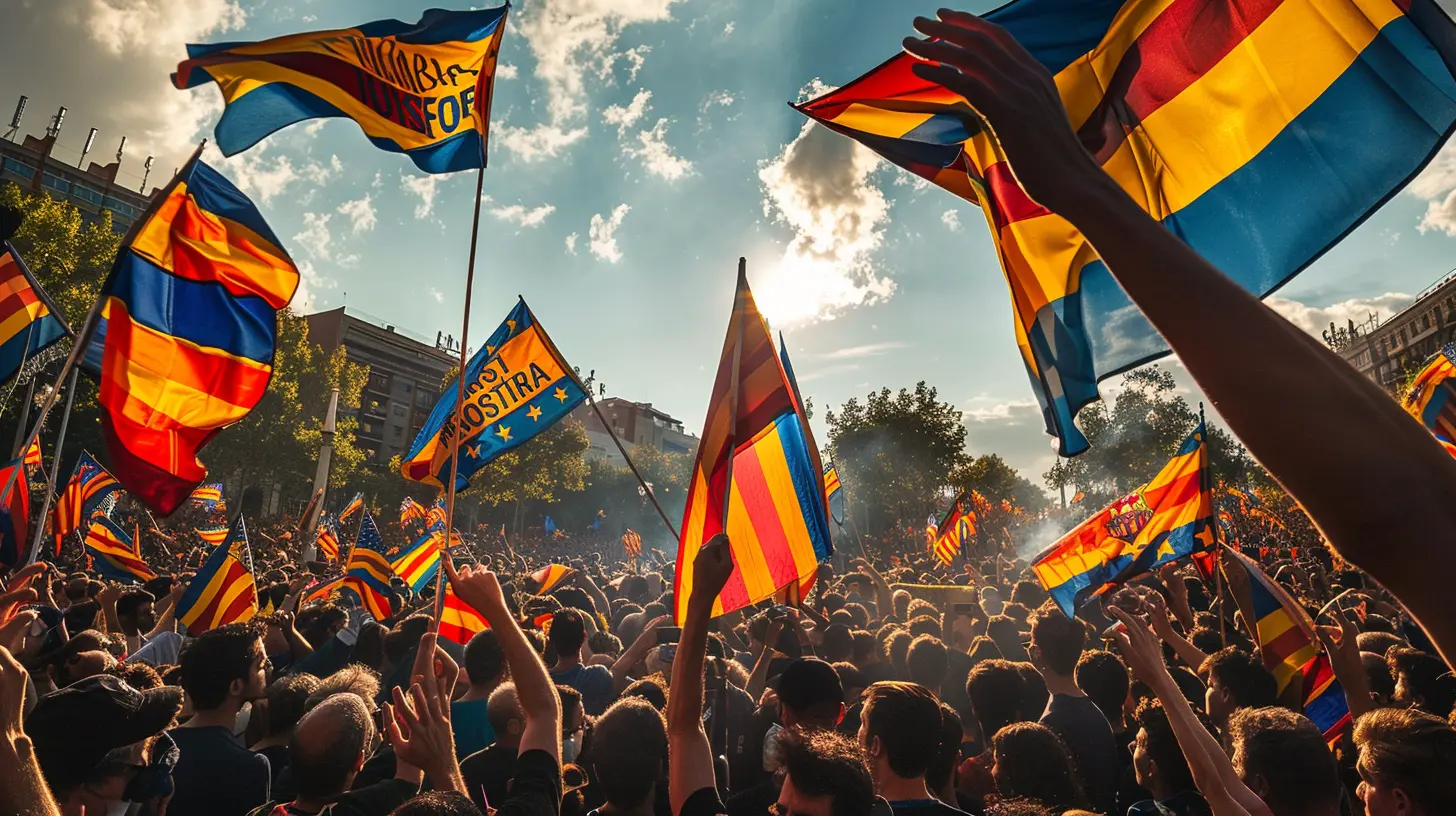
Fans aren’t just taking to social media; they’re actively organizing in the real world, too. Supporter groups, which are traditionally focused on cheering for their teams, are increasingly becoming involved in political and social causes.For instance, in European soccer, fan groups have long been politically active. Clubs like FC St. Pauli in Germany are known for their left-wing supporter base, which frequently organizes rallies and protests against racism, sexism, and homophobia. These fans see their support for the team as intertwined with their political beliefs, and they’re not shy about using their platform to push for social change.
In the U.S., fan groups have also started organizing around political issues. The “Black Players for Change” organization, formed by MLS players in the wake of George Floyd’s murder, received significant support from fan groups across the league. These fans didn’t just sit on the sidelines—they marched, protested, and lobbied for changes in their communities.
The Power Dynamics: Fans, Athletes, and Leagues
One question that often comes up in the discussion of fan activism is: Who holds the power? Is it the fans, the athletes, or the leagues?Athletes as Influencers
Athletes, especially in today’s media-driven world, wield enormous influence. When someone like LeBron James speaks out about an issue, people listen—whether they agree or not. Athletes have massive followings on social media, giving them a direct line to millions of fans. This influence means they can spark conversations and mobilize their followers in ways that were previously unimaginable.But athletes are also under pressure. When they take political stances, they risk alienating some of their fan base. Remember when Drew Brees faced backlash for comments about kneeling during the anthem? Fans were quick to voice their opinions, and Brees had to walk back his statements. In this sense, fans have power over athletes, too—especially in today’s hyper-connected world, where public opinion can shift in an instant.
Leagues and Their Role
Leagues and teams also play a crucial role in this dynamic. In recent years, we’ve seen leagues take more progressive stances on social issues. The NBA, for example, has been notably supportive of player protests, even allowing players to wear jerseys with social justice messages during the 2020 bubble season.But it’s not always smooth sailing. The NFL, which initially opposed Kaepernick’s kneeling, later faced intense pressure from fans and players to reconsider its stance. Eventually, the league had to address the issue of racial injustice more directly, showing just how much influence fans and players can have over the decisions that leagues make.
When Sports Meet Politics: The Impact on Fans
It’s fascinating to see how sports can serve as a microcosm for larger political debates. But this intersection of sports and politics also raises some tough questions for fans.Divisiveness Among Fans
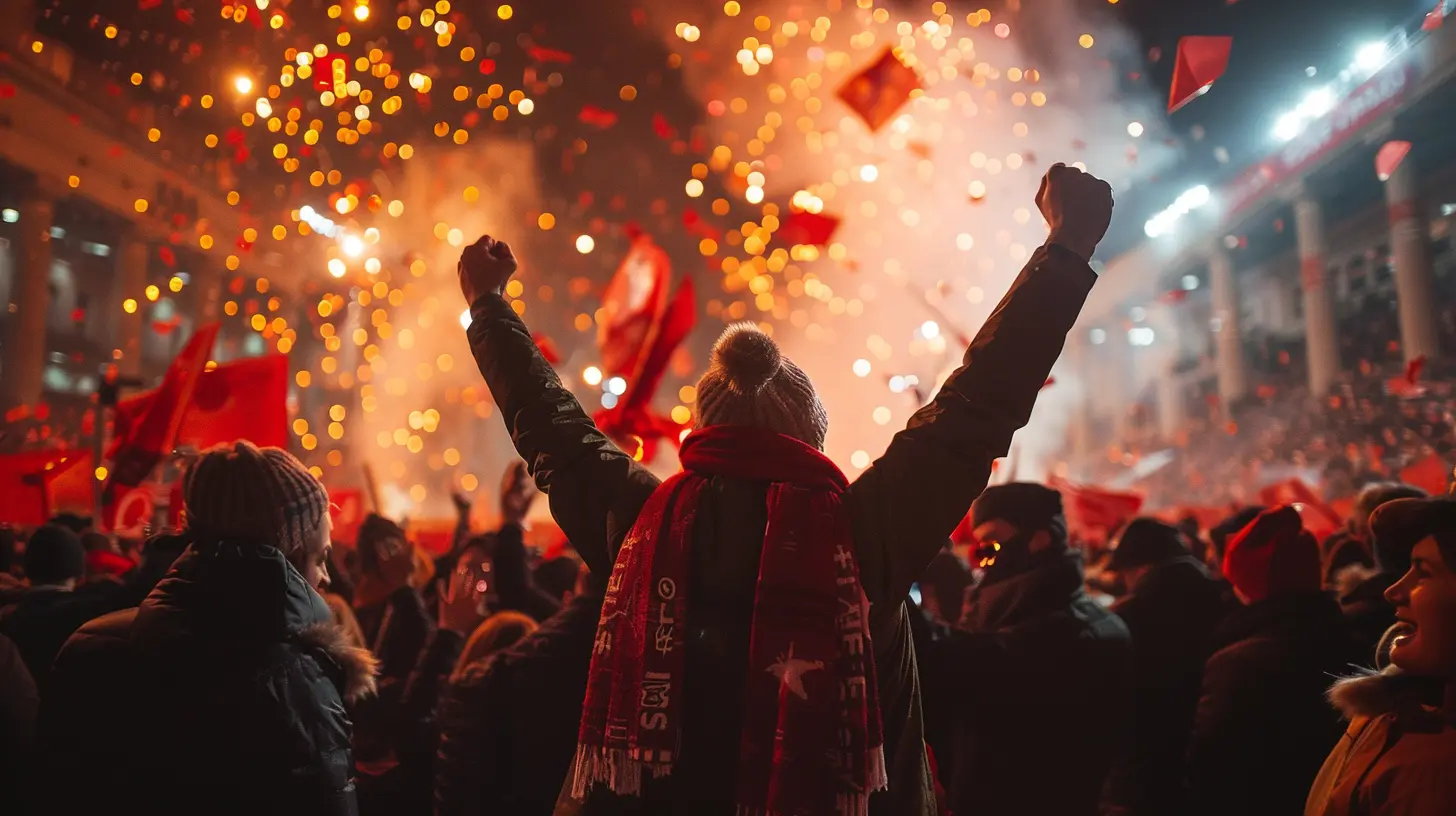
Let’s face it: not all fans agree on political issues. When athletes or teams take a stand, it can create division within the fan base. Some fans are all in, while others might feel alienated. This was especially evident during the Black Lives Matter protests, where some fans supported the movement, while others felt that politics had no place in sports.This division isn’t necessarily a bad thing, though. Sports have always been a place where people from different backgrounds come together. The political conversations happening within fan communities can lead to greater understanding and empathy. It’s like a family argument—sometimes uncomfortable, but often necessary for growth.
Fans as Agents of Change
Despite these divisions, one thing is clear: fans have the power to effect change. When fans rally around a cause, their collective voice can be incredibly powerful. Whether it’s through social media campaigns, organized protests, or simply by choosing where to spend their money, fans can push teams and leagues to take action on social issues.Look at the Washington Football Team (now the Washington Commanders). For years, Native American groups and their allies called for the team’s name to be changed, arguing that it was a racial slur. But it wasn’t until sponsors and fans started putting real pressure on the team that they finally made the change. This is a perfect example of how fan activism can lead to tangible results.
The Future of Sports and Politics
So, where do we go from here? It’s clear that the intersection of sports and politics isn’t going away anytime soon. In fact, it’s likely to become even more pronounced as fans continue to engage with these issues.Increased Fan Involvement
In the future, we’re likely to see even more fan involvement in social movements. As younger generations become more politically active, they’ll bring their activism into the sports world. Teams and leagues will need to adapt, finding ways to engage with their fans on these important issues without alienating large portions of their audience.The Role of Social Media
Social media will continue to play a major role in how fans engage with politics through sports. Platforms like Twitter and Instagram allow fans to connect with athletes, teams, and each other in ways that were unimaginable just a few years ago. This will likely lead to more grassroots movements within fan communities, as fans organize around causes they care about.
Conclusion: A New Era for Fans
When sports meet politics, the result is often a powerful intersection of passion and purpose. Fans are no longer just spectators; they’re active participants in the political and social conversations happening within the sports world. Whether through social media, organized protests, or simply voting with their wallets, fans now have the power to influence the direction of social movements.As we move forward, it will be fascinating to see how this dynamic continues to evolve. But one thing is certain: fans aren’t going to sit on the sidelines anymore.
all images in this post were generated using AI tools
Category:
Fan CultureAuthor:

Nelson Bryant
Discussion
rate this article
1 comments
Astrid Cain
This topic is crucial; fans truly shape the dialogue around sports and politics.
June 4, 2026 at 4:52 AM
Nelson Bryant
You're right. Fans have a powerful voice that can influence important discussions, especially at the intersection of sports and politics.