The Birth of the NFL: From Leather Helmets to Modern Giants
6 February 2026
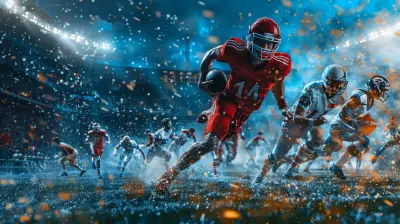
Football is more than just a game; it's a cultural phenomenon. The NFL, or National Football League, is now a multibillion-dollar empire with millions of die-hard fans worldwide. But how did it all start? What began as a ragtag group of teams wearing leather helmets has evolved into a professional sport with global reach, modern equipment, and superstar athletes. Let’s take a trip down memory lane and explore the birth of the NFL, from its humble beginnings to its status as a modern-day powerhouse.
A Scrappy Start: The Origins of American Football
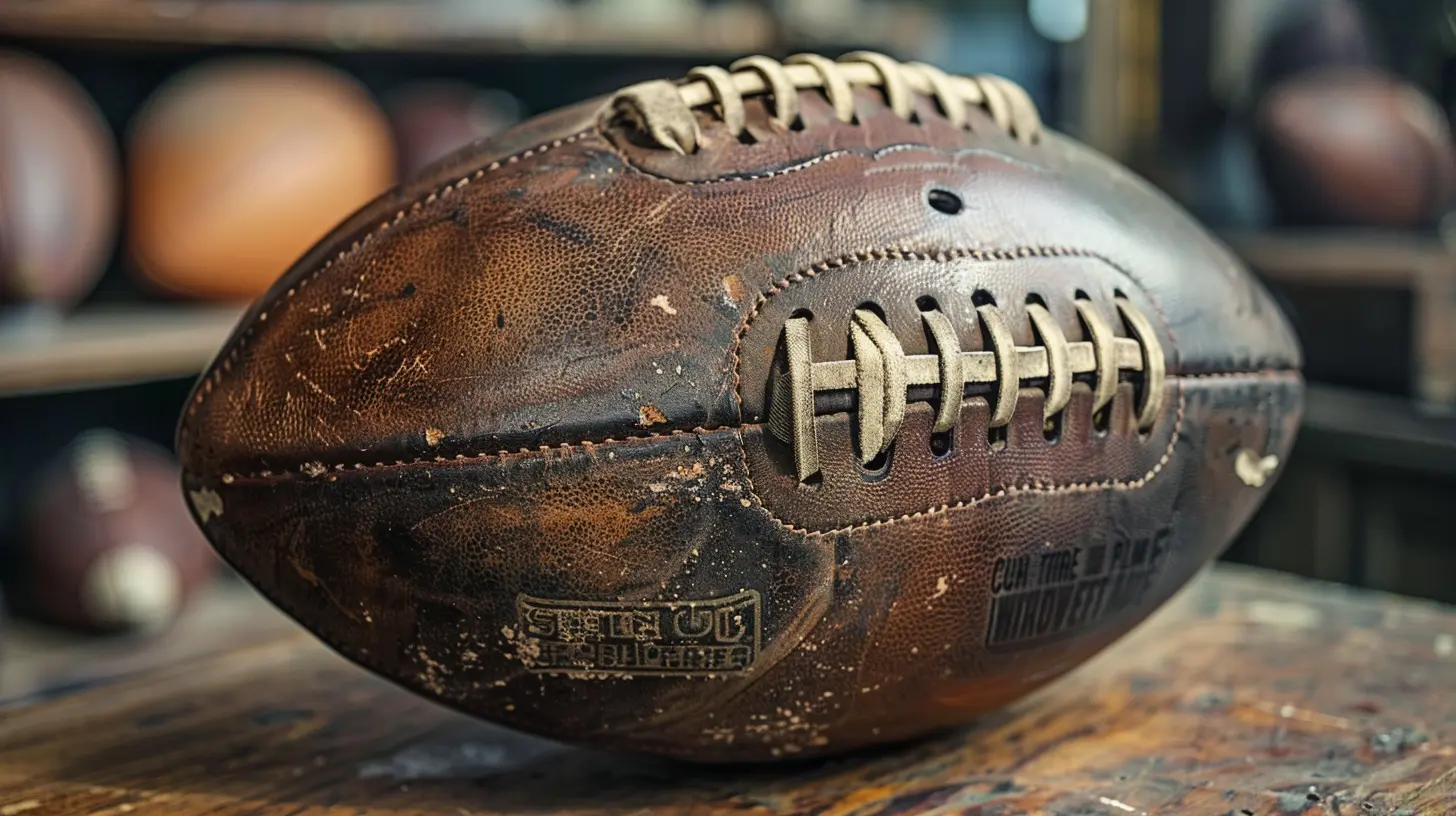
American football didn’t just pop out of nowhere. It evolved from a mix of rugby and soccer, two sports that were gaining popularity in the United States during the late 19th century. College teams initially dominated the football scene, with schools like Yale, Harvard, and Princeton taking the lead. But the game was rough—brutal, even.Back then, safety wasn’t the priority it is today. Players wore little to no protective gear. Helmets? Forget about it. Concussions and broken bones were par for the course, but that didn’t stop the sport from gaining a loyal following.
So, how did we go from college games to the glitz and glamour of the NFL? Well, it all started in a car showroom.
The Birth of the NFL: A Meeting in Canton, Ohio
The year was 1920. In Canton, Ohio, a group of men gathered in Ralph Hay’s Hupmobile car dealership to discuss the future of professional football. The main issue? College football was raking in attention and money, while pro football was struggling. Teams were losing money, and there was no organized structure to the sport.Attendees included representatives from teams like the Akron Pros, Canton Bulldogs, and Dayton Triangles. These men decided enough was enough—they needed to form a league, and so the American Professional Football Association (APFA) was born. Two years later, the APFA would become the National Football League (NFL).
One of the key figures in this meeting was Jim Thorpe, a legendary athlete who had won Olympic gold medals in track and field. Thorpe was named the first president of the APFA, giving the league some much-needed star power.
The first season of the NFL was a bit chaotic. There were no official schedules, and teams played a varying number of games against inconsistent opponents. But it was a start—a shaky one, sure, but a start nonetheless.
The Leather Helmet Era
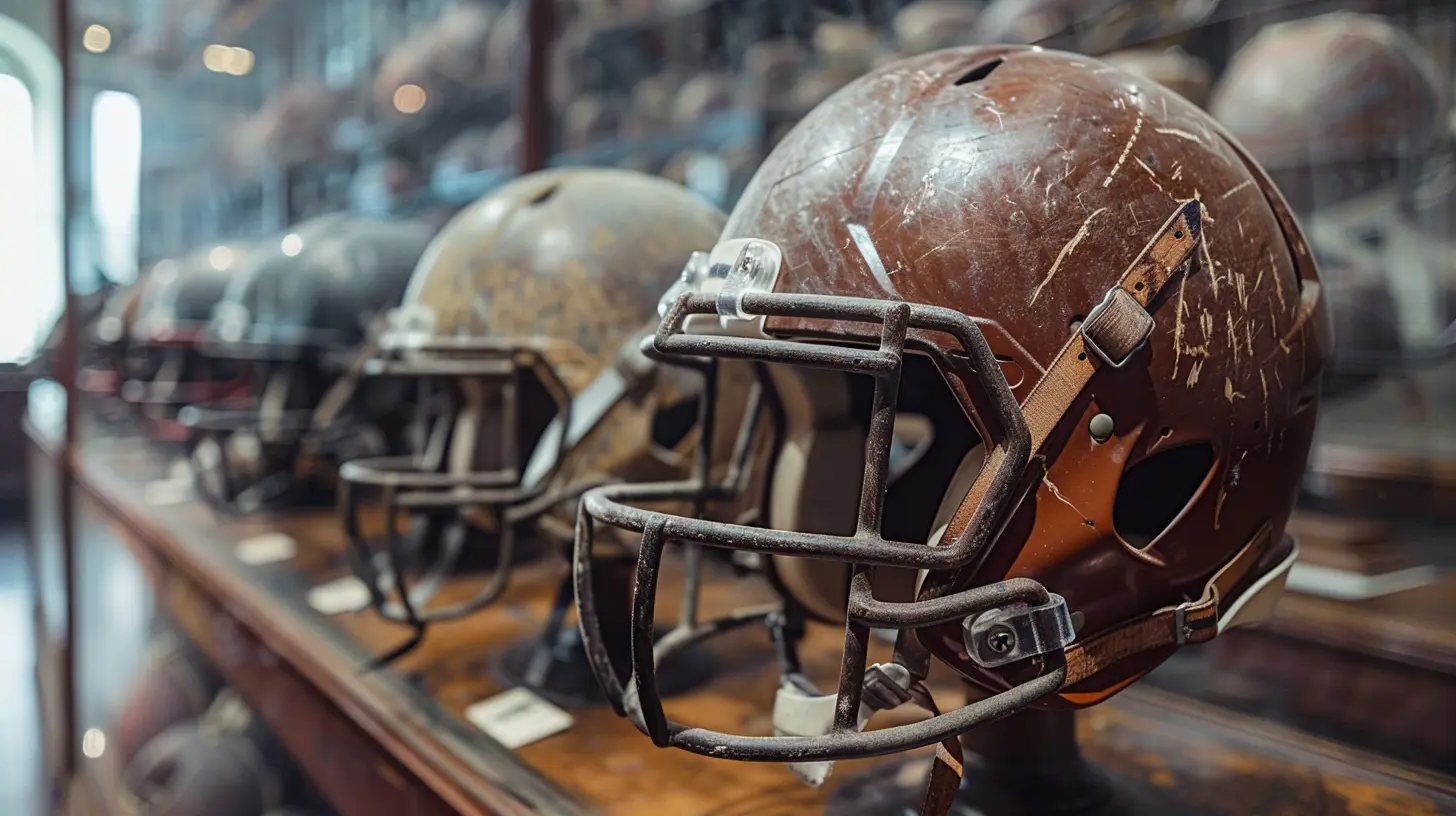
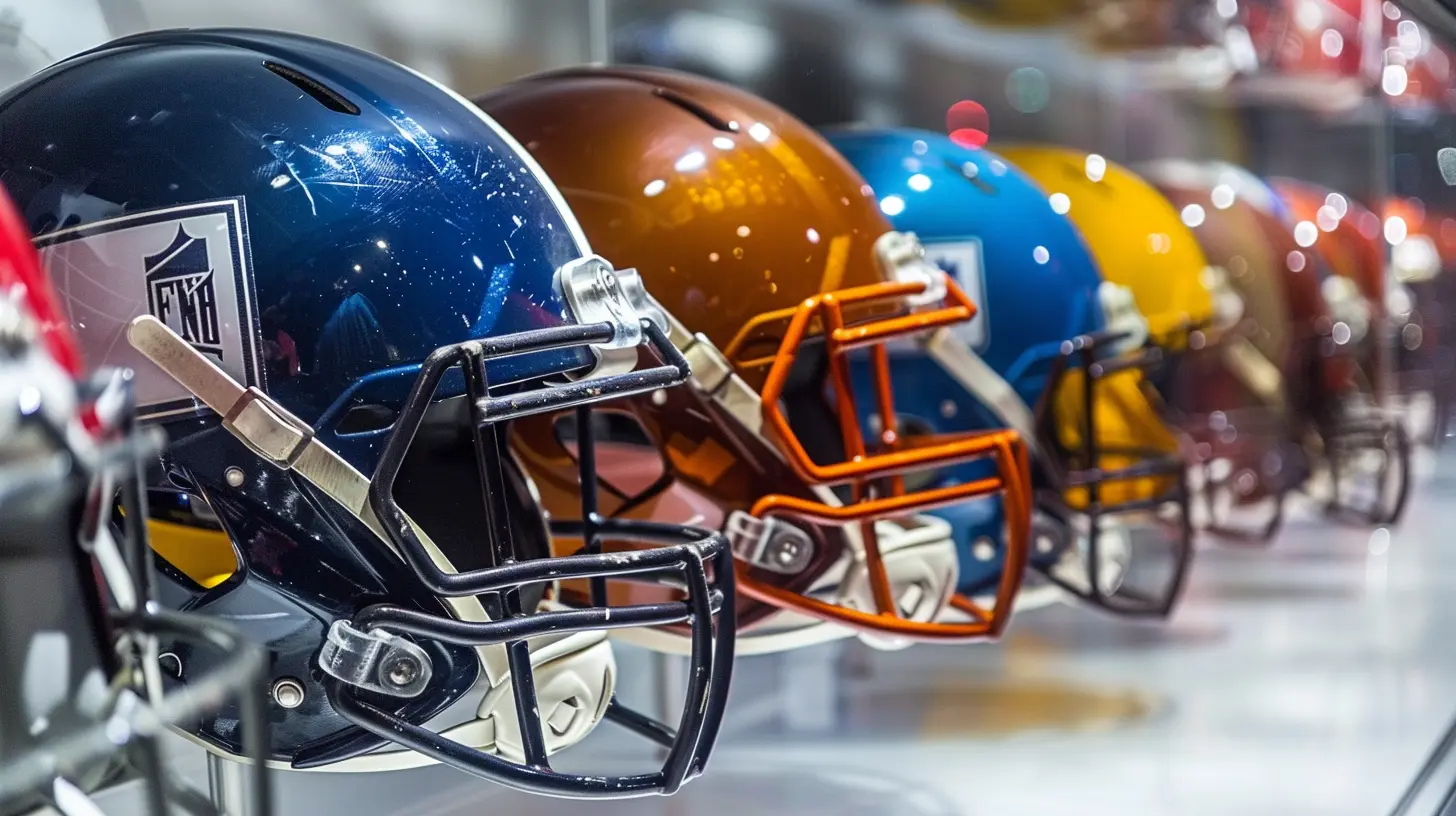
If you think about today’s NFL, with its high-tech helmets and state-of-the-art padding, it’s almost laughable to imagine players running around in leather helmets. But that’s exactly what they did in the early days of the league.Leather helmets were more like padded caps and offered little protection. Still, they were a step up from the days when players didn’t wear helmets at all. The leather helmet era lasted until the 1950s, when plastic helmets became the norm.
But even with their primitive gear, early NFL players were tough as nails. The game was slower and more physically punishing than it is today. You wouldn’t see the dazzling 50-yard passes or acrobatic catches we’re used to now. Instead, teams relied heavily on running the ball and grinding out yardage.
The Growing Pains of a New League
In the 1920s and 1930s, the NFL was far from the polished product it is today. Teams came and went, often folding after just a few seasons due to financial struggles. The league had a hard time competing with college football, which was still seen as the more prestigious version of the sport.However, things began to change in 1933 when the NFL introduced a new rule: the forward pass. This one rule would revolutionize football. Before then, the game was more like rugby, with teams running the ball most of the time. The forward pass opened up new possibilities for offensive plays and made the game more exciting for fans.
Around the same time, the NFL also began to divide into two divisions, with the winners of each division facing off in a championship game. The first official NFL Championship Game took place in 1933 between the Chicago Bears and the New York Giants, signaling a turning point for the league.
The Rise of Superstars
In any sport, superstars take the game to the next level. They give fans a reason to watch, and they inspire future generations of athletes. The NFL was no different.One of the first true NFL superstars was Bronko Nagurski, a fullback and linebacker for the Chicago Bears in the 1930s. Nagurski was a force of nature, known for his bruising running style and hard-hitting defense. He was one of the first players to transcend the sport and become a household name.
The 1940s saw the emergence of another legend: Sammy Baugh. Baugh was a quarterback for the Washington Redskins and was one of the first players to truly master the forward pass. His accuracy and arm strength were unmatched, and he helped popularize the passing game.
As more stars emerged, the NFL started to gain more attention. Slowly but surely, the league began to grow in popularity, setting the stage for its future success.
The Post-War Boom: NFL's Golden Era
After World War II, America was booming, and so was the NFL. The 1950s marked a period of rapid growth for the league. Television played a huge role in this. Suddenly, fans didn’t have to attend games in person to follow their favorite teams; they could watch from the comfort of their living rooms.The 1958 NFL Championship Game, often referred to as "The Greatest Game Ever Played," was a defining moment for the league. The game between the Baltimore Colts and the New York Giants went into sudden-death overtime, captivating a national television audience. It was the first NFL game to go into overtime, and it showcased the drama and excitement that football could deliver.
This game helped solidify the NFL’s place in American sports culture and paved the way for more people to become fans of the sport.
The Merger: NFL vs. AFL
While the NFL was gaining steam, a rival league emerged in the 1960s: the American Football League (AFL). The AFL was seen as the underdog but quickly gained popularity with its more exciting style of play and colorful personalities.The rivalry between the two leagues came to a head in 1966, when the NFL and AFL agreed to merge. The merger would be completed by 1970, but in the meantime, the two leagues began to play an annual championship game to determine the best team in professional football.
This game? You might have heard of it. It’s called the Super Bowl.
The first Super Bowl took place in 1967 and featured the NFL champion Green Bay Packers against the AFL champion Kansas City Chiefs. The Packers won handily, but the game drew plenty of attention. By the time the AFL and NFL officially merged in 1970, the Super Bowl had already become one of the biggest events in American sports.
The Modern NFL: A Global Powerhouse
Fast forward to today, and the NFL is a behemoth. With 32 teams, billion-dollar TV deals, and legions of fans worldwide, the league has come a long way since that fateful meeting in a Canton car dealership.Today’s NFL is a multi-dimensional product. Players are faster, stronger, and more skilled than ever before, thanks to advances in training, nutrition, and technology. The game has also become much safer (though there’s still work to be done), with innovations like improved helmets and concussion protocols helping to protect players.
Off the field, the NFL has embraced its role as a cultural force. Super Bowl Sunday is practically a national holiday, complete with extravagant halftime shows and buzzworthy commercials. The league is also expanding its reach internationally, with games being played in London, Mexico City, and beyond.
But despite all the changes, the NFL’s roots remain the same. It’s still about the game of football, the thrill of competition, and the passion of the fans.
Conclusion: From Leather Helmets to Legends
The NFL’s journey from its humble beginnings to its status as a global juggernaut is nothing short of remarkable. What started as a loosely organized group of teams playing a bruising, no-frills version of football has grown into a polished, high-octane spectacle watched by millions.Leather helmets may be a thing of the past, but the spirit of those early players—their toughness, their grit, their love for the game—lives on in today’s NFL stars. Whether you’re a fan of the old-school, smash-mouth style of football or the modern, pass-happy version of the game, one thing is clear: the NFL isn’t just a sport; it’s a way of life.
all images in this post were generated using AI tools
Category:
Sports HistoryAuthor:

Nelson Bryant
Discussion
rate this article
2 comments
Zephyros Henson
Fascinating journey from leather helmets to today's athletes! What pivotal moments or innovations do you think shaped the NFL’s identity the most? I'm curious about the lesser-known stories behind its evolution!
March 20, 2026 at 4:46 AM
Nelson Bryant
Thank you for your interest! Key moments include the introduction of the forward pass in the 1930s, the establishment of the NFL Draft in 1936, and the implementation of instant replay in the 1980s. Each innovation significantly influenced the game's strategy and popularity, shaping the NFL into the powerhouse it is today.
Bailey Ford
From humble beginnings to colossal giants, the NFL's journey inspires us all!
February 10, 2026 at 5:39 AM
Nelson Bryant
Thank you! The NFL's evolution truly showcases the power of perseverance and innovation.