Yoga and Cross-Training: A Winning Combination for Athletes
3 December 2025
Let's face it—being an athlete today isn’t just about pumping iron or pounding the pavement. It’s about being smart. Strategic. Balanced. And this is exactly where yoga and cross-training step into the spotlight. If you’re an athlete looking to level up your game, that old-school “go hard or go home” mindset might be holding you back. But throw yoga into the mix? Now we're talking about a game-changer.
In this article, we're diving deep into how combining yoga with cross-training could be the secret sauce you’ve been missing. Whether you're a weekend warrior or a pro-level athlete, keep reading—this combo might just become your new not-so-secret weapon.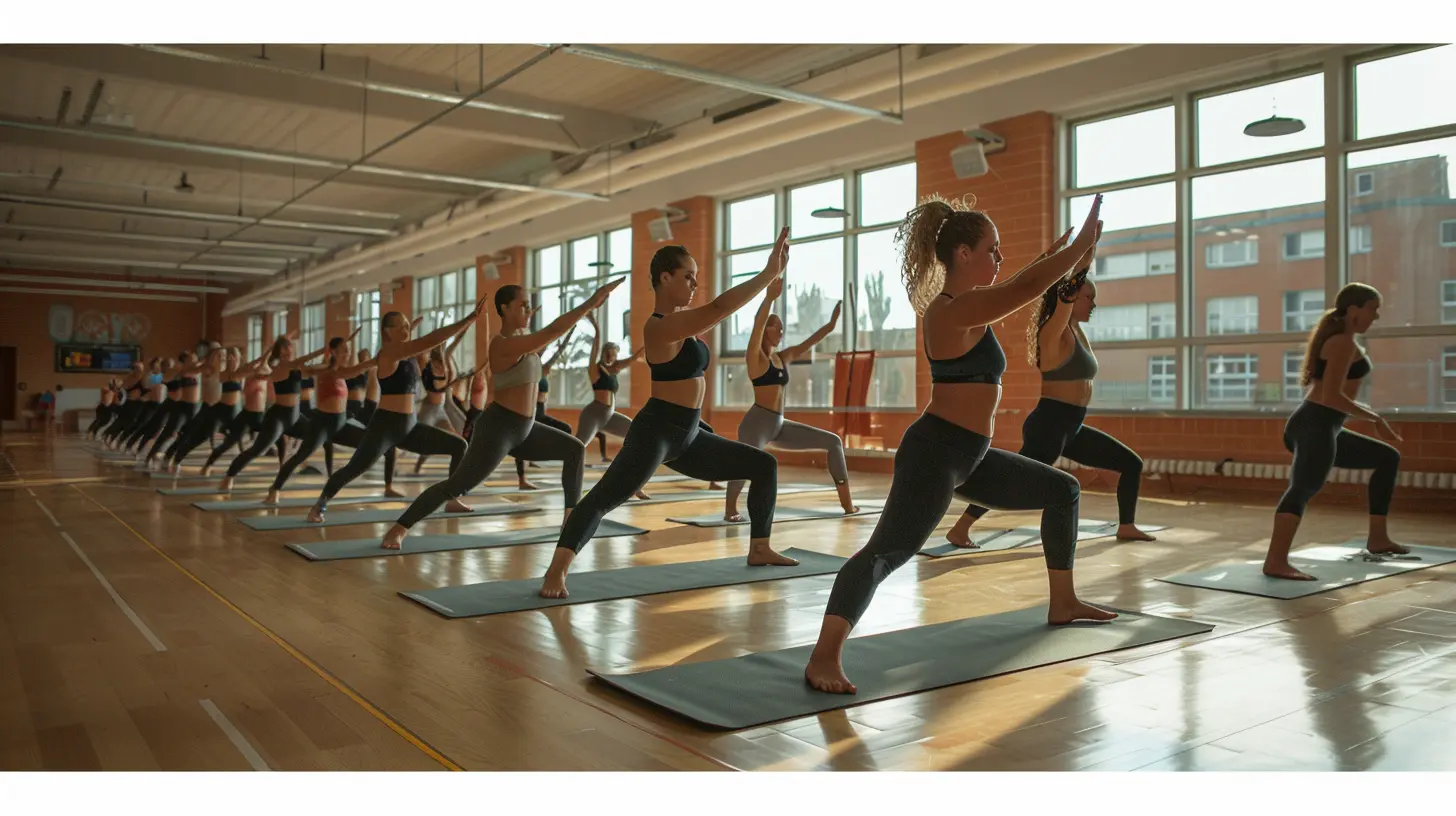
What Is Cross-Training, Anyway?
Before we mix in yoga, let’s get on the same page. Cross-training simply means mixing different types of workouts into your training routine. Think of it like a fitness smoothie—maybe you blend running with swimming, sprinkle in some strength training, and top it off with cycling.Why do athletes love it? Because it reduces the risk of overuse injuries, busts boredom, and makes you a more well-rounded athlete. Instead of doing the same movement day after day (hello, burnout), you're challenging your body in different ways.
Why Add Yoga to the Cross-Training Mix?
At first glance, yoga might seem like the tortoise in the race. Slow. Calm. Stretchy. But here’s the kicker—it’s exactly what most athletes are missing.1. Improved Flexibility and Mobility
Tight hamstrings? Stiff hips? Sound familiar?Athletes often push their bodies to the limit—but forget to stretch. Yoga is like a deep-tissue massage and mobility session rolled into one. Regular practice helps release tension, lengthen muscles, and improve joint mobility. You’ll move better, recover faster, and reduce your risk of those “out-of-nowhere” injuries.
2. Better Balance and Coordination
Whether you're sprinting down the field or lifting heavy, balance isn’t optional—it’s essential. Yoga sharpens proprioception, which is basically your body’s internal GPS. This means quicker reactions, smoother movement, and less chance of wiping out during a game or workout.Ever try holding tree pose with your eyes closed? It’s tougher than it sounds—but it trains your brain and body to work together.
3. Builds Strength Using Body Weight
Don’t underestimate the power of holding your own body weight. Yoga might not involve barbells, but those planks, chaturangas, and downward dogs? They'll light up your shoulders, core, glutes, and legs in a whole new way.Functional strength, anyone?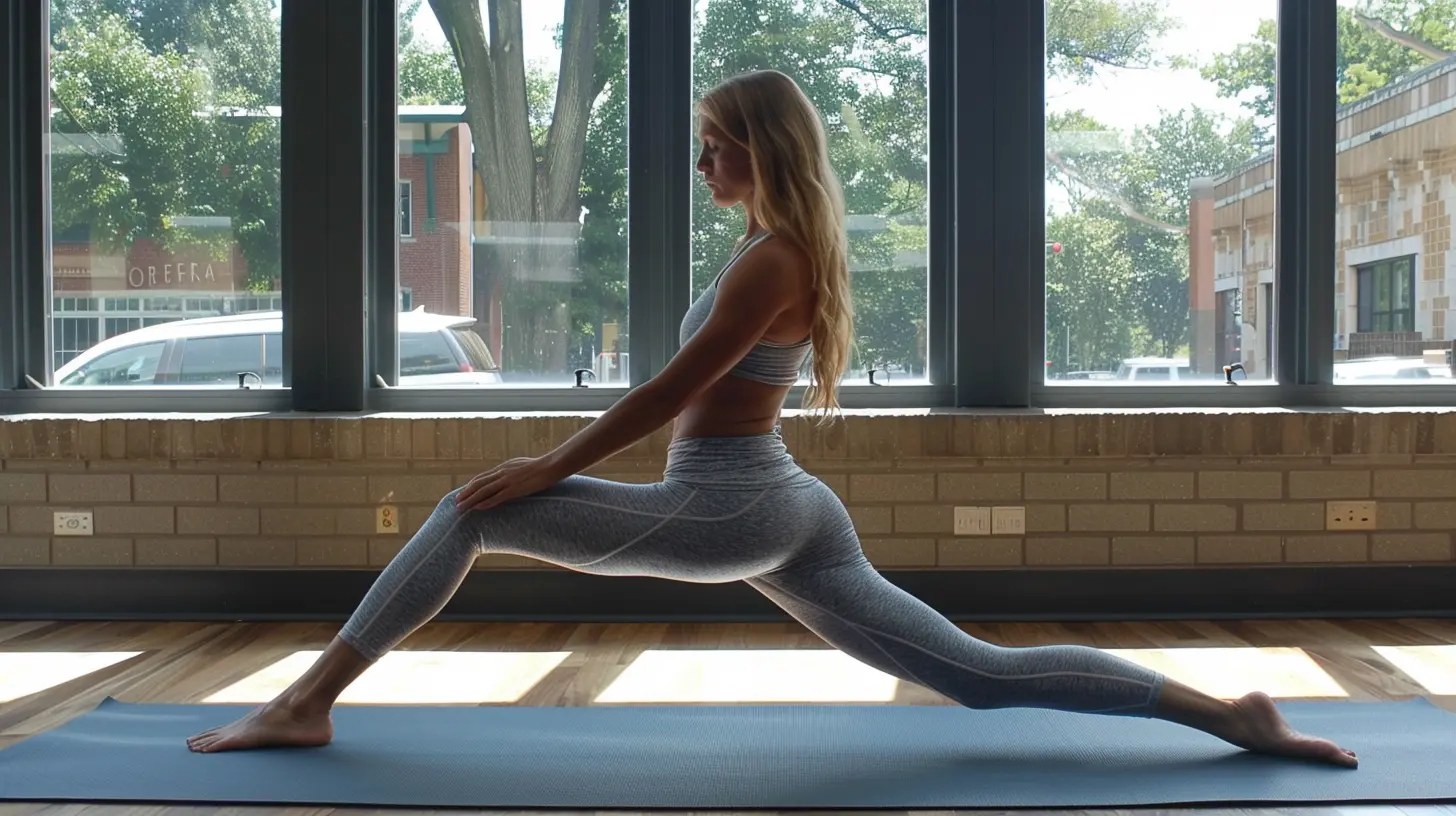
The Mental Edge: Yoga's Secret Weapon
Athletes often focus so much on physical training that they forget the mental side of sports. But here’s the deal—your mindset can make or break your performance.1. Increased Focus and Concentration
Yoga integrates breath with movement and demands mental presence. That means you learn to tune out distractions and stay locked in—that same laser-focus translates perfectly onto the field, court, or track.2. Stress Relief and Mental Recovery
No one talks enough about performance anxiety, mental fatigue, and burnout. But they’re real—and they’re brutal. Yoga helps by dialing down your nervous system. Just a few minutes of deep breathing or meditation can melt stress like butter on a hot skillet.3. Better Sleep for Better Recovery
Tired of tossing and turning before a big game? Yoga before bed, especially restorative or yin yoga, can help you sleep like a rock—which means faster recovery and better performance the next day. Win-win.
Cross-Training + Yoga: A Weekly Breakdown
Wondering how to actually fit it all in? Let’s break it down with a sample weekly routine that blends yoga and cross-training without overloading your schedule.Sample Weekly Plan
| Day | Activity ||-----------|--------------------------------|
| Monday | Strength Training + 20 Min Yoga Cooldown |
| Tuesday | HIIT or Cardio + 30 Min Vinyasa Flow |
| Wednesday | Active Recovery: 45 Min Gentle or Yin Yoga |
| Thursday | CrossFit or Sport-specific Drills |
| Friday | Strength + 15 Min Breathwork or Meditation |
| Saturday | Endurance Training (Run, Ride, Swim) + Deep Stretch |
| Sunday | Rest or Slow Yoga Flow (Optional) |
See? Yoga doesn’t have to replace your gym session—it complements it. Even just 10–20 minutes a few times a week can make a huge difference.
Best Types of Yoga for Athletes
Not all yoga is created equal. And as an athlete, your needs are specific (like improving mobility or reducing soreness). So, picking the right style of yoga matters.1. Vinyasa Yoga
Think of this as the energizer bunny of yoga. It’s dynamic, breath-based, and flows from one movement to the next. Great for warming up the body, building mobility, and breaking a sweat. Ideal as a cross-training session on active days.2. Yin Yoga
Slow and deep. Yin targets the fascia and connective tissues—perfect for recovery days. It involves holding poses for 3–5 minutes, allowing muscles to release tension, increase flexibility, and restore range of motion.3. Hatha Yoga
This is your middle ground—not too slow, not too fast. It’s great for beginners and perfect for days when you want to stretch out without feeling like you’re doing another workout.4. Restorative Yoga
Think of it as a spa day for your nervous system. With props like bolsters and blankets, you’ll melt into deep relaxation. It’s the ultimate hack for athletes dealing with stress, insomnia, or recovery challenges.Real-Life Benefits: What Athletes Are Saying
Let’s hear from the trenches. More and more elite athletes are openly talking about their love affair with yoga, and for good reason.- LeBron James credits yoga for his longevity and ability to stay mobile while avoiding major injuries.
- Tom Brady has practiced yoga for years as part of his recovery and flexibility training.
- Serena Williams often incorporates yoga and meditation to stay centered and focused.
And it’s not just the pros. Amateur runners, cyclists, triathletes, and weekend gym warriors rave about how yoga helps them stay limber, heal faster, and perform better.
Common Myths (And Why They're Totally Wrong)
Let’s tackle a few myths that might be holding you back from hitting the mat.“Yoga is only for flexible people.”
Nope. Yoga is how you become flexible.“It’s not a real workout.”
Tell that to anyone who’s sweat through a power yoga class. Trust me, it’ll torch your core and test your mental grit.“I don’t have time.”
Even 10–15 minutes of yoga can have real benefits. It’s more about consistency than duration.Tips for Getting Started
If you’re new to yoga, don’t worry. No one expects you to nail a handstand on day one. Just keep it simple and consistent.- Start slow—try a beginner-friendly YouTube video or class.
- Use props like blocks or straps to support your body.
- Focus on your breath. It’s more important than getting the pose perfect.
- Don’t compare yourself to anyone else in the room.
- Treat yoga as part of your training—not an extra chore.
The Takeaway
When it comes to athletic performance, the best results don’t always come from doing more—they come from doing better. Yoga and cross-training are like peanut butter and jelly: different textures, but magic together.So if you’ve been hitting every training session hard and still feeling stiff, burnt out, or plateauing, maybe it’s time to stretch more, not sweat more. Add yoga to your cross-training routine—and watch your strength, balance, recovery, and mental game reach new heights.
Let’s be real—what athlete wouldn’t want an edge like that?
all images in this post were generated using AI tools
Category:
YogaAuthor:

Nelson Bryant
Discussion
rate this article
2 comments
Reina Nguyen
Who knew that downward dog and burpees could be BFFs? Just imagine athletes striking a pose mid-sprint—talk about a balance! Forget ‘sweat and tears’; it’s all about ‘stretch and sprints’ for that zen-powered podium finish!" 🧘♂️🏅
December 24, 2025 at 4:50 AM
Nelson Bryant
Absolutely! The fusion of yoga and cross-training not only enhances flexibility and strength but also fosters a unique balance that can elevate athletic performance. It's all about finding that perfect synergy! 🧘♂️🏋️♂️
Fennec Bellamy
Who knew that downward dog could be the secret weapon in an athlete's training arsenal? Finally, a way to stretch those muscles and the competitive spirit!
December 5, 2025 at 4:06 AM
Nelson Bryant
Absolutely! Downward Dog is a powerful tool that enhances flexibility and focus, making it a perfect addition to any athlete's training routine.