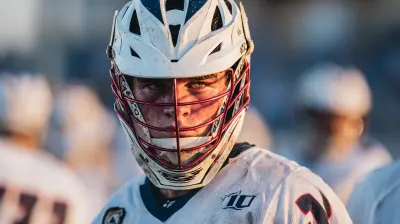
When Talent Meets Opportunity: A Path to Greatness by 2027
5 November 2026

Introduction
In the world of sports, the intersection of talent and opportunity shapes the landscape of greatness. While natural ability can set the stage, it is often the timely opportunities that propel athletes from obscurity to stardom. As we look ahead to 2027, the coming years will be pivotal for many athletes seeking to carve out their legacy. This article delves into the dynamics of talent and opportunity, providing insights, strategies, and real-world examples that illuminate the path to greatness.
The Nature of Talent
Defining Talent in Sports
Talent in sports usually refers to the innate physical and mental attributes that allow individuals to excel in a specific discipline. Speed, agility, strength, and coordination are often what we think of, but mental aspects like focus, resilience, and tactical understanding play an equally crucial role.Physical vs. Mental Talent
- Physical Talent: This encompasses attributes like speed, endurance, and strength. For example, Usain Bolt's extraordinary speed is a result of both his genetic predisposition and years of training.- Mental Talent: The mental aspect includes strategic thinking, emotional intelligence, and decision-making under pressure. Athletes like Serena Williams exemplify how a strong mental game can elevate physical talent to new heights.
Nurturing Talent
While talent can be innate, it often requires intentional development through training, coaching, and experience. Here, the role of a supportive environment and access to resources becomes significant.- Training Programs: Structured training regimens tailored to an athlete's strengths can enhance their capabilities. For example, Michael Phelps' training was meticulously designed to optimize his performance in the pool.
- Coaching Influence: A good coach can identify potential and help refine skills. The mentorship of Phil Jackson in basketball not only helped players like Kobe Bryant and Michael Jordan harness their talents but also taught them the importance of teamwork.

The Role of Opportunity
What Constitutes Opportunity?
Opportunity in sports can manifest in various forms-be it a chance to compete at a high level, a breakthrough performance, or even a moment of luck. These opportunities can define an athlete's career trajectory.Types of Opportunities
- Competitive Opportunities: These are events or competitions where an athlete can showcase their skills. For instance, a young soccer player might get called up to the first team due to an injury on the roster, which can be a game-changing moment.- Visibility Opportunities: Media exposure, sponsorship deals, and participation in high-profile events can elevate an athlete's status. Athletes who perform well in the Olympics often see a surge in their marketability.
Timing and Readiness
The importance of timing cannot be overstated. An athlete must be prepared to seize opportunities when they arise. Being ready means having the skills, mindset, and physical condition to make the most of the situation.The Importance of a Support System
An athlete's support system-coaches, family, and peers-plays a crucial role in readiness. For example, the support system around Simone Biles has been instrumental in her ability to perform at her peak during crucial competitions.
The Intersection of Talent and Opportunity
Synergy Between Talent and Opportunity
The most successful athletes often exhibit a harmonious blend of talent and opportunity. It is at this intersection that greatness is often forged.Real-World Examples
- Lionel Messi: Messi's extraordinary talent was recognized early on, but it was his opportunity to join FC Barcelona's youth academy that propelled him into the spotlight. The club nurtured his talent, allowing him to develop into one of football's all-time greats.- Stephen Curry: Initially overlooked in the NBA draft, Curry's determination and the opportunity presented by the Golden State Warriors led him to become one of the league's top players. His unique shooting ability was matched with the right environment that allowed him to flourish.
The Role of Serendipity
Sometimes, opportunities arise unexpectedly. The concept of serendipity in sports can lead to unanticipated breakthroughs.- Injury Openings: Injuries to star players can create openings for lesser-known athletes to step up and shine. This was the case for Kurt Warner, who went from being an undrafted player to winning a Super Bowl after stepping in for an injured starter.
The Path to Greatness by 2027
Setting Goals
To navigate the complex relationship between talent and opportunity, athletes must set clear, actionable goals. This involves understanding both their strengths and the opportunities available in their sport.SMART Goals
Using the SMART criteria-Specific, Measurable, Achievable, Relevant, Time-bound-can help athletes outline their path. For instance, a young athlete might set a goal to improve their sprint time by a certain percentage within a year, competing in specific meets to track progress.Building a Personal Brand
In today's sports landscape, building a personal brand can open doors to new opportunities. Athletes who cultivate a strong online presence and engage with their fans can attract sponsorship deals and media coverage.Social Media Strategy
- Platforms: Choosing the right social media platforms is crucial. Instagram and TikTok, for example, allow athletes to showcase their personalities and skills, reaching a broader audience.- Content Creation: Regularly sharing training routines, personal stories, and insights into their lives can create a loyal following. Athletes like Alex Morgan have effectively used social media to enhance their visibility and marketability.
Networking and Relationships
Forming connections within the sports industry can lead to valuable opportunities. Building relationships with coaches, agents, and other athletes can create pathways that might not otherwise exist.Mentorship
Finding a mentor in the sport can provide guidance and open doors. A young tennis player might benefit from the advice of a retired professional who can share insights on navigating the competitive landscape.
Common Misconceptions
Talent Is Enough
One of the biggest misconceptions is that raw talent alone guarantees success. While talent is essential, without the right opportunities and preparation, it can go unnoticed.Opportunities Are Always Obvious
Opportunities can be subtle and may not always come in the form of a prestigious competition or sponsorship. Recognizing smaller opportunities-like local tournaments or community events-can be equally important.Best Practices for Athletes
Continuous Learning
Athletes should always be learning and adapting. This includes not only honing their physical skills but also understanding the business side of sports, including contracts, branding, and media relations.Resilience and Adaptability
The ability to bounce back from setbacks is vital. Athletes should cultivate resilience, understanding that failure is often a stepping stone to success.Learning from Setbacks
Every setback, whether it's an injury or a disappointing performance, offers a lesson. For example, after facing injuries that sidelined her, tennis player Maria Sharapova used these experiences to build mental toughness and refine her game.Staying Physically and Mentally Fit
Physical fitness is a given, but mental health is equally important. Athletes should prioritize mental well-being, utilizing techniques like mindfulness and visualization to enhance performance.
Conclusion
The journey to greatness in the sports world is not solely defined by talent or opportunity but by the intersection of both. Athletes who recognize this synergy and take proactive steps in their development are best positioned to achieve their dreams by 2027. The landscape is ever-changing, and those willing to adapt, learn, and seize the right moments will find their path illuminated.Final Thoughts
As we look to the future, understanding how to harness talent and recognize opportunities will be crucial for aspiring athletes. With the right mindset and strategies, greatness is not just a possibility; it is an attainable goal.
all images in this post were generated using AI tools
Category:
Career MilestonesAuthor:

Nelson Bryant