How Teamwork Wins World Championships
19 May 2026
Let’s be real—when it comes to world championships, it’s easy to get caught up in the glory of superstar athletes. We see them making game-winning shots, delivering clutch performances, or celebrating with golden trophies in hand. But behind every iconic moment, there’s one unsung hero that often goes unnoticed: teamwork. Yep, the secret sauce to any championship-winning squad isn’t just talent—it's how well the team works together.
So, let’s unpack this. Why is teamwork the real MVP? Why does every championship-winning team—whether it's in soccer, basketball, baseball, or eSports—owe its success to cohesion more than individual brilliance?
Let’s dive in and break down exactly how teamwork wins world championships.
What Really Makes a Championship Team?
Alright, picture this: You’ve got a squad filled with the most elite players in the world. Statistically, they’re the best. But here’s the twist—they can’t seem to win when it counts.Why?
Because talent without teamwork is like a car with no gas. It might look good, but it’s going nowhere fast.
A championship team is more than just a collection of skilled players—it’s a well-oiled machine where each part knows its role and works in sync with the others.
Chemistry Beats Talent (Almost Every Time)
Ask any coach who's raised a trophy—they’ll tell you that good chemistry often beats raw talent. Chemistry builds trust. Trust builds unity. Unity wins championships.When players trust each other, they communicate better, cover for each other’s weaknesses, and play with a selfless mindset. That connection? It doesn’t come from stats on a spreadsheet—it comes from shared dedication, mutual respect, and a willingness to sacrifice for the team.
The Value of Role Players
You know what’s cool? Watching the star player drop 40 points in the final. But you know what’s cooler? Seeing the bench player come in late, hustle their heart out, and make a game-saving play that shifts momentum.Championships are won in the moments between the highlights. And that’s where role players come in. They may not get the headlines, but they’re the backbone of any title-winning team.
Real-Life Examples That Prove It
Let’s not just talk theory—let’s talk reality. Here are some famous examples where teamwork outshined individual brilliance.The 2014 San Antonio Spurs (NBA)
Remember the 2014 Spurs? That team was the definition of synergy. No single player led the league in stats, but they demolished the Miami Heat—led by LeBron James—in the NBA Finals. Why? Ball movement. Communication. Trust. Everyone knew their role, and no one tried to be the hero.Spain’s National Soccer Team (2008–2012)
Spain had a legendary run, winning Euro 2008, World Cup 2010, and Euro 2012. Sure, they had stars like Xavi and Iniesta, but their dominance came from tiki-taka football—a system built on passing, movement, and, you guessed it, teamwork.The 1980 “Miracle on Ice” U.S. Hockey Team
This one’s straight out of a movie (literally). The U.S. team defeated the powerhouse Soviet Union in the Winter Olympics. They weren’t the most skilled bunch, but their belief in each other and selfless play carried them to historic victory.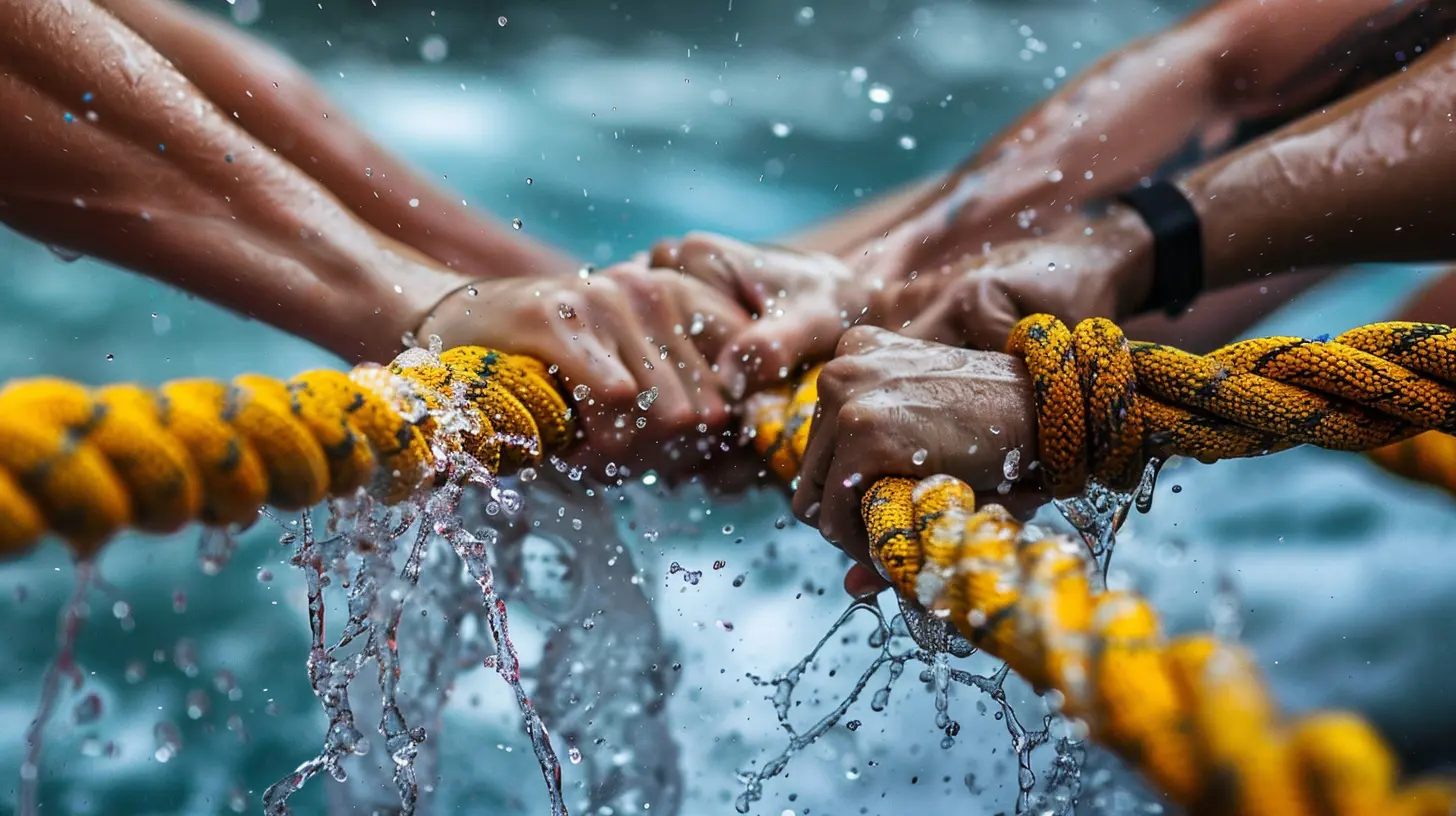
Why Teamwork Matters More Than Ever
The world of sports has evolved. Technology, data analysis, and fitness have reached insane levels. But guess what hasn’t changed? The need for good old-fashioned teamwork.Here are a few reasons why:
1. Increased Competition
Today, everyone’s good. Thanks to globalization, players train better, learn faster, and adapt quicker. That means talent gaps are smaller than ever. Team cohesion? That’s the difference-maker.2. Mental Toughness Comes from the Group
When the pressure's on, players lean on their teammates. A positive locker room vibe boosts morale. A tight-knit team bounces back from setbacks faster. That resilience? It’s nurtured through relationships, not reps.3. Consistency Over Flash
Flashy plays are fun, but consistency wins titles. A team that sticks to its system, supports each other, and doesn’t panic under pressure is built to last. And consistency only comes when everyone is rowing in the same direction.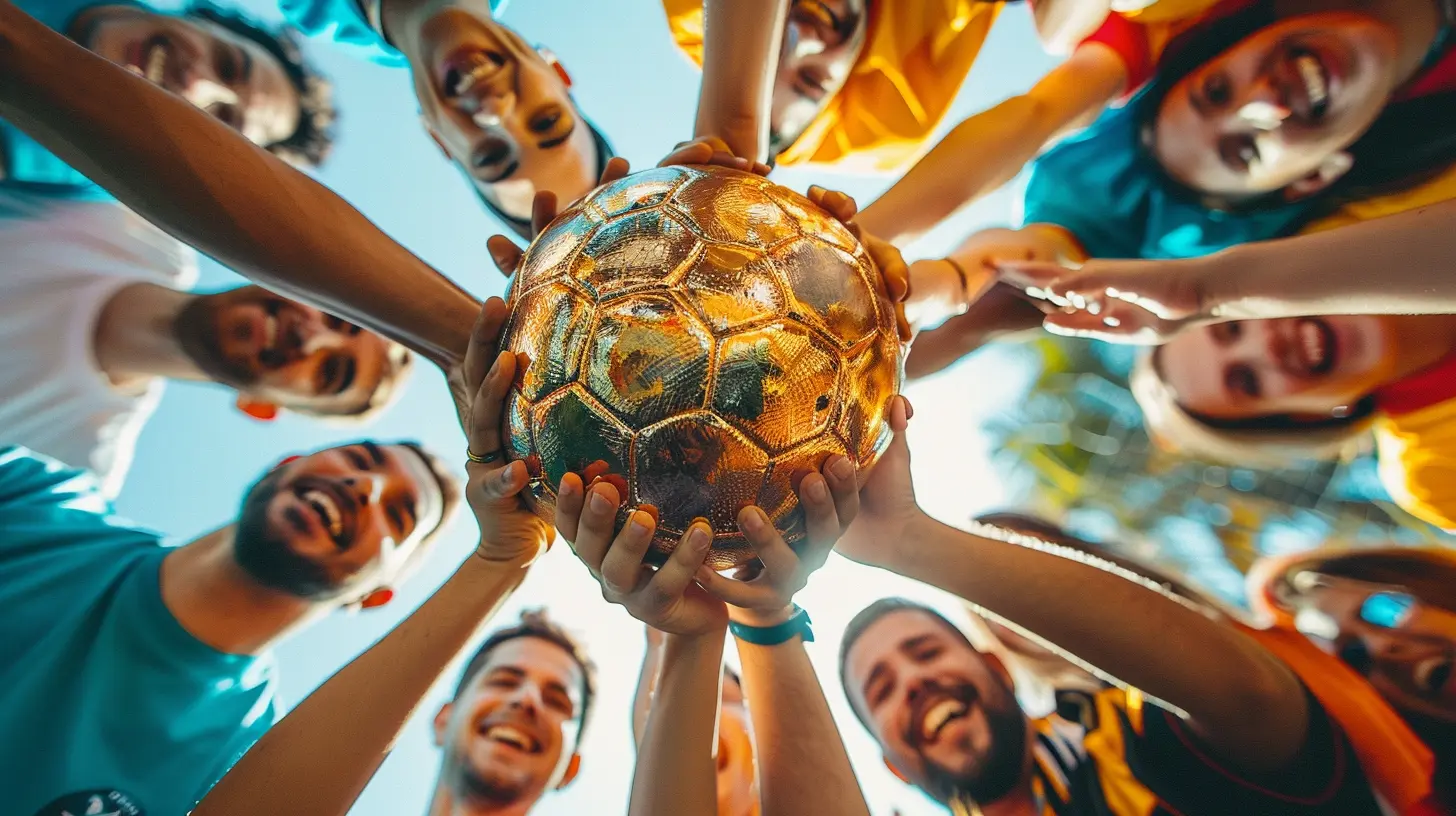
The Building Blocks of Teamwork in Sports
Now let’s dig into what actually creates great teamwork. It doesn’t just magically show up on game day. It’s developed—through blood, sweat, and sometimes literal tears.Communication
Ever tried passing the ball to a teammate who wasn’t ready? Yeah, not fun.Open, honest, and constant communication is the lifeblood of any team. Players need to talk, listen, and understand what each other needs in real time.
Trust
Trust is like glue. It holds the team together when everything’s falling apart. And it’s not just about trusting someone’s skills—it’s about believing they’ve got your back. You trust they’ll rotate on defense. You trust they’ll pass when you're open. That’s golden.Leadership
Teamwork doesn’t mean an absence of leaders—it means leaders who lift others up. A true leader empowers, rather than controls. They keep the locker room tight, make sure everybody feels heard, and lead by example—especially when it gets tough.Accountability
Let’s be honest—mistakes happen. Missed shots, dropped balls, blown assignments. What separates a great team is how they handle those moments.Teams that hold each other accountable—but in a constructive, positive way—grow stronger. Blame breaks teams apart. Ownership brings them closer.
Coaches: The Architects of Teamwork
We can’t talk about teamwork without tipping our hats to the coaches. Because really, they’re the architects of unity.Setting the Culture
Ever heard the phrase “the team takes on the personality of its coach”? That’s real. A coach who preaches unselfishness, hustle, and discipline will build a squad that lives and breathes those values.Defining Clear Roles
Great coaches don’t let egos clash. They define each player’s role clearly, and they make sure those roles are respected and appreciated. There’s no confusion—only cohesion.Managing Conflict
Let’s face it, even the best teams have drama. Teammates argue, frustrations mount, and emotions boil. Good coaches don’t avoid conflict—they manage it. They help the team grow stronger through it.Off the Field Chemistry Matters
Think teamwork is just a game-day thing? Think again.Bonding off the field—team dinners, group chats, road trip stories—goes a long, long way in building trust and understanding. When teammates care about each other as people, not just players, they fight harder for one another.
The best teams? They feel like family.
Teamwork in Individual Sports
Think teamwork only applies in team sports? Not exactly.Even in “individual” sports like tennis, cycling, or MMA, teamwork plays a massive role. Behind every champion, there’s a whole crew—coaches, trainers, nutritionists, managers, and more—in sync, supporting a single goal.
Ever heard of F1 drivers crediting their pit crew for a win? That’s teamwork.
Final Whistle: It’s All About the We, Not the Me
At the end of the day, championships aren’t won by the player with the highest salary, the flashiest skills, or the most sponsors. They’re won by the group that believes in each other, sacrifices for one another, and stays united no matter what.Teamwork is invisible—but its results are unavoidable.
So, next time you’re watching a big game and the crowd erupts after a thrilling finish, remember this: that moment didn't happen in isolation. It was the result of thousands of silent moments where teammates chose each other over themselves.
And that? That’s how teamwork wins world championships.
all images in this post were generated using AI tools
Category:
World ChampionshipsAuthor:

Nelson Bryant
Discussion
rate this article
1 comments
Jackson Mendez
Teamwork truly makes a difference in sports. It's inspiring to see how collaboration and trust among players can lead to victory and shared dreams.
May 27, 2026 at 2:48 AM
Nelson Bryant
Absolutely! When players unite with trust and collaboration, it not only elevates their game but also creates unforgettable moments on the path to victory.