What Made the 2026 MLS Season One to Remember
15 April 2026
Let’s be honest, as soccer fans, we’ve all had those seasons that sort of… blur together. A few great goals, a predictable playoff picture, and a champion that didn’t totally surprise you. Then, every once in a while, a campaign comes along that rewires your brain, changes your expectations, and leaves you buzzing for months after the final whistle. My friends, the 2026 Major League Soccer season was that season. It wasn’t just a tournament; it was a seismic event, a cultural moment where the league we thought we knew transformed before our eyes. So, grab your favorite scarf and settle in. What exactly made 2026 so utterly unforgettable? Buckle up, because it was a perfect storm of storylines, stars, and sheer, unadulterated drama.
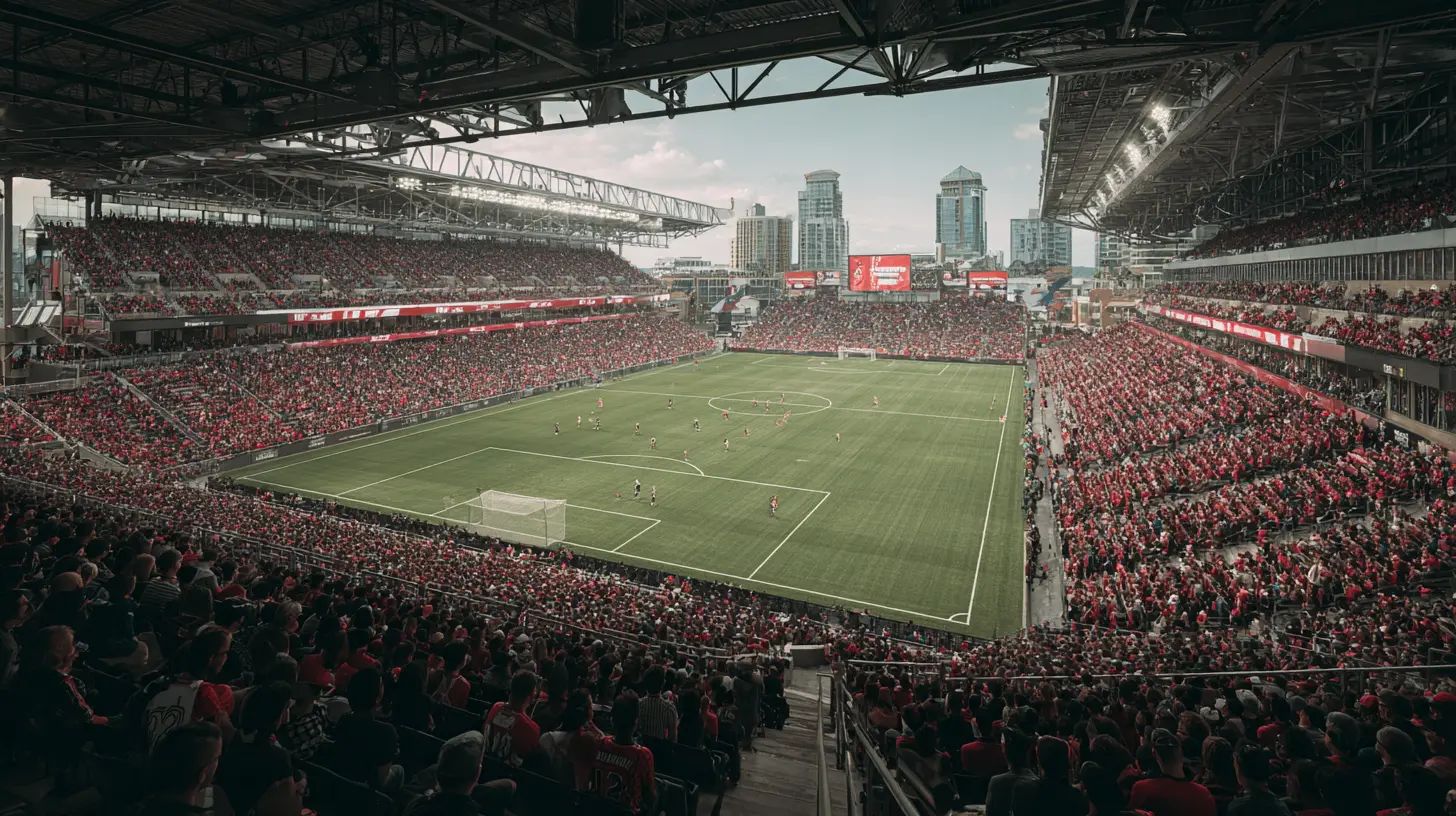
The World Cup Effect: A League Transformed Overnight
You couldn’t talk about 2026 without starting with the elephant—or rather, the globe—in the room. The 2026 FIFA World Cup, hosted across the United States, Canada, and Mexico, wasn’t just a summer tournament; it was a rocket booster strapped to the back of MLS. Think of it like a blockbuster movie trailer that played on every screen in the country, and then the feature film—the MLS season—started right after. The excitement didn't fade; it migrated.Stadiums that had just witnessed the world's best were now hosting league matches, buzzing with a new generation of fans who’d caught the soccer bug. But the impact went deeper than just vibes. This was about legacy. The infrastructure was pristine. The broadcast quality was sharper. And, most importantly, a wave of international talent looked at North America with fresh eyes. We weren’t just a "retirement league" or a "development project" anymore; we were a proven, electrifying stage. The influx of players in their prime from South America, Europe, and Africa wasn't a trickle; it was a floodgate swinging open. This raised the technical floor of the entire league, forcing tactical evolution and making every single match a potential masterclass.
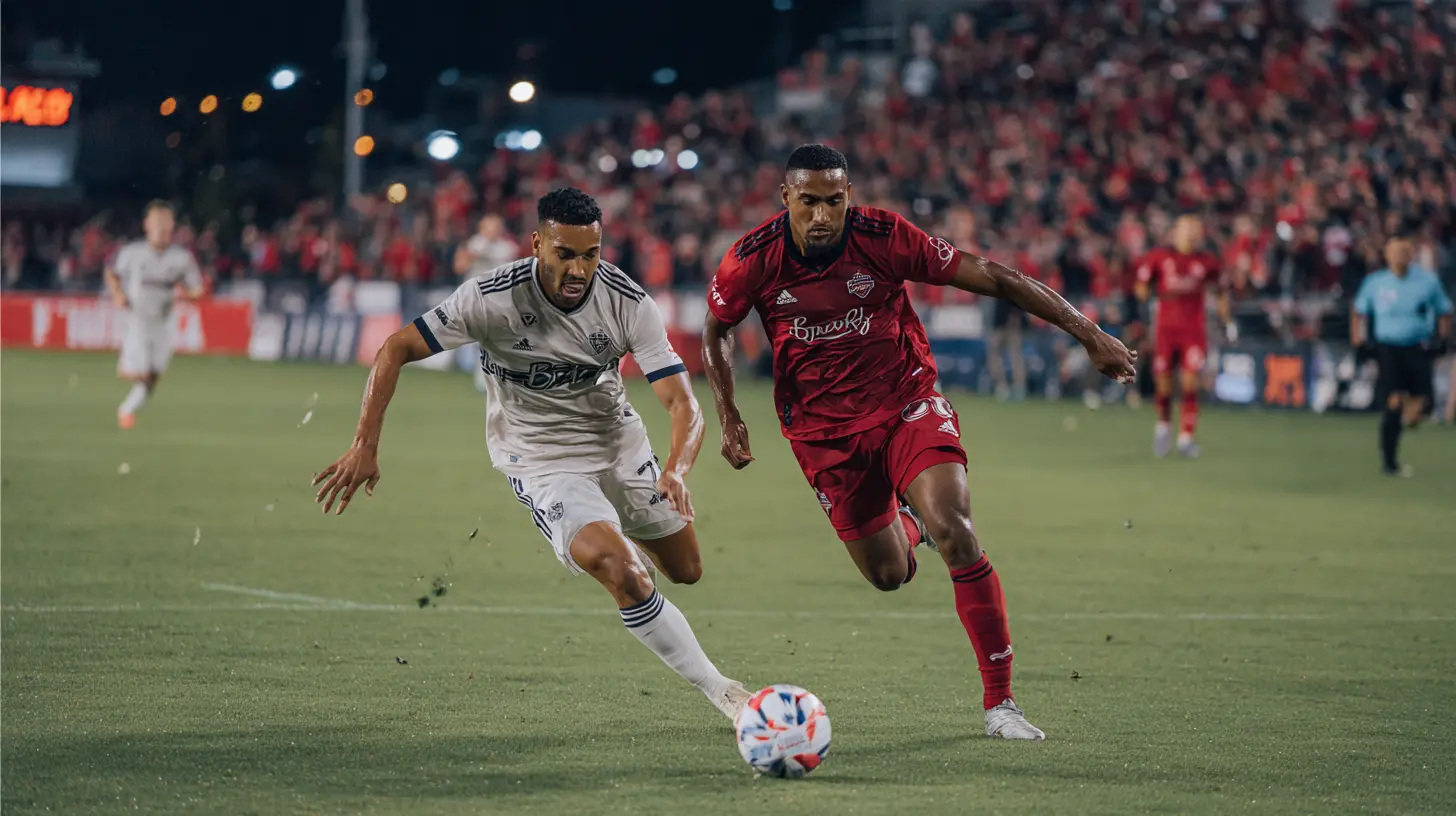
The Tactical Revolution: No More "Safe" Soccer
Remember when you could predict how most MLS games would play out? Yeah, those days were buried in 2026. Coaches, armed with more versatile and technically gifted squads, threw the old playbook out the window. We saw a daring shift from reactive, physical soccer to proactive, possession-based artistry. It was like watching the league transition from classic rock to jazz—improvisation, fluidity, and breathtaking rhythm became the norm.High-pressing systems that would make a German coach proud were deployed in Kansas City. Expansive, tiki-taka-esque build-ups became the signature in Miami. Even the so-called "underdog" teams abandoned the bunker-and-counter; they played with a courage that was contagious. This wasn't just about winning; it was about how you won. Fans were treated to a weekly buffet of tactical duels. The days of a 1-0 grind being the blueprint for success were over. The 2026 season demanded beauty, bravery, and brains, and my goodness, did the teams deliver.
The Youth Movement: Kids These Days, Right?
If the veteran imports were the league's new engine, the homegrown teenagers were the nitro boost. The 2026 season will be remembered as the year the academy products truly, emphatically, announced themselves. We’re not talking about a kid getting ten minutes off the bench. We’re talking about 17 and 18-year-olds becoming undisputed starters and match-winners for playoff contenders.It felt like every week, a new highlight reel was dominated by a teenager with ice in their veins. A 17-year-old in Philadelphia dribbling past three defenders to score a last-minute winner. An 18-year-old goalkeeper in Seattle pulling off saves that defied physics. The "MLS Next" pipeline wasn't just a concept on a website; it was the lifeblood of the season. This explosion of youth did two incredible things: it created incredibly relatable, local heroes for fans, and it pushed the older stars to unprecedented levels. The message was clear: your spot isn't safe, and that competition bred excellence at every level.
Unforgettable Stories: The Narrative Arc of a Lifetime
A great season needs great plots, and 2026 was a Pulitzer Prize-winning novel. Let's break down a few of the threads that had us all glued to our screens.The Cinderella Run That Captured a Continent
Every season has an underdog, but 2026 gave us a fairy tale for the ages. I won't spoil the team's name (part of the magic was that it could have been several!), but picture this: a small-market club, with a roster built on cast-offs and academy kids, predicted to finish dead last. They played a brand of joyful, fearless soccer that became impossible to ignore. Their stadium, once half-empty, became a fortress of pure belief. They knocked off giants, survived penalty shootouts that aged their fans ten years, and marched all the way to the MLS Cup final. They reminded us why we love sports—not for the predictable, but for the possible.The MVP Battle We Didn't See Coming
The MVP race is usually between a couple of stellar forwards. In 2026, it was a five-way street fight that lasted until the final day of the season. A veteran playmaker having a career renaissance at 34. A dynamic winger breaking the single-season assists record. A two-way midfielder who was literally everywhere on the pitch. A center-back so dominant he started getting legitimate MVP buzz (let that sink in!). And, of course, a prolific striker. The debate wasn't just in the media; it was in every bar, living room, and social media thread. It elevated every game, because any of these players could produce a moment of genius that swung the argument.The Derby That Defined a Season
Rivalries are the soul of soccer, and one particular derby in 2026 reached legendary status. It wasn't just the two matches in the regular season; it was a four-act drama that included a playoff clash. The games had everything: worldies from 30 yards out, controversial red cards, last-gasp equalizers, and a level of passion in the stands that vibrated through your TV. That rivalry became a microcosm of the season itself: technically superb, emotionally raw, and utterly unpredictable. It created moments that are now permanently etched in the folklore of both clubs.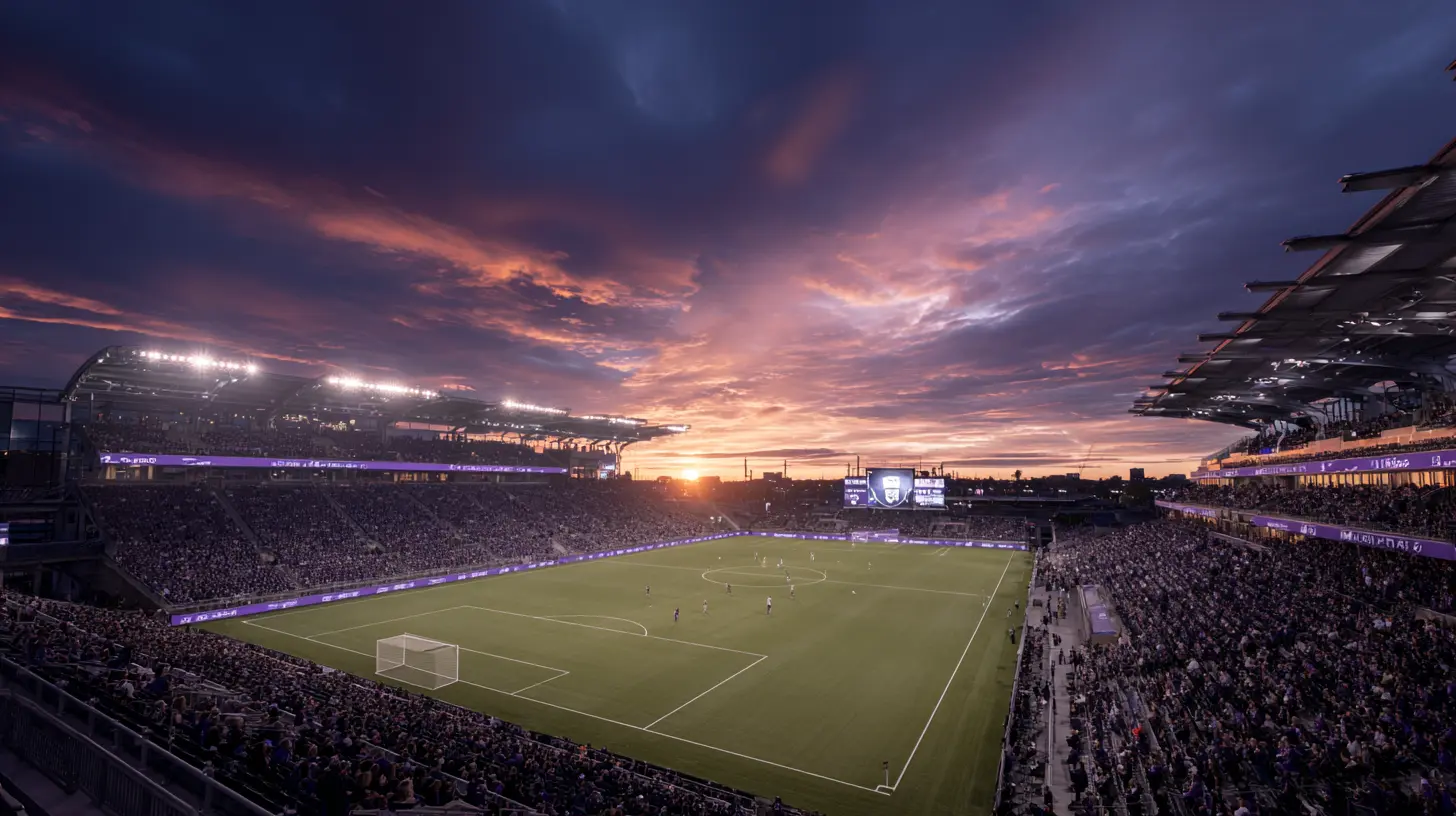
The Spectacle: More Than Just 90 Minutes
MLS finally, completely, embraced its role as entertainment. The in-stadium experience was next-level. Tifos were more elaborate, supporter sections were louder and more coordinated, and the integration of technology—from app-based fan interactions to augmented reality replays—made going to a game feel like an event. But the league also got the little things right. The broadcast crews told these deeper stories. The social media teams highlighted the personalities of the players, making them stars you wanted to root for.The season also navigated its unique challenges with surprising grace. The schedule, compressed around the World Cup, could have been a disaster. Instead, it created a breathless, can't-miss-a-game intensity. The depth of squads was tested, and it led to unexpected heroes emerging from the bench. It was chaotic, sure, but it was a beautiful chaos that kept us all on the edge of our seats from March to December.
The Legacy: What 2026 Truly Changed
So, when the confetti settled on the champion (a first-time winner, by the way, because of course it was), what were we left with? We weren't just left with memories; we were left with a fundamentally altered league.The bar had been raised, permanently. The standard of play, the tactical sophistication, the depth of talent—this was the new normal. The 2026 season proved that MLS could be a destination, not just a stepping stone. It forged a deeper connection with fans, who now saw a product that could stand proudly on the global stage. It was the season that silenced the doubters, not with words, but with a relentless, week-after-week display of spectacular soccer.
In the end, 2026 was memorable not for one single thing, but for everything happening at once. It was the convergence of a World Cup windfall, a tactical awakening, a youth revolution, and narratives that felt scripted by Hollywood. It was the season that made you believe, without a shadow of a doubt, that anything was possible. And isn't that the best feeling sports can give us?
all images in this post were generated using AI tools
Category:
Season RecapsAuthor:

Nelson Bryant
Discussion
rate this article
2 comments
Tabitha Newton
The 2026 MLS season truly stood out, highlighting emerging talents and dramatic matches. Fans were treated to unforgettable moments, from last-minute goals to intense rivalries. The league's growth and the excitement around the World Cup added to the anticipation, making it a memorable year for soccer lovers everywhere.
August 14, 2026 at 4:24 AM
Nelson Bryant
Absolutely! The 2026 MLS season delivered thrilling matches and showcased incredible emerging talents. Those unforgettable moments truly captured the spirit of soccer.
Eli Wilkerson
Ah yes, the 2026 MLS season—where thrilling ties and record low attendance became the hottest new trend. Truly groundbreaking stuff, folks!
April 15, 2026 at 11:36 AM
Nelson Bryant
You might be surprised by the excitement and unexpected moments. Every season has its quirks, and 2026 certainly brought a few.