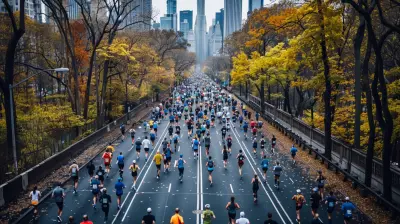
How World Championships Inspire Future Generations
1 April 2026
The world of sports has always been a source of inspiration, but there's something particularly magical about world championships. Whether it’s the FIFA World Cup, the Olympics, or the World Athletics Championships, these events have a unique ability to ignite passion, spark dreams, and shape the aspirations of future generations. But how exactly do these global spectacles inspire people across the world? Let’s dive deep into the powerful impact world championships have on shaping young minds and creating lifelong memories.

The Power of Representation
One of the most significant ways world championships inspire the next generation is through the power of representation. When a young athlete sees someone who looks like them, comes from their country, or shares their background competing on the world stage, it sends a clear message: "If they can do it, so can I."For instance, think about the impact of Usain Bolt sprinting his way into history or Serena Williams dominating tennis courts. These athletes didn’t just win medals; they became symbols of possibility. Kids all over the world see these champions and start to believe that they, too, can achieve greatness, no matter where they come from or what obstacles they face.
Representation matters. It shows that barriers can be broken, and it inspires kids from all walks of life to chase their dreams, whether that's on the track, on the field, or in life.
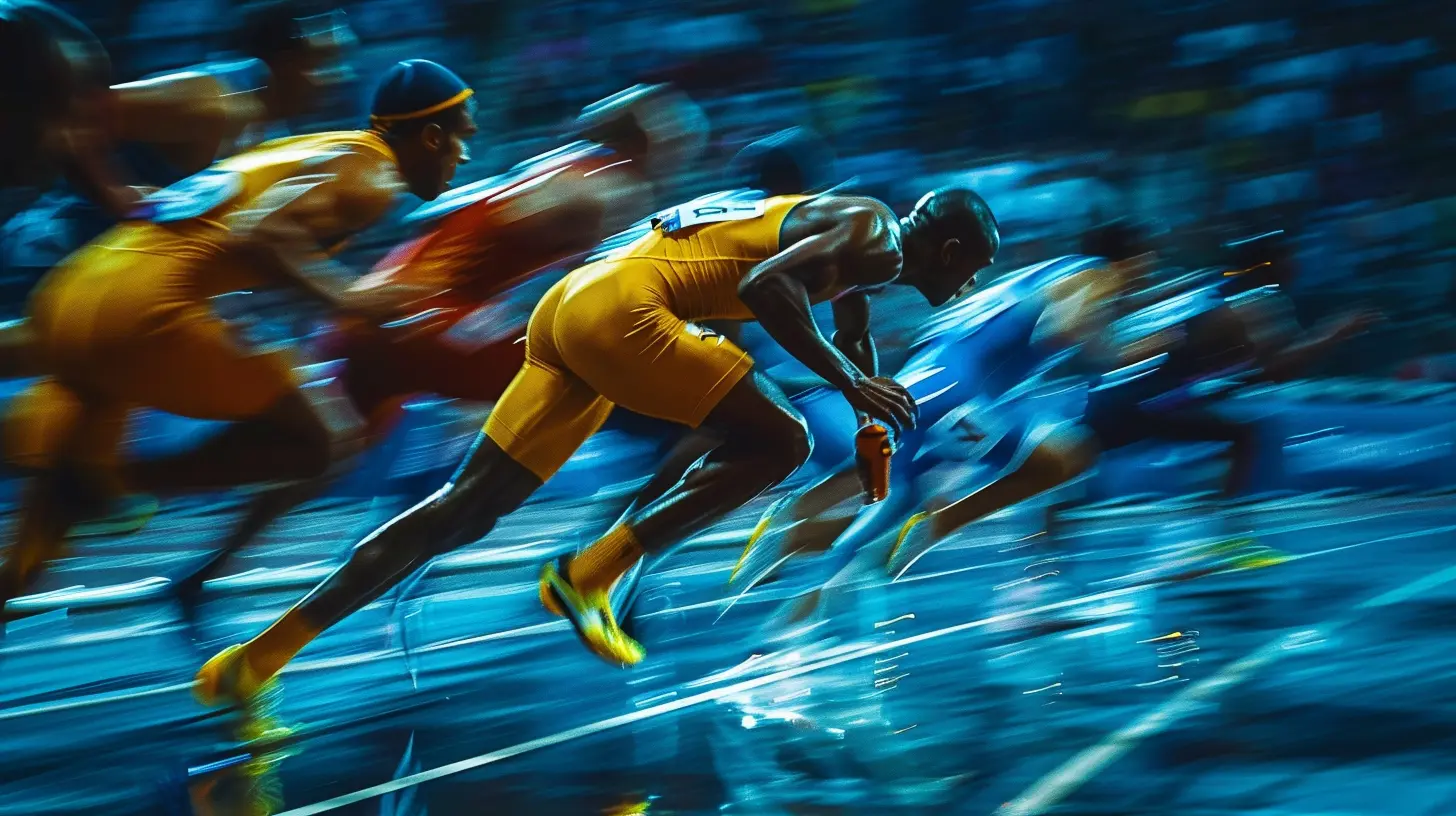
Creating Heroes and Role Models
World championships give rise to heroes. These aren’t just athletes who perform well; they are individuals who embody perseverance, determination, and the sheer will to overcome adversity. When young fans watch these athletes push through pain, defeat, and immense pressure, they learn a crucial life lesson: success isn’t handed to you on a silver platter.Take Michael Phelps, for example. His journey to becoming the most decorated Olympian of all time wasn’t without struggles. He faced personal challenges, mental health battles, and physical exhaustion. But his story is a testament to resilience. And it’s these kinds of stories that stick with young minds.
Future generations look up to these athletes not just because of their victories but because of their journeys. They learn that failing is part of the process, that hard work pays off, and that discipline can take you places you never imagined.
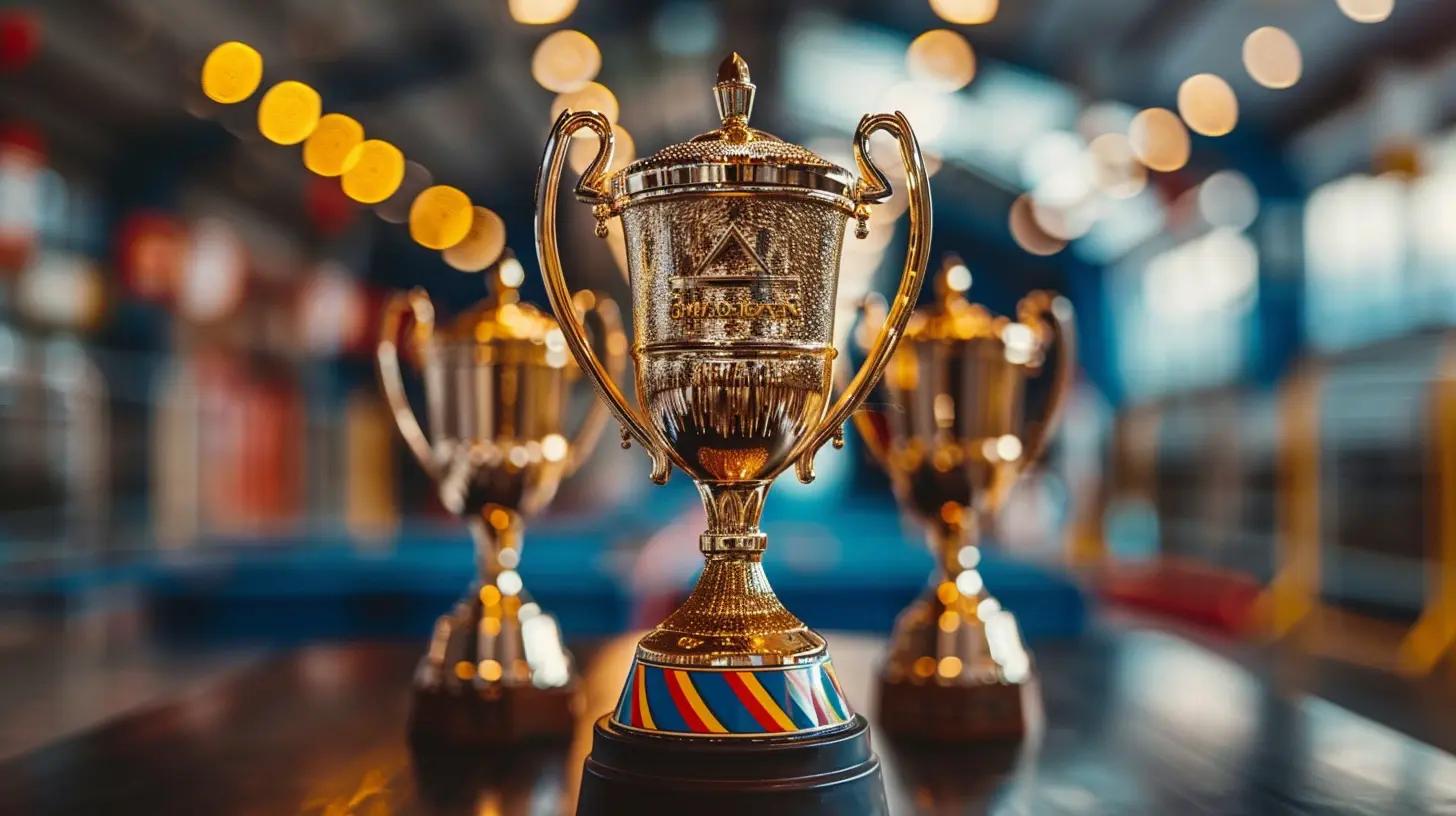
Building National Pride
Beyond individual inspiration, world championships have the unique ability to unite entire nations. When your country is competing on the world stage, there’s a sense of collective pride and unity. Whether you're watching a football match in a crowded pub or staying up late to catch the final moments of a track race, you're part of something bigger than yourself.This sense of belonging and pride can inspire future generations to represent their country with the same sense of honor. They see athletes donning the national colors, standing tall as the national anthem plays, and they want to experience that same feeling of pride firsthand.
For many young athletes, the dream isn’t just to win; it’s to represent their country on the global stage. They want to be the reason their fellow citizens stand up and cheer. This dream can ignite a lifelong dedication to their sport, pushing them to train harder, compete stronger, and dream bigger.

The Global Stage and Cultural Exchange
One of the coolest things about world championships is the global nature of the event. Athletes and fans from different countries, cultures, and backgrounds all come together for a shared love of the sport. This melting pot of cultures fosters understanding and respect, showing young people that the world is a much bigger place than the bubble they live in.When young viewers see athletes from different parts of the world competing, it not only broadens their horizons but also teaches them the value of diversity. They start to appreciate the different styles, techniques, and traditions that each country brings to the table.
Moreover, these championships provide a platform for cultural exchange. Athletes and fans alike get to experience new perspectives, which can inspire the next generation to open their minds, travel, and explore the world beyond their borders.
Pushing the Limits of Human Potential
World championships are a showcase of the best of the best. Athletes push their bodies and minds to the limit, often breaking records and setting new benchmarks for what’s humanly possible. For young athletes, seeing someone run faster, jump higher, or lift more than ever before can be mind-blowing.These moments make you rethink what’s possible. When Roger Bannister broke the four-minute mile barrier, everyone thought it was impossible—until he did it. And then, just like that, more and more athletes started breaking the barrier too.
It’s a domino effect. Once one person proves something can be done, it opens the floodgates for others to follow. That’s the power of world championships—they redefine the limits of human potential. Young athletes watching these feats start to believe that they, too, can break barriers and achieve things that were once thought impossible.
Inspiring Participation and Growth in Sports
Perhaps one of the most tangible impacts world championships have on future generations is the increase in sports participation. After every major event, there’s a surge in the number of kids signing up for sports programs, joining clubs, or simply playing in their backyard.When a young soccer fan watches their favorite player score the winning goal in the World Cup, they don’t just want to watch—they want to play. They want to replicate that feeling of scoring, of hearing the crowd roar. And this is how world championships inspire the next generation to get active.
This isn’t just important for the future of the sport; it’s crucial for the health and well-being of young people. Sports teach discipline, teamwork, and perseverance—all skills that are valuable both on and off the field. By inspiring participation, world championships are helping to foster a healthier, more active generation.
Breaking Down Gender Barriers
World championships also play a pivotal role in breaking down gender barriers in sports. Historically, many sports have been male-dominated, with women’s sports often receiving less attention, fewer resources, and less media coverage.However, in recent years, we’ve seen a shift. Events like the Women’s World Cup and the rise of female athletes like Simone Biles and Megan Rapinoe have helped to shine a spotlight on women’s sports. These athletes aren’t just inspiring young girls; they’re changing the way society views women in sports.
Young girls watching these championships now have role models to look up to. They see that it’s not just the boys who get to compete at the highest level. They see that they, too, can become world champions. This shift in representation is crucial for inspiring the next generation of female athletes and ensuring that sports continue to become more inclusive.
The Emotional Rollercoaster: Lessons in Winning and Losing
World championships are full of highs and lows. There are the elation and joy of victory, but also the heartbreak and disappointment of defeat. For young people watching, these emotional rollercoasters offer valuable life lessons.Winning is great, but it’s not always guaranteed. Watching their favorite athlete or team lose teaches young fans that defeat is part of the journey. It’s how you handle failure that defines you. Do you give up, or do you come back stronger, more determined than ever?
Athletes who lose with grace and come back to win in future competitions provide powerful examples of resilience. They show that losing doesn’t mean it’s over—it’s simply a stepping stone on the path to success.
Inspiring Innovation and Creativity
Believe it or not, world championships can also inspire innovation and creativity. Sports are constantly evolving, with athletes, coaches, and teams always looking for that extra edge. Whether it’s a new training technique, a revolutionary piece of equipment, or a fresh strategy, world championships often push the envelope in terms of innovation.When young athletes watch these events, they start to think outside the box. They realize that sometimes, it’s not just about working harder—it’s about working smarter. This mindset can inspire them to approach their training differently, to experiment with new ideas, and to never be afraid of trying something new.
Conclusion: A Legacy Beyond Medals
World championships are more than just competitions. They’re catalysts for change, inspiration, and growth. They shape the future of sports by igniting dreams, breaking down barriers, and pushing the limits of what’s possible. The athletes who compete on these stages become more than champions—they become symbols of hope, possibility, and perseverance.For the young fans watching at home, these events are more than just entertainment. They’re lessons in life, resilience, and the pursuit of greatness. They show future generations that with hard work, dedication, and a little bit of courage, anything is possible.
And that, in itself, is the real victory.
all images in this post were generated using AI tools
Category:
World ChampionshipsAuthor:

Nelson Bryant
Discussion
rate this article
2 comments
Priscilla Kane
This article beautifully captures the profound impact of World Championships on aspiring athletes. The stories of perseverance and triumph not only inspire future generations but also foster a love for sports that transcends boundaries. Thank you for sharing this insightful perspective!
April 28, 2026 at 10:54 AM
Nelson Bryant
Thank you for your kind words! I'm glad the article resonated with you. It's amazing how these stories can inspire and unite us all.
Aelith Frye
World Championships: where dreams are born, athletes are made, and kids think they can perfect a slam dunk on a backyard trampoline. Just remember, physics doesn’t play favorites! 🏆😂
April 3, 2026 at 3:52 AM
Nelson Bryant
Absolutely! The World Championships spark hope and imagination, reminding us all that while dreams are big, reality keeps us grounded... and maybe a little more cautious on that trampoline!