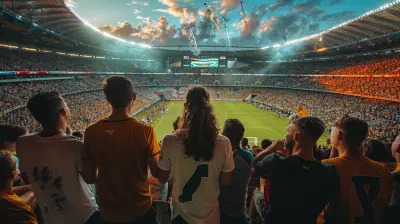
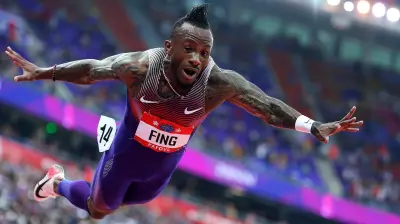
The Most Memorable Celebrations in World Championships
31 December 2025
When it comes to sports, it’s not just about scoring goals, hitting home runs, or crossing the finish line first. It’s about the moments that follow—the raw, heartfelt celebrations that stick with us for years. These are the scenes that give us goosebumps, whether we’re in the stands, sitting on a couch, or streaming on a smartphone halfway across the world.
In this post, we're diving into some of the most unforgettable celebrations in world championship history. We're talking about the joy, the tears, the dances, the leaps into crowds, and yes, the occasional shirtless sprint across the field. You’ve probably cheered along during a few of these moments—or at least seen them looped endlessly in highlight reels.
So sit back, grab your favorite jersey, and let’s relive the glory!
The Power of Celebration in Sports
Before we get into specific moments, let’s talk about why celebrations matter so much. Sports is already an emotional rollercoaster. When athletes train for years, sometimes their whole lives, and finally achieve the biggest title in their sport—well, the floodgates of emotion burst open.Celebrations are more than just joy—they’re a universal language of triumph. They unite teams, countries, and generations. Sometimes they’re spontaneous and silly; sometimes they’re planned down to the last detail. But they all have something in common: they stick in our minds.
1. Usain Bolt’s Lightning Pose – 2008 Beijing Olympics
Let’s start with a celebration that’s become iconic—the "Lightning Bolt" pose.In the 2008 Olympics, Usain Bolt shattered the 100m world record in just 9.69 seconds. Not only did he win, but he also made it look effortless. As he crossed the finish line, arms outstretched and smiling, he wasn’t just celebrating a win—he was announcing himself to the world.
Then came the pose: one arm cocked upwards, the other tucked across his chest. Kids mimic it. Broadcasters love it. It became a symbol not just of dominance, but of pure joy and charisma.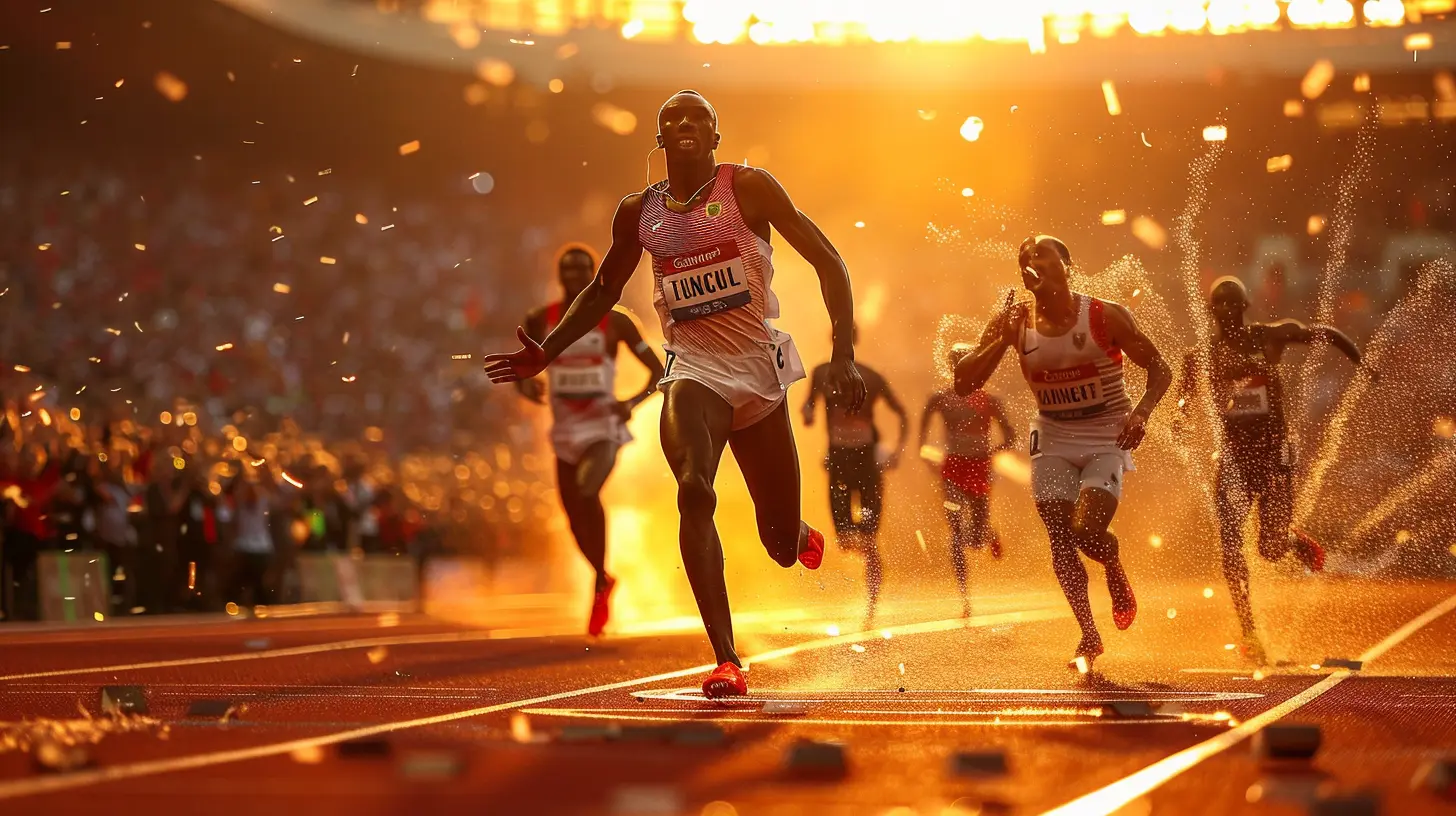
2. Andrés Iniesta’s Tribute – 2010 FIFA World Cup Final
Spain’s win in the 2010 World Cup was already historic—it was their first ever. But Andrés Iniesta’s goal celebration took it to another level of emotion.After scoring the match-winning goal in extra time, Iniesta ripped off his jersey to reveal a message: “Dani Jarque siempre con nosotros” (Dani Jarque, always with us), honoring his late friend and fellow footballer who had passed away the year before.
It was a beautiful, selfless moment of remembrance on the world’s biggest stage. The crowd roared, not just for the goal, but for the love and humility behind it.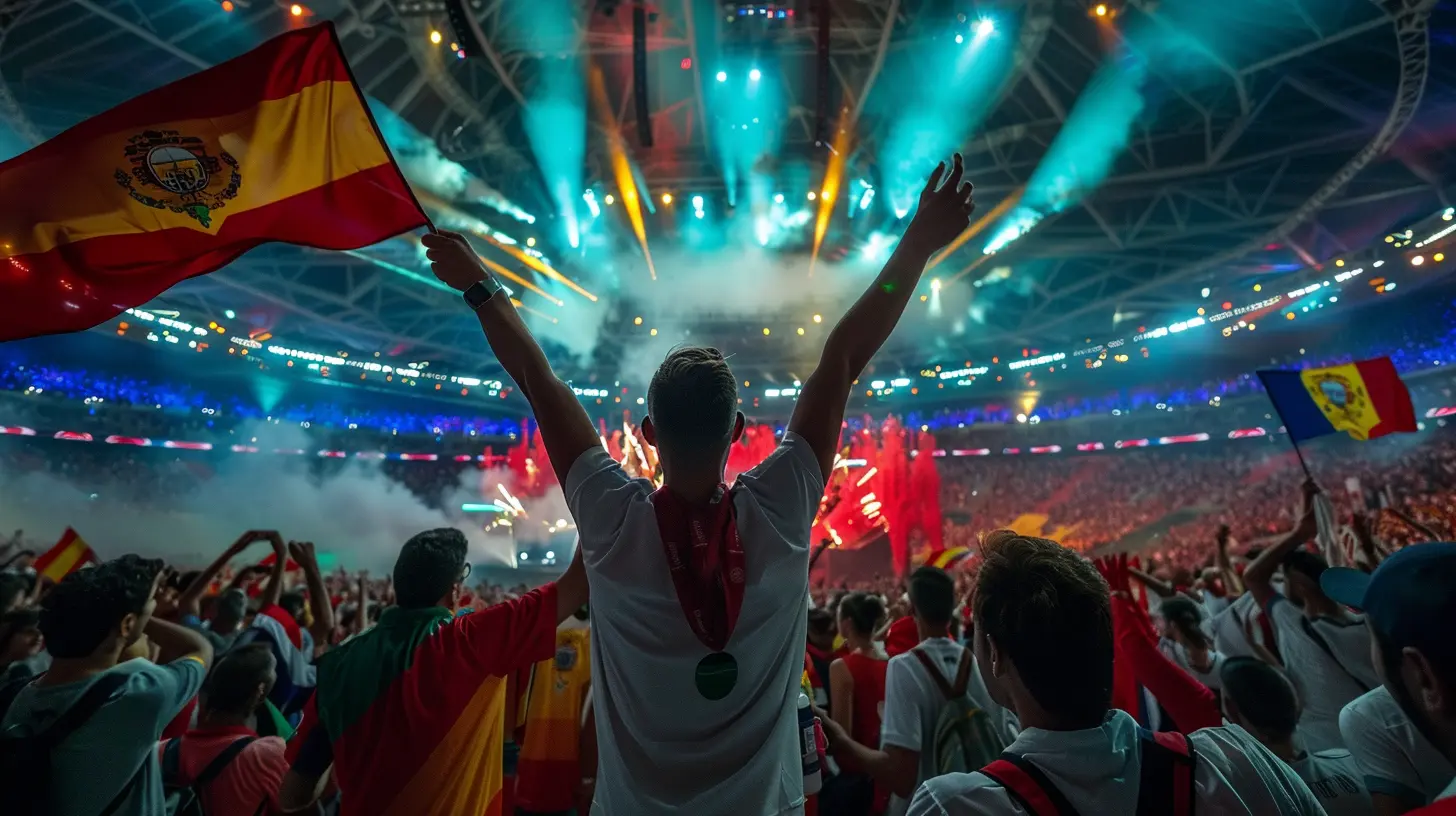
3. Brandi Chastain’s Jersey Rip – 1999 Women’s World Cup
If you were around in 1999, you probably remember this one.When Brandi Chastain scored the winning penalty against China in the Women’s World Cup Final, she dropped to her knees, ripped off her jersey, and let out a scream of pure, unfiltered happiness. It wasn’t about showing off—it was about liberation, empowerment, and breaking barriers.
That image—sports bra and all—landed on magazine covers around the world. It symbolized a turning point not just for women’s soccer, but for women in sports in general.
4. Muhammad Ali’s Roar – 1964 Heavyweight Title Fight
Let’s rewind a bit. In 1964, when a 22-year-old Cassius Clay (soon to be Muhammad Ali) shocked the world by defeating Sonny Liston, his post-fight celebration was unforgettable.With arms raised, he screamed, “I shook up the world!” over and over. And he wasn’t wrong.
Ali’s celebration wasn’t just about winning a title—it was about redefining what it meant to be a champion. He brought poetry, personality, and power to the ring—and that roar marked the beginning of a legacy.
5. France’s Unity Parade – 2018 FIFA World Cup
Celebrating a World Cup win is one thing. Turning it into a symbol of national unity is another.When France lifted the trophy in 2018, it wasn’t just about football. Their team represented a diverse blend of cultures and backgrounds, and their victory celebration became a powerful image of inclusivity and pride.
From the locker room dances led by Paul Pogba, to the Eiffel Tower lit up in blue, white, and red—the entire country partied like never before. It was more than a win—it was a statement.
6. Simone Biles’ Historic Floor Routine – 2019 World Championships
Sure, gymnastics is often seen as a sport of restraint and discipline. But when Simone Biles landed her signature move—the triple-double—at the 2019 World Championships, she couldn’t hold back her reaction.She leapt up, clapped for herself, and flashed that iconic smile. The crowd was on its feet, and her teammates couldn’t contain their excitement. It wasn’t your typical celebration, but in the world of gymnastics, it felt like a mic drop.
And honestly? She earned it.
7. The All Blacks’ Haka – Rugby World Cups
Okay, the Haka isn’t a post-win celebration—but it’s such a unique tradition that it deserves a spot here.Before each match, New Zealand’s All Blacks perform the Haka—a traditional Māori war dance—to honor their heritage and intimidate their opponents. It’s part celebration, part battle cry, and fully mesmerizing.
Every time they perform it on the world stage, it sends chills down your spine. That’s the power of culture in sport. And when they win the championship? The Haka takes on an even deeper meaning.
8. Michael Jordan’s Tears – 1996 NBA Finals
Yes, we're cheating a bit here—it’s not a “world championship” in the Olympic sense, but the NBA Finals are as global as it gets.When Michael Jordan won his fourth title in 1996, he collapsed on the locker room floor, clutching the game ball and sobbing. It was his first championship after the tragic passing of his father.
That image—of the greatest player in the world reduced to tears—was a stark reminder that these athletes are human. His celebration wasn’t wild or flashy. It was raw, painful, and unforgettable.
9. Italy’s Euro 2020 (Played in 2021) Wild Scenes
After a long, painful absence from top-level triumphs, Italy’s win at UEFA Euro 2020 (held in 2021) brought endless scenes of joy and relief.From goalkeeper Gianluigi Donnarumma’s stoic walk after saving the final penalty to Leonardo Bonucci yelling “It’s coming to Rome!” in front of camera crews—it was a celebration filled with humor, pride, and a touch of sass.
The streets of Rome? Absolute chaos. Flares, flags, and fans marching for hours. It wasn’t just a football win—Italy had just come out of a tough pandemic stretch, and this was the country’s way of breathing life again.
10. Cathy Freeman’s Flag Run – Sydney 2000 Olympics
In her home country, under the weight of immense pressure and hope, Cathy Freeman ran the 400m final like a true champion.But it was what followed that gave us chills: she jogged around the track, barefoot and wrapped in both the Australian and Aboriginal flags. It was a deeply symbolic celebration—a nod to her identity and her people.
It wasn’t flashy. It wasn’t loud. It was powerful. Freeman’s celebration sparked national conversations and united millions in pride.
What Makes a Championship Celebration “Memorable”?
Not all celebrations go viral. Some come and go. But the ones that last—the ones we remember—they hit us in the heart.Here’s what they tend to have in common:
- Emotion: Real, raw, and unrehearsed.
- Symbolism: A deeper meaning beyond the scoreboard.
- Timing: A celebration that captures the moment perfectly.
- Personality: Something unique to the athlete or the team.
Whether it's a choreographed dance, a triumphant scream, or a tearful embrace, the best celebrations tell a story. And that’s what makes them unforgettable.
The Importance of Celebrating the Wins
Let’s be honest—life doesn’t hand us too many wins. So when they come, we need to savor them. That’s true in sports, and it’s true in life.Celebrating isn’t just about boasting. It’s about acknowledging effort, honoring the journey, and creating memories that stick with us long after the confetti falls.
So the next time you see a wild celebration at a World Championship, remember: you're not just watching athletes rejoice. You're witnessing history in motion.
And who knows? Maybe your moment’s next.
all images in this post were generated using AI tools
Category:
World ChampionshipsAuthor:
Nelson Bryant
Discussion
rate this article
2 comments
Kassidy McIntyre
Jumping higher than my bills!
February 7, 2026 at 5:48 AM
Nelson Bryant
Glad to hear you're celebrating! Here's to high spirits and unforgettable moments!
Remington Kelly
Celebrations in sports unite us all, reminding us of the joy and passion that transcends individual rivalries. Truly unforgettable moments!
January 6, 2026 at 3:47 AM
Nelson Bryant
Thank you! Celebrations truly capture the spirit of sports, bringing fans together and creating lasting memories.