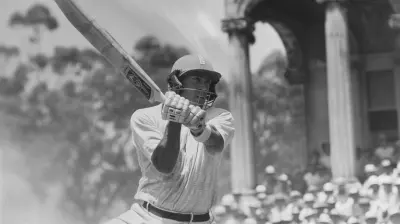
The First Olympic Games: How a Tradition Was Reborn
8 March 2026
The Olympic Games stand as one of the greatest sporting traditions in human history. Every four years, the world gathers to celebrate athletic excellence, cultural pride, and the spirit of competition. But have you ever wondered how this grand spectacle came to be? The modern Olympic Games may be a global phenomenon, but their roots trace back to ancient Greece. After centuries of dormancy, a group of visionaries revived this historic tradition, giving birth to the first modern Olympic Games in 1896.
Let’s take a journey back in time and uncover how the Olympics were reborn!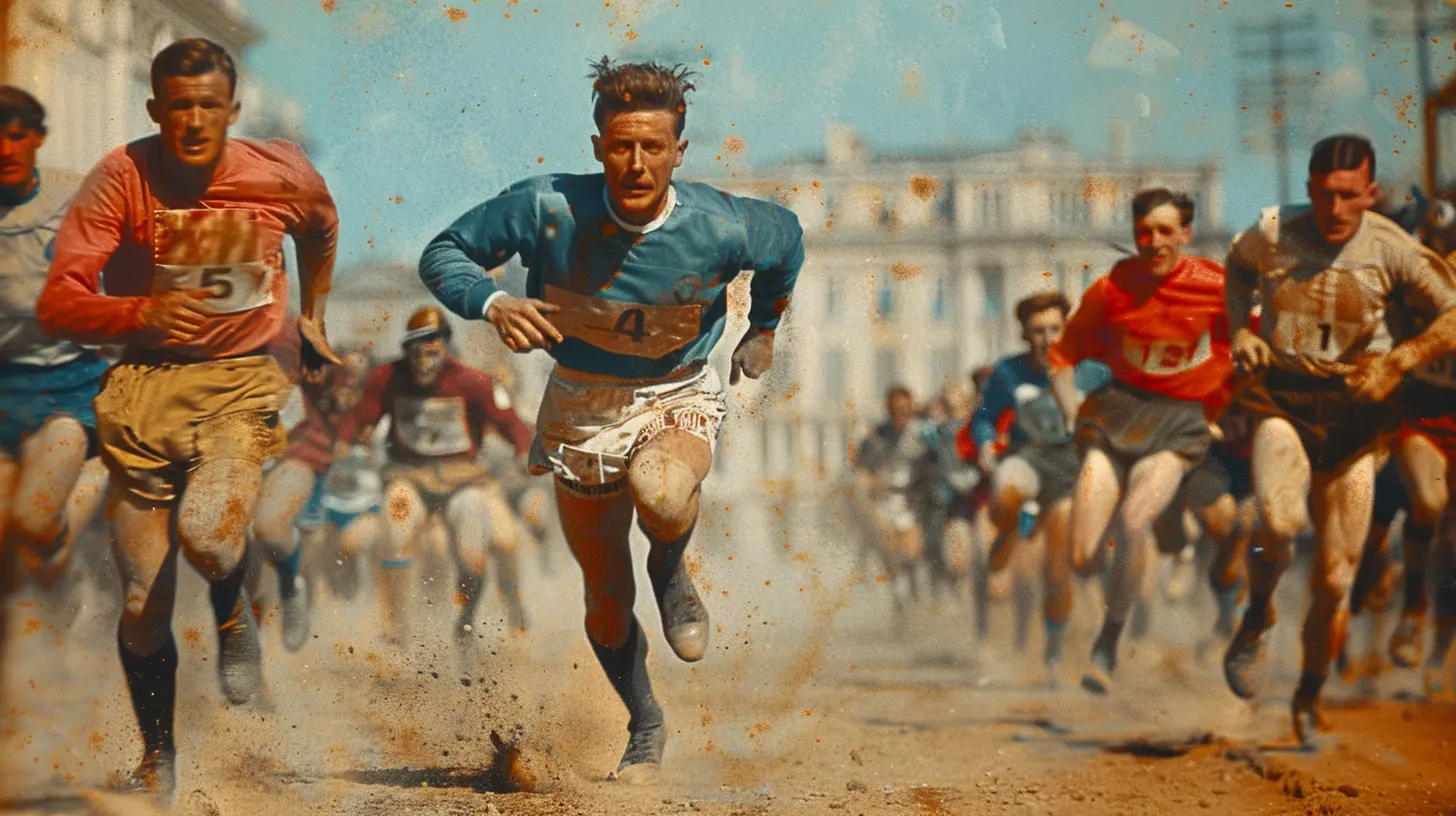
The Ancient Olympics: A Sacred Tradition
Long before the bright lights of stadiums and the roar of millions of spectators, the original Olympic Games had a very different purpose. The first recorded Olympics took place in Olympia, Greece, in 776 BCE. These ancient games were not just about athletic prowess; they were a religious festival dedicated to Zeus, the king of the gods.What Were the Ancient Olympics Like?
Unlike today’s massive event featuring hundreds of nations, the ancient Olympics were an exclusive Greek affair. Only free Greek men could compete, and events were far fewer than what we have today. Some of the popular competitions included:- Stadion race (A short sprint, roughly 192 meters long)
- Wrestling (A brutal test of strength and skill)
- Pankration (A no-rules combat sport, a mix of wrestling and boxing)
- Chariot Racing (The Formula 1 of ancient times)
For over a thousand years, these games were held every four years—just like today. However, in 393 CE, Roman Emperor Theodosius I banned them, believing they were a pagan ritual. And just like that, the Olympics vanished.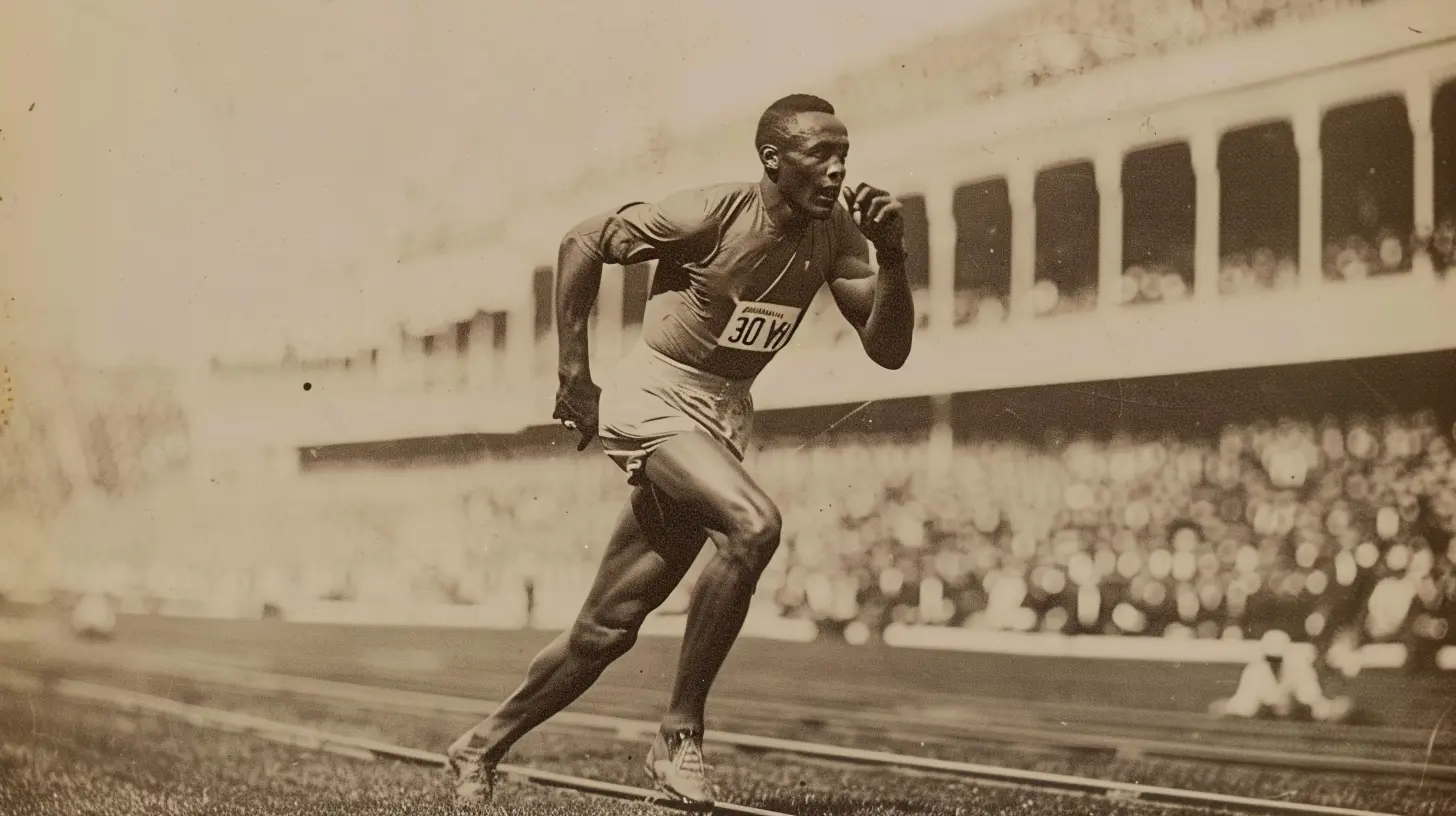
The Long Hiatus: A World Without the Olympics
For over 1,500 years, the world went without the grand spectacle of the Olympics. Imagine if your favorite sports event was erased from history for that long! Society changed, empires rose and fell, and sports evolved. Yet, the spirit of competition never died. By the 19th century, as Europe underwent cultural and intellectual revival, the idea of reviving the Olympics started to gain traction.And then came the man who made it all happen.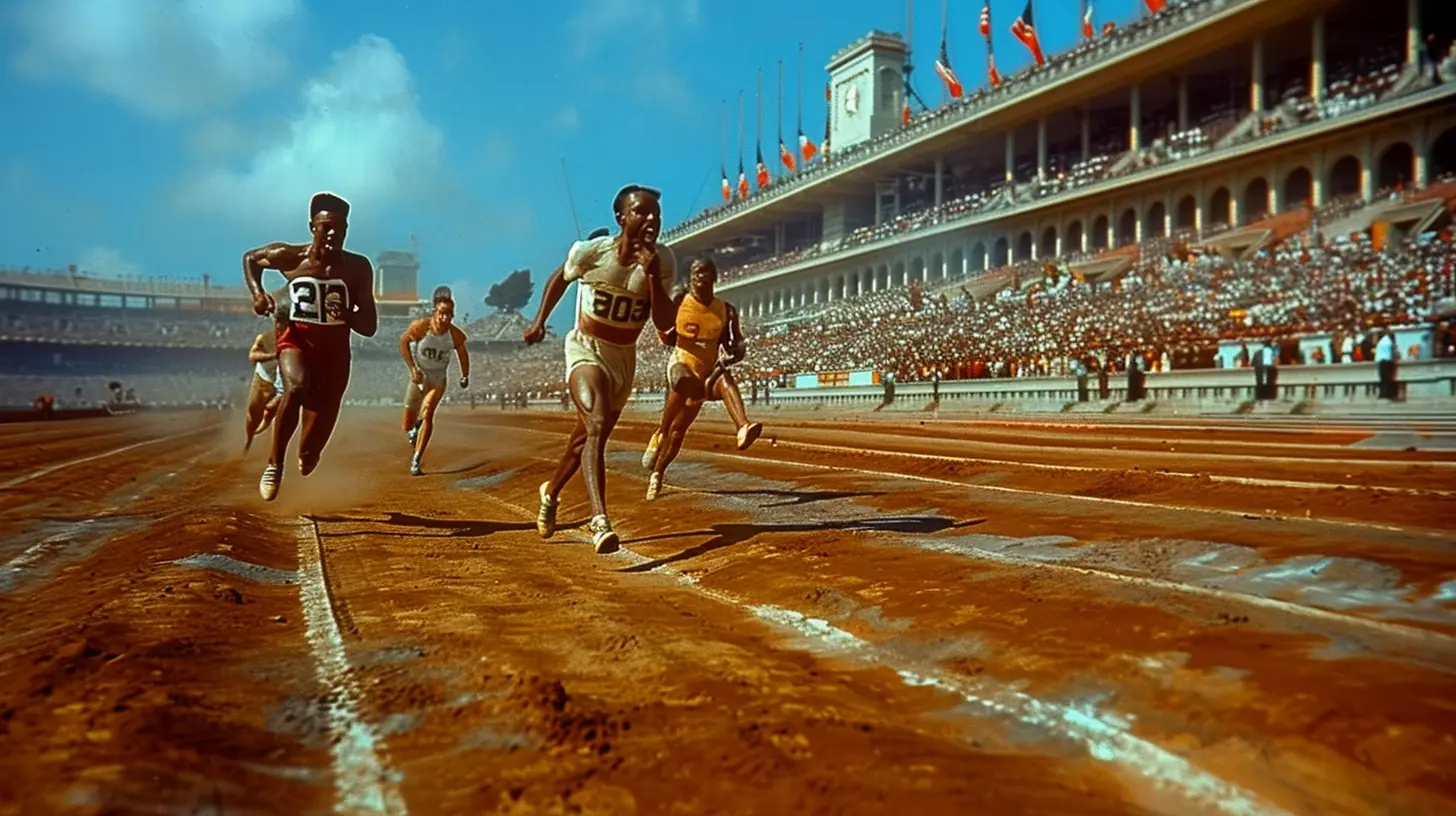
Pierre de Coubertin: The Man Behind the Modern Olympics
If the ancient Greeks gave birth to the Olympics, Pierre de Coubertin was the man who resurrected them. A French historian and educator, Coubertin believed that sports held the power to unite nations and promote peace. He was obsessed with the idea of bringing back the Olympic Games—not as a religious festival, but as a global sporting event that fostered goodwill among countries.How Did He Revive the Olympics?
Coubertin wasn’t just a dreamer; he was a doer. In 1894, he founded the International Olympic Committee (IOC). This was the first step in making his vision a reality. He gathered support from various nations, convincing them that the time had come to restart the Olympic tradition.And so, the world agreed. The first modern Olympics was set for Athens, Greece, in 1896—a fitting tribute to the land where it all began.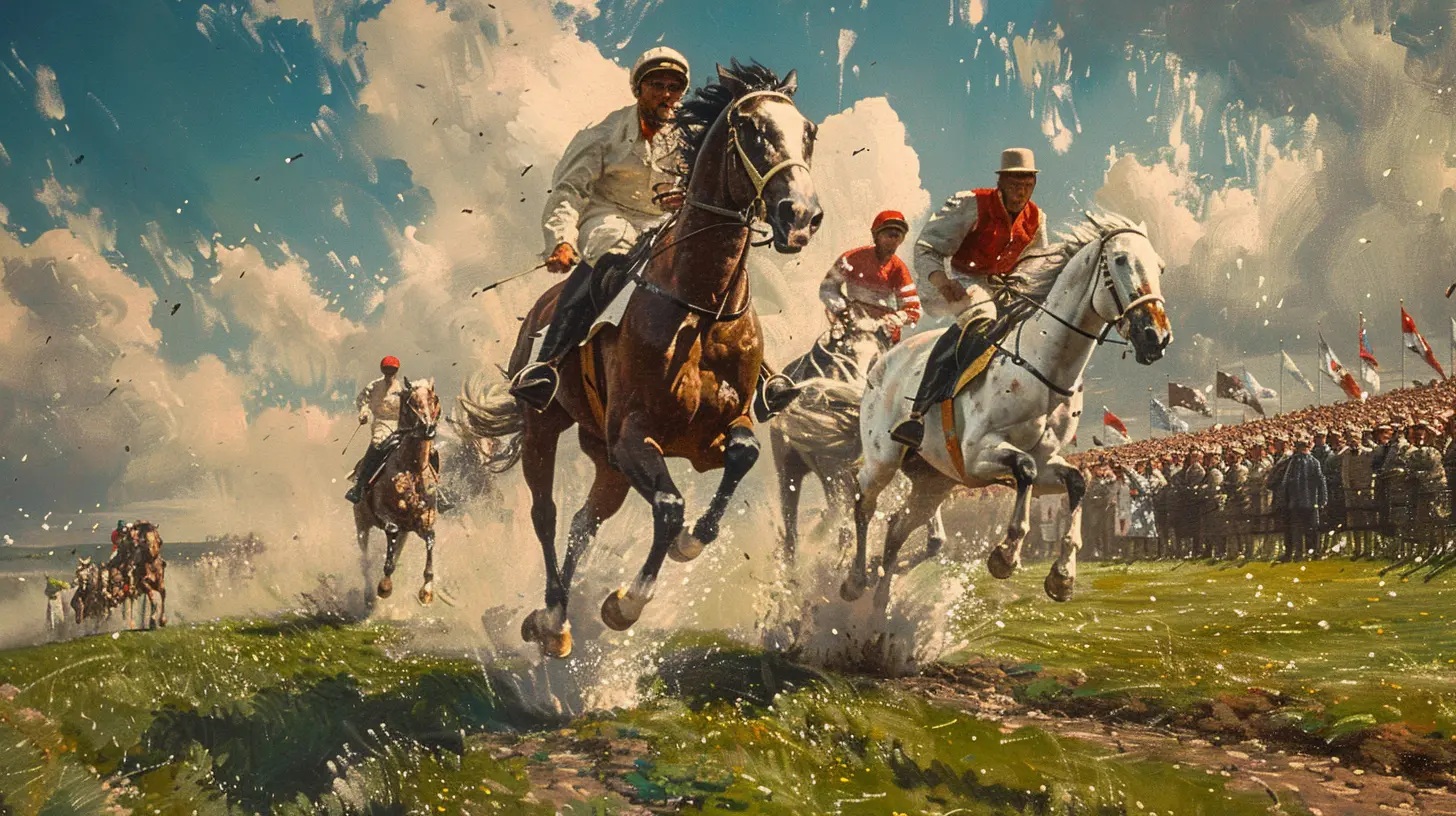
Athens 1896: The Birth of the Modern Olympic Games
The first modern Olympic Games kicked off on April 6, 1896. Held in the Panathenaic Stadium—an ancient venue restored for the occasion—the event was a historic moment.Key Highlights from the 1896 Olympics
- 14 Countries Participated: Though small compared to today’s Olympics, this was a big step towards international competition.- 241 Athletes Competed: Every single competitor was male. Women weren’t allowed to participate until the 1900 Paris Olympics.
- 43 Events Across 9 Sports: These included athletics, swimming, gymnastics, weightlifting, wrestling, fencing, cycling, shooting, and tennis.
- Marathon Was Introduced: Inspired by the legendary Greek soldier Pheidippides, the marathon was created as a tribute to his historic long-distance run.
One of the biggest stars of the 1896 Olympics was Spyridon Louis, a Greek runner who won the marathon, instantly becoming a national hero.
But the most significant achievement of these games? The Olympics were officially back.
The Growth of the Olympics: From Athens to the World
The success of the 1896 Olympics proved that the world was hungry for a grand sporting tradition. Over the next few decades, the Olympics expanded in size, scope, and importance. Let's take a quick look at how the Games evolved:Key Milestones in Olympic History
- 1900 (Paris) – First time women were allowed to compete.- 1924 (Paris) – The Winter Olympics were introduced.
- 1936 (Berlin) – The first-ever Olympic torch relay was held.
- 1960 (Rome) – The Olympics were broadcast live on TV for the first time.
- 2012 (London) – The first Olympics where every country sent female athletes.
From a handful of nations in 1896 to over 200 countries today, the Olympic Games have truly become a global festival of sport.
The Olympic Spirit: More Than Just Sports
The Olympics are more than just a collection of competitions. They represent the spirit of unity, perseverance, and excellence. Athletes train for years, sometimes overcoming personal hardships just for the chance to compete. For many, the Olympics are the pinnacle of their careers—their defining moment of glory.The Olympic Motto: Faster, Higher, Stronger – Together
The Olympic motto, Citius, Altius, Fortius – Communiter (Faster, Higher, Stronger – Together), captures the essence of the Games. They are about pushing human limits, achieving greatness, and doing it all together.The Legacy of the First Olympics
The 1896 Olympics may not have been the largest or most extravagant, but they set the foundation for something far greater. Without those first Games, we wouldn’t have the Olympic champions, record-breaking performances, or unforgettable moments that inspire generations.Where Are We Now?
Today, the Olympics continue to be a symbol of hope, peace, and perseverance. Even in times of global conflicts and challenges, the Games are a reminder that nations can come together through the power of sport.Final Thoughts
The Olympics started as a modest Greek tradition and have grown into a global phenomenon. From their disappearance in ancient times to their rebirth in 1896, they've overcome incredible odds to become what they are today.So the next time you watch the Olympics, remember—you’re not just witnessing a sporting event. You're watching history unfold, a tradition that began thousands of years ago and continues to shape the world as we know it.
all images in this post were generated using AI tools
Category:
Sports HistoryAuthor:

Nelson Bryant
Discussion
rate this article
2 comments
Gisela Cross
This article beautifully captures the revival of the Olympic Games, highlighting the historical significance and cultural impact of the ancient tradition. It’s fascinating to see how the modern Olympics have evolved while preserving their core values of competition, unity, and sportsmanship—a true testament to the enduring spirit of athleticism.
April 9, 2026 at 4:42 AM
Nelson Bryant
Thank you for your thoughtful comment! I'm glad you found the article resonates with the spirit of the Olympics and its rich history.
Viva Schultz
This article beautifully captures the essence of the Olympic Games' revival. It highlights how the ancient traditions have evolved and continue to inspire nations worldwide. The interplay of history and modernity is fascinating, reminding us that the Olympic spirit transcends time and unites us in the pursuit of excellence. Great read!
March 13, 2026 at 3:26 AM
Nelson Bryant
Thank you! I'm glad you enjoyed the article and found the connection between history and modernity inspiring. The Olympic spirit truly is powerful.