Legacy on the Line: Historic Titles Defended in 2027
23 September 2026
Every championship has a story. But some titles carry more weight than others. When a team or athlete has to defend a historic title, the pressure changes. The stakes feel different. The margin for error shrinks. And the question shifts from "Can they win?" to "Can they do it again?"
In 2027, several historic titles will be on the line. Some are dynasties trying to extend their run. Others are underdogs who shocked the world and now face the hardest task in sports: proving it was not a fluke. This article breaks down what makes title defenses so difficult, which historic championships could be contested in 2027, and how athletes and teams can prepare for the unique challenge of protecting a legacy.

Why Defending a Title Is Harder Than Winning One
Winning a championship requires talent, timing, health, and often a bit of luck. Defending one requires all of that plus something harder to measure: the ability to stay hungry when everyone around you is telling you how great you already are.There is a well-known pattern in sports psychology called the "championship hangover." It does not always show up as a losing record. Sometimes it shows up as a slow start, a dip in intensity, or a locker room that quietly loses its edge. The reasons are practical.
First, the schedule changes. Champions get shorter offseasons, more media obligations, and more travel. Recovery time disappears. Second, opponents change. Every team on the schedule circles the defending champion. Coaches spend extra hours studying film. Players treat the game like a personal test. Third, the internal dynamic changes. Contract disputes, coaching turnover, and complacency creep in.
The result is that repeating is rare in most sports. In the NFL, no team has won back-to-back Super Bowls since the 2003-2004 New England Patriots. In the NBA, repeat champions exist but are far less common than first-time winners. In international soccer, no men's national team has defended a World Cup title since Brazil in 1962.
That is why 2027 matters. Any historic title defended that year will be an outlier, not the norm. And outliers are worth studying.

What Counts as a "Historic" Title
Not every championship is historic. A first title for a franchise can be historic if it breaks a long drought. A title that completes a three-peat is historic. A title won by an athlete who becomes the first from their country to do so is historic.For the purposes of this article, a historic title has at least one of these traits:
- It extends a dynasty of three or more consecutive titles.
- It breaks or matches a record that has stood for decades.
- It confirms a breakthrough that changed how a sport is played or perceived.
- It carries cultural weight beyond the box score.
When a title like that is on the line, the defense is not just about one season. It is about legacy. And legacy pressure is different from ordinary pressure.
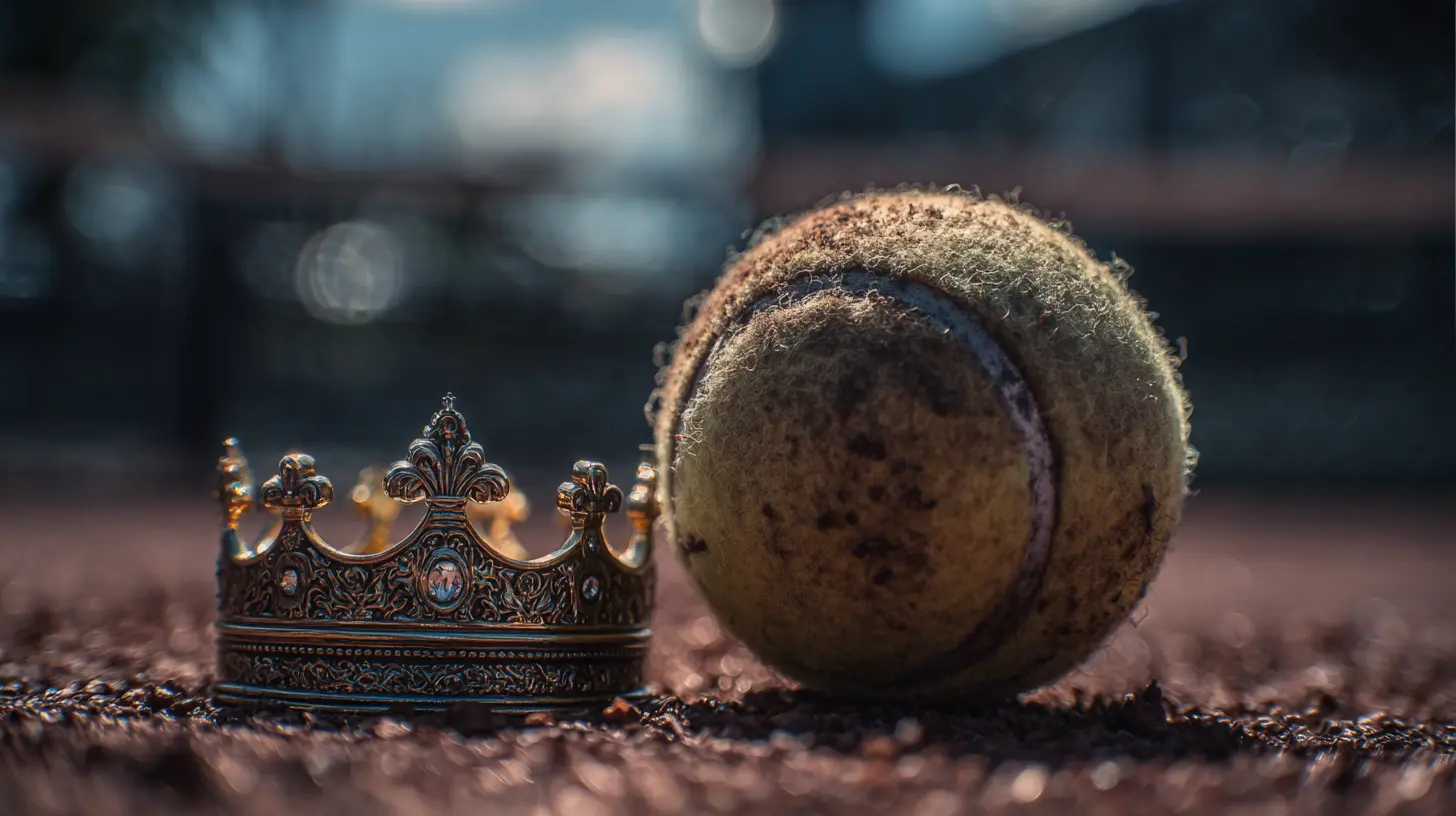
The 2027 Landscape: Where Historic Defenses Could Happen
I cannot predict the future, and I will not invent results. But I can identify the kinds of situations where a historic title defense is most likely to be contested in 2027, based on cycles, contracts, and competitive windows that are already visible.International Soccer
The 2026 FIFA World Cup will be played in the United States, Canada, and Mexico. That means the 2027 calendar is a post-World Cup year. Historically, post-World Cup years are transitional. National teams rebuild, veterans retire, and new coaches experiment.But if a nation wins the 2026 World Cup in dominant fashion, the 2027 Confederations Cup or continental tournaments could become a stage for defending that legacy. The challenge is real: World Cup winners often struggle in the year after because motivation drops and opponents treat every match like a final.
Basketball
The NBA's global reach keeps growing, and by 2027 the league could have a defending champion chasing a third or fourth title. If a team like the Denver Nuggets, Boston Celtics, or another contender builds a sustained run, the 2027 Finals could be a legacy moment. The key variable is health. NBA title defenses are often decided by who is available in May and June, not who is best in October.American Football
The NFL's parity rules make repeat championships extremely difficult. But if a team wins the Super Bowl in 2026 and returns to the big game in 2027, the narrative will be about dynasty. The Chiefs came close in recent years. Whether they or another team can break the repeat drought by 2027 depends on quarterback stability, offensive line health, and defensive coaching.Motorsport and Individual Sports
In Formula 1, MotoGP, tennis, and golf, historic title defenses are often about individual dominance. A driver or player chasing a fifth or sixth consecutive title faces a different challenge than a team. There is no locker room to manage, but there is a personal toll: travel, burnout, and the psychological weight of being the target every week.
The Anatomy of a Successful Title Defense
What separates champions who repeat from those who fade? Based on patterns across sports, a few factors show up again and again.1. Elite Preparation Habits
Defending champions who repeat tend to treat the offseason like a challenger, not a champion. They add new wrinkles to their system. They rest injured players longer. They bring in fresh voices on the coaching staff. The goal is to avoid stagnation.A practical example: the San Antonio Spurs under Gregg Popovich frequently changed their offensive emphasis from year to year, even after winning titles. That kept opponents from solving them.
2. Roster Flexibility
Sports are unpredictable. Injuries happen. Trades happen. The teams that defend titles well usually have depth and cap flexibility. They are not locked into a single style of play. They can win a shootout or a defensive struggle.3. Mental Recharge
Motivation is not infinite. Coaches and athletes who defend titles often talk about finding a new "why." It might be a personal record, a teammate's return from injury, or a chance to prove critics wrong. The point is that the old motivation, winning the first title, no longer works.4. Handling the Target
When you are the champion, every opponent plays harder. That is not a cliche. It is measurable in effort stats, physicality, and crowd energy. Successful defenders embrace this. They expect the best from everyone and prepare accordingly. They do not complain about it.Common Mistakes in Title Defenses
Even great teams make mistakes when defending a title. Here are the most common ones, with explanations of why they happen and how to avoid them.Running It Back Without Adjustment
Loyalty is admirable. But keeping the exact same roster, same scheme, and same approach rarely works. Opponents adapt. Aging curves catch up. The mistake is assuming that what worked last year will work again.Better approach: Keep the core, but change 10 to 20 percent of the system. Add a new play, a new defensive look, or a new training method.
Overloading the Schedule
Champions get invited everywhere. Corporate events, charity galas, media tours. These commitments can erode training time. The mistake is saying yes to everything.Better approach: Set hard limits in the offseason. Protect recovery and skill work. Say no more than yes.
Ignoring Mental Health
The pressure of defending a title is real. Athletes report anxiety, sleep problems, and irritability. Ignoring these signs leads to burnout and injury.Better approach: Build mental health support into the team structure. Normalize conversations about pressure. Use sports psychologists proactively, not reactively.
Chasing Perfection
Defending champions sometimes try to be flawless. That leads to tight play, fear of mistakes, and hesitation. The mistake is forgetting that championships are won by teams that play free, not perfect.Better approach: Emphasize process over outcome. Focus on effort, execution, and communication. Let results follow.
Practical Advice for Athletes and Teams Facing a 2027 Defense
If you are part of a team or an individual athlete preparing to defend a historic title in 2027, here is a practical framework.Step 1: Define the New Goal
The old goal was to win. The new goal must be different. Examples: improve a specific stat, integrate a new teammate, win a specific rival matchup, or break a personal record. Write it down. Make it measurable.Step 2: Audit the Offseason
Look at the last championship season. What worked? What barely worked? What was lucky? Be honest. Then design an offseason that addresses the weak points, not just the strengths.Step 3: Manage the Calendar
Block out recovery weeks. Block out media windows. Protect sleep and nutrition. Treat these as non-negotiable, just like practice.Step 4: Build a Support Network
No one defends a title alone. Coaches, trainers, analysts, family, and friends all matter. Identify the people who keep you grounded. Lean on them before the season starts, not after a losing streak.Step 5: Embrace the Villain Role
When you are the champion, crowds cheer against you. Media questions get sharper. Opponents celebrate harder when they beat you. This is normal. Do not fight it. Use it as fuel. Many repeat champions talk about enjoying the role of the team everyone wants to beat.What Readers Should Consider Before Judging a Title Defense
Fans and analysts often judge title defenses too quickly. A slow start in October does not mean a team is done. A midseason injury does not mean the legacy is lost. Sports history is full of champions who looked vulnerable and then won again.Before you write off a defending champion in 2027, consider these questions:
- Is the core group healthy and motivated?
- Has the coaching staff shown the ability to adjust?
- Is the schedule backloaded or frontloaded?
- Are young players developing or stagnating?
- Is the locker room united or fractured?
These factors matter more than early-season records.
The Bigger Picture: Why 2027 Matters
Sports need dynasties. They need villains and heroes. They need the drama of a champion walking into a hostile arena with everything to lose. A historic title defense in 2027 would give fans exactly that.But there is a deeper reason to care. Title defenses test the limits of human performance and psychology. They show us what sustained excellence looks like. They teach lessons about preparation, humility, and resilience that apply far beyond sports.
Whether it is a soccer team chasing a second World Cup, a basketball team seeking a three-peat, or a tennis player defending a Grand Slam streak, the story is the same. Legacy is not given. It is defended. And defending it is the hardest thing in sports.
Final Thoughts
As 2027 approaches, keep an eye on the champions. Watch how they handle the offseason. Watch how they talk about pressure. Watch how they respond to their first loss. Those moments will tell you more than any preseason ranking.Historic titles are rare. Historic defenses are rarer. If we get one in 2027, it will be worth remembering. And if you are an athlete or coach preparing for that challenge, start now. The work you do today is the legacy you defend tomorrow.
all images in this post were generated using AI tools
Category:
Upcoming TournamentsAuthor:

Nelson Bryant