Jackie Robinson: Breaking Barriers in Baseball and Beyond
22 July 2026
When you think of sports legends who changed the game—not just on the field but in society too—one name always stands out: Jackie Robinson. He didn’t just slide into home plate; he slid into history, shattering the color barrier in Major League Baseball and igniting a movement way bigger than baseball.
Let’s dive into why Jackie Robinson mattered then, why he still matters now, and how his story goes way beyond bats and balls.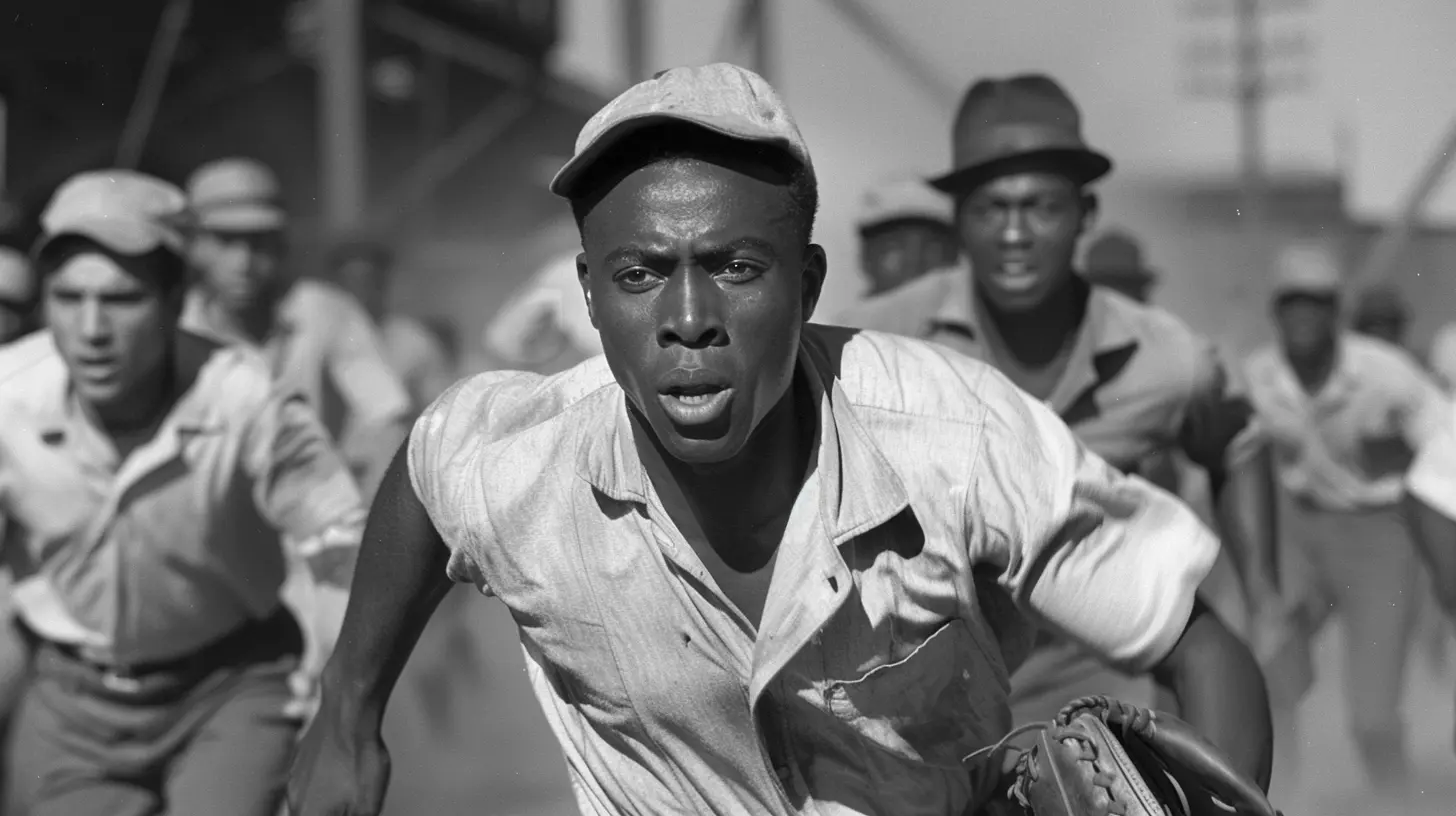
Who Was Jackie Robinson?
Jackie Robinson wasn't born a legend. He was born Jack Roosevelt Robinson on January 31, 1919, in Cairo, Georgia. Life wasn’t easy for his family. His dad left when Jackie was just a baby, forcing his mom to raise five kids on her own. They eventually moved to Pasadena, California, where racism didn’t disappear—it just wore a different outfit.Even as a kid, Jackie had this fire in him. You could see it on the playground, on the football field, and eventually, on the baseball diamond. He was a natural-born athlete. But he wasn't just about winning games. He was about winning respect.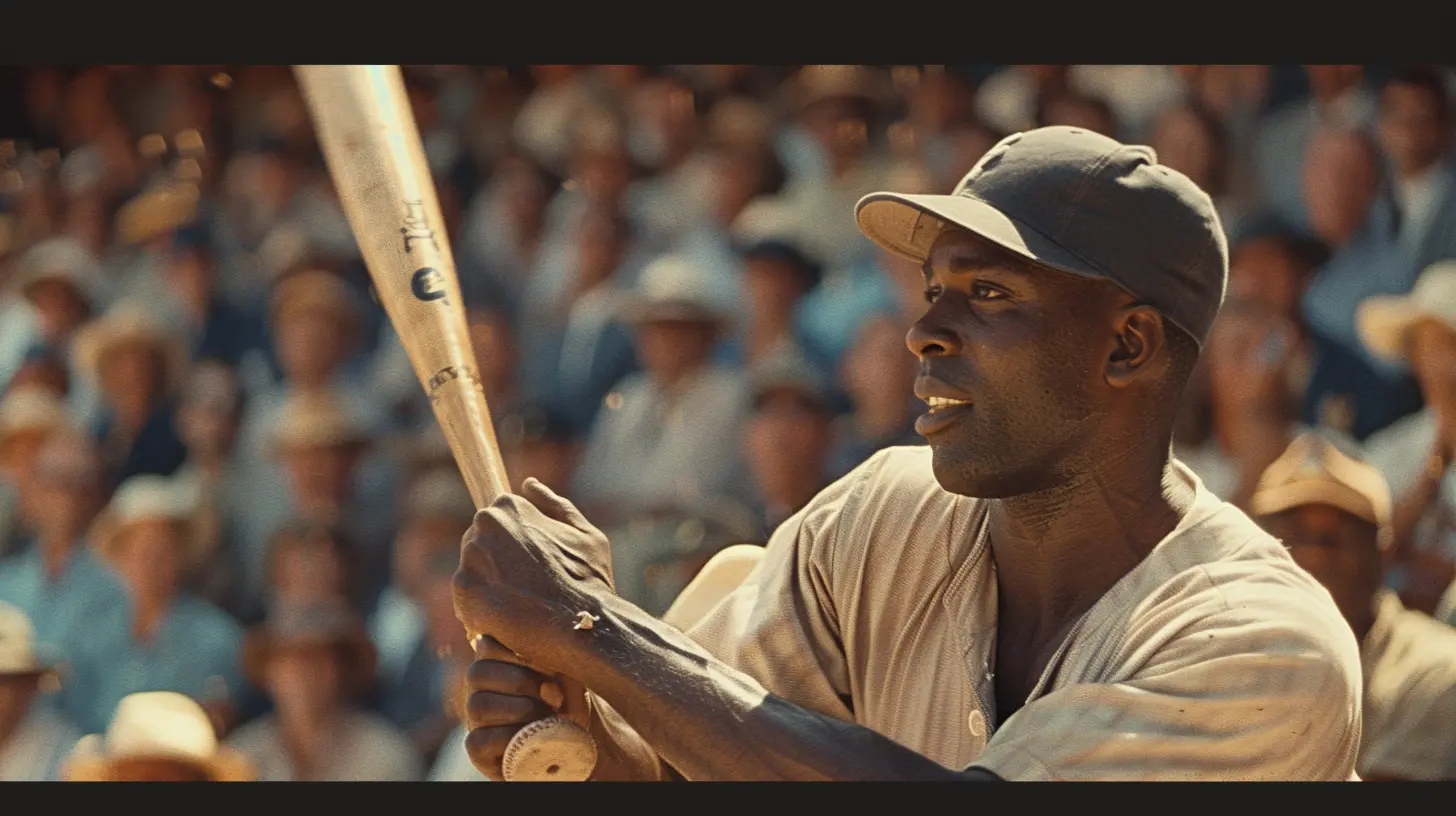
A Man of Many Talents
Before Jackie ever put on a Brooklyn Dodgers uniform, he was dominating multiple sports. Seriously—baseball, football, basketball, and track. While attending UCLA, he made history by becoming the first athlete at the university to letter in four sports. Talk about versatile!But as much as Jackie loved sports, he couldn’t ignore the elephant in the room: racial injustice. Whether it was being forced to sit in the back of a bus or being denied access to hotels, the color of his skin always seemed to matter more than the strength of his swing.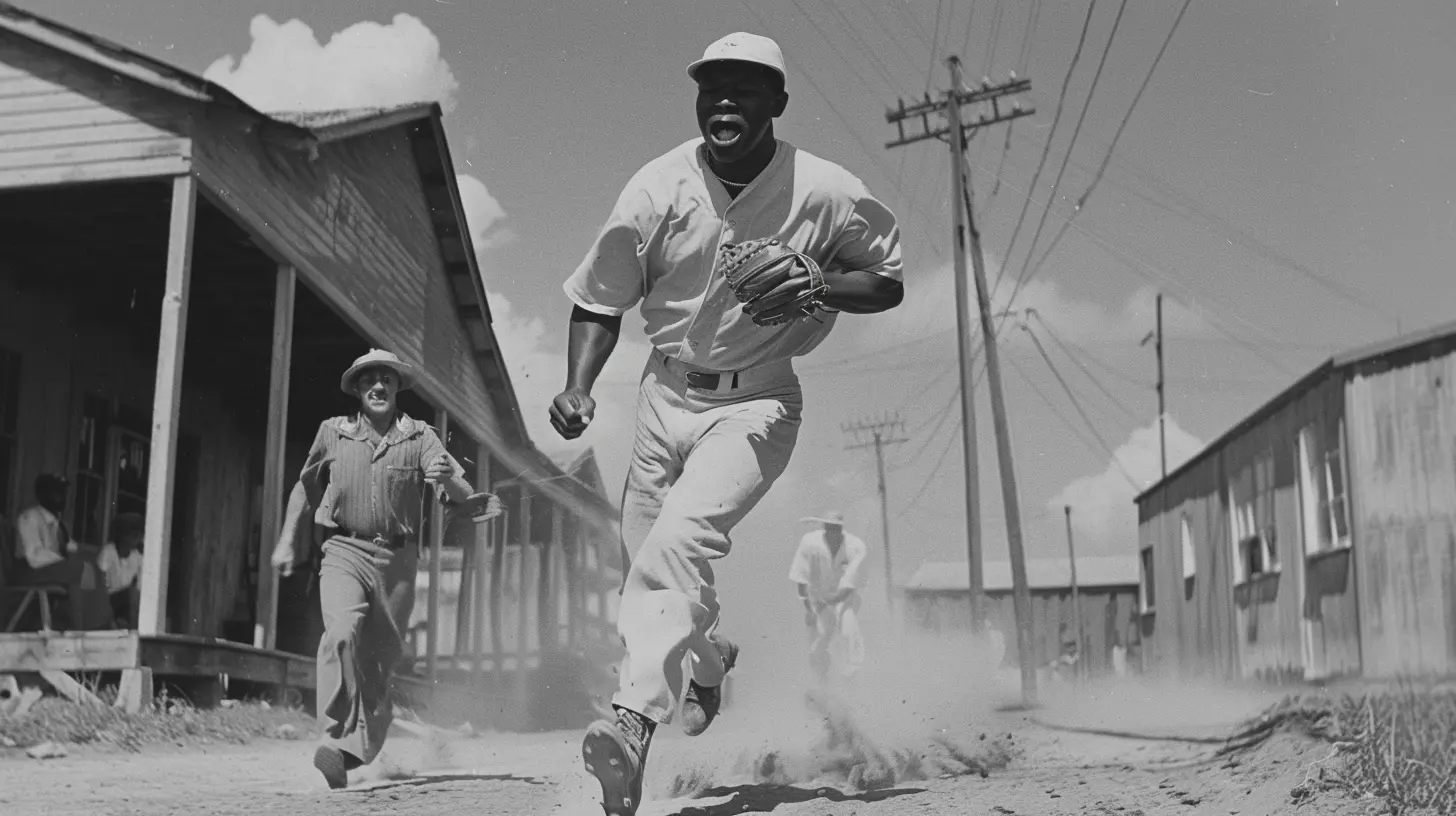
Serving His Country—and Facing Discrimination
In 1942, Jackie was drafted into the U.S. Army. You might think, “Okay, a step forward, right?” Not exactly. Even in uniform, segregation was alive and well. Jackie faced court-martial in 1944 for refusing to move to the back of a military bus. Sound familiar?He was eventually acquitted, but that moment showed the world what kind of man Jackie was. He wasn’t just playing a game—he was playing for justice.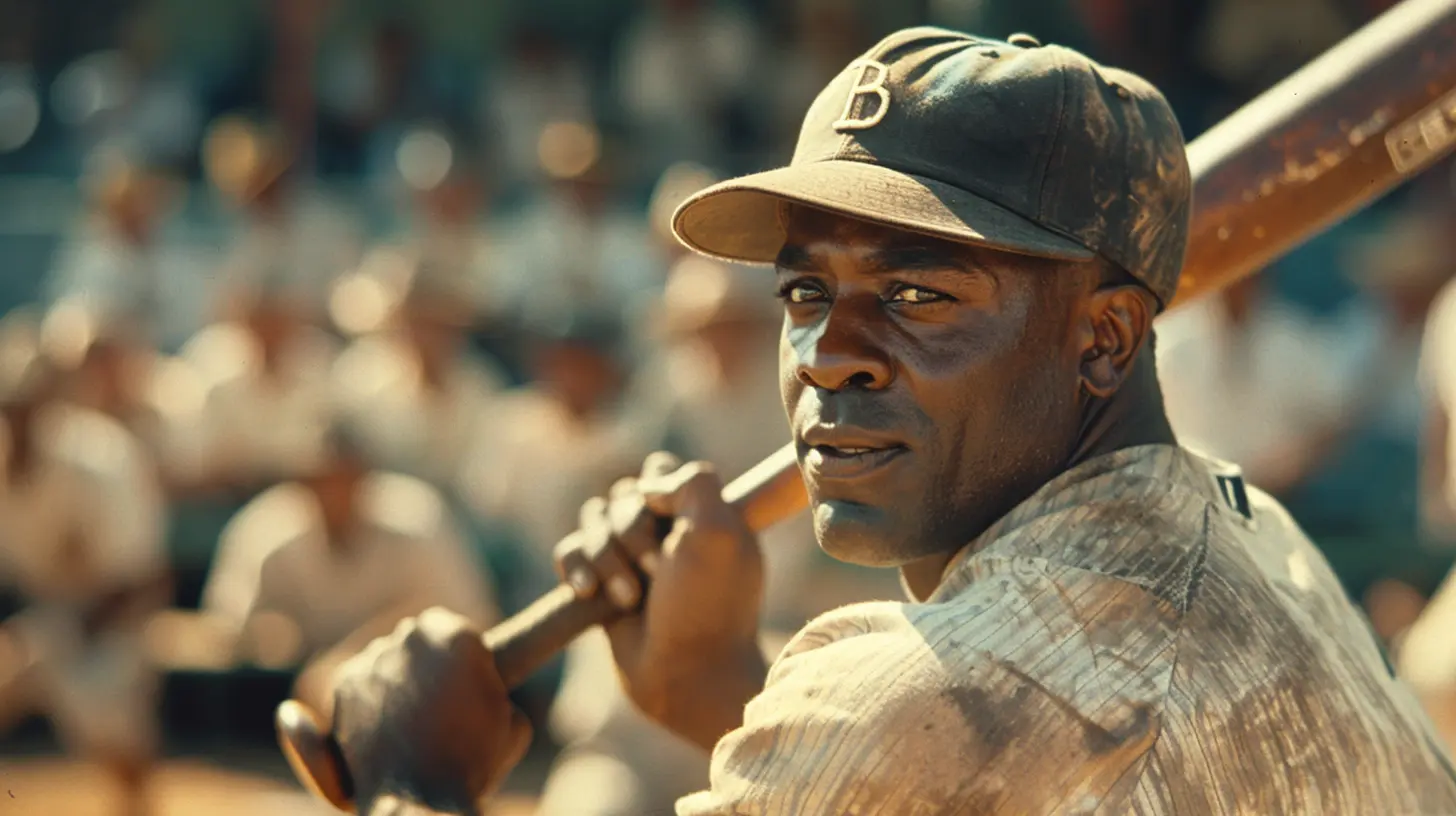
The Historic Call from the Brooklyn Dodgers
Here’s where the story really picks up speed. In 1945, Jackie got a life-changing invitation. Brooklyn Dodgers executive Branch Rickey was looking for someone who could handle the pressure of breaking baseball’s color line. But Rickey wasn’t just looking for talent—he was looking for guts, grace, and self-control.Why Jackie? Because he had the grit to endure the insults, death threats, and isolation that would come with being the first Black player in Major League Baseball in the modern era.
April 15, 1947: A Day That Changed Sports Forever
Imagine stepping onto a field knowing you’re making history. That’s what Jackie did on April 15, 1947, when he debuted for the Brooklyn Dodgers. The moment he took the field at Ebbets Field, 80 years of segregation in professional baseball came to an end.But let’s be real—it wasn’t all cheers and high-fives. Jackie was heckled by fans, shunned by teammates, and even physically threatened. But he kept his cool. He let his game do the talking, and wow, did it speak volumes.
Battling Racism With Grace Under Pressure
One of the most remarkable things about Jackie Robinson wasn’t just that he broke the color barrier—it’s how he did it. With poise, persistence, and jaw-dropping talent.He didn’t lash out at the bigots. Instead, he stole bases right from under their noses. Every time he hit a homer, every time he made an impossible catch, he was proving a point: talent doesn’t care about skin color.
The Stats Don't Lie
Let’s throw some numbers into the mix. Jackie wasn’t just a symbol—he was a downright superstar:- 1947 Rookie of the Year (yup, the very first one ever awarded)
- Six-time All-Star
- 1949 National League MVP
- Career batting average: .311
- Stolen Bases: 197
And those are just the highlights. His performance on the field silenced critics faster than any argument ever could.
More Than a Baseball Player: A Civil Rights Icon
After retiring from baseball in 1957, Jackie didn’t hit the snooze button. Nope. He jumped headfirst into the civil rights movement. He worked with Martin Luther King Jr., raised money for the NAACP, and used his fame to speak up for justice.He believed deeply in education, economic empowerment, and fighting systemic racism. Wherever there was a platform, Jackie took the mic.
Jackie’s Legacy in Today’s Game
Ever noticed that every player in Major League Baseball wears number 42 on April 15? That’s Jackie Robinson Day—a tribute to the trailblazer who made it possible for stars like Ken Griffey Jr., Derek Jeter, and Mookie Betts to shine.Oh, and in 1997, the MLB officially retired his number 42 across all teams. No one else will ever wear it again. That’s legendary.
But Jackie’s influence isn’t just on the field. Modern athletes who use their voices for social justice—think Colin Kaepernick, LeBron James, and Megan Rapinoe—are following the path he paved.
What Jackie Robinson Taught the World
Jackie showed us that sports can be more than just entertainment—they can be a powerful tool for change. By stepping onto that field in 1947, he told the world: “If I can do this, so can you.”He taught us courage doesn’t mean you’re not scared; it means you do what’s right even when you are.
He reminded us that progress doesn’t happen overnight—but it starts when someone stands up, or in Jackie’s case, steps up to the plate.
Challenges Jackie Faced (and How He Beat Them)
Let’s not forget—Jackie Robinson was up against some serious odds. The abuse he took would’ve broken most people. Teammates who wouldn’t shake his hand. Opponents who’d intentionally spike him during slides. Fans who hurled slurs like fastballs.But Jackie knew something they didn’t: his fight wasn’t just for him. It was for every kid who’d ever been told “you’re not allowed.” And for every person who dreamed of fairness but never got a chance to prove themselves.
The fact that he stood tall (and played hard) in spite of everything? That’s not just brave—that’s revolutionary.
Jackie’s Family: The Unsung Heroes
You can’t talk about Jackie Robinson’s impact without mentioning his rock-solid support system. His wife, Rachel Robinson, was a champion in her own right. She stood by his side through the hate mail, the death threats, and the emotional rollercoaster.Rachel became a powerful voice for social justice and education. She later established the Jackie Robinson Foundation, which provides scholarships and leadership training for minority students.
Talk about a power couple!
Frequently Asked Questions About Jackie Robinson
Was Jackie Robinson the first Black player in pro baseball?Not exactly. Black players did play in professional leagues in the 1800s, but due to a “gentleman’s agreement,” MLB had excluded Black athletes for decades. Jackie was the first Black player in the modern MLB era.
Did Jackie Robinson only face racism from fans?
Sadly, no. He also faced discrimination from teammates, coaches, and even hotel staff. But he handled it all with unbelievable grace.
What number did Jackie wear, and why is it retired?
Jackie wore number 42. In 1997, the MLB retired it across all teams as a tribute to his legacy. Now, only on Jackie Robinson Day do players wear it—together, as one.
Jackie Robinson’s Impact Today
Let’s be real: the world isn’t perfect. But because of Jackie, it’s better. He opened doors not just in baseball, but in every field where equality matters.His story reminds us that change starts with one bold move. One person saying, “Enough.” One player daring to step up to the plate and swing for something bigger than himself.
Final Thoughts
Jackie Robinson didn’t just play baseball—he changed it. He changed how we see sports, how we talk about race, and how we define courage. His legacy is stitched into every jersey, echoed in every anthem, and remembered every time someone dares to take a stand.So the next time you see that number 42, tip your cap. Because thanks to Jackie, the game—and the world—will never be the same.
all images in this post were generated using AI tools
Category:
Sports HistoryAuthor:

Nelson Bryant
Discussion
rate this article
1 comments
Maisie Howard
Jackie Robinson's impact goes far beyond baseball. His courage and determination not only changed the game but also challenged societal norms. He paved the way for future generations, reminding us that sports can be a powerful platform for change. It is inspiring to reflect on his legacy today and its relevance.
August 4, 2026 at 12:45 PM
Nelson Bryant
Absolutely, Jackie's influence extends well beyond the diamond. His bravery not only transformed baseball but also sparked essential conversations about equality and justice, making his legacy incredibly relevant today.