The Controversial History of the Olympic Marathon
5 April 2026
Every four years, millions tune in to watch the world’s best long-distance runners push their bodies to the absolute limit in the Olympic Marathon. It’s one of the most iconic events in all of sports. But beyond the grueling 26.2 miles and the glory lies a twisted, tangled past full of strange decisions, political drama, rule-breaking, and even near-death experiences. Yep, the history of the Olympic Marathon isn’t just about endurance—it’s about controversy, chaos, and, at times, sheer madness.
Strap in. We're about to take a wild jog through time.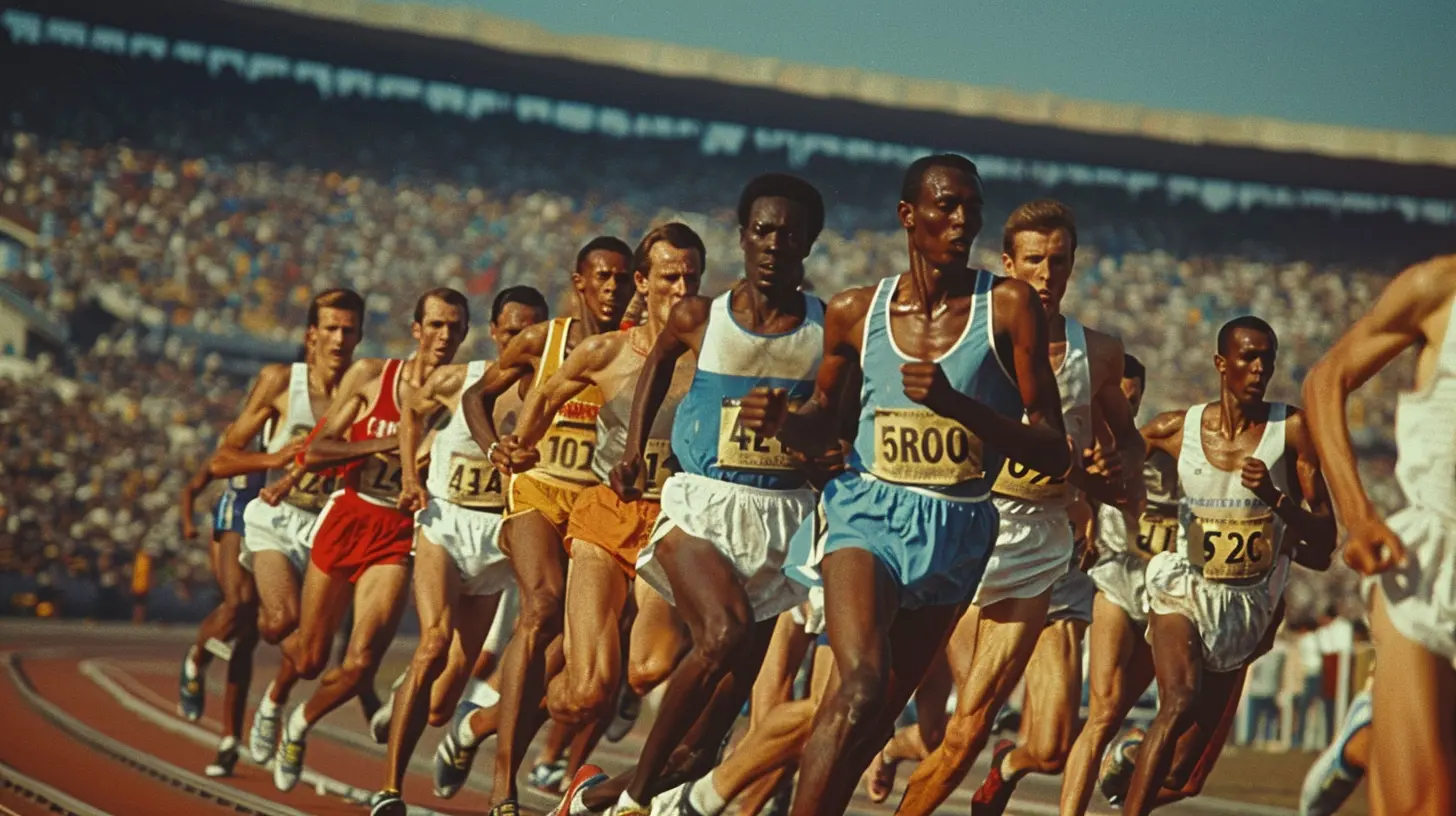
The Mythical Origins That Kicked Things Off
Let’s rewind—way, way back. Ever heard the tale of Pheidippides? He’s the Greek soldier who supposedly ran from the battlefield of Marathon to Athens, all 25 miles of it, to deliver news of victory over the Persians. After proclaiming "We have won!" he collapsed and died. Talk about going all in.That legendary run inspired the creation of the modern marathon. But here's the twist: the actual distance between Marathon and Athens? It’s not 26.2 miles. It’s closer to 24. So how did we end up adding a couple of extra miles? Hold that thought—we’ll get there.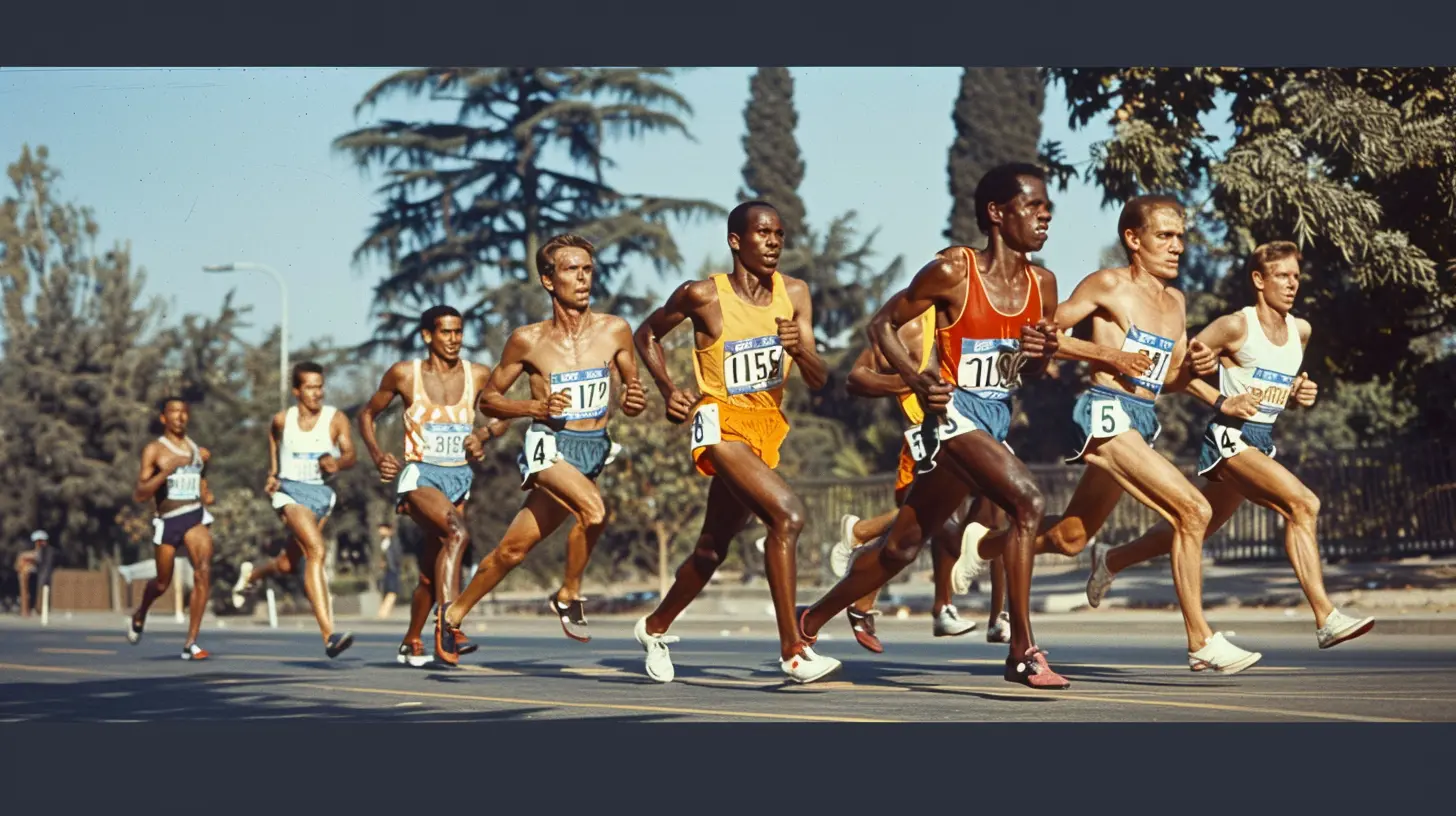
The First Modern Marathon (and the First Bit of Drama)
The marathon debuted in the very first modern Olympics in Athens, 1896, as a nod to Pheidippides. The course was about 25 miles, and the event was immediately a hit. A Greek runner, Spyridon Louis, claimed victory and became a national hero overnight. The crowd went nuts. Locals even jumped on the track to cheer him on in the final lap.But here's where things start to get weird. In future Olympics, the race distance kept changing. One year it was 25 miles, another year 24.8. There wasn't a consistent standard, and that... well, that caused some issues.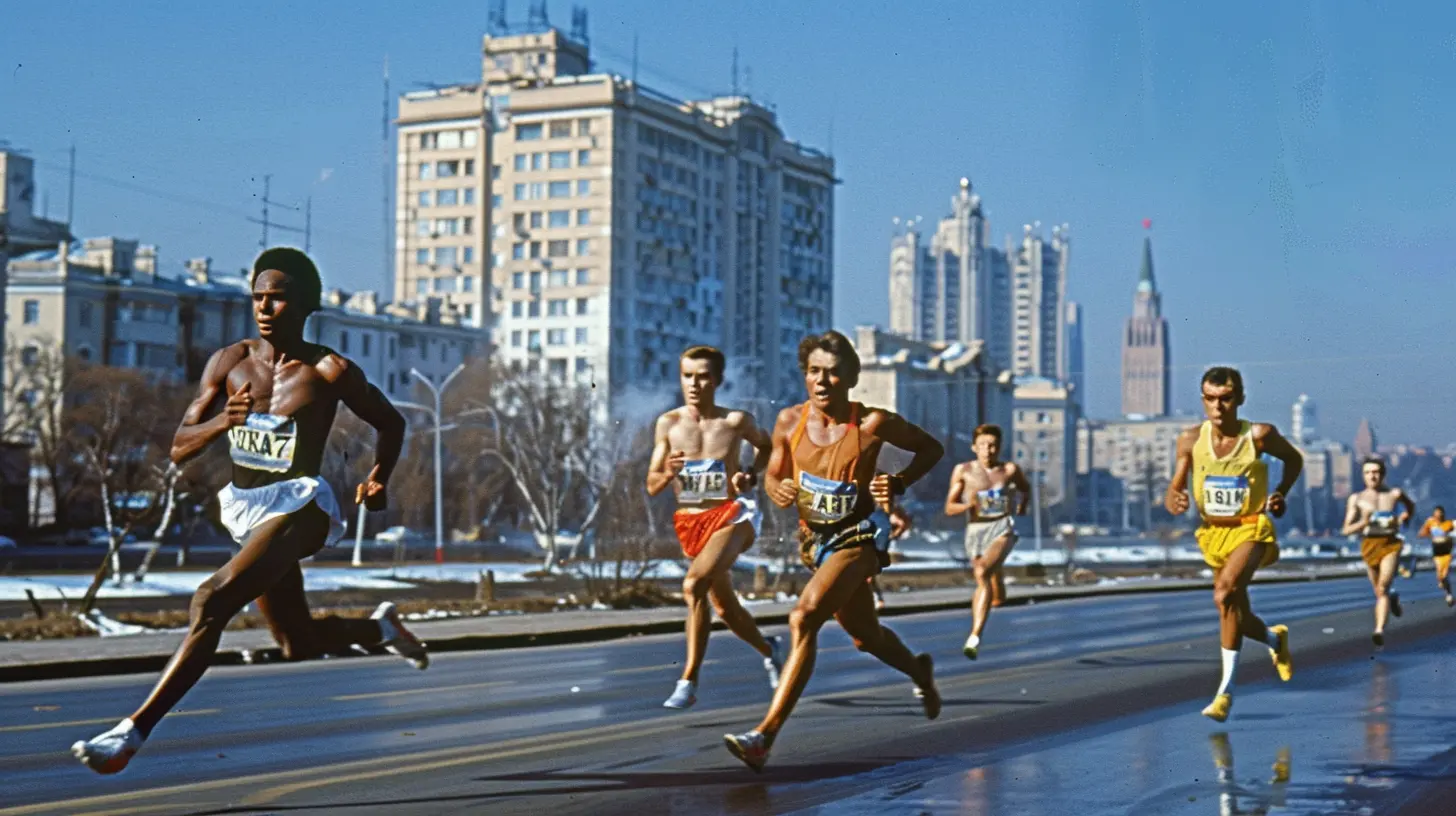
London 1908: Where the Extra 0.2 Miles Came From
Let’s talk about London 1908—the marathon that finally cemented the famous 26.2-mile distance. But the reason behind that change? It wasn't athletic. It was royal.Originally, the race was supposed to be 26 miles, starting at Windsor Castle and ending in White City Stadium. But Queen Alexandra wanted her kids to see the start from the nursery window. So they tacked on an extra 385 yards to the course to start exactly beneath the royal balcony.
And just like that, the marathon was now 26.2 miles long.
But that’s not even the juiciest part.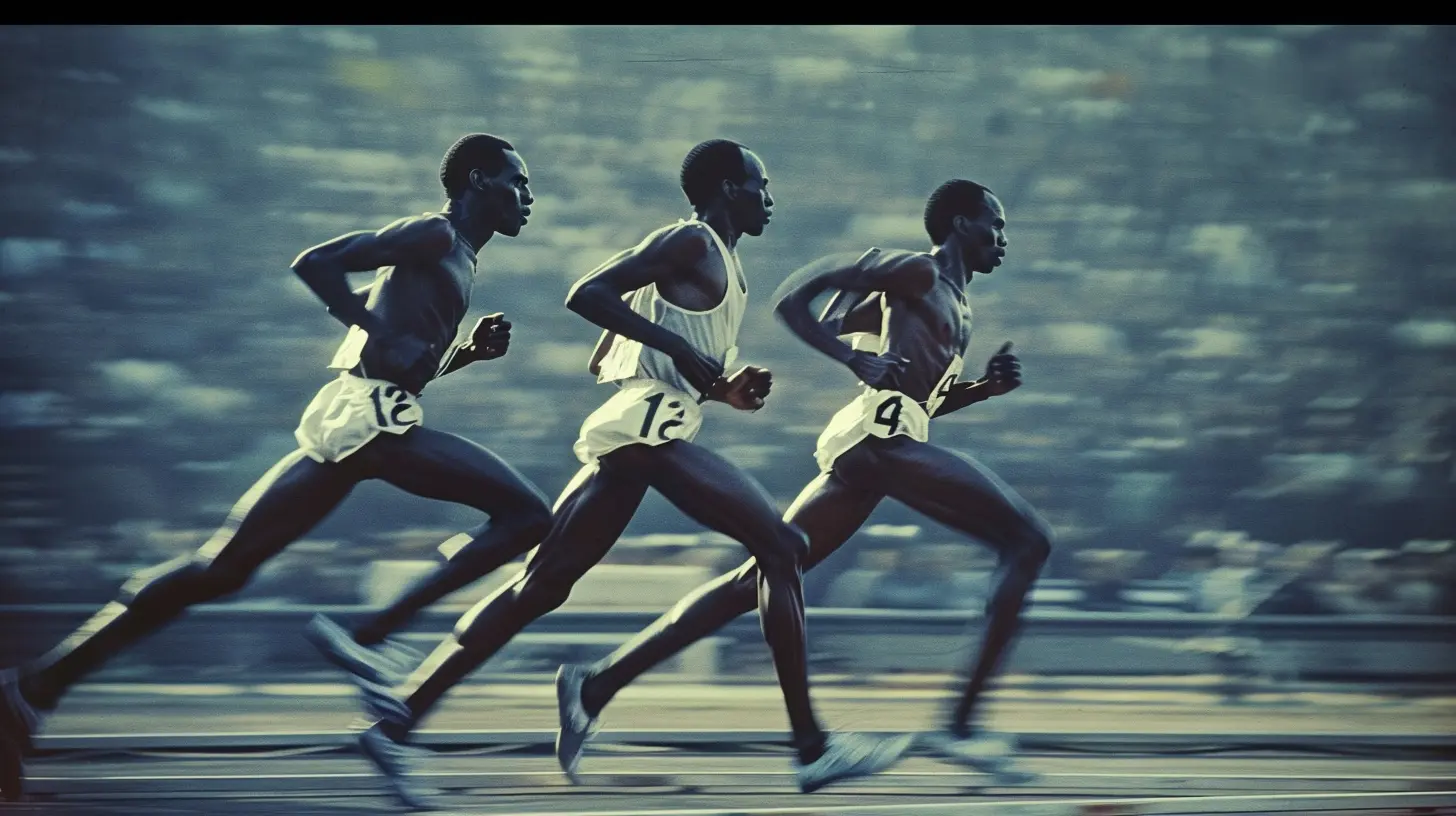
Dorando Pietri: The First Marathon Heartbreaker
In that same 1908 London race, Italian runner Dorando Pietri staggered into the stadium completely drained. He collapsed not once, not twice, but five times. Race officials actually picked him up and helped him across the finish line.He won. But then came the protest. Because he’d been physically assisted, Pietri was disqualified, and American Johnny Hayes was declared the winner.
The controversy sparked huge debates. Was it fair to disqualify someone so gutsy? Or did rules matter more than heart? Either way, Pietri became a legend. Even Queen Alexandra gave him a special gold cup for his effort.
St. Louis 1904: The Wildest Marathon You've Never Heard Of
If you think reality TV is dramatic, wait till you hear about the 1904 Olympic Marathon in St. Louis. It was an absolute circus.First off, the race was run in blistering heat—over 90°F (32°C)—on dusty, unpaved roads. Water stations? Only one, at mile 12. Health hazard doesn’t even begin to cover it.
Let’s talk about the runners. One guy, Fred Lorz, dropped out with cramps, hitched a ride back to the stadium in a car, then jumped out and crossed the finish line like nothing happened. He was initially declared the winner... until someone ratted him out. Disqualified, obviously.
Then there was Thomas Hicks. He was in rough shape mid-race, so his trainers gave him strychnine mixed with brandy. Yes, poison. Back then, it was considered a stimulant. Somehow, he finished and won (barely alive), but yikes—how’s that for controversial?
Oh, and a South African runner, Len Taunyane, was chased off-course by wild dogs. No big deal.
The Marathon as a Political Stage
Over the years, the Olympic Marathon has been more than a test of endurance—it's also been a battlefield for political statements.Take the 1960 Rome Olympics. Ethiopian runner Abebe Bikila won gold running barefoot. It wasn’t just impressive; it was symbolic. Ethiopia had been occupied by Mussolini's Italy just two decades earlier. Bikila's win, especially on Italian soil, was a powerful moment of pride for his country.
Then there’s 1980 and 1984—Olympics marred by Cold War boycotts. Although the marathons still happened, the tension was thick. The best runners from opposing superpowers never got to race each other, leaving a lingering "what if?" over those years.
Scandals That Rocked the Marathon World
Let’s not pretend every marathoner plays fair. The race, despite its noble image, has seen its fair share of scandals.In more recent Olympic history, doping has loomed large. From suspicious split times to failed drug tests, some winners have later been called into question or outright stripped of their titles.
Take the 2004 Athens Olympics. Brazilian runner Vanderlei de Lima was leading the race when a crazed spectator tackled him to the ground. He got up, kept running, and still managed to place third. The crowd was furious. The Olympic committee gave him the Pierre de Coubertin medal for sportsmanship, but fans still wonder: would he have won gold without the interference?
Gender Barriers and the Women's Marathon
Did you know women weren’t allowed to run the Olympic Marathon until 1984? That’s shockingly recent.For decades, experts claimed female bodies couldn't handle the distance. (Insert eye-roll here.) But courageous pioneers like Kathrine Switzer—who famously ran the Boston Marathon in 1967 despite officials trying to physically remove her—paved the way.
When the women’s marathon finally debuted at the Los Angeles Olympics in 1984, American runner Joan Benoit Samuelson made history by taking home the gold. That race wasn’t just a victory for her—it was a barrier-breaking moment for women in sports.
Modern Times, Same Old Controversies
Fast forward to the 21st century, and you'd think the drama would have dialed down. Nope.At the 2016 Rio Olympics, water stations were tampered with, and some runners claimed unfair advantages. In Tokyo 2020 (held in 2021 due to COVID), the marathon was moved to Sapporo to avoid extreme heat, but even then, conditions were brutal—and many runners dropped out from heat exhaustion.
And then there’s technology. Super shoes—those high-tech sneakers with carbon plates—sparked debates over fairness. Do they give some runners an unnatural edge? It's becoming the new "doping" debate—only this time, legal (for now).
The Marathon Remains the Crown Jewel
Despite everything—the controversies, the injuries, the politics—the Olympic Marathon remains one of the most anticipated events in the Games.There’s something raw and real about watching elite athletes dig deep, battle fatigue, and defy limits. The marathon is where legends are born and where ordinary humans reveal extraordinary strength.
But as we’ve seen, it’s never just about running. It’s about perseverance, pride, and sometimes pushing the rules to their very edge.
So, Why Do We Still Love It?
Maybe it’s the drama. Maybe it’s the history. Or maybe, deep down, we all love an underdog story or a redemption arc. The marathon, with all its blood, sweat, and scandal, gives us that every time.It may have a messy past, but maybe that messiness is what makes the Olympic Marathon so darn human.
Final Thoughts
The Olympic Marathon isn't just a race—it's a mirror. A mirror reflecting courage, chaos, ambition, and everything in between. It’s not perfect, and honestly, it never has been. But maybe that’s the point. The marathon has always been about going the distance, no matter the obstacles—even if those obstacles are wild dogs, poison, or royal demands.So next time you’re watching the Olympics and see those runners sweating it out mile after mile, remember: they’re not just chasing a gold medal—they’re running through history, controversy and all.
all images in this post were generated using AI tools
Category:
Sports HistoryAuthor:

Nelson Bryant
Discussion
rate this article
2 comments
Hesper Smith
Great overview. It's fascinating how the marathon's length and lore were shaped more by royal whims and early drama than pure athletic precision. A perfect example of history blurring with myth.
April 30, 2026 at 11:36 AM
Nelson Bryant
Thanks for your insight! The mix of history and myth really does add depth to the marathon's story. Glad you enjoyed the overview!
Murphy McLain
This article wonderfully captures the rich and often contentious journey of the Olympic Marathon. It’s fascinating to see how the event has evolved, reflecting societal changes and athletic challenges. Thank you for shedding light on these stories that are integral to both the sport and the Olympic spirit!
April 6, 2026 at 3:29 AM
Nelson Bryant
Thank you for your thoughtful comment. I'm glad you found the article engaging and informative. The marathon's history is indeed a reflection of broader societal shifts.