How the 2027 Biathlon World Cup Is Shaping Up
20 September 2026
The Biathlon World Cup never sits still. Between post-Olympic roster turnover, equipment rule adjustments, and the constant push-pull between sprint specialists and distance grinders, every cycle produces a slightly different sport. The 2027 season, which follows the 2026 Winter Olympics in Milano-Cortina, sits at a particularly interesting inflection point. It is the first full campaign of a new quadrennial, which means federations are rebuilding, veterans are deciding whether to continue, and the IBU is testing formats and calendar ideas that could define the sport through the end of the decade.
This is not a preview built on leaked start lists or insider whispers. Nobody outside the relevant committees knows the final calendar yet. What we can do is examine the structural forces that will shape the 2027 World Cup, the way those forces have played out in past post-Olympic seasons, and what fans, analysts, and athletes should actually watch for. That is a more useful exercise than pretending to know results that have not happened.
Why the Post-Olympic Season Matters More Than People Think
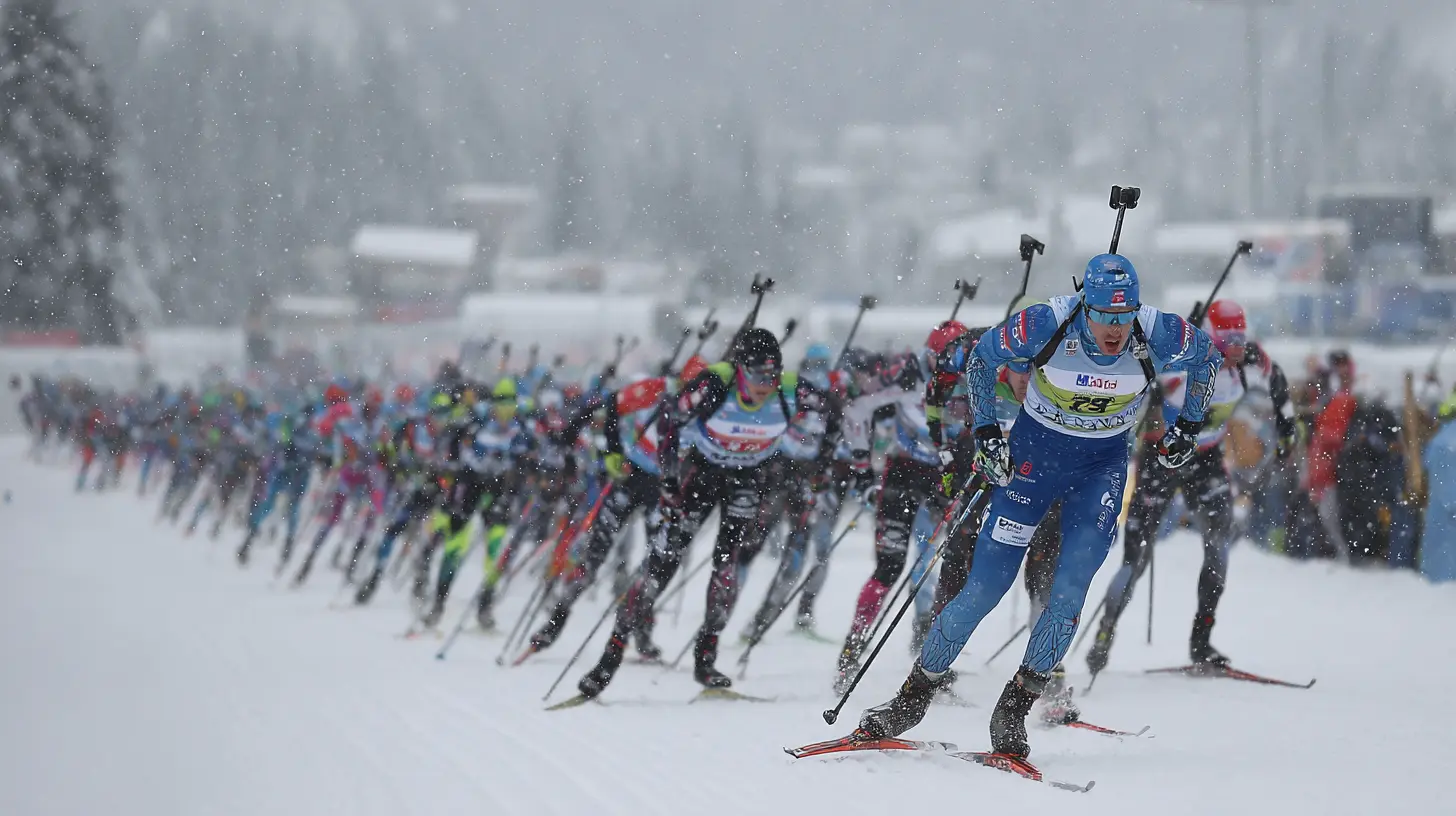
There is a lazy assumption that the season after an Olympics is a throwaway year. The logic goes like this: the biggest stars retire or take a break, the racing lacks stakes, and everyone is just marking time until the next World Championships. That view is wrong, and it has been wrong for at least three cycles.Post-Olympic seasons are where the next generation gets its first real opportunity. When two or three established names step away, national teams suddenly have start quota spots to fill. Those spots go to athletes who were previously stuck behind a logjam. By the time the next Olympics arrive, those same athletes are the ones with four seasons of World Cup experience under their belts. In other words, the 2027 season is not a gap year. It is the seeding season for 2030.
There is also a technical dimension. Equipment and waxing regulations tend to get revisited after an Olympic cycle, partly because the Olympic races expose any competitive imbalances and partly because the IBU uses the quieter post-Games period to test changes without disrupting the flagship event. Coaches often treat the post-Olympic year as a laboratory. Some of what gets tested in 2027 will become standard practice by 2029.
The Calendar Question: Fewer Stops or More?
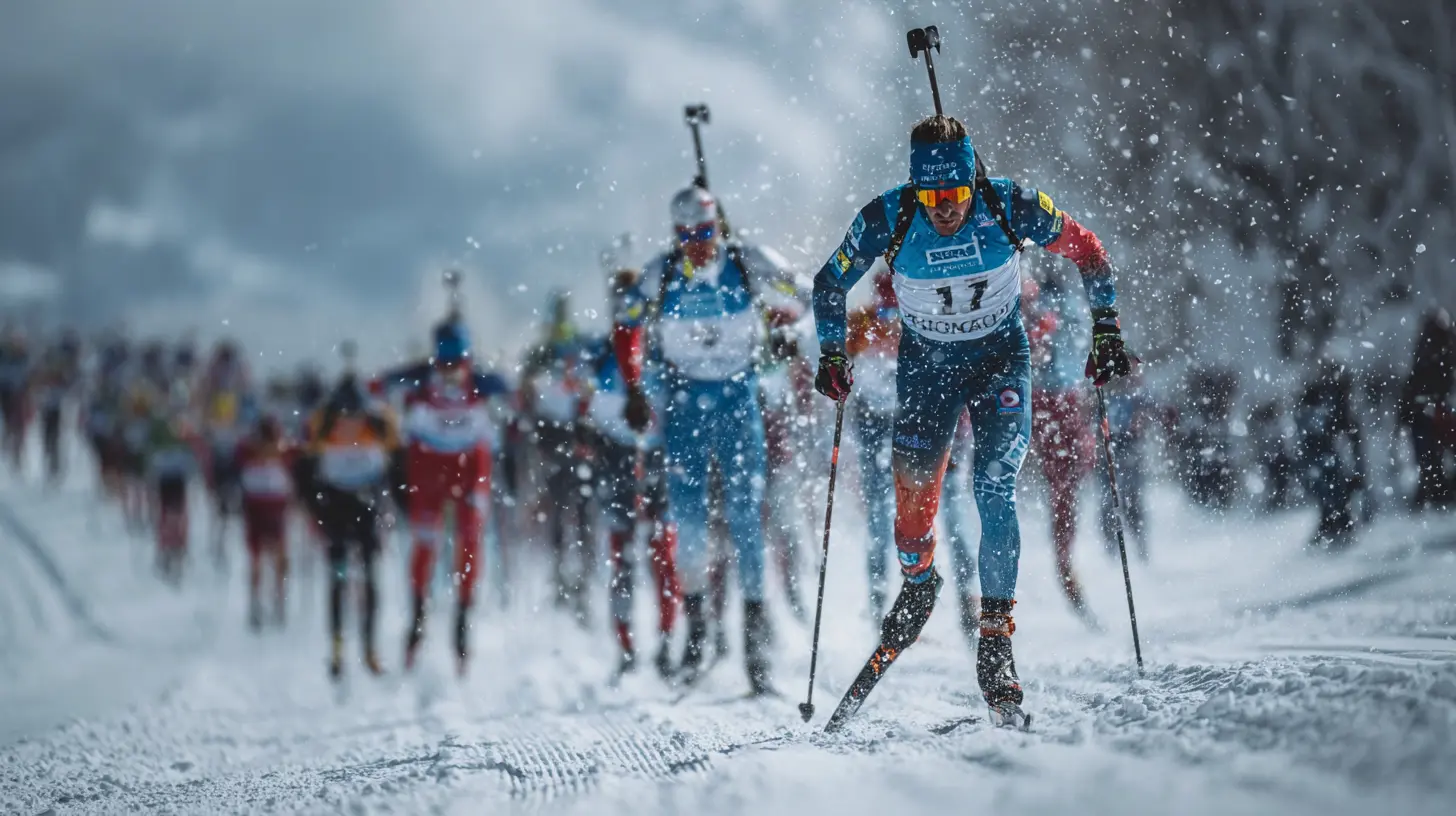
One of the recurring debates inside the sport is whether the World Cup calendar should get tighter or broader. The argument for a tighter calendar is straightforward: fewer travel days, less fatigue, better racing quality, and a more coherent narrative for broadcasters. The argument for a broader calendar is equally straightforward: more markets, more revenue, more opportunities for athletes from smaller federations to compete on home snow.The 2027 calendar will likely reflect a compromise that has been emerging for several seasons. That compromise looks something like this:
- A December block in central and northern Europe, where travel distances are short and snow is reliable.
- A January expansion into one or two non-traditional venues, often at altitude, to test both athlete adaptation and audience reach.
- A February pre-World Championships swing that serves as a dress rehearsal for the title event.
- A March finale that rotates between established venues, partly to reward long-time hosts and partly to avoid overexposing any single location.
The trade-off here is real. Altitude venues produce dramatic racing because thin air punishes poor pacing, but they also create recovery problems when athletes have to race again three days later at low elevation. A calendar that mixes altitude and sea level without enough buffer days will produce unpredictable results, and unpredictable results are not always the good kind. They can mean the best athlete on the day loses to someone who simply handled the travel better.
What should readers watch for? The number of rest days between venues. If the IBU compresses the schedule, expect more illness, more missed races, and more complaints from coaches. If it stretches the schedule, expect complaints about cost and calendar congestion from national federations. There is no perfect answer, only a series of trade-offs.
Athlete Turnover: Who Stays, Who Goes, Who Arrives
Retirement patterns in biathlon are fairly predictable once you understand them. Athletes who win an Olympic medal often stay for one more season to capitalize on visibility and sponsorship. Athletes who underperform at the Olympics often retire immediately, especially if they are past thirty. Athletes in their mid-twenties almost always continue, because the next Olympics is still realistically within reach.The 2027 season will therefore feature a mixed field. Some Olympic medalists will still be racing, motivated by World Championship titles they have not yet won. Some will be gone, replaced by younger teammates who spent the previous two seasons on the IBU Cup. The IBU Cup, for readers who do not follow it closely, is the second tier of international biathlon. It is not a minor league in the dismissive sense. Many athletes use it as a legitimate development path, and the top performers there are genuinely ready for World Cup racing.
The practical consequence is that 2027 will feel less predictable than 2026. When a field is stable, you can forecast results with reasonable accuracy. When a field is turning over, you get surprises. A relay team that looked unbeatable in 2025 might struggle in 2027 because two of its four legs are now being skied by athletes who have never anchored a World Cup relay. That is not a crisis. It is normal. But it changes how you read early-season results.
The Relay Rebuilding Problem
Relay racing deserves its own discussion because it is where turnover hurts most. Individual races reward one athlete's form. Relays reward depth, consistency, and shooting under pressure. A nation can have one brilliant athlete and still finish eighth in a relay if the other three legs lose time on the range.In a post-Olympic season, relay teams are often rebuilt from scratch. Coaches have to decide whether to prioritize immediate results or long-term development. Prioritizing results means picking the four best available athletes, even if three of them will retire within two years. Prioritizing development means giving younger athletes relay experience now, accepting some poor finishes, and hoping the investment pays off by 2029.
Both approaches are defensible. The mistake is mixing them inconsistently, which produces a team that is neither competitive now nor prepared for later.
Format Experiments and What They Mean for Racing
The IBU has shown willingness to test new formats in lower-stakes seasons. The mixed relay, the single mixed relay, and the mass start 60 are all relatively recent additions that have become permanent fixtures. The 2027 season may see further experimentation, possibly with shortened individual races or modified pursuit formats.Here is why format changes matter more than they appear to. Biathlon is a sport where the balance between shooting and skiing determines who wins. A format that adds shooting stages favors accurate shooters. A format that shortens the ski loop favors fast skiers. When the IBU adjusts formats, it is effectively adjusting which type of athlete is rewarded.
Consider the individual race, with its four shooting stages and one-minute penalty per miss. It rewards patience and accuracy. Now consider the sprint, with two shooting stages and a penalty loop. It rewards speed and risk tolerance. A pursuit combines both, but the starting gaps from the sprint create a different kind of pressure.
If 2027 introduces a new format, the first question to ask is simple: does it reward shooting or skiing? The second question is whether that reward aligns with the sport's stated values. Biathlon has always marketed itself as a sport of contrast, where precision and endurance matter equally. A format that tilts too far in either direction undermines that identity.
Equipment Rules and the Waxing Wars
Fluor wax bans have reshaped ski preparation across all snow sports, and biathlon is no exception. The transition has been messy. Teams have had to rebuild their waxing programs, invest in new testing equipment, and accept that some traditional preparation methods no longer work.By 2027, the initial chaos should have settled. Most national teams will have adapted, and the gap between well-funded and underfunded waxing programs may narrow slightly, though it will never disappear entirely. Money still buys testing time, and testing time still buys speed.
The more interesting question is enforcement. Rules only matter if they are enforced consistently. If some venues test thoroughly and others do not, teams will notice, and the sport will face credibility problems. The IBU has invested in testing infrastructure, but the practical reality of testing at every venue, in every condition, with limited staff, is difficult. Fans should pay attention to any mid-season announcements about testing protocols. Those announcements tell you more about fairness than any rulebook does.
For athletes, the advice is straightforward: do not build your season around equipment advantages you cannot control. Build it around shooting consistency and pacing discipline. Those are the variables you actually own.
What Makes a Good 2027 Season for the Sport
A successful season is not just one where the racing is close. It is one where the sport grows without losing what makes it distinctive. That means a few things.First, the racing needs to be legible to casual viewers. Biathlon's scoring is simple once you understand it, but the penalty system can confuse newcomers. Broadcasters have gotten better at explaining it, and that trend should continue.
Second, the athlete stories need to be accessible. Biathlon has always had compelling personalities, but the sport has sometimes struggled to translate that into broader coverage. Post-Olympic seasons are a good time to introduce new faces, because the audience is already paying attention.
Third, the competitive balance needs to hold. If one nation dominates every race, interest fades. The 2027 season will be a test of whether the traditional powers can maintain their edge while smaller federations close the gap.
Practical Advice for Following the Season
If you are a fan planning to follow the 2027 World Cup closely, here are a few things that will make the experience better.- Watch the IBU Cup early in the season. The athletes who perform there often get called up to the World Cup, and knowing who they are makes the World Cup more interesting.
- Pay attention to shooting statistics, not just finishing positions. A biathlete who shoots 90 percent but finishes fifteenth is often more promising than one who shoots 75 percent and finishes eighth.
- Track relay results as a measure of national depth, not individual quality.
- Do not overreact to the first three races. Early-season form is noisy, and travel, altitude, and snow conditions all distort results.
Common Misconceptions About Post-Olympic Racing
One widespread misconception is that athletes take the post-Olympic season lightly. In reality, most athletes treat it as seriously as any other season, because World Cup points and World Championship medals still matter for funding, sponsorship, and career longevity.Another misconception is that the sport resets completely. It does not. Records, rankings, and reputations carry over. What changes is the composition of the field and the strategic priorities of national teams.
A third misconception is that format changes are cosmetic. They are not. Format changes alter incentives, and incentives alter behavior. When you change what wins, you change how athletes train.
Looking Ahead Without Pretending to Know the Future
The 2027 Biathlon World Cup will be shaped by forces that are already visible: roster turnover, calendar design, equipment regulation, and format experimentation. None of those forces will produce a completely predictable season. That is part of what makes the sport worth watching.What we can say with confidence is that 2027 will function as a bridge. It will connect the athletes and storylines of the 2026 Olympics to the athletes and storylines that will define the 2030 Games. The fans who pay attention during that bridge year will understand the next Olympic cycle far better than those who tune in only every four years.
all images in this post were generated using AI tools
Category:
Upcoming TournamentsAuthor:

Nelson Bryant