The Evolution of Tactics in World Championship Competitions
13 May 2026
The roar of the crowd. The energy on the pitch. The heart-pounding pressure. There's just something magical about World Championship competitions, isn’t there? Whether it’s the World Cup, Olympics, or any other sport’s global showdown, these events give us edge-of-the-seat moments—and more importantly, they show us how far tactics have come.
Let's take a joyful deep dive into the world of strategy and precision, and see just how tactics have evolved, reshaping the way champions are crowned around the globe. Buckle up sports fans, because this is going to be a wild (and tactical) ride!
? What Exactly Are "Tactics" in Sports?
Before we sprint into history, let's get something clear—tactics aren’t just fancy moves or team talks at halftime. They're the whole blueprint behind how a team plays and reacts. Think of tactics as the brain behind the brawn. It’s the chessboard strategy that decides whether a team attacks, defends, or adapts midway when things go sideways.Tactics include player positions, movements, formations, tempo control, and even psychological mind games. Yep, it's more than just running around a field—it's like conducting an orchestra, only with sweat and adrenaline.
?️ The Old School Era: Grit Over Strategy
Let’s rewind to the early 20th century, the era of leather balls, woolen kits, and muddy fields. In those early World Championships, most teams focused on raw physicality and basic formations. It was pretty much: “Put your best players forward, and try to bulldoze your way to victory.”Take football (soccer) for example. In the 30s and 40s, teams often used the 2-3-5 formation—two defenders, three midfielders, and five forwards. Sounds crazy today, right?
But back then, it was all about outscoring the opponent in a straight-up battle. Defense? Meh. Tactics were pretty rigid, and team roles weren’t nearly as specialized as they are now.
? Mid-Century Magic: Hello to Structured Strategy
Then came the 50s and 60s—a golden age of tactical innovation. This era saw the birth of balance. Coaches and players started realizing something: maybe it's not all about attack. What if... you could actually win by outsmarting the other team, not just outrunning them?Think of Brazil's 1958 World Cup win. They rocked the 4-2-4 formation—a revolutionary balance of attack and defense at that time. Players like Pelé and Garrincha dazzled the world, but behind their magic was a well-oiled tactical machine.
In other sports like basketball and hockey, this era also marked the dawn of set plays, zone defenses, and strategic substitutions. The game was getting smarter, and fans couldn’t get enough of it.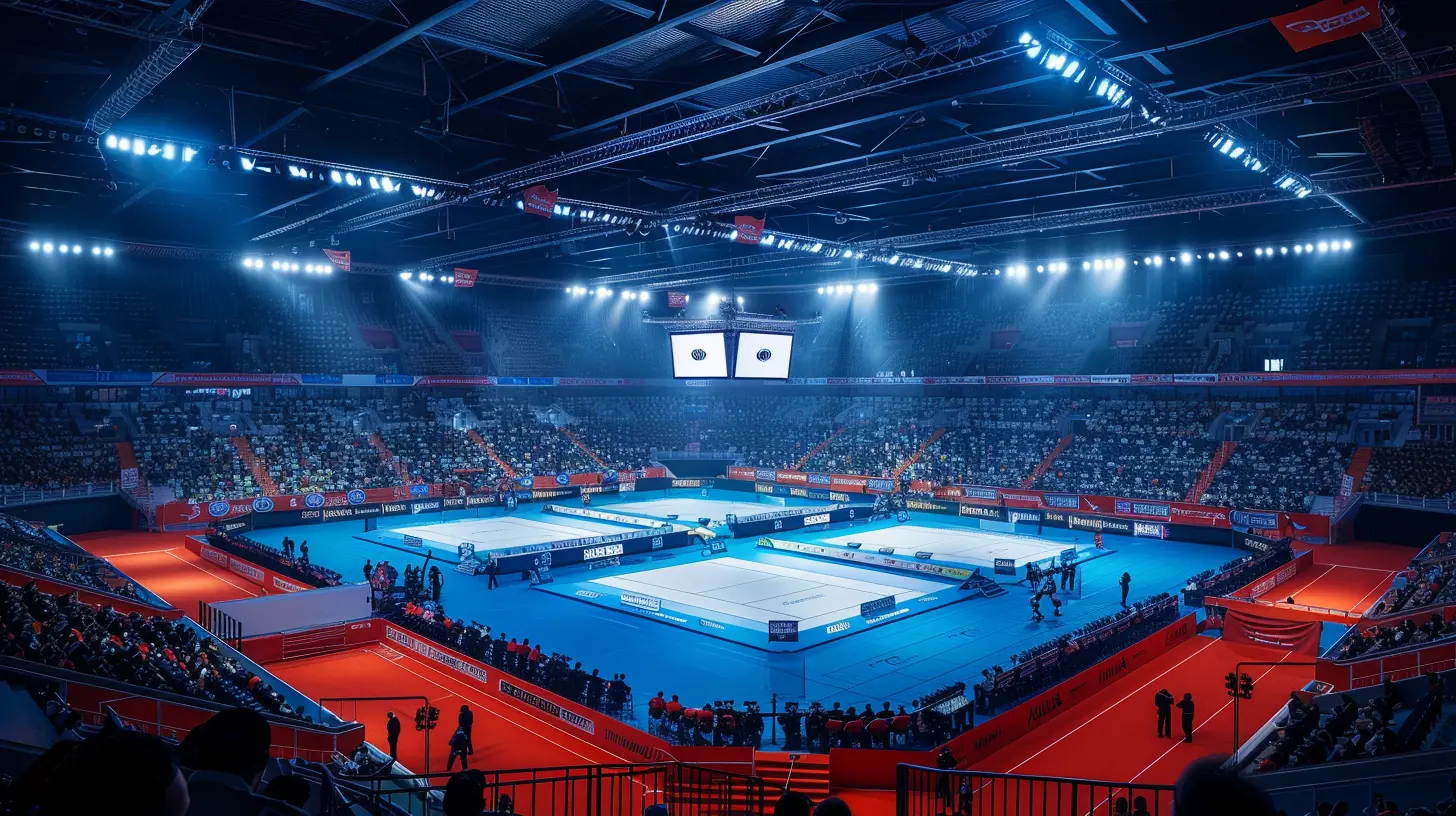
? Global Influence and Tactical Cross-Pollination
As transportation and media expanded in the 70s and 80s, so did the exchange of ideas. Coaches started learning from each other across continents. A coach in Italy could borrow an idea from Argentina. A rugby strategist in New Zealand could be inspired by a French counterpart.This cross-pollination led to an explosion of tactical experimentation. In football, we saw the "Total Football" idea from the Netherlands, where players could switch positions seamlessly. In basketball, the concept of position-less players began to emerge.
Each team looked to find that edge—that one twist in the playbook that could catch the opponent offsides (pun definitely intended).
? Tactical Evolution Meets Technology
Fast-forward to the 90s and early 2000s, and technology started creeping in—first slowly, then at full speed. Video analysis, GPS tracking, and data analytics began to play massive roles.Now coaches could study their opponents in more detail than ever. What formation do they use when they're losing? Which player tends to drift out of position?
Even fans got into it. Remember "Moneyball"? That baseball revolution showed us how data could change not just who plays, but how the game is played. Similar data-driven revolutions hit cricket, tennis, football, and more.
Suddenly, even underdog teams could go toe-to-toe with giants—because they had smarter strategies.
? Adapting on the Fly: The Rise of Fluid Tactics
Today’s championship teams don’t just have one plan—they have five. We’re in the era of adaptive tactics.Players are trained to switch formations mid-game. Coaches bark instructions through headsets. Substitutes come in not just for tired legs, but to shift the entire tempo or style of the game.
Take France’s 2018 World Cup win. Their tactics shifted match-to-match. Sometimes they sat back and countered; other times they pressed high and forced mistakes.
In basketball, think about how teams now build around 3-point shooting and spacing—totally different from the post-heavy play of the 90s.
Adaptability is the name of the game.
? AI, Analytics, and the Future of Tactics
If you think tactics have peaked, think again. We're just getting started. AI is slowly becoming the new assistant coach. Machine learning can now predict player fatigue, suggest optimal lineups, and even analyze facial expressions for signs of stress or fatigue.Imagine a tennis player getting real-time feedback on shot placement mid-match. Or a rugby team adjusting their scrum technique using biomechanical feedback.
AI and data are helping coaches find the tiniest inefficiencies—things the human eye would miss. And that means the next World Championship could be won not just on talent, but on terabytes.
? The Psychological Edge: Mind Games and Morale
Let’s not forget—tactics aren’t just physical or technical. Mental strategy is a huge piece of the puzzle too.Momentum swings, crowd influence, press conferences, even how a captain carries themselves—it all impacts the mental game. Top coaches deploy sports psychologists to keep players in the zone, especially during the pressure-cooker moments of a World Championship.
How do you get a team to bounce back after a last-minute equalizer? How do you psych out a rival striker? That’s tactics too. The mind is the final frontier.
✨ Memorable Tactical Masterclasses in History
Let’s relive a few iconic moments where tactics stole the show:- Italy’s Catenaccio (1960s): A defensive strategy that locked down games like a vault.
- Spain’s Tiki-Taka (2008–2012): Pure possession-based poetry in motion.
- Leicester City’s 2016 Premier League win: Compact defending + lethal counter-attacks = fairy tale.
- USA Women’s Soccer Dominance: Smart rotations, high pressing, and adapting to each opponent.
See? The best teams don’t just have stars. They have systems.
? The Tactic Wheel Keeps Spinning
One of the coolest things about tactics is that they evolve in cycles. What was old becomes new again.We’ve seen high pressing come back. We’ve seen man-to-man marking regain popularity. Coaches are always looking for that nostalgic gem or a hidden formula from history to gain the edge in today's game.
Just like fashion, what’s out can suddenly become trendy again. The difference? In sports, tactical throwbacks can win you a gold medal.
? Coaching: The Tactical Architects
A quick shoutout to the masterminds behind the players: the coaches. The unsung heroes who spend sleepless nights drawing plays, rewinding tape, customizing drills.The best coaches aren’t just motivators—they’re tacticians. They know when to switch things up, when to stick to the plan, and when to throw the playbook out the window entirely.
In a World Championship, coaching can be the difference between glory and heartbreak. And when you see a team execute a flawlessly timed counterattack? That’s a coach’s dream come true.
? Fans, Media & The Tactics Talk
We, the fans, have also become part of the tactical discourse. Thanks to TV analysis, podcasts, and social media breakdowns, everyone’s a mini-coach now, right?We talk about heat maps, expected goals (xG), passing lines—you name it. Tactics have become part of the fan experience. It’s not just what happened, but how it happened that keeps us hooked.
And that’s beautiful. Because it means the world of tactics is now accessible, educational, and honestly—really fun!
? So, Where Do We Go From Here?
Here’s the truth: tactics will always keep evolving. Sport itself is a living, breathing thing. As long as there are competitions, there will be new ways to win them.From chalkboards to AI dashboards, from rigid formations to fluid systems, the journey of tactics in World Championship competitions is nothing short of epic.
So next time you're watching a final, don’t just follow the ball. Watch the shape of the game, listen to the coach’s shouts, and feel the rhythm. Because beneath the surface, a tactical symphony is playing out—and it’s absolutely stunning.
all images in this post were generated using AI tools
Category:
World ChampionshipsAuthor:

Nelson Bryant
Discussion
rate this article
1 comments
Lacey Whitley
This article offers valuable insights into tactics that have shaped championship competitions. A must-read for enthusiasts.
May 22, 2026 at 2:24 AM
Nelson Bryant
Thank you for the kind words! I'm glad you found the insights valuable. Hope you enjoy the read!