How Sports Science Fuels World Championship Success
8 June 2026
Alright, let's be honest…
When you think of "world champion," you probably imagine someone sprinting across the finish line with sweat glistening in slow motion, crowd going wild, dramatic music swelling—all that cinematic jazz.
But here’s what Hollywood conveniently skips: behind every one of those epic moments is an army of lab coats, data geeks, nutrition nerds, sleep scientists, and tech wizards. Yep, sports science is the real MVP, and it’s not getting enough credit.
So, let’s shine a bright, unfiltered (and slightly sarcastic) spotlight on how sports science fuels world championship success. Spoiler alert: it's not just about who can bench press a truck or chug a protein shake in under 10 seconds.
What Even Is Sports Science, Anyway?
Before we get too far ahead of ourselves, let’s clear this up.Sports science is the nerdy love child of biology, physiology, psychology, biomechanics, nutrition, and a splash of tech wizardry. Basically, it's the science of getting better at sports without dying in the process.
We’re talking about optimizing every. single. aspect. of athletic performance—from how you sleep, to how you breathe, to when you should blink. Okay, maybe not the last one (yet).
And no, it's not just reserved for Olympic gods and pro athletes. Even weekend warriors with a Fitbit and YouTube obsession can dip their toes in the sports science pool.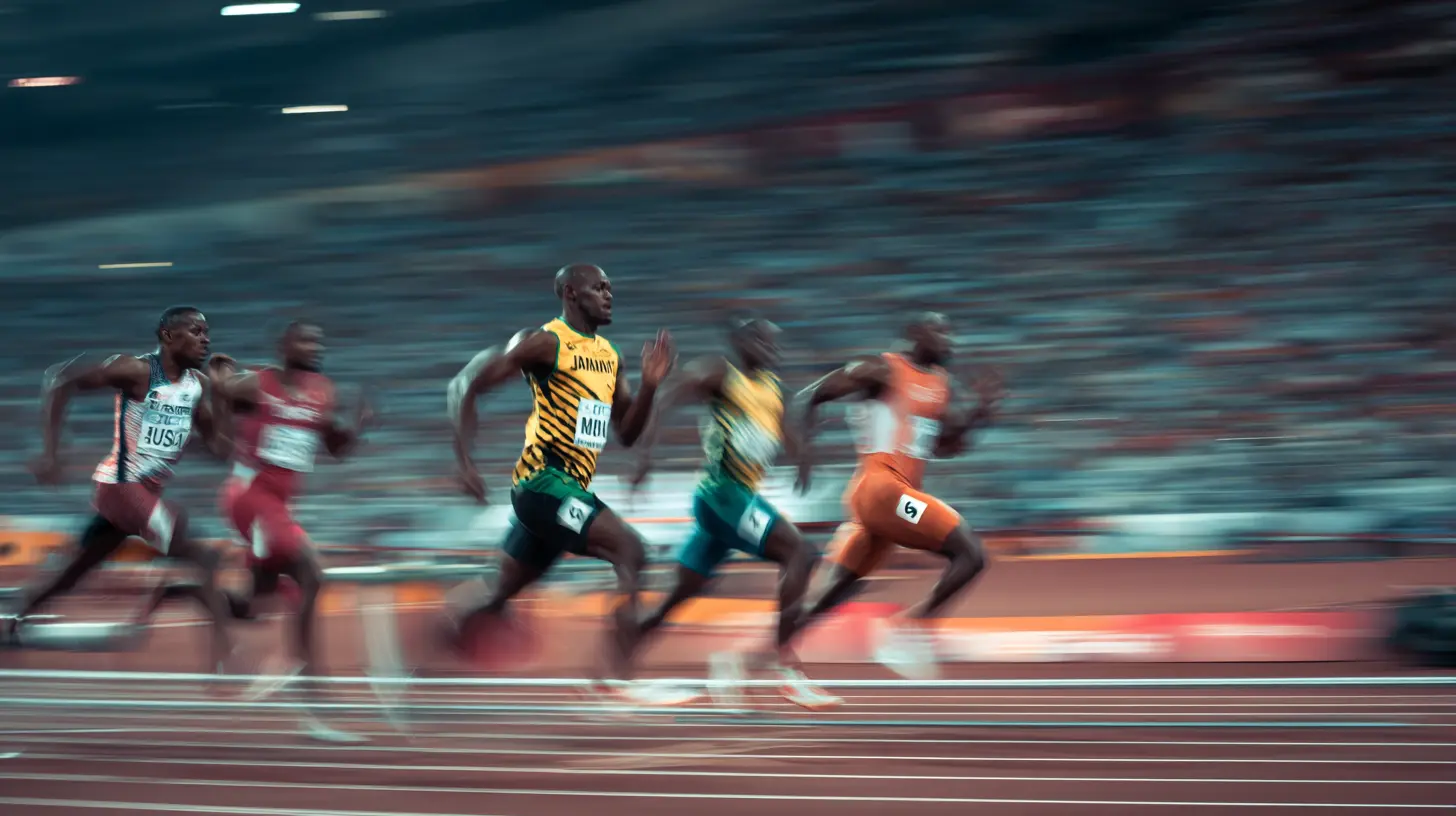
Training Smarter, Not Harder (Yes, That Phrase Again)
Let’s throw it back to the prehistoric age of sports—when coaches yelled “RUN FASTER!” and that was the entire game plan.Fast forward to today? Athletes are hooked up to more gadgets than a sci-fi robot. GPS trackers, heart-rate monitors, motion sensors, smart insoles… honestly, if Iron Man played soccer, this is what it would look like.
Data, Glorious Data
Thanks to sports science, training isn’t about grinding until you collapse. It’s about measuring muscle fatigue, heart rate variability, lactate threshold, oxygen uptake, and about 48 other metrics most of us can’t pronounce.The data says when to push harder and when to chill. Because apparently, “no pain, no gain” is outdated and slightly masochistic.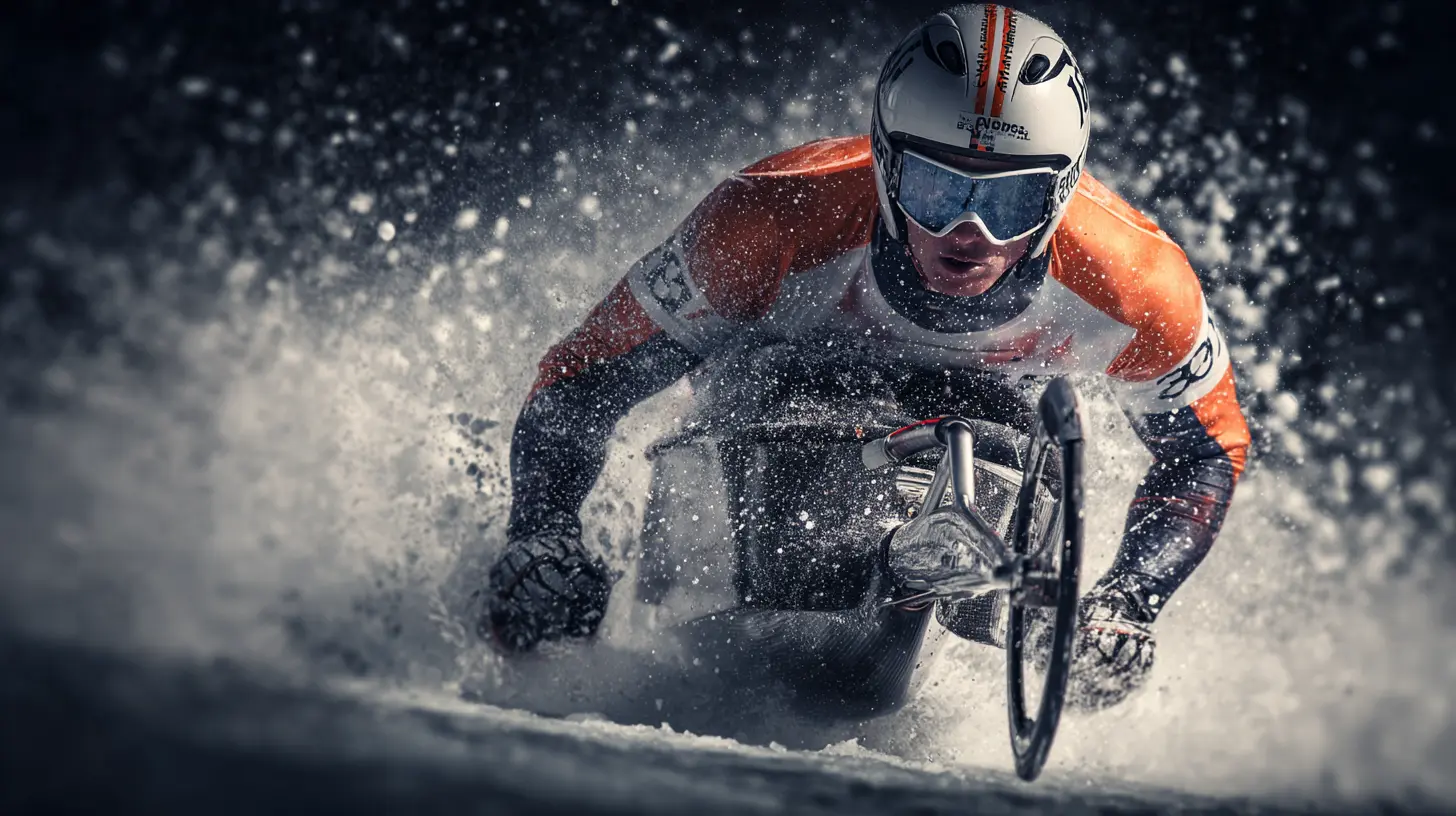
Recovery Is the New Hustle
Remember when skipping sleep to train more was considered hardcore? Yeah, turns out that’s just a fast-track to pulling a hamstring and crying in the locker room.Sleep Like a Champ
You know what world champions do after grueling training sessions? They sleep. A lot. Because sleep isn’t just rest—it’s prime time for muscle repair, memory consolidation, and hormonal resets. Kind of like plugging yourself into a human version of iOS update.Elite athletes track sleep quality like Wall Street analysts track stocks. Deep sleep, REM cycles, wake times—all of it dissected to the millisecond.
Cryo, Compression, and Cuddly Technology
Recovery isn't just about naps. Oh no. Enter: cryotherapy chambers (aka fancy freezers), pneumatic compression boots that look like they belong in a Marvel movie, and infrared saunas that cost more than your car.It’s like a spa day meets a futuristic body tune-up. Because apparently, lounging in -200°F nitrogen gas is what champions do on their day off.
Nutrition: More Than Just Chicken and Rice
Gone are the days when athletes just pounded protein shakes and hoped for the best. Thanks to sports science, nutrition is now basically chemistry class meets Instagram foodie culture.Fuel Like a Formula One Car
Every gram of protein, carb, and fat is calculated with more precision than a NASA launch. Pre-workout meals? Post-performance smoothies? Hydration strategies? Yep, there’s a Whole. Science. Behind. It.Some athletes even get blood tests to tailor their diets. Meanwhile, the rest of us are just trying to figure out if coffee counts as breakfast (spoiler: it doesn’t).
Supplements or Sorcery?
From beetroot juice to creatine, and from beta-alanine to mystery mushroom powders, the supplement game is big. Of course, it’s all backed by actual science—not just some guy on YouTube claiming “this powder changed my life.”Sure, it's not Hogwarts, but the way sports scientists talk about metabolic pathways and mitochondrial efficiency, you'd think they were auditioning to be wizard-nutritionists.
The Brain Game: Psychology & Performance
Ah yes, the mind. That squishy little thing between your ears that somehow decides whether you win or lose.Mental Toughness Is Real
Any athlete will tell you: talent doesn’t matter if your head's not in the game. That’s where sports psychologists come in—think of them as performance whisperers. They help with focus, motivation, visualization, and stress management (aka not pooping your pants mid-final).Meditation, breathing techniques, and visual imagery training are now as common as squats and sprints. Because if you can’t stay calm under pressure, you might as well stay home.
Injury Prevention: Not Just Bubble Wrap
If you've ever rolled an ankle getting out of bed or pulled a muscle sneezing (don’t lie), then you’ll appreciate this one.Biomechanics to the Rescue
Sports scientists use motion capture (think: Hollywood meets high school physics) to study how athletes move. They spot inefficiencies, wonky joint alignments, and injury-prone movements before they turn into a crisis.Basically, they can tell you if your running form is stylish efficiency… or just disaster waiting to happen.
Prehab... It’s a Thing
We’ve all heard of rehab. But “prehab”? That’s the smart cousin that shows up early and brings snacks.It’s all about targeted exercises, mobility work, and strength balance to prevent injuries from happening in the first place. Genius, right?
Why wait to get hurt when you can just avoid it altogether?
Tech: When Science Meets Sportswear
Let’s talk toys.Wearables That Do More Than Count Steps
Modern athletes wear gear that tracks everything from hydration to muscle activation. And we’re not talking about glorified Fitbits here. We're talking advanced biosensors integrated into clothing, smart fabrics, and even sweat-analyzing tech.At this point, their socks probably know more about their health than their doctor does.
Virtual Reality Training = The Future Is Now
Why practice with a regular coach when you can train in the Matrix?VR training lets athletes rehearse game scenarios, sharpen mental reflexes, and build muscle memory—all without leaving the locker room. Useful? Absolutely. Jetsons-level futuristic? Also yes.
The Coaching Revolution: Algorithms, Not Just Gut Instincts
Once upon a time, coaches relied solely on instincts, inspiration, and superstition. Now? Coaching decisions are fueled by data models, real-time analytics, and AI-driven insights.If that doesn’t scream “modern sports,” I don't know what does.
Machine learning helps identify patterns in performance, predict injury risks, and even create tailored training programs. So basically, Iron Man is writing your workout plan now.
Case Studies (Because We All Love Receipts)
Team Inevitable: British Cycling
British Cycling used sports science to go from meh to medal factory. Everything was fine-tuned—from aerodynamic suits to sleep hygiene to the color of the pillows in their hotel rooms. Yep, even that mattered. Result? Dozens of golds.The GOAT — Serena Williams
Not only has she dominated the tennis world for over two decades, but she’s also been a walking billboard for sports science—from rehab protocols after injuries, to performance tech, to tailored nutrition.NFL Meets NASA
Some NFL teams use NASA-inspired tech to track athlete performance and recovery. Because when you're trying to win a Super Bowl, rocket science doesn’t sound so crazy.The Final Stretch: Sports Science Is the Secret Sauce
Let’s face it. You could have all the raw talent in the world, but if you’re not tapping into the power of sports science, you're basically bringing a butter knife to a sword fight.From training smarter and recovering better, to eating like a finely tuned machine and thinking like a champ—sports science is the silent partner in every world championship win.
So the next time you see an athlete standing on a podium, holding a shiny gold medal and crying tears of joy—just remember: behind that victory was a team of sports scientists yelling at spreadsheets, analyzing sweat, and tweaking training plans by the microsecond.
And honestly? That’s pretty freaking cool.
all images in this post were generated using AI tools
Category:
World ChampionshipsAuthor:

Nelson Bryant
Discussion
rate this article
1 comments
Lennox McWain
Sports science: making champions faster, stronger, and able to dodge treadmill disasters!
July 13, 2026 at 12:06 PM
Nelson Bryant
Thanks for the comment! Sports science really does push the limits and helps athletes thrive under pressure.