How Fans Influence the Marketing and Branding of Teams
25 June 2026
When you think of sports teams, what comes to mind? A star player? A championship trophy? Maybe a memorable game-winning shot? Well, behind all that hype and glory is something even more powerful—fans. Yep, fans are the heartbeat of any sports team’s branding and marketing strategy. Without them, teams are basically just a group of people playing a game.
But here's the kicker: fans aren't just cheering from the sidelines anymore—they’re actively shaping how teams are perceived, promoted, and marketed on a global scale. Let’s break it down and see how fans really impact the world of sports marketing and branding.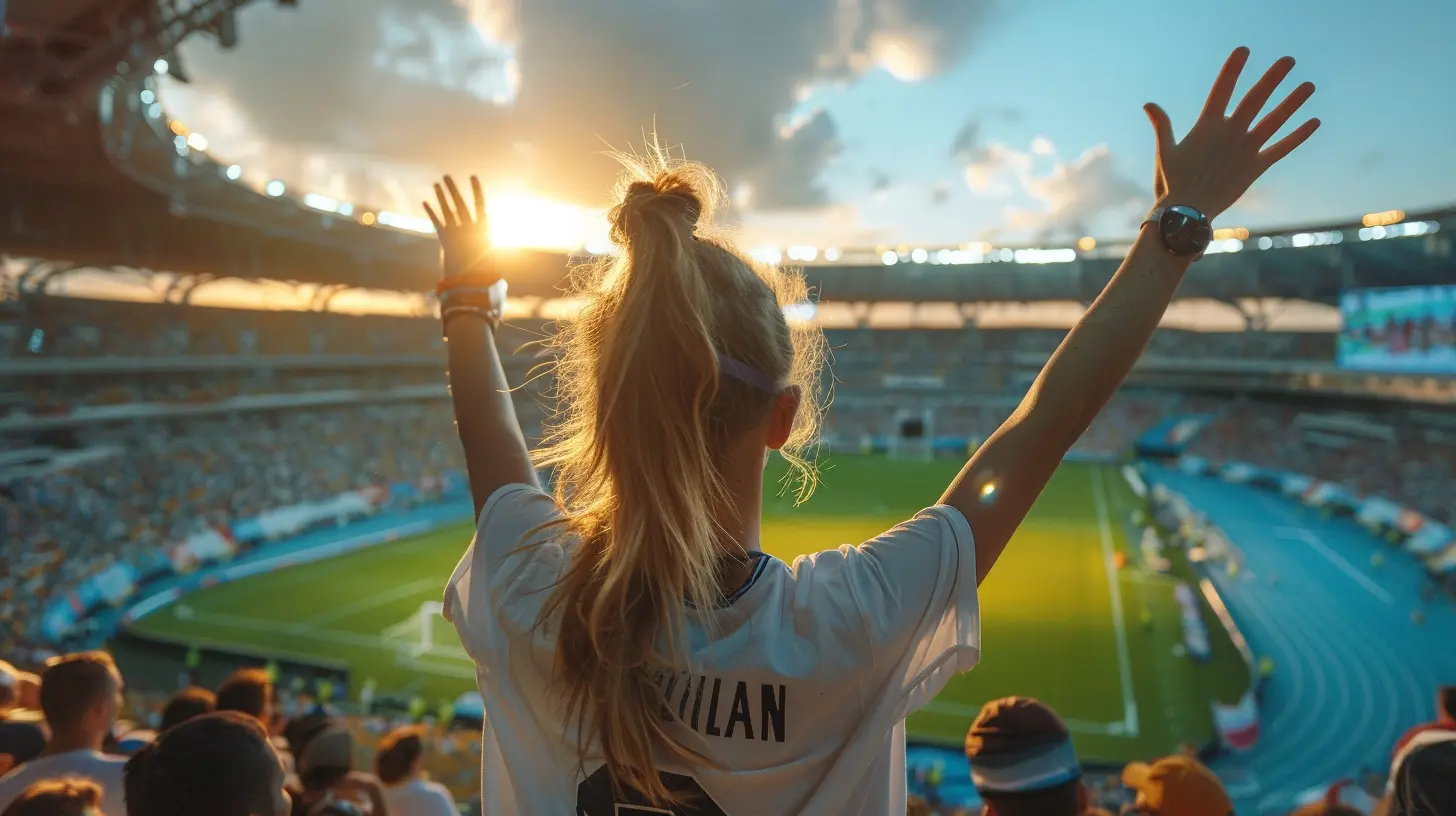
The Power of Passion: Why Fans Are the Real MVPs
Fans are more than just spectators. They’re brand ambassadors, content creators, and word-of-mouth marketers all rolled into one. When fans wear their team’s colors, post on social media, or argue passionately in forums, they're not just expressing love—they’re boosting brand visibility.Think about how a viral fan reaction video can attract more attention than the actual game. Remember when a single tweet from a die-hard fan turned into a trending hashtag? That’s the raw power of fandom—it spreads like wildfire.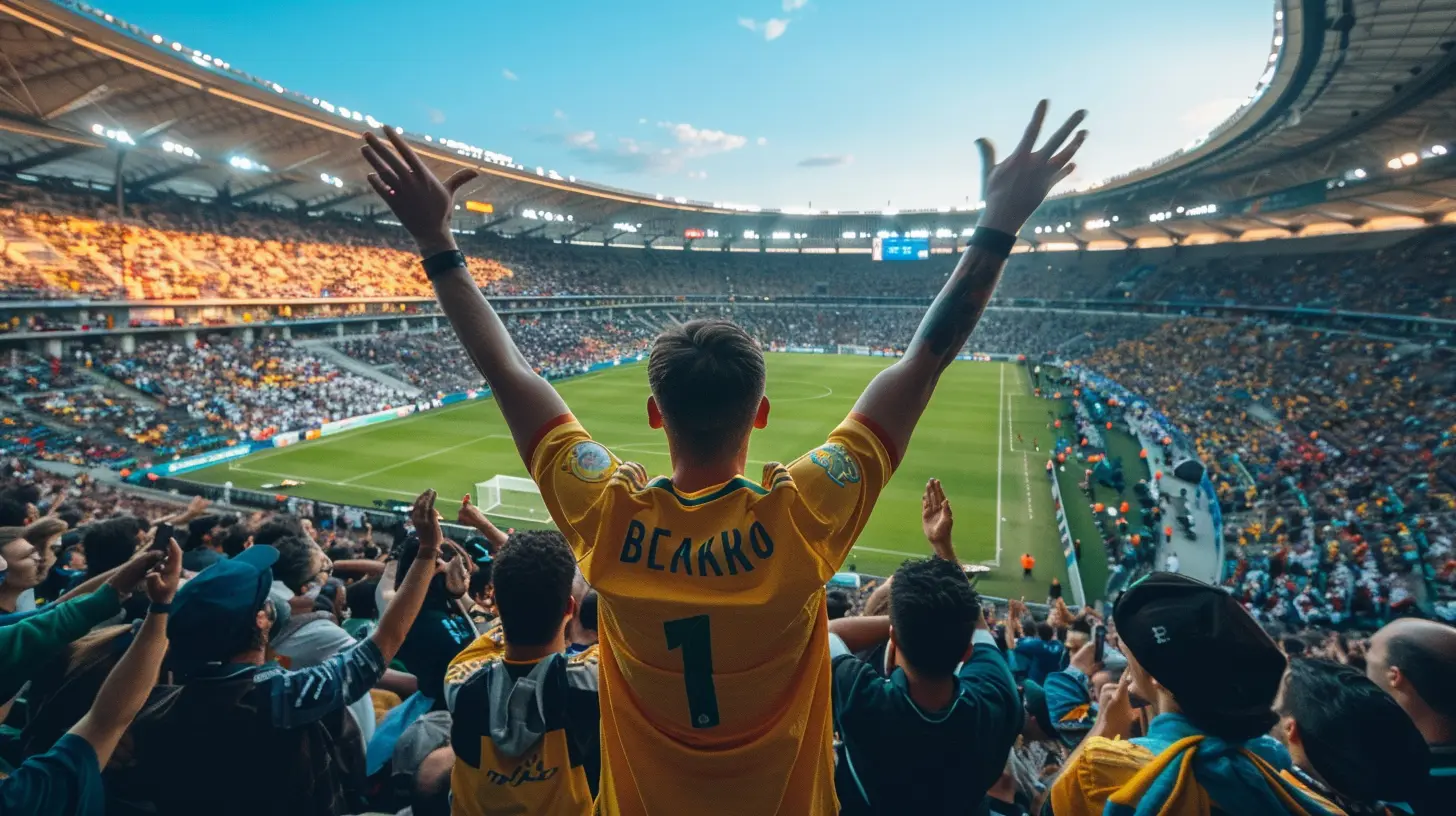
Community Equals Loyalty (And That's Marketing Gold)
One thing about fans—they stick around. Through the highs, the lows, the heartbreaks, and the wins, fans stay loyal. This loyalty is a dream come true for marketers. Why? Because a loyal fan base means:- Higher merchandise sales
- Increased ticket purchases
- More social shares and engagement
- Long-term brand stability
Take clubs like Manchester United or the New York Yankees. These teams can go years without winning a major title, and guess what? Their fan base is still massive and buying up all the merch. That’s brand equity built through relationships, not results.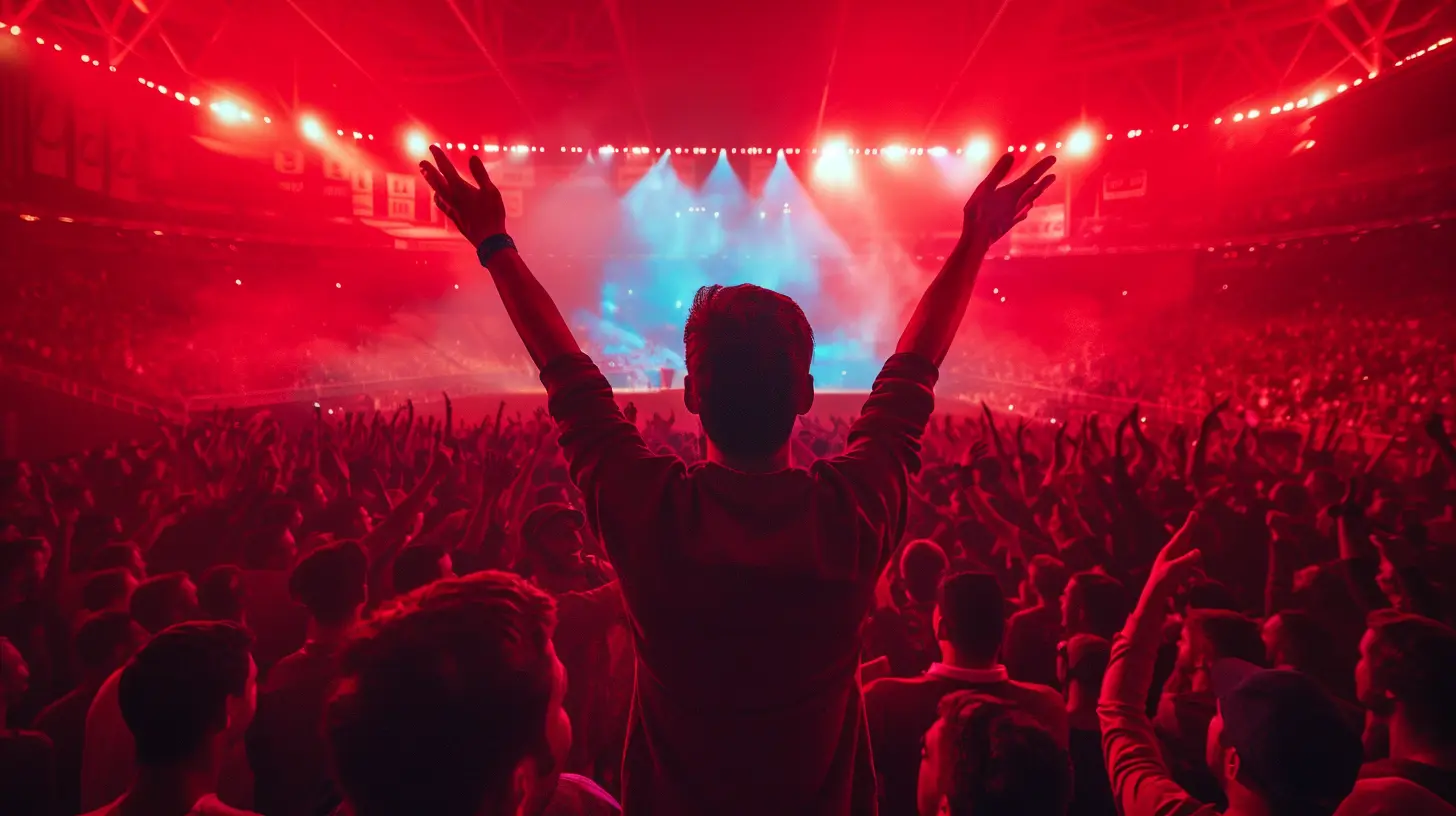
How Fans Drive Digital Engagement
We live in a digital-first world now, and fans have taken over online spaces. From Twitter threads to TikTok dances, fan-created content dominates timelines. Teams are smart—they’ve realized that user-generated content feels more authentic than polished ads. So they're leaning into it.Here’s how digital fandom supports marketing:
- Content Creation: Fans post memes, videos, podcasts, and artwork that promote the team organically.
- Social Media Buzz: Interactions between fans and teams on platforms like Instagram and X (formerly Twitter) keep the brand alive 24/7.
- Viral Campaigns: Challenges and hashtags started by fans can go global in hours.
It’s basically free promotion, driven by passion. And fans are doing it because they believe in their team—not because they’re getting paid. That’s priceless.
Influencing Brand Identity Through Culture
Let’s get real—teams are shaped by their fans as much as (if not more than) the other way around. A team’s identity often ties directly to the culture of its fan base.For instance:
- The "Raider Nation" is more than just Las Vegas Raiders fans—it’s a culture of fierce loyalty, tough attitudes, and black-clad pride.
- The "12th Man" in Seattle isn’t just a slogan for Seahawks fans—it defines their role as a game-changing force.
Teams are now leaning into these identities when creating marketing strategies. They use the slang, humor, and traditions of their fan base in branding campaigns because they know authenticity sells.
Fans As Micro-Influencers
Move over, big-name influencers—fans are becoming the new marketing stars. They may not have millions of followers, but they’ve got something better: credibility. A fan with 2,000 followers who lives and breathes a team can have more impact than a celebrity endorsement.Here’s how teams are using fan influencers:
- Fan takeovers on team social media accounts
- Shoutouts in official videos and promotions
- Contests for fan-created content and ideas
Teams are blurring the line between audience and brand, and it’s working wonders. People trust other people more than they trust slick ads. Simple as that.
The Emotional Connection Factor
Marketing is all about making people feel something, and let’s be honest—nothing pulls emotions out of people quite like sports. That moment of scoring a game-winning goal? Goosebumps. Last-second turnovers? Heartbreak.Fans experience every emotion under the sun, and teams can tap into those emotions to build brand loyalty. Here’s how:
- Storytelling: Highlighting fan stories—like super fans who’ve attended every game for decades—creates powerful emotional narratives.
- Relatability: Showing behind-the-scenes looks at players joking around or interacting with fans humanizes the team.
- Shared Experiences: Watch parties, meetups, and fan zones give fans a sense of belonging.
All of this builds a bridge between the team and the fan. And good branding is all about emotional connection, right?
Crowdsourced Innovation
Fans aren’t just influencing—they’re creating. Thanks to social media and modern technology, fans are offering up ideas, designs, and even strategies.Just look at these examples:
- Fan-designed jerseys that go on to become bestsellers
- Online polls to pick team mascots, slogans, or chants
- Collaborative campaigns, like voting for player nicknames or custom emojis
When fans feel like they’re part of the process, their bond with the team deepens. It’s like being part of the creative team without actually working there. Pretty cool, right?
The Role of Feedback: Fans as Brand Monitors
You can’t buy honest feedback—but fans sure will give it for free. And loudly.Fans are quick to voice opinions on:
- Rebranding efforts (just ask any team that’s ever changed its logo)
- Sponsorships they don’t agree with
- Trades and managerial decisions
This kind of feedback loop can be tough, but it’s also a gift. Teams that listen and adapt based on fan feedback tend to build stronger, more resilient brands.
Ignoring the fans? Big mistake. Huge.
Fan Behavior Can Impact Sponsorships and Partnerships
Here’s something many people overlook: sponsors care about who’s watching, not just who’s playing. A passionate, engaged fan base makes a team more attractive to potential sponsors.Brands want exposure, loyalty, and emotional impact—all things that strong fan communities provide.
In fact, some sponsors choose teams specifically because of the values and behavior of their fans. For example, supportive and inclusive fan communities are more likely to attract progressive, people-first brands.
Challenges: When Fandom Gets Toxic
Okay, so it’s not all sunshine and rainbows. Fandom can go too far. Sometimes, fan behavior can hurt a team’s brand. Whether it’s riots after a loss, online bullying, or boycotts, there’s a line between passion and poison.Teams need to manage this carefully. When things get out of control, it can scare off marketers and sponsors. The key is to set clear standards and foster a positive culture from the top down.
But even in these moments, fans shape the conversation. How a team handles these situations—often in partnership with the fan base—can rewrite the narrative.
Real-World Examples of Fan-Driven Branding
To bring it all home, let’s check out a few standout examples:1. Barcelona – "Més que un club"
This slogan, which means “More than a club,” wasn’t just invented by marketers. It grew from the team's deep cultural and political ties with the Catalonian people. Fans embraced this idea so strongly that it became central to the team’s global brand identity.2. Green Bay Packers – Owned by the Community
Literally owned by fans, the Packers have turned community ownership into a branding superpower. Their small-town vibe and loyal national following make them a marketer’s dream.3. Wrexham AFC – Hollywood Meets Fandom
When celebrities Ryan Reynolds and Rob McElhenney bought Wrexham AFC, it was fan storytelling that made the club go viral. Fans documented everything, creating a wave of content that turned a little Welsh club into a global phenomenon.The Final Whistle
At the end of the day, fans are the soul of every sports team. They don’t just influence branding and marketing—they are the brand. Teams that listen to, engage with, and celebrate their fans reap the rewards. In a world where loyalty is rare and attention spans are short, fan-driven marketing is not just effective—it’s essential.So the next time you see a viral moment involving a sports team, ask yourself: was that the team, or was it the fans behind it? Odds are, it was both. And that’s the magic.
all images in this post were generated using AI tools
Category:
Fan CultureAuthor:

Nelson Bryant
Discussion
rate this article
1 comments
Katie McCabe
Fans are the heartbeat of any team, turning logos into legends and chants into anthems. When they rally behind their favorites, they create magic that transcends the game itself... Go team!
July 6, 2026 at 3:04 AM
Nelson Bryant
Absolutely! Fans bring teams to life, shaping their identity and boosting their presence. It's their passion that turns a team into a community.