Why Sports Fans Are Some of the Most Loyal Consumers
8 May 2026
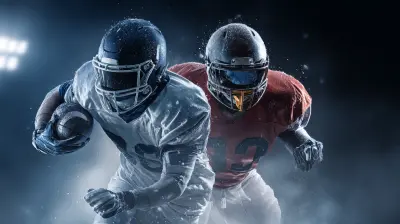
Ever wonder why a diehard sports fan will wear the same lucky jersey every game day, tattoo their team’s logo on their arm, or get into heated arguments over players they’ve never met? Yeah, we’ve all seen it. There's something deep in the DNA of sports fans that goes far beyond casual brand loyalty. This is the kind of dedication marketers dream about.
But why? What sparks this unwavering passion for a team, a league, or even a specific player? And more importantly, why do these fans become some of the most fiercely loyal consumers out there?
Let’s unravel the mystery behind the psychology, emotion, and culture that fuel one of the most committed consumer groups in the world: sports fans.
The Tribal Instinct: A Fan's Second Family
Humans are tribal by nature. Since ancient times, we’ve clung to communities that give us a sense of belonging. Fast forward to today, and for many people, sports teams are the modern-day tribes.Think about it—when you support a team, you’re part of something bigger than yourself. You high-five strangers at games, you share memes in fan groups, and you celebrate victories like you personally scored the winning goal.
This connection creates a strong sense of identity. It’s not just “they won,” it’s “we won.” And when that kind of emotional investment is in play, loyalty becomes automatic. You support your team in good times and bad—just like you would with family.
Brand Loyalty? Sports Fans Take It Further
Most consumers will switch brands if they find something cheaper or better. Not sports fans.Let’s say your favorite team signs a new sponsor. Boom—you start buying from that brand, often without even questioning it. Why? Because it feels like supporting the team. It’s a symbolic gesture, almost like adding another cheer in the stands.
That’s a marketer's dream. It’s not just brand affinity—it’s brand devotion.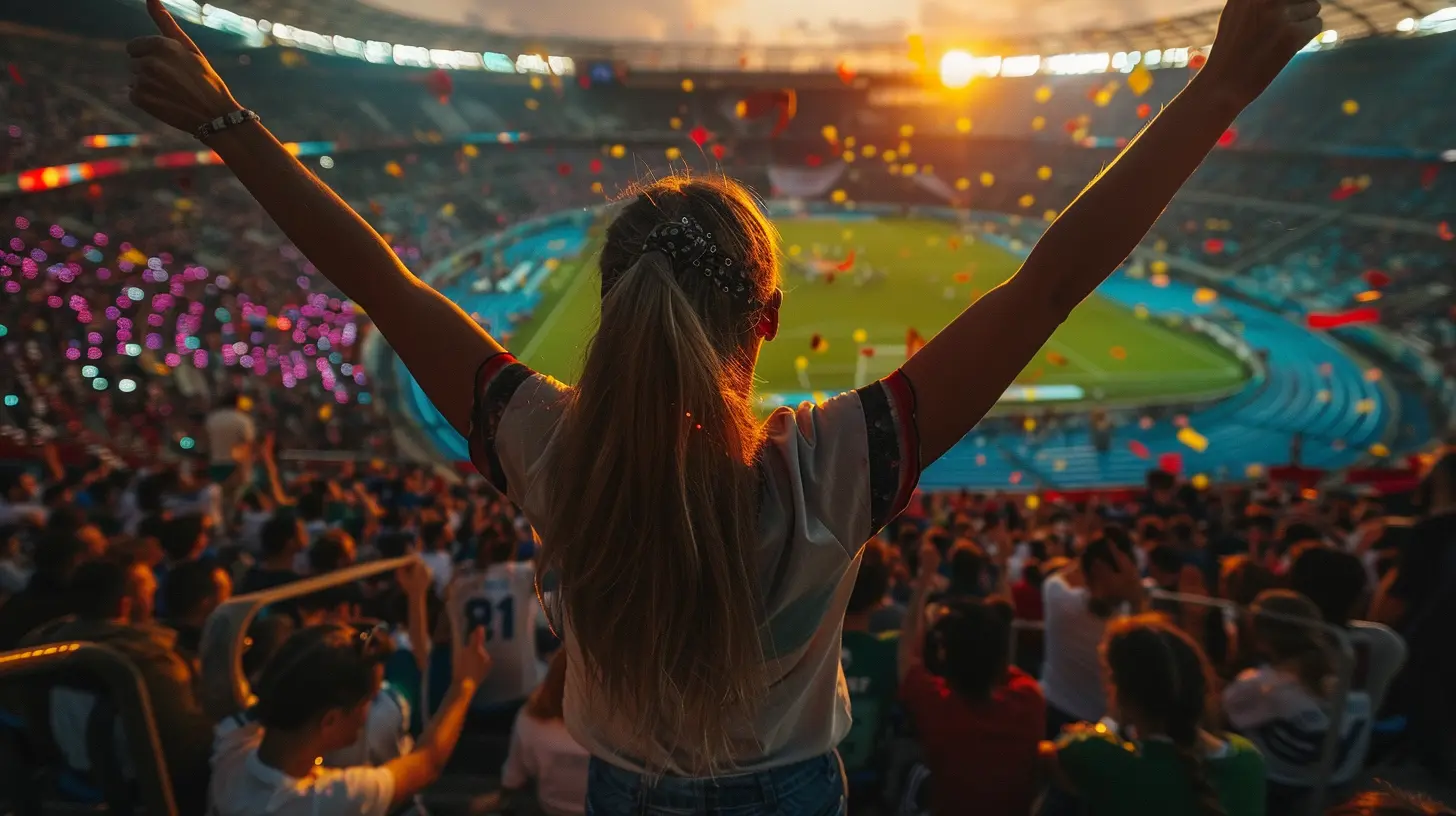
The Power of Emotional Highs (and Lows)
Sports are unpredictable. One second your team’s up, the next they’re crashing and burning. But that rollercoaster of emotions? That’s part of the appeal.When people experience intense emotions—like the thrill of a buzzer-beater or the agony of a last-minute loss—it creates lasting memories. Emotions etch experiences deep into our brains. And when a product or brand is associated with those experiences, we’re more likely to feel attached to them.
So if someone’s wearing your brand’s jersey when their team wins the championship, guess what? They're associating that win—and all the joy that came with it—with your brand. That’s a level of emotional branding that’s nearly impossible to buy with ads alone.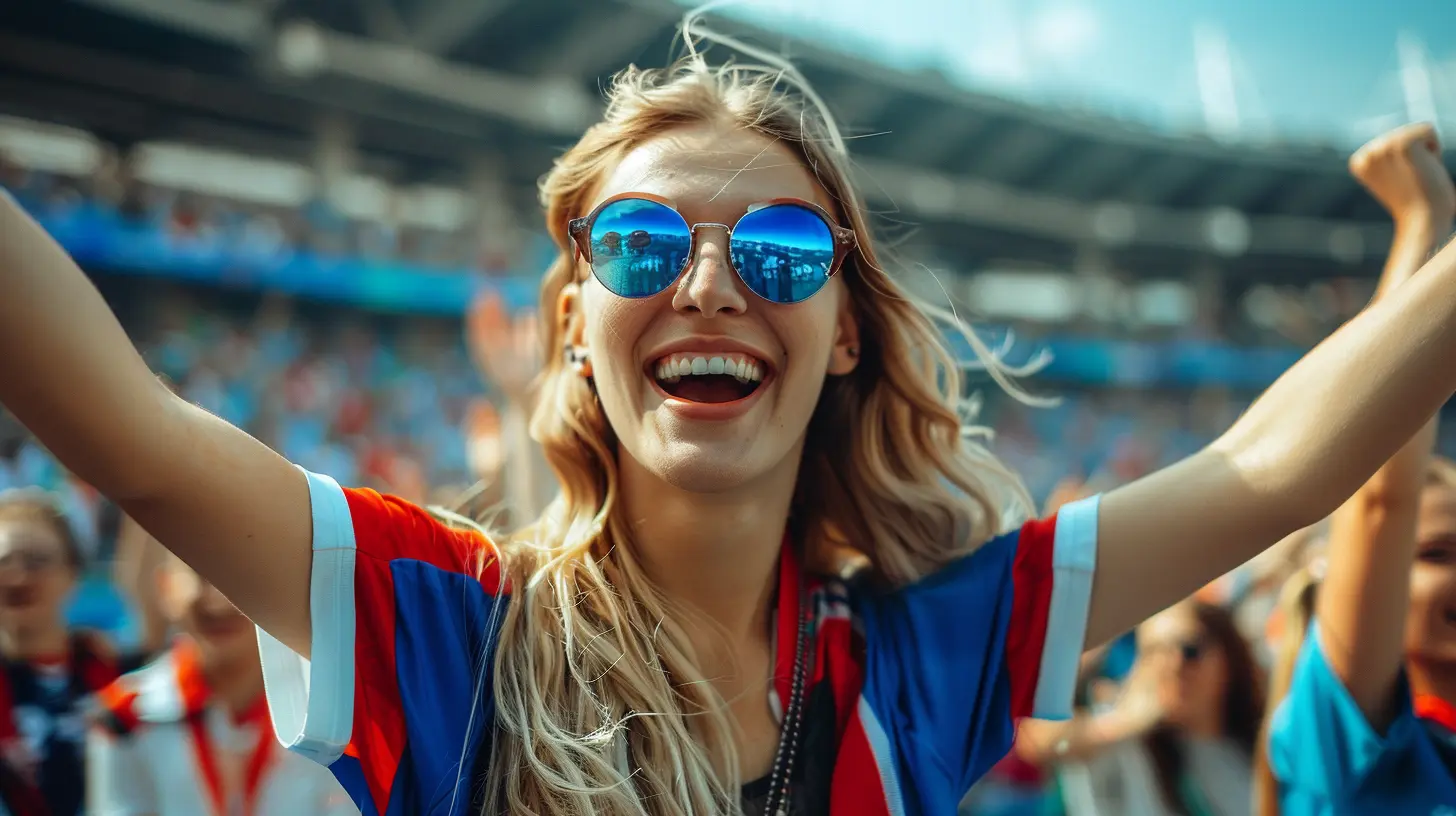
Nostalgia Hits Different
You ever catch a whiff of something that immediately takes you back to childhood? That’s nostalgia, and in the world of sports, it's a goldmine.Fans often inherit their loyalties from parents or grandparents. Watching games becomes a ritual, a family tradition. The jersey you wore when you went to your first baseball game, the player you idolized as a kid, the chants you sang with your friends—it all sticks with you.
So when a brand becomes part of that history—say, a soda you always drank during halftime, or the sneakers every player wore during the ‘90s—that brand earns a permanent place in your heart.
Nostalgia Builds Lifelong Bonds
Marketing to sports fans isn’t just about current products—it’s about becoming a part of their story. Tap into their nostalgia, and you’re speaking to their soul. That’s not just customer retention—that’s customer loyalty on steroids.
FOMO and the Fear of Missing Out
Let’s be real: nobody wants to be the outsider in the group chat on game night.Sports create a kind of social glue. They give people something to talk about, argue over, and celebrate together. So when everyone’s buzzing about the latest trade, playoff berth, or jersey drop, fans want in.
This Fear of Missing Out—FOMO—drives consumption like crazy. From limited-edition sneakers to exclusive fan merch and digital collectibles, fans shell out cash just to feel connected to the moment.
And when a brand can make fans feel like they’re part of that moment? That’s a home run.
The Social Flex of Fandom
Let’s not ignore the social status element. Being a sports fan can be just as much about identity as it is about community.Rocking a team hoodie? Posting your game-day snacks on Instagram? Sharing your fantasy picks on Twitter? That’s all part of the performance. You're showing the world which tribe you belong to—and flexing your loyalty while you're at it.
The Power of the Fan Persona
Sports fans curate their image around their teams. And every brand they wear, drink, drive, or endorse becomes an extension of that identity. Once your product gets that fan stamp of approval, you're not just a brand anymore. You’re part of someone’s personal brand.Superfans Drive Super Sales
Sure, casual fans buy a ticket now and then. But superfans? They're the real MVPs of the buying world.They’ll drop thousands on season tickets, travel cross-country for games, build man caves or she-sheds packed with memorabilia, and buy every jersey variation known to man.
These superfans are hyper-loyal and hyper-engaged. They don’t just consume content—they live it. And when they believe in your brand, they become your unofficial ambassadors, spreading your message further than any ad campaign ever could.
Digital Fandom in the Age of Social Media
Let's face it: being a sports fan has gone digital in a big way.From following athletes on Twitter to joining Reddit game threads to watching highlight reels on TikTok, fans are more connected—and more vocal—than ever. And that means brands have more opportunities to tap into real-time engagement.
Social media gives fans a platform to celebrate, vent, and stay connected 24/7. And when brands engage that audience—through memes, shoutouts, or inside jokes—they’re not just promoting. They’re participating.
Engagement Equals Trust
When fans see that a brand “gets them,” it builds trust. It makes the brand feel like one of them—not just some faceless company trying to cash in.That’s when loyalty deepens. Because now, the brand isn’t just associated with the team—it’s part of the culture.
The Economics of Loyalty
Let’s talk dollars and sense. From an ROI standpoint, loyal consumers spend more over time. According to multiple marketing studies, repeat customers are worth 5 to 10 times more than new customers.And guess what? Sports fans fit that description perfectly.
They buy year over year. They upgrade. They refer friends. They invest emotionally and financially. And they’re less likely to jump ship over minor complaints or price differences.
Crisis-Proof Commitment
A sports team could go 0-16 and still sell out stadiums. That kind of forgiveness? It’s unmatched.Same goes for the brands that support the team. If you're a partner during the losing streaks, fans remember that. They see your loyalty to the team as a reflection of your loyalty to them. And in return, they stay loyal to you.
It's symbiotic. Stick by the fans, and they’ll stick by you.
Final Thoughts: Loyalty You Can’t Fake
So why are sports fans some of the most loyal consumers?Because their loyalty isn’t based on logic. It’s rooted in emotion, identity, community, and tradition. It’s something they feel in their gut.
That kind of loyalty can’t be faked. It can’t be bought with a coupon or earned with a flashy commercial. It has to be built—slowly, authentically, passionately.
But get it right, and you won’t just gain a customer.
You’ll gain a follower. A believer. A lifelong fan.
all images in this post were generated using AI tools
Category:
Fan CultureAuthor:

Nelson Bryant
Discussion
rate this article
2 comments
Preston McGlynn
Great points in this article! The passion and loyalty of sports fans truly set them apart. It's amazing how much support they give to their teams, making sports not just a game, but a shared, lifelong journey. Keep it up!
September 11, 2026 at 3:47 AM
Nelson Bryant
Thanks for your kind words! I really appreciate your insights on the unique bond between fans and their teams. It truly makes sports special.
Peter Wells
In the arena of hearts, loyalty shines bright, Fans weave dreams from hope and delight. Through wins and losses, their spirit stays true, A bond unbroken, forever in view.
May 23, 2026 at 12:33 PM
Nelson Bryant
Loyalty in sports is powerful. Fans invest their hearts, making their devotion a significant driver in the industry. It's more than just a game; it's about shared dreams and unwavering support.