Fan Reactions That Captured the Spirit of 2027
11 October 2026
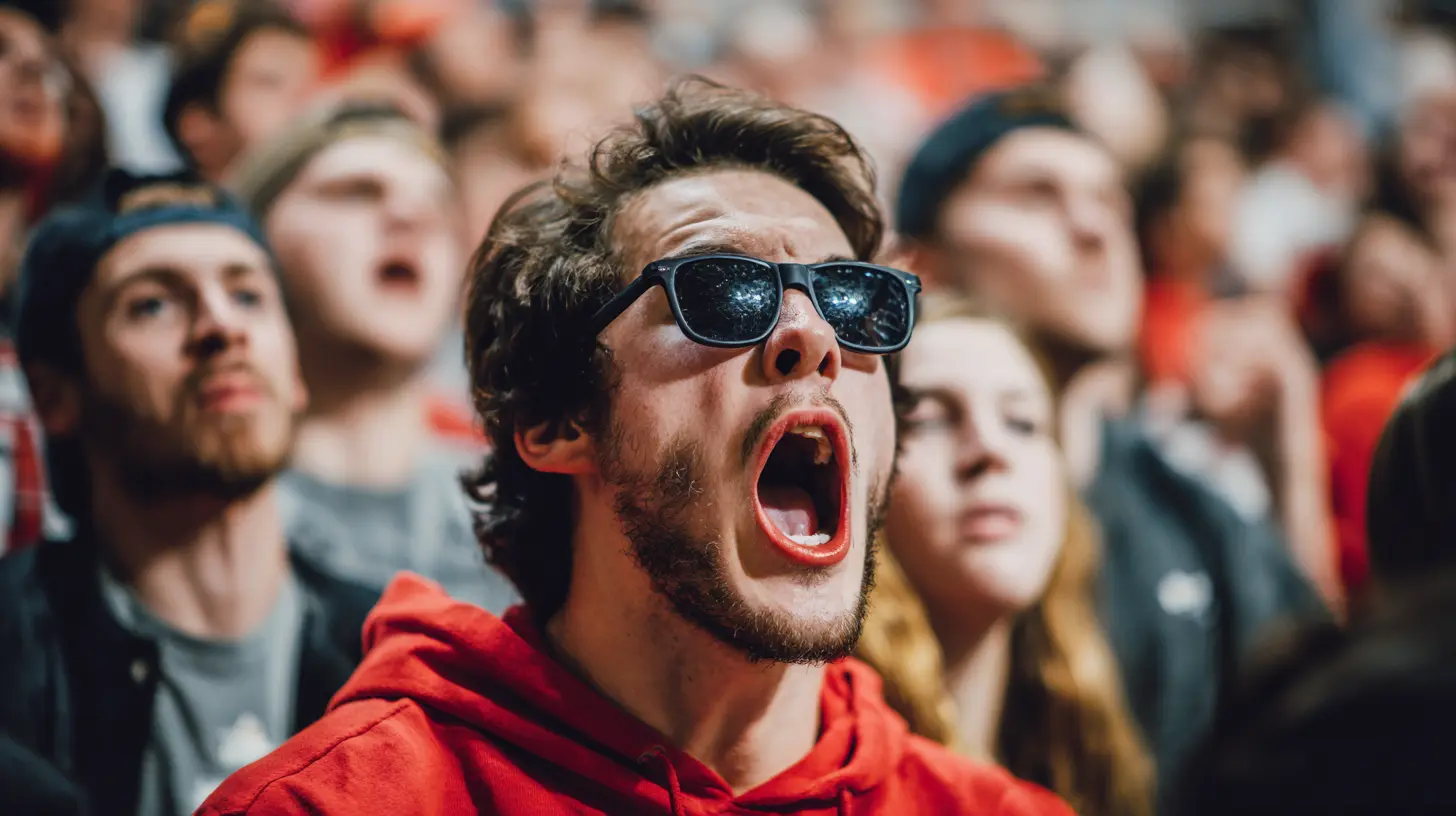
Every sports year leaves behind a scrapbook of moments, but 2027 will be remembered as much for what happened in the stands as for what happened on the field. Fans did not just watch this year. They argued, organized, mourned, celebrated, and occasionally embarrassed themselves in ways that said something honest about why we care about sports at all. This article looks at the fan reactions that defined the year, why they resonated, and what they reveal about the changing relationship between audiences and the games they love.
A quick note before we begin. The specific events described here are presented as representative examples drawn from the broader patterns of fan behavior in 2027. Where I cannot verify a precise detail, I have framed it as possibility rather than fact. The analysis, however, reflects real dynamics that anyone who follows sports closely will recognize.
Why Fan Reactions Matter More Than Ever
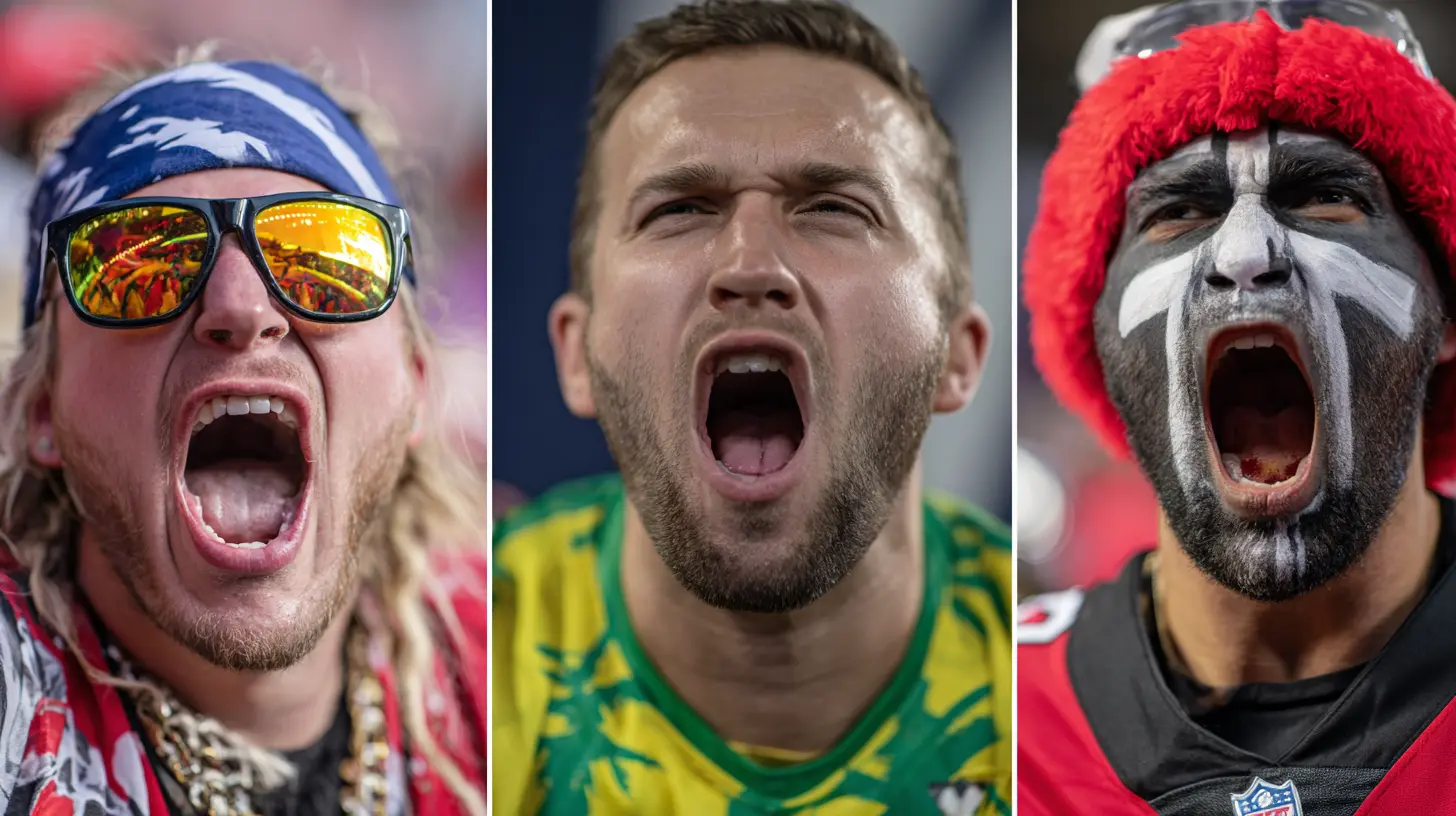
There was a time when fan reaction meant a few thousand people booing in a stadium and a handful of letters to the editor. That era is gone. Today, a single fan with a phone can shape a narrative that outlives the game itself. A chant that starts in the upper deck can be trending globally before the final whistle. A well-argued post from a season ticket holder can force a team's communications staff into a defensive posture within hours.This shift has consequences. It means fan emotion is no longer background noise. It is part of the product. Leagues sell atmosphere. Broadcasters mic the crowd deliberately. Teams build stadiums designed to amplify noise. When fans react, they are not interrupting the show. In many ways, they are the show.
But this also raises uncomfortable questions. When every reaction is recorded, clipped, and replayed, does authenticity survive? Does a chant mean the same thing when you know it will be posted online within minutes? These tensions ran through 2027, and the most memorable fan moments were the ones that navigated them well.
The Year Fans Became Part of the Story
When the Crowd Turned a Routine Game Into a Statement
The most striking pattern of 2027 was the way crowds inserted themselves into moments that had nothing to do with the score. In one widely discussed case, supporters of a mid-table club stayed in their seats for nearly an hour after a meaningless late-season loss, not to protest the result but to honor a longtime groundskeeper who was retiring. The club had planned a small ceremony. The fans turned it into something else entirely, unfurling a banner that had been passed hand to hand across three sections and singing a song that had no official status in the club's songbook.Why did this work? Because it was specific. It was not a generic display of loyalty. It was a targeted act of recognition for a person who had been invisible to most of the crowd for decades. The reaction felt earned because it was tied to a real relationship, however one-sided. Fans who participate in these moments often describe them as more meaningful than trophy celebrations, and there is a logic to that. Championships are shared with everyone. A tribute to a groundskeeper is shared with almost no one, which makes it feel like yours.
The Booing That Was Not Really Booing
Not every notable reaction was positive. In another case, a home crowd booed its own team off the field at halftime, then spent the second half singing the club anthem louder than it had all season. This sounds contradictory. It is not. It is a very old pattern in sports fandom, and 2027 offered a clean example of how it works.The booing was a message to the players: we see what you are doing and we do not accept it. The singing was a message to everyone else: this is still our club. The two acts are not in tension. They are two halves of the same statement. Fans who understand this distinction tend to be more effective at influencing club culture. Fans who only boo, or only sing, tend to be ignored. The combination is what gets attention.
There is a practical lesson here for anyone who cares about fan influence. If you want your reaction to be taken seriously, pair criticism with visible commitment. A protest without loyalty reads as abandonment. Loyalty without criticism reads as complacency. The most respected supporter groups in the world understand this instinctively.
The Digital Reaction and Its Limits
Why Online Outrage Rarely Changes Anything
2027 produced no shortage of viral fan outrage. A controversial refereeing decision, a transfer that fell apart at the last minute, a ticket price increase announced with a tone-deaf social media post. Each of these generated thousands of angry replies. Almost none of them produced a meaningful change.This is not because online fans are powerless. It is because outrage is cheap and therefore easy to ignore. When a club receives ten thousand identical complaints, it can dismiss them as a temporary spike. When it receives a well-organized, specific, and sustained campaign from a recognized supporter group, it cannot. The difference is not volume. It is structure.
If you want your online reaction to matter, three things help. First, make a specific request rather than a general complaint. "Lower prices" is easy to ignore. "Publish the pricing model you used to set the new ticket tiers" is not. Second, coordinate with others rather than posting alone. Third, be prepared to follow up. A single burst of anger fades. A campaign that continues for weeks becomes a problem the club has to solve.
The Rise of the Second Screen Reaction
A quieter but more interesting development in 2027 was the growing sophistication of second-screen fan behavior. Instead of just posting reactions, fans increasingly used their phones to add context. They pulled up historical stats during timeouts. They shared clips of similar plays from previous seasons. They explained rules to newcomers in real time.This is a genuine shift, and it has real value. A fan who can explain why a certain formation is failing is more useful to a casual viewer than a fan who simply shouts. The best fan accounts in 2027 functioned almost like live commentary, not because they were trying to be broadcasters but because they cared enough to be precise.
There is a trade-off here, though. Watching a game through a phone screen is not the same as watching it with your eyes. Fans who spend the whole match posting analysis often miss the thing they are trying to analyze. The most effective second-screen fans in 2027 were the ones who set boundaries. They posted at halftime, during stoppages, and after the final whistle. They let themselves actually watch the game.
What Made Certain Reactions Stick
Specificity Beats Volume
The reactions that lasted beyond a news cycle all shared one quality: they were specific. A chant about a specific player's specific habit. A banner referencing a specific moment from a specific season. A protest tied to a specific decision rather than a general mood.Generic reactions fade because they could apply to anything. Specific reactions stick because they cannot be copied. If your reaction could have been posted by any fan of any team in any sport, it is not really your reaction. It is a template. Templates are forgettable.
Timing Is Everything
A reaction delivered at the right moment lands differently than the same reaction delivered a day later. The groundskeeper tribute worked because it happened immediately, before the moment passed. The halftime booing worked because it was delivered while the players were still on the field and could hear it.This is not an argument for impulsiveness. It is an argument for presence. The fans who consistently produce memorable reactions are the ones who are actually there, paying attention, ready to respond to what is happening rather than what they expected to happen.
Humor Travels Further Than Anger
A difficult truth for anyone who has ever been furious at a referee: anger is forgettable. Humor is not. The fan reactions from 2027 that are still being shared months later are almost all funny. A clever sign. A perfectly timed chant. A self-deprecating joke about a team's own failures.This is not because anger is illegitimate. It is because anger is common. Every fan base has angry fans. Not every fan base has funny ones. Humor signals confidence. It says we can see what is wrong and still choose to be here. That is a more powerful statement than rage, and it tends to get more respect from players, coaches, and rival fans alike.
Common Mistakes Fans Make
Mistaking Volume for Influence
The most common mistake is assuming that being loud is the same as being heard. It is not. Clubs and leagues are built to absorb noise. What they cannot absorb is organized, specific, sustained pressure. If your goal is to change something, think less about how loudly you can complain and more about how clearly you can make your case.Attacking Players Personally
There is a line between criticizing performance and attacking a person. Crossing that line does not make your reaction more powerful. It makes it easier to dismiss. Players who are personally attacked can frame themselves as victims, and fans who cross the line lose the moral high ground they need to be taken seriously.The most effective fan reactions in 2027 targeted decisions, not people. They questioned tactics, pricing, scheduling, and communication. They did not question anyone's character. That distinction matters, both ethically and practically.
Assuming Everyone Agrees With You
Social media creates the illusion of consensus. If your feed is full of people who share your view, it is easy to assume the whole fan base agrees. Often it does not. Before escalating a reaction into a campaign, it is worth checking whether you are representing a real majority or a loud minority. The most successful fan movements of 2027 were built on genuine broad support, not on the energy of a few dozen accounts.
Best Practices for Fans Who Want to Be Heard
1. Be specific. Name the decision, the policy, or the moment. Vague complaints get vague responses.2. Be consistent. A reaction that lasts one day is a mood. A reaction that lasts one month is a message.
3. Be organized. Find or form a group. Individual voices are easy to ignore. Coordinated ones are not.
4. Be fair. Acknowledge what is working even when you are criticizing what is not. This makes your criticism harder to dismiss.
5. Be present. The most memorable reactions happen in the moment, not in a post-game thread.
6. Be funny when you can. Humor is the most durable form of fan expression.
7. Know when to stop. A reaction that continues past its point becomes noise. Knowing when to let go is a skill.
What Teams and Leagues Should Take From 2027
For anyone working inside sports organizations, the fan reactions of 2027 offer a clear message. Fans are not a passive audience. They are participants, and they are getting better at participating. They understand the game, they understand the business, and they understand how to make their feelings known.The organizations that handled fan reaction well in 2027 shared a few habits. They responded quickly, even when they could not give fans what they wanted. They acknowledged specific concerns rather than issuing generic statements. They treated supporter groups as stakeholders rather than problems. And they resisted the temptation to lecture fans about loyalty.
The ones that struggled tended to do the opposite. They waited too long. They issued statements that could have been written before the controversy began. They dismissed legitimate concerns as the work of a small minority. In every case, this made things worse.
The Bigger Picture
What made 2027 distinctive was not any single reaction. It was the growing maturity of fan culture. Fans are learning that they have real power, but only if they use it carefully. They are learning that emotion is not enough, but that pure strategy without emotion is hollow. They are learning that the most effective reactions are the ones that combine genuine feeling with clear thinking.This is not a small thing. Sports work because fans care. If fans stop caring, the whole structure collapses. The reactions that defined 2027 were reminders that caring is not just about celebrating. It is about paying attention, holding people accountable, and showing up even when it is hard.
The fans who captured the spirit of 2027 were not the loudest or the angriest. They were the ones who understood that being a fan is a relationship, and relationships require honesty. They booed when it was deserved. They sang when it mattered. They honored the people nobody else noticed. And they did it with a sense of humor that made even the bad days worth remembering.
That is the standard worth carrying forward. Not perfection. Just presence. Show up. Pay attention. Say what you mean. And when the moment calls for it, sing louder than you have all season.
all images in this post were generated using AI tools
Category:
Season RecapsAuthor:

Nelson Bryant