Dissecting the Diamond Midfield Formation in Soccer
3 May 2026
When it comes to soccer tactics, formations are more than just numbers on a board—they're the chess moves that define the flow of the game. And few formations spark as much intrigue and debate as the diamond midfield. It's sharp, it's compact, and when executed right, it's a tactical weapon that can completely boss the center of the pitch.
So, what's the deal with the diamond midfield? Why do some coaches swear by it while others steer clear? Buckle up, because we’re diving deep into the mechanics, the pros, the cons, and the subtle magic that makes this formation tick.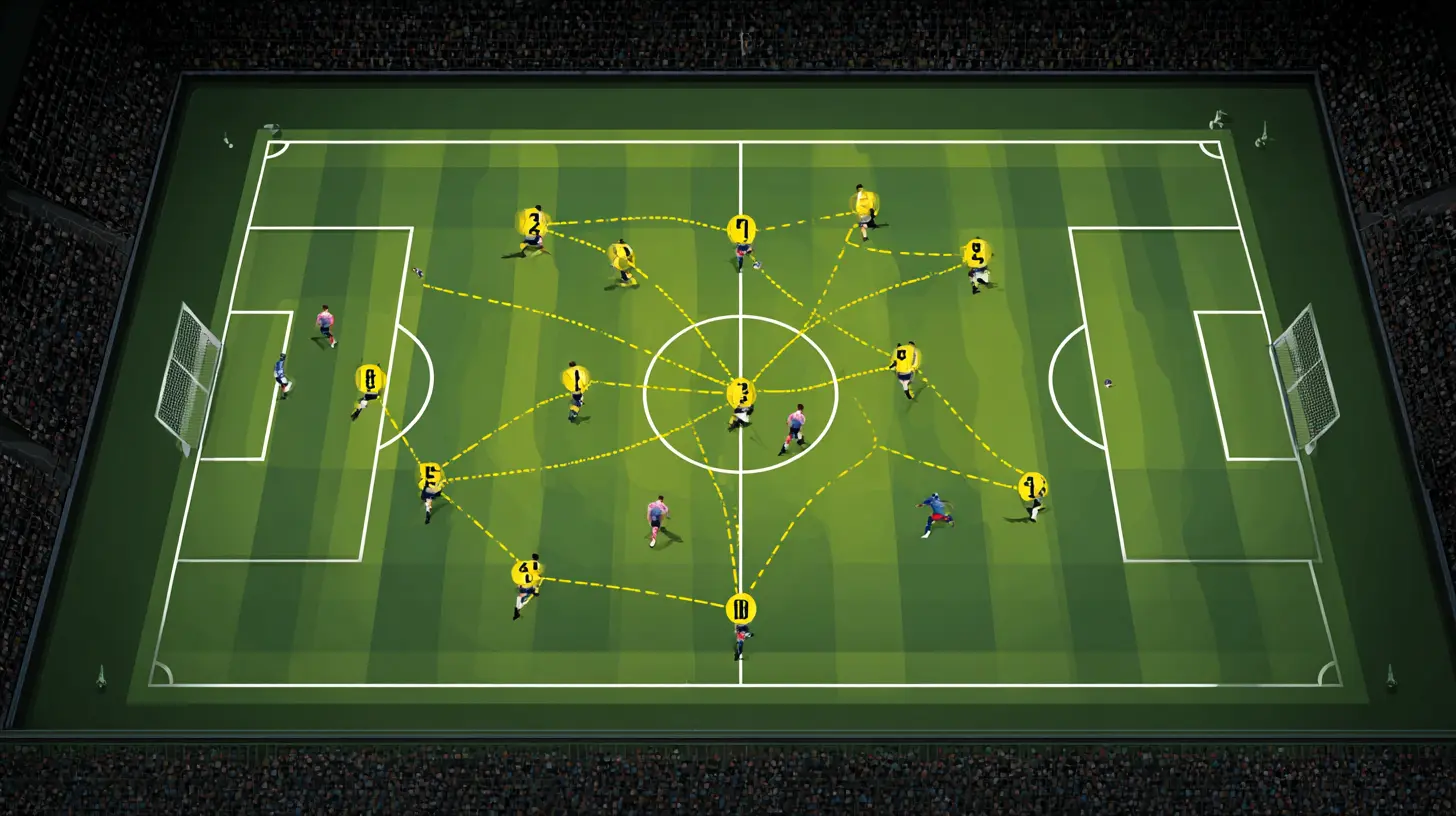
What is the Diamond Midfield Formation?
Picture this: you’ve got four midfielders arranged in the shape of a diamond (hence the name). One sits at the base (the defensive midfielder), two float on the sides (the shuttlers or central mids), and one operates at the tip just behind the forwards (the attacking midfielder or No. 10). It’s usually seen in a 4-4-2 formation, where the midfield four are organized in this diamond shape.It's not just about the shape though—it's about balance, fluidity, and connecting defense to attack like a string of pearls.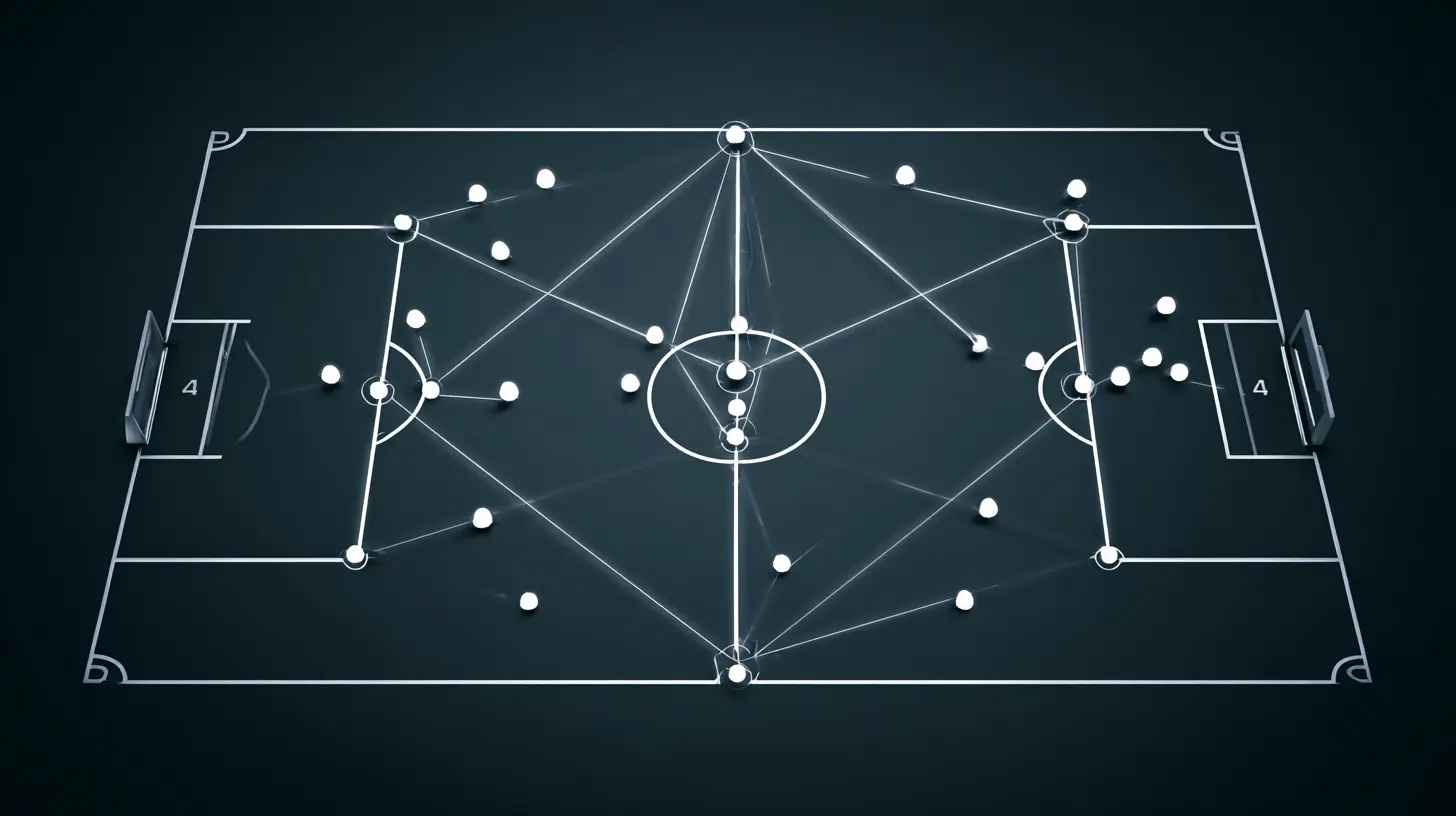
The Core Structure of the Diamond
Let’s break down the roles:1. The Defensive Midfielder (The “Regista” or Anchor)
This player is the foundation. Think Sergio Busquets or Claude Makélélé. Their job? Dictate tempo, intercept passes, and shield the backline. They're the glue.2. The Side Midfielders (The Shuttlers)
These guys do a ton of running. Box-to-box dynamos like N'Golo Kanté or Jordan Henderson, they support both defense and attack. They form the engine room of the team.3. The Attacking Midfielder (The “No. 10”)
This is your playmaker. The artist of the team. They float in that pocket behind the strikers, pulling strings and slipping through-balls. Think Mesut Özil in his prime or Bruno Fernandes.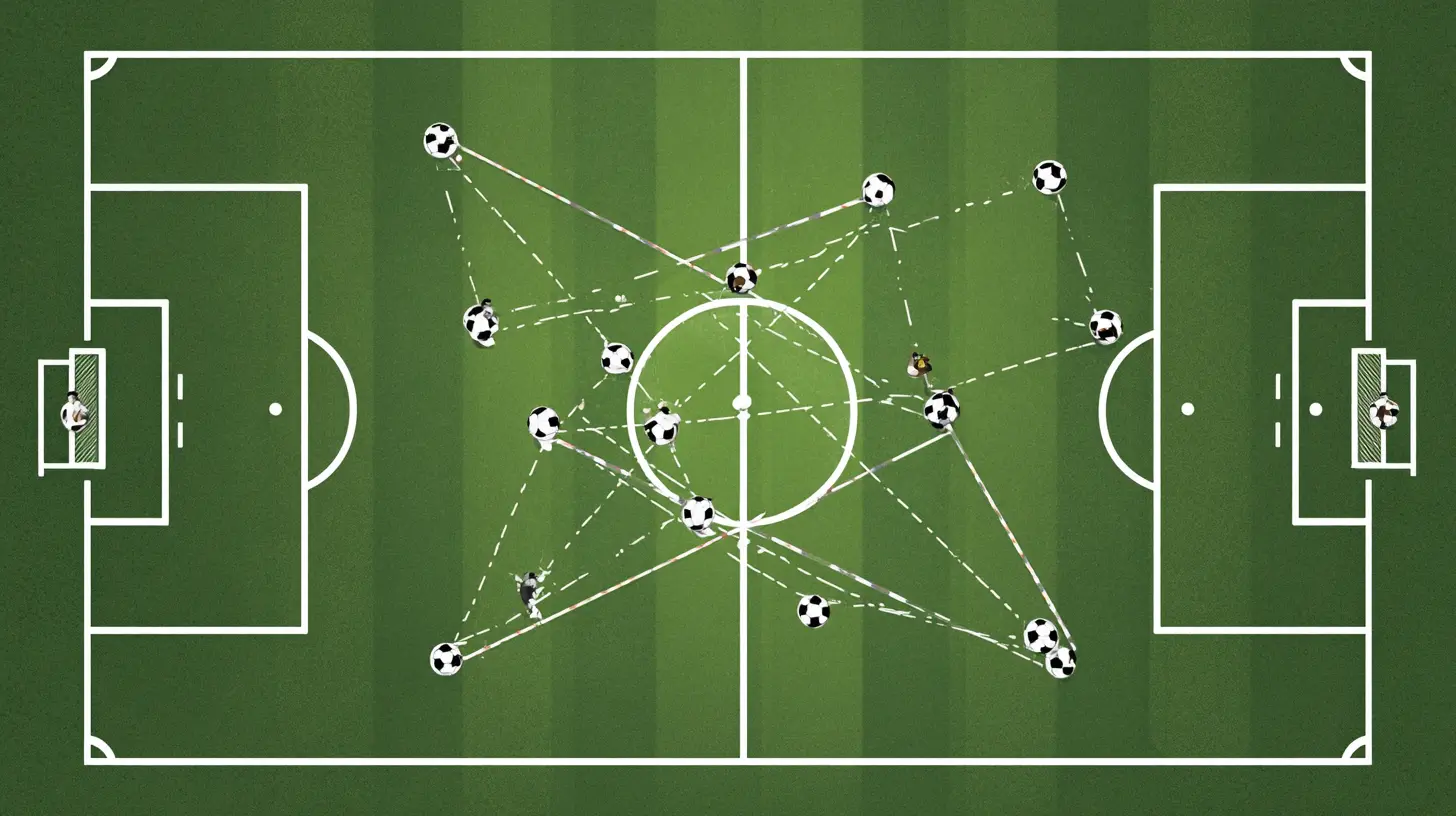
Strengths of the Diamond Midfield
So, why go diamond? Simple—it creates central dominance that can choke the life out of opponents.Central Overload
With four players packed tightly in the middle, teams using the diamond can completely outnumber the opposition in the central third. It's like bringing a sword to a knife fight—more weapons, more control.Quick Transitions
Because the players are close together, they can ping the ball around like it’s a game of hot potato. Transition from defense to attack? Lightning fast.Flexibility in Attack
Want to go wide? Push your full-backs high. Need to play through the middle? You’ve got your No. 10 pulling strings and shuttlers making late runs into the box. It’s a fluid system that adapts.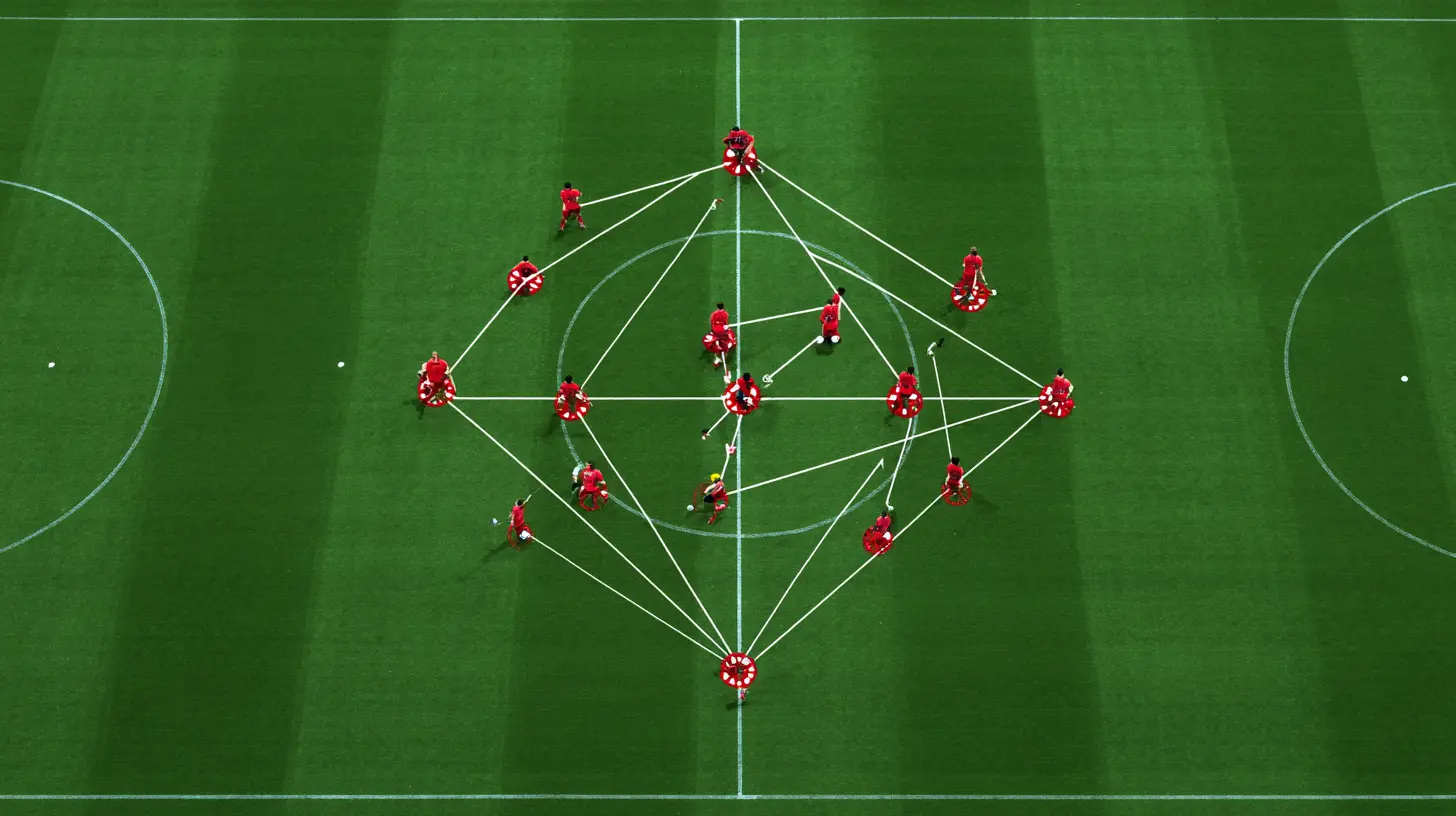
The Weaknesses (Yep, It’s Not Perfect)
Every formation has its Achilles' heel, and the diamond is no exception.Vulnerable Flanks
One word: width. Without natural wingers, your team can get exposed down the sides. Opponents with pacey wide players can stretch the diamond and create havoc.Full-Back Fatigue
Since the width must come from the full-backs, they’re running marathons every game. A tired full-back is a liability, and against top wingers, that’s a recipe for trouble.Requires High Football IQ
This isn’t plug-and-play. The diamond demands intelligent players who can read the game, rotate positions, and communicate constantly. Otherwise, it turns into chaos.Famous Teams That Used It Well
The diamond isn’t new—it’s been around for ages. But a few teams have mastered it beautifully.AC Milan (2002–2007)
Under Carlo Ancelotti, Milan’s diamond was a thing of beauty. Pirlo at the base, Gattuso and Seedorf on the sides, and Kaká at the tip. That midfield won the Champions League and remains one of the best ever.Real Madrid (2014–15)
Ancelotti again. This time with Kroos, Modrić, James Rodríguez, and Isco all rotating through the diamond. It was stylish, lethal, and effective.RB Salzburg (2022–23)
Fast forward to modern times, RB Salzburg used a variation of the diamond to develop young, energetic squads that pressed high and flowed forward with purpose. They're proof that the diamond isn’t stuck in the past.Tactical Tweaks and Variations
The beauty of the diamond? You can bend it, twist it, and mold it to fit your style.Narrow Diamond
This is the pure form. Everything is compact, and the focus is on ball retention in the middle. But it needs overlapping full-backs to work. Think tiki-taka with a scalpel.Wide Diamond
A more stretched-out version, where the shuttlers cover more of the flanks. This gives slightly more width but can leave gaps in the middle.Lopsided Diamond
Got a talented left-footed playmaker? Shift the diamond asymmetrically, tucking one side deeper while pushing the other forward. It can confuse the opposition and overload certain channels.The Role of Full-Backs in the Diamond
This deserves its own spotlight because, in a diamond, full-backs are not just defenders—they’re lifelines.They provide width, overlap constantly, and often double up as wingers. That means they need to have lungs of steel and incredible decision-making.
Guys like Dani Alves, Andrew Robertson, or João Cancelo thrive in such roles because they balance attack and defense so well. But ask too much of an average full-back, and the diamond collapses like a house of cards.
When Should You Use the Diamond?
Good question. Like any tactic, it depends on your squad and the opposition.Use the diamond when:
- You want to dominate midfield battles.
- Your full-backs are explosive.
- You have ball-playing midfielders.
- The opposing team plays with wingers who don’t track back.
Avoid it when:
- Your full-backs lack pace.
- You’re facing wide, attacking threats.
- You don't have a natural No. 10 or deep-lying playmaker.
How to Beat the Diamond
Playing against a diamond? Here’s how you crack it:Exploit the Flanks
Wingers and overlapping full-backs can stretch and break the compact structure. Think stretch-and-pull tactics—drag them wide, cut inside.High Press
Force the defensive midfielder into errors. If your forwards press intelligently, you can isolate the playmaker and disrupt the flow.Quick Switches of Play
Move the ball from one side to the other quickly. This tires the diamond legs and opens up spaces.It's like playing a fast-paced game of ping pong—the diamond struggles when it’s constantly adjusting.
Is the Diamond Midfield Coming Back?
Short answer? Yes. Coaches today are leaning toward more fluid and dynamic systems. And the diamond, with its ability to morph on the fly, fits right in.With the rise of inverted full-backs, false nines, and hybrid midfielders, the diamond can be adapted in modern ways. It’s not just a throwback—it’s a chameleon.
Final Thoughts
The diamond midfield is like jazz. On paper, it looks messy. But when every player knows their role and the team moves in harmony, it becomes beautiful chaos. It’s risky, demanding, and vulnerable on the wings—but the reward? Utter dominance in the heart of the pitch.If you’re a coach, a player, or just a soccer nerd, the diamond is worth studying. It's not just about tactics—it's about finding the right rhythm, the right chemistry, and the right players to make it shine.
So next time you see a match with a tight, congested midfield, look closely. You just might be witnessing the diamond at work.
all images in this post were generated using AI tools
Category:
TacticsAuthor:

Nelson Bryant
Discussion
rate this article
2 comments
Milena Wilson
The diamond midfield formation offers a unique balance of attack and defense. Its effectiveness often depends on players' adaptability and communication, which can make or break a team's performance.
August 29, 2026 at 12:13 PM
Maxine Reilly
The diamond midfield offers both control and width.
May 10, 2026 at 3:06 AM
Nelson Bryant
Absolutely, the diamond midfield perfectly balances control in the center with the ability to stretch the play wide, making it a versatile formation.