The Role of Proprioception in Athletic Performance: Understanding Body Awareness
30 December 2025
Introduction
Ever wonder how top athletes make their game look downright effortless? How gymnasts land flips with pinpoint accuracy or basketball players maneuver through defenders like magicians? It’s not just skill, strength, or speed—it’s proprioception.
Yeah, I know, that’s a big, fancy science word. But don’t worry, I’ll break it down for you. Proprioception is your body’s secret sixth sense, the invisible force that keeps you balanced, coordinated, and moving like a pro. Whether you’re a weekend warrior or a hardcore athlete, understanding proprioception can take your performance to the next level.
So, buckle up, because we’re about to dive deep into the mind-muscle connection and how mastering it can make all the difference in sports.

What Is Proprioception?
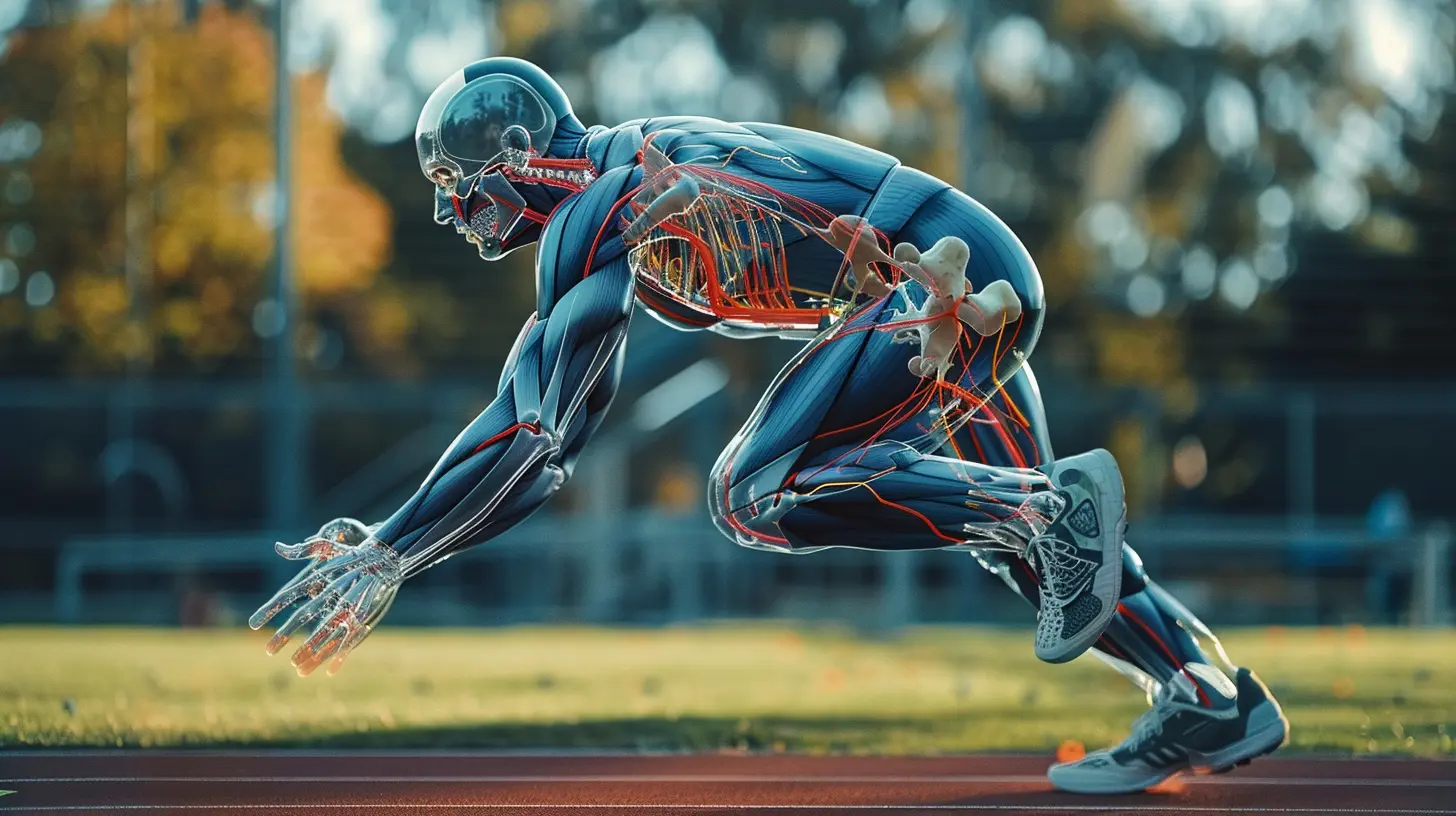
Alright, let’s break this down. Proprioception is essentially body awareness. It’s your ability to sense where your limbs are and how they’re moving without looking. Think about it—you don’t have to stare at your feet to know where they are when you’re walking, right? That’s proprioception at work.This amazing ability is thanks to specialized sensory receptors in your muscles, tendons, and joints. These little guys send signals to your brain, keeping you balanced and coordinated without you even thinking about it.
The Science Behind Proprioception
The magic happens through a complex network of sensors called proprioceptors. These are found throughout your body and work with your nervous system to constantly relay information about movement, position, and force. Here’s how it goes down:- Muscle Spindles – Detect changes in muscle length and movement.
- Golgi Tendon Organs – Sense tension in tendons to prevent injuries.
- Joint Receptors – Help with joint positioning and stability.
All of these work together to help you move with precision. Without proprioception, even something as simple as throwing a football or standing on one leg would be a struggle.

Why Proprioception Is Critical for Athletes
If you think proprioception is just for gymnasts or dancers, think again. Every athlete—football players, runners, weightlifters, martial artists—relies on proprioception to perform at their best. Let’s break down exactly why it’s so important.1. Balance and Stability
Ever watch a surfer ride massive waves like it’s no big deal? Or a gymnast stick a landing after flipping through the air? That’s proprioception flexing its muscles.Good proprioception means better balance and stability. And in sports, balance is everything. Whether you’re making a quick pivot on the court or holding a yoga pose, proprioception keeps you from toppling over.
2. Coordination and Precision
Think about a quarterback throwing the perfect spiral or a baseball player making a split-second swing. That level of precision isn’t just muscle memory—it’s proprioception fine-tuning every movement.Without it, even the most skilled athletes would be a hot mess of uncoordinated movements. Training proprioception refines your motor skills, making each movement smoother, more controlled, and more efficient.
3. Reaction Time and Agility
Sports are fast-paced. One second too slow, and you could lose the game. Proprioception sharpens reaction time, helping you make quick adjustments without overthinking.A soccer player dodging defenders, a boxer slipping punches, a tennis player returning a serve—it all comes down to how well their brains and bodies communicate in real time.
4. Injury Prevention
Here’s a big one—proprioception helps prevent injuries. Ever rolled your ankle stepping off a curb? Weak proprioception makes that way more likely.Athletes with strong proprioceptive awareness are less prone to sprains, strains, and ACL tears because their bodies instinctively react to instability before the damage is done. Basically, your body corrects itself before disaster strikes.
How to Improve Proprioception for Athletic Performance
Now that we know how crucial proprioception is, the next question is—how do you train it? Luckily, you don’t need fancy equipment or hours in the gym. A few simple drills can make a huge difference.1. Balance Training
Want to fire up your proprioceptors? Challenge your balance. Here are a few ways to do it:- Single-leg stands – Stand on one foot for 30 seconds. Close your eyes to make it harder.
- Bosu ball exercises – Squats, lunges, or even just standing on a Bosu ball forces your body to stabilize constantly.
- Yoga and Pilates – These are gold for enhancing body awareness, balance, and control.
2. Plyometric Drills
Explosive movements like jumping and landing train your body to react efficiently. Try:- Box jumps – Teaches coordination and controlled landings.
- Lateral hops – Helps with agility and rapid directional changes.
- Depth jumps – Improves reaction time and landing mechanics.
3. Eyes-Closed Training
Removing visual input forces your body to rely solely on proprioception. Give these a shot:- Blindfolded squats or lunges – A great way to challenge motor control.
- Balance exercises with closed eyes – Turns up the difficulty and enhances sensory feedback.
4. Unstable Surface Training
Working out on unstable surfaces makes your stabilizing muscles work overtime.- Wobble boards – Great for ankle stability (a must for runners and ballers).
- Balance foam pads – Perfect for squats, lunges, and single-leg movements.
- Swiss ball workouts – Adds an extra stability challenge to core and upper body exercises.
5. Proprioceptive Neuromuscular Facilitation (PNF) Stretching
This fancy-sounding technique involves contracting and relaxing muscles while stretching, which boosts flexibility and muscle awareness. Athletes swear by it for injury prevention and recovery.
Proprioception vs. Kinesthetic Awareness: What’s the Difference?
You might hear the terms proprioception and kinesthetic awareness used interchangeably—but they aren’t the same thing.- Proprioception – Your body's ability to sense its position and movement without looking.
- Kinesthetic Awareness – Your ability to control movement based on proprioceptive feedback.
Think of it like this: proprioception is your body's internal GPS, while kinesthetic awareness is how well you use that GPS to navigate movement. Athletes with great kinesthetic awareness can make adjustments on the fly, adapting to unexpected changes in their environment.
Final Thoughts
If you want to move like an elite athlete, proprioception isn’t something you can ignore. It’s the foundation of balance, coordination, agility, and injury prevention.The best part? You don’t need to be a pro to train it. Whether you're hitting the gym, practicing yoga, or just doing some single-leg drills at home, improving proprioception will make you more efficient, controlled, and injury-resistant.
So, get to work—your body’s secret weapon is waiting to be unleashed!
all images in this post were generated using AI tools
Category:
Sports ScienceAuthor:

Nelson Bryant
Discussion
rate this article
2 comments
Fenris Mason
Fascinating topic! I wonder how improving proprioception can enhance an athlete's overall performance.
February 5, 2026 at 1:24 PM
Nelson Bryant
Thank you! Improving proprioception sharpens body awareness, leading to better balance, coordination, and agility, ultimately enhancing athletic performance.
Phoenix Franco
Great article! Understanding proprioception is crucial for athletes. It highlights how body awareness enhances performance, reduces injury risk, and improves overall skill execution. Essential reading for anyone serious about sports!
January 20, 2026 at 1:17 PM
Nelson Bryant
Thank you for your kind words! I'm glad you found the article insightful. Proprioception truly is vital for athletes in maximizing performance and minimizing injuries.