Can Streaming Beat Traditional TV for Live Sports? A Deep Dive
5 June 2026
The way we watch sports is changing fast — like, really fast. Remember when flipping channels and catching a game on cable was the norm? Now, fans have a new MVP in the game: streaming. So here's the big question that everyone's asking — Can streaming beat traditional TV for live sports? Let's break it down and see who comes out on top in this heavyweight showdown.
The Old Guard: Traditional TV's Role in Live Sports
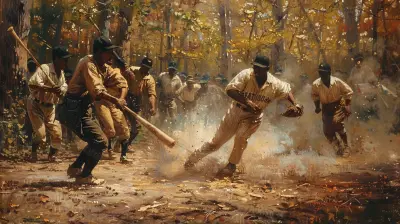
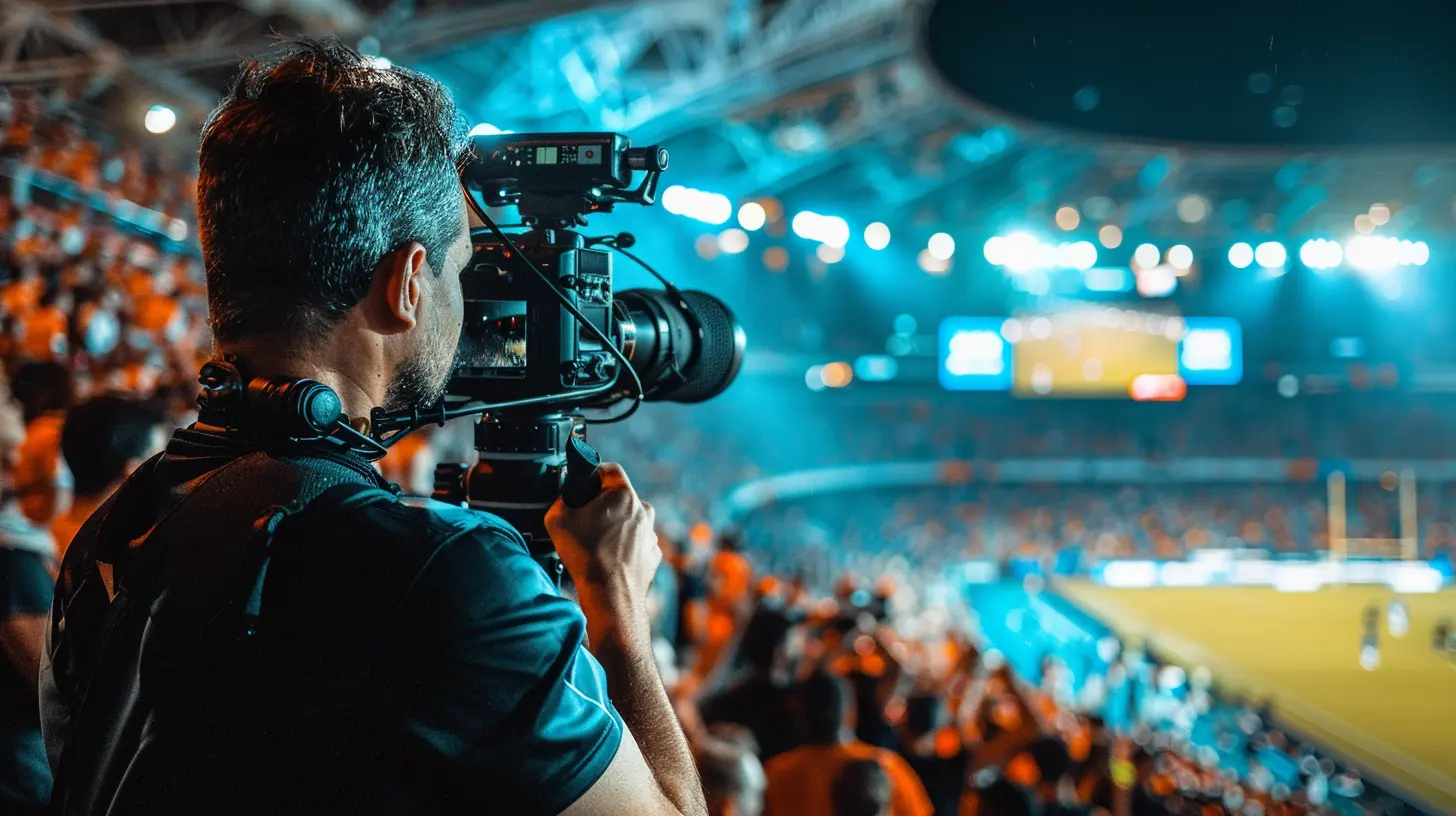
Let’s give credit where it’s due. Traditional TV played quarterback for decades when it came to broadcasting live sports. It was the place to catch your favorite team. NFL Sundays? Locked in on ESPN, FOX, NBC. The Super Bowl? Prime time, baby. NBA Finals? You knew exactly where to go.These major networks had the rights, the budgets, and the eyeballs. They had polished commentators, slick production, and instant replays down to a science. You’d gather around the TV with snacks, family, and friends — it was an experience.
But let’s be honest. Things have started to shift, especially with younger viewers cutting the cord and reaching for their phones instead of remotes.

The Rising Star: Streaming Steps Into the Arena
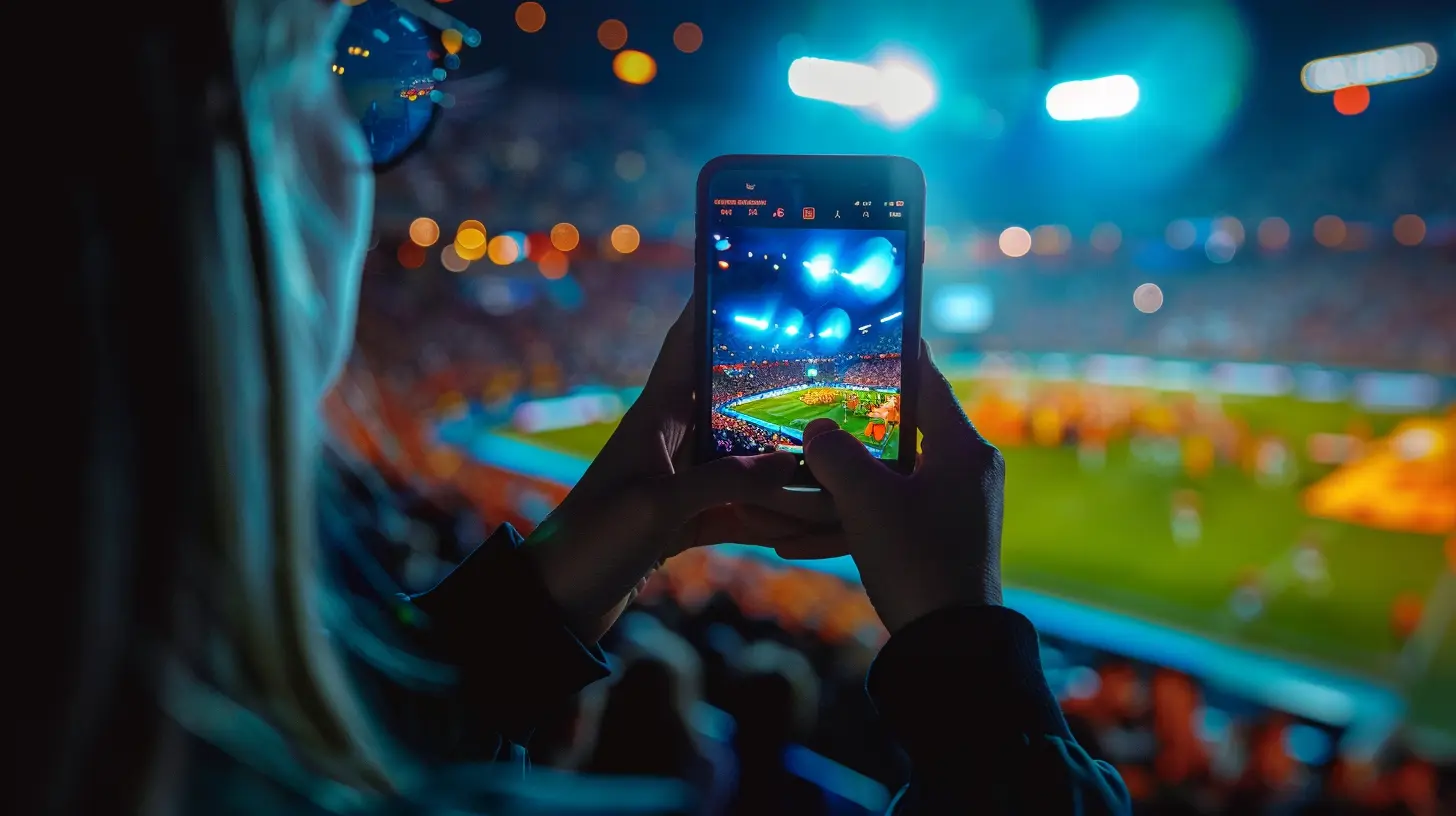
Streaming isn’t just knocking on the door anymore — it's bulldozing through it. Platforms like ESPN+, Amazon Prime Video, DAZN, Apple TV+, Peacock, and even YouTube TV are changing the rules of the game.Why? Because they offer flexibility. You’re no longer chained to your couch. You can watch the game on the go, on demand, and on whatever screen fits in your hand. Want to pause the game to grab a snack? Go ahead. Want to rewind that insane goal? Do it. It's your game, your rules.
And here's the kicker: streaming platforms are starting to win exclusive rights. Thursday Night Football on Amazon Prime? That's happening. MLB games on Apple TV+? Yup. This shift in broadcasting rights is a clear sign — streaming isn't just the future, it’s becoming the present.
Head-to-Head Comparison: Streaming vs Traditional TV
Here’s a side-by-side breakdown of how these two stack up:| Feature | Traditional TV | Streaming Platforms |
|--------|----------------|---------------------|
| Availability | Limited to networks & regional coverage | Watch anytime, anywhere with internet |
| Flexibility | Fixed schedule, no rewind/pause | Watch live, pause, rewind |
| Cost | Cable bundles, often pricey | Subscriptions, can be cheaper or add up |
| Personalization | One-size-fits-all | Algorithms offer tailored suggestions |
| Ad Experience | More frequent ads | Fewer ads, sometimes skippable |
| Tech Features | Limited | Multiple camera angles, real-time stats, multi-view |
In almost every category (except maybe latency), streaming is edging ahead.
Latency: The One Thing Traditional Still Wins (For Now)
Here’s something that still bugs many fans — lag time. With cable or satellite TV, the live feed is nearly instant. Streaming, on the other hand, has a bit of a delay. That means if your buddy across town is watching on cable, they might text you “GOAL!” before you even see the shot on your stream.In high-stakes moments? That delay can be a buzzkill.
But don’t worry — technology is catching up. Low-latency streaming is already being tested and rolled out. It won’t be long before this becomes a non-issue too.
Rights and Regulations: Follow the Money
Let’s not forget that sports broadcasting is a huge business. TV networks have had long-term contracts with major leagues like the NFL, NBA, and MLB. These deals are worth billions — yes, billions with a "B."But streaming giants have deep pockets too. Amazon dropped a whopping $1 billion per year for exclusive rights to Thursday Night Football. Apple and YouTube are throwing down big cash for MLS and NFL Sunday Ticket. This is no longer a side hustle for them — it's full-on primetime.
The scales are tipping. As more leagues realize they can reach global audiences (and rake in serious money) through streaming, expect more exclusive rights to shift online.
User Experience: Who Nails It?
Let’s talk UX — that’s the fancy way of saying, “Is this easy and fun to use?”Traditional broadcast TV is simple: turn it on, pick a channel, done. But it’s not interactive. You can’t customize your view. You can’t watch multiple games on one screen. You can’t ask Alexa to rewind the last play.
Streaming platforms? Way more interactive. Want to watch 3 games at once? Boom — picture-in-picture. Want real-time stats, player bios, or chat with fans? You got it. It’s like sitting in the command center of your own personal sports HQ.
A New Generation of Fans
Let’s be real — Gen Z and younger millennials don’t even understand the concept of “tuning in at 8 PM on Channel 7.” They live on Twitch, TikTok, YouTube. Their attention span is shorter, their expectations are higher, and they crave instant gratification.Streaming’s ability to deliver on-demand, interactive content fits perfectly with how younger fans consume media. Traditional TV just can't keep up with that pace or style.
The Social Element: Are We Losing the “Together” Experience?
One thing traditional TV nailed? Watch parties. Game nights. Everyone in one room, yelling at the screen. Streaming is more personal, often watched solo on phones or laptops.But! Social platforms are bringing that sense of community back. Twitter reacts in real time. YouTube has live chat. Twitch has co-watching. Heck, some streaming apps are building their own “watch party” features.
So while the format changes, the love of the game stays the same — just digital.
Streaming Still Has Some Hurdles
Let’s not pretend it’s all sunshine and touchdowns. Streaming has its issues.- Internet Dependency: No Wi-Fi? No game.
- Subscription Overload: You want NFL, NBA, MLB, F1, and soccer? You might need 5+ subscriptions.
- Blackout Restrictions: Some games still get blacked out due to regional rights.
- Device Compatibility: Not all streams play nicely across devices.
Still, none of these feel unsolvable. As tech improves and platforms find smarter ways to bundle and license content, these speed bumps will smooth out.
Could There Be a Hybrid Future?
Maybe the real winner here isn't one or the other. A hybrid model — where live sports air on both TV and streaming — might hit the sweet spot. Some leagues already do that. They air marquee matchups on cable and offer the rest via streaming apps.That way, old-school fans still get to keep their game day traditions, while newcomers can stream on the go.
The Verdict: Is Streaming Beating Traditional TV?
So, can streaming beat traditional TV for live sports? The short answer: Yes. And it’s happening already.Traditional TV is fading like an aging superstar in the final minutes of the game. Still capable, but not dominant like before. Streaming is the flashy rookie — fast, flexible, tech-savvy, and hungry to take the crown.
The writing’s on the wall. As technology evolves, leagues adapt, and younger fans demand more choice and convenience, streaming is shaping up to be the new MVP of live sports broadcasting.
That said — just like in sports — there's room for more than one star on the team. But make no mistake: streaming is leading the charge.
all images in this post were generated using AI tools
Category:
Live StreamingAuthor:

Nelson Bryant
Discussion
rate this article
1 comments
Evelyn Mathews
Streaming offers flexibility traditional TV can't match.
June 14, 2026 at 4:20 AM
Nelson Bryant
Absolutely, that flexibility is a major draw for many viewers today. Streaming truly caters to individual preferences and schedules.