From Basics to Advanced: A Roadmap for Skateboarding Progression
30 April 2026
Skateboarding is more than just a sport—it’s a way of life. Whether you’re drawn to the adrenaline rush of landing your first trick or the freedom of cruising down the street on a sunny afternoon, learning to skateboard can be one of the most rewarding journeys you embark on. But, like any skill, skateboarding requires time, practice, and progression.
In this article, we’ll break down the roadmap for skateboarding progression, from the basics to the advanced tricks that’ll have you shredding with confidence. Whether you're a beginner just stepping on a board for the first time or an experienced skater looking to refine your skills, there’s something here for everyone.
So, grab your board, lace up your shoes, and let’s dive in!
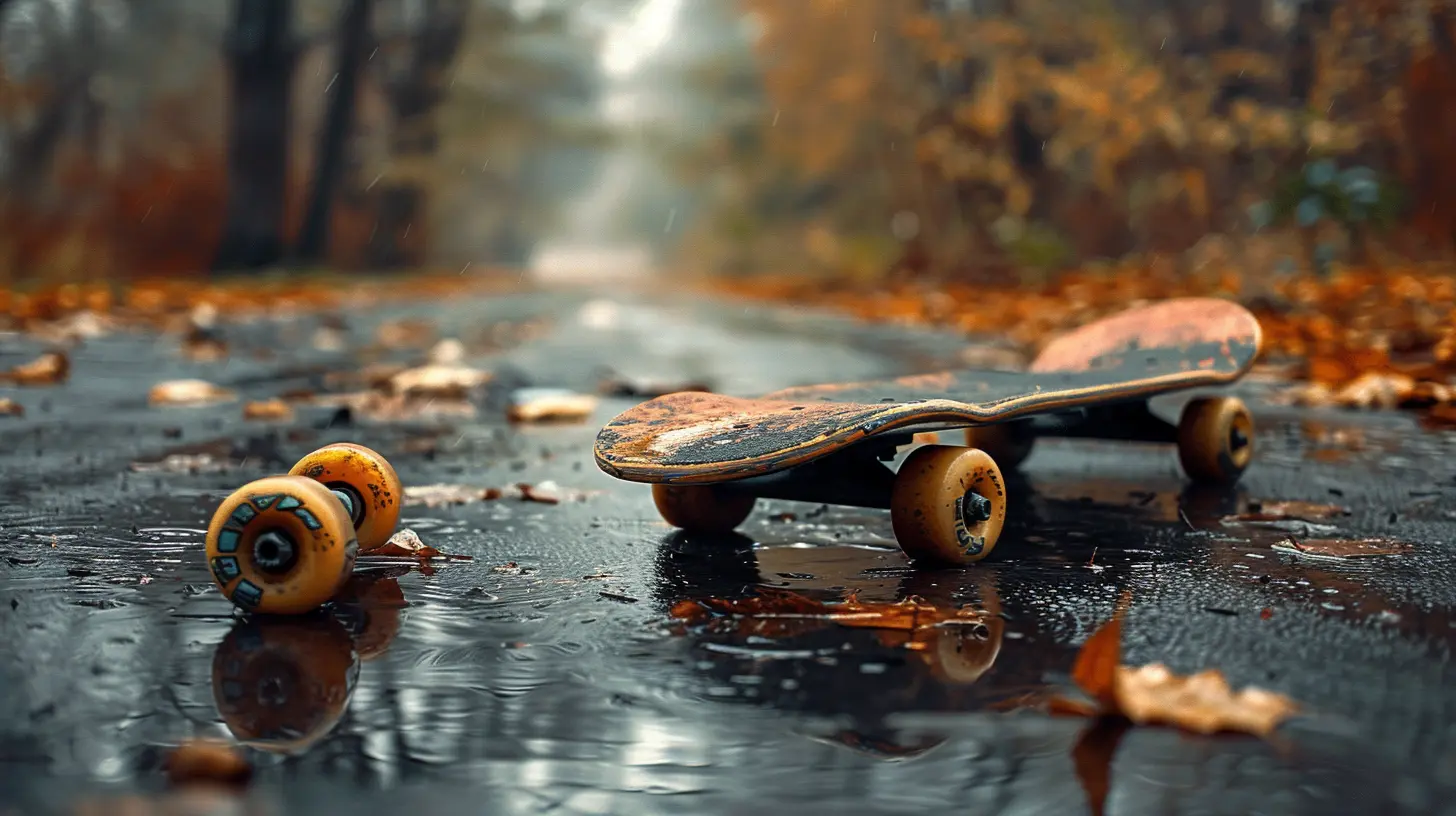
The Basics: Setting the Foundation
Before you can start pulling off ollies, kickflips, or grinds, you need to master the essentials. It’s like building a house—you’ve got to have a solid foundation before you can add the fancy stuff.1. Understanding Your Gear
If you're new to skateboarding, the first thing you need to do is get familiar with the equipment. After all, your skateboard is your partner in crime, and you’ve got to know it inside out.- Deck: This is the flat board you stand on. Decks come in different shapes and sizes, so choose one that feels comfortable under your feet.
- Trucks: These are the metal parts that attach the wheels to the board. They allow you to turn and grind.
- Wheels: Skate wheels vary in size and hardness. Softer wheels are better for cruising, while harder wheels are ideal for tricks.
- Grip Tape: This is the rough surface on the top of the deck that gives your feet grip. It’s what keeps you glued to the board when performing tricks.
2. Finding Your Stance
Next up is finding your stance—this is how you stand on the board. There are two main stances:- Regular: With your left foot forward.
- Goofy: With your right foot forward.
Not sure which one you are? Try standing on a skateboard and see which foot naturally feels more comfortable in front. It’s kind of like being left or right-handed—everyone’s got a preference.
3. Balancing on the Board
Now that you’ve got your stance down, it’s time to practice balancing. Stand on the board with your feet over the bolts (the screws that attach the trucks to the deck) and bend your knees slightly for stability.Feel a little wobbly? That’s normal. Balance is the first thing you need to get comfortable with before you can move on to anything else. Try standing still on the board at first, and once you’re confident, start shifting your weight from your toes to your heels.
4. Learning to Push
Once you’ve got your balance, it’s time to start moving. This is where pushing comes into play. Pushing is how you propel yourself forward, and it’s one of the most essential skills in skateboarding.- Front Foot: Place your front foot over the bolts.
- Back Foot: Use your back foot to push off the ground, giving you momentum.
- Cruise: Once you’re rolling, place your back foot on the board, and ride.
Don’t be afraid to take it slow at first. It’s like learning to walk before you run. Keep pushing and cruising until you feel comfortable riding smoothly.
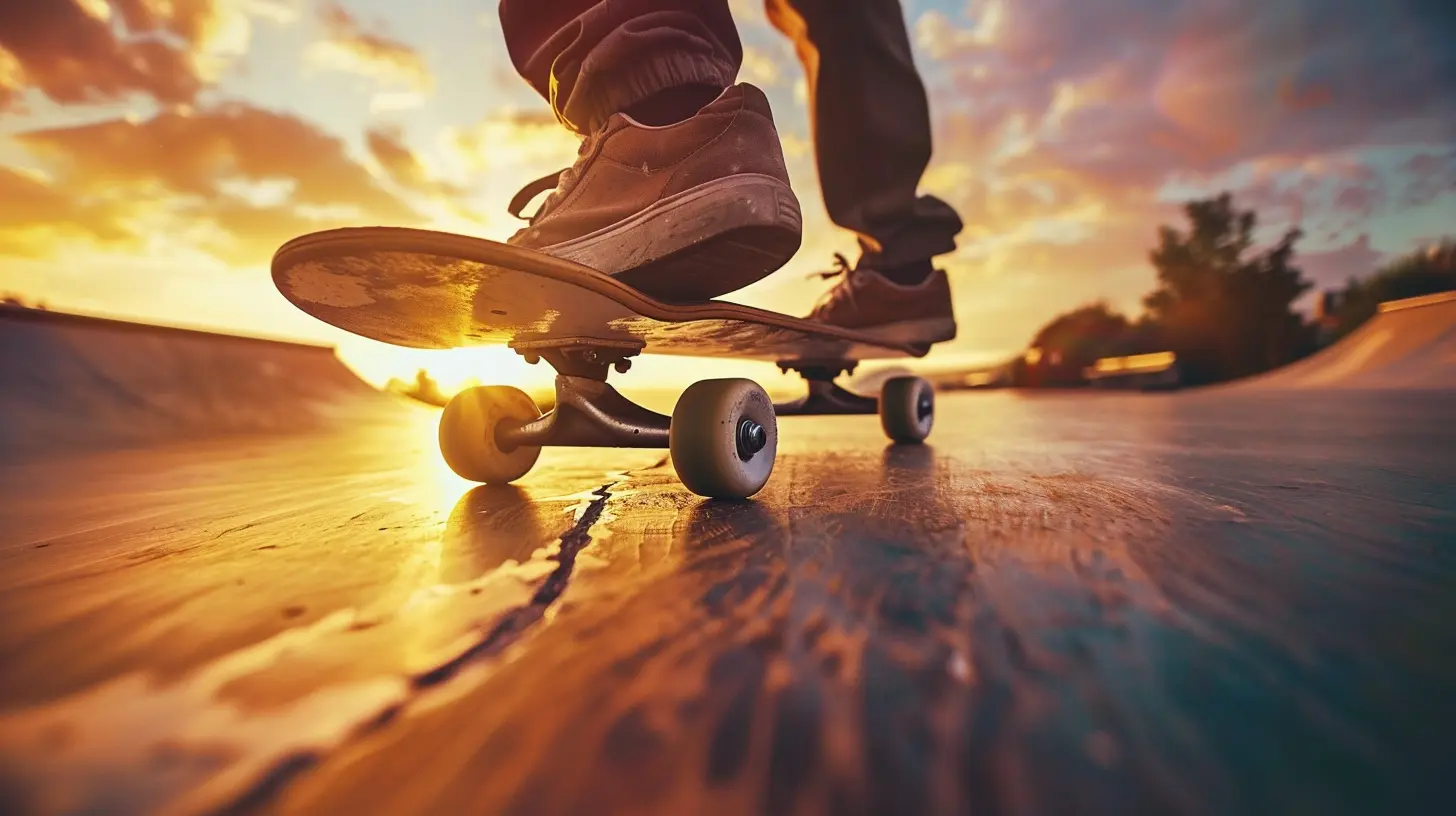
Intermediate Skills: Mastering the Fundamentals
Alright, you’ve got the basics down. Now, it’s time to level up! The intermediate stage is where you start adding some flavor to your skating. This is where the fun really begins.1. Turning and Carving
Turning is crucial for getting around smoothly on a skateboard. At this stage, you’ll learn to lean into turns and carve—just like surfers do on waves.- Lean: To turn, lean your body in the direction you want to go. For a left turn, lean to your left; for a right turn, lean to your right.
- Carving: Carving is a series of smooth, flowing turns. It’s all about rhythm and balance. Think of it as zigzagging down a hill. Keep your knees bent and your weight centered over the board.
2. Learning to Ollie
The ollie is the most fundamental trick in skateboarding, and it’s the gateway to more advanced tricks. It’s basically a jump where the skateboard sticks to your feet.- Foot Position: Place your back foot on the tail of the board and your front foot near the middle.
- Pop: Press down hard with your back foot to “pop” the tail of the board off the ground.
- Slide: As you pop, slide your front foot up toward the nose of the board. This levels out the board in the air.
- Land: Land with both feet over the bolts to avoid snapping your board.
The ollie takes time and practice, so don’t get discouraged if you don’t land it right away. It’s like learning how to ride a bike—the more you practice, the easier it becomes.
3. Riding Fakie and Switch
As you get more comfortable on your board, it’s a good idea to start practicing riding in different stances. This means riding fakie (rolling backward) and switch (riding with your non-dominant foot forward).- Fakie: This is simply riding backward in your regular stance. It’s like walking backward—it feels awkward at first, but it’s a useful skill to have.
- Switch: This is riding with the opposite foot forward. If you’re regular, you’ll ride goofy, and vice versa. It’s like learning to write with your non-dominant hand.
These skills will open the door to more advanced tricks, so it’s worth spending time practicing them.
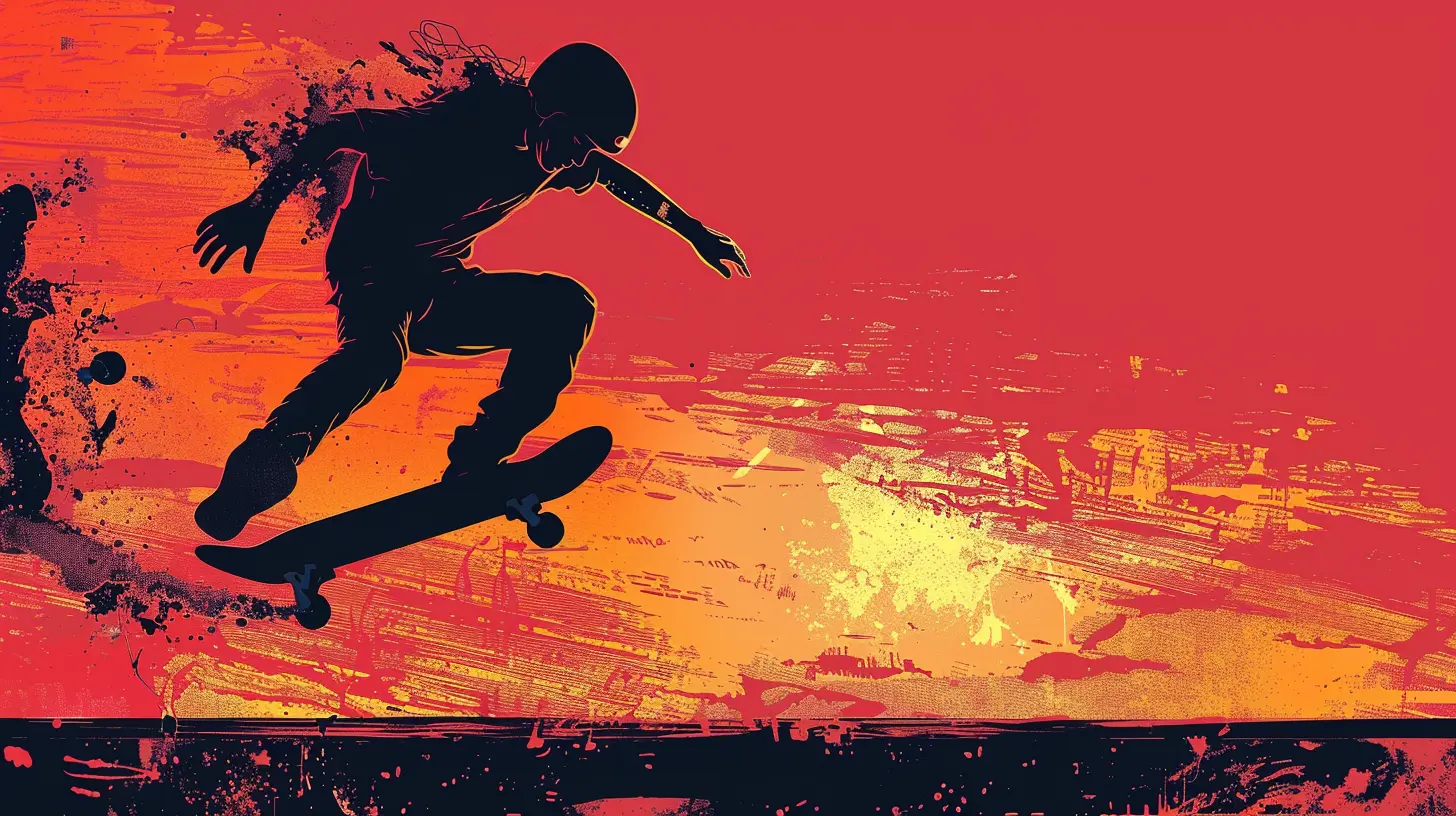
Advanced Tricks: Taking Your Skills to the Next Level
Once you’ve got the fundamentals down, it’s time to dive into the advanced stuff. This is where you’ll start to feel like a true skater.1. Kickflips
The kickflip is one of the most iconic skateboarding tricks, and it’s a natural progression from the ollie. Essentially, you’re flipping the board 360 degrees under your feet.- Foot Position: Set up like you’re doing an ollie, but angle your front foot slightly off the edge of the board.
- Pop and Flick: Pop the board like an ollie, but as you slide your front foot up, flick it off the edge of the board. This will cause the board to flip.
- Catch and Land: Once the board has flipped, catch it with your feet and land over the bolts.
The kickflip is a tricky one, but once you land it, you'll feel like you just unlocked a whole new level of skateboarding.
2. 50-50 Grinds
Now that you can ollie and kickflip, it’s time to hit some obstacles. The 50-50 grind is one of the most basic grinds, and it’s a great place to start.- Approach: Roll up to a ledge or rail and ollie onto it.
- Grind: Both of your trucks should be grinding along the obstacle. Keep your weight centered to maintain balance.
- Dismount: To get off, simply ollie out of the grind and land back on the ground.
Grinds can be a little intimidating at first, but once you get the hang of them, they’re incredibly satisfying.
3. Learning to Manual
The manual is basically a wheelie on a skateboard. It’s all about balance and control. Think of it as your board’s version of tiptoeing.- Front Foot: Place your front foot near the front bolts.
- Back Foot: Place your back foot near the tail.
- Balance: Lift the front wheels off the ground and balance on the back wheels as you roll.
Manuals are deceptively challenging because they require a lot of balance. Practice makes perfect, though, and they’re a great way to improve your overall board control.
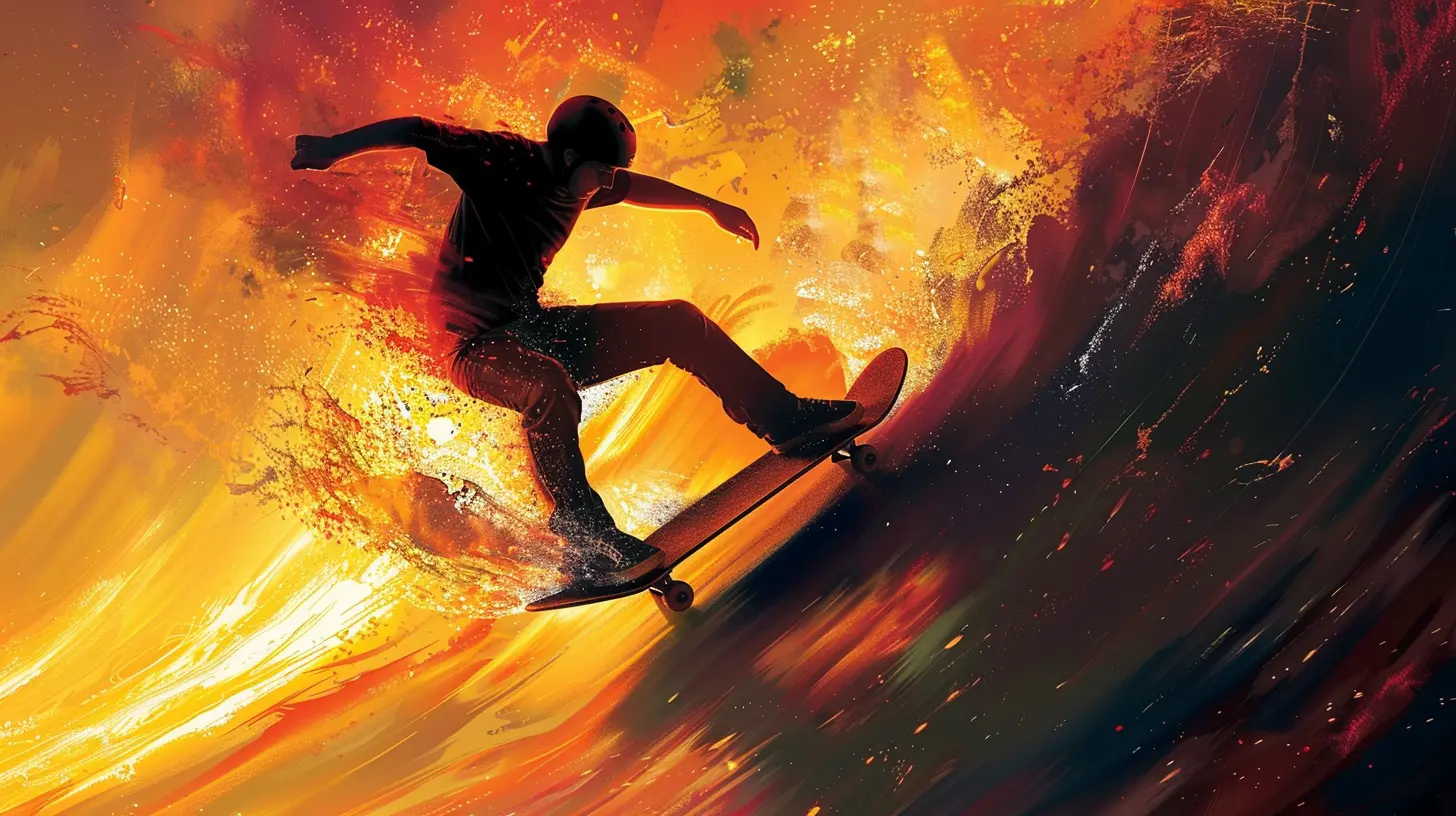
Tips for Progressing Faster
Skateboarding progression is all about consistent practice. Here are a few tips to help you level up faster:- Skate Regularly: Try to skateboard every day, even if it’s just for a few minutes. The more time you spend on your board, the faster you’ll improve.
- Watch Other Skaters: Whether it’s at the park or online, watching other skaters can inspire you and give you ideas for new tricks to try.
- Stay Patient: Progress doesn’t happen overnight. Don’t get discouraged if you don’t land a trick right away. Keep practicing, and you’ll get there.
- Have Fun: At the end of the day, skateboarding is about having fun. Don’t take it too seriously, and enjoy the process of learning and progressing.
Conclusion: Keep Pushing Forward
Skateboarding is a journey, and like any journey, it’s full of ups and downs. There will be days when you feel like you’re unstoppable, and days when you can’t land a single trick. But that’s all part of the process. The key is to keep pushing forward, both literally and figuratively.From mastering the basics to landing advanced tricks, skateboarding progression is all about dedication and passion. So, grab your board, hit the pavement, and keep shredding!
all images in this post were generated using AI tools
Category:
SkateboardingAuthor:
Nelson Bryant
Discussion
rate this article
2 comments
Melina Hamilton
Skateboarding is a dance on wheels, where each trick tells a story. Embrace the journey, find your rhythm, and soar.
August 29, 2026 at 12:13 PM
Bennett McHugh
What a fantastic guide! I love how it breaks down the journey from learning the basics to mastering advanced tricks. Skateboarding is all about passion and progression, and this roadmap makes it feel achievable and exciting. Can't wait to hit the park and start working on those new skills!
May 11, 2026 at 3:40 AM
Nelson Bryant
Thanks for the awesome feedback! I'm glad the guide resonated with you. Enjoy your time at the park and have fun mastering those new skills!