Biggest Missed Trades That Still Haunt Front Offices
17 November 2026
In the world of professional sports, trades can reshape franchises, influence championships, and alter the course of history. While some trades are celebrated, others become haunting reminders of what could have been. This article delves into the biggest missed trades that still linger in the minds of front office executives, fans, and analysts alike. By examining these cases, we can glean insights into the complexities of trade decisions and the long-term ramifications they can have.
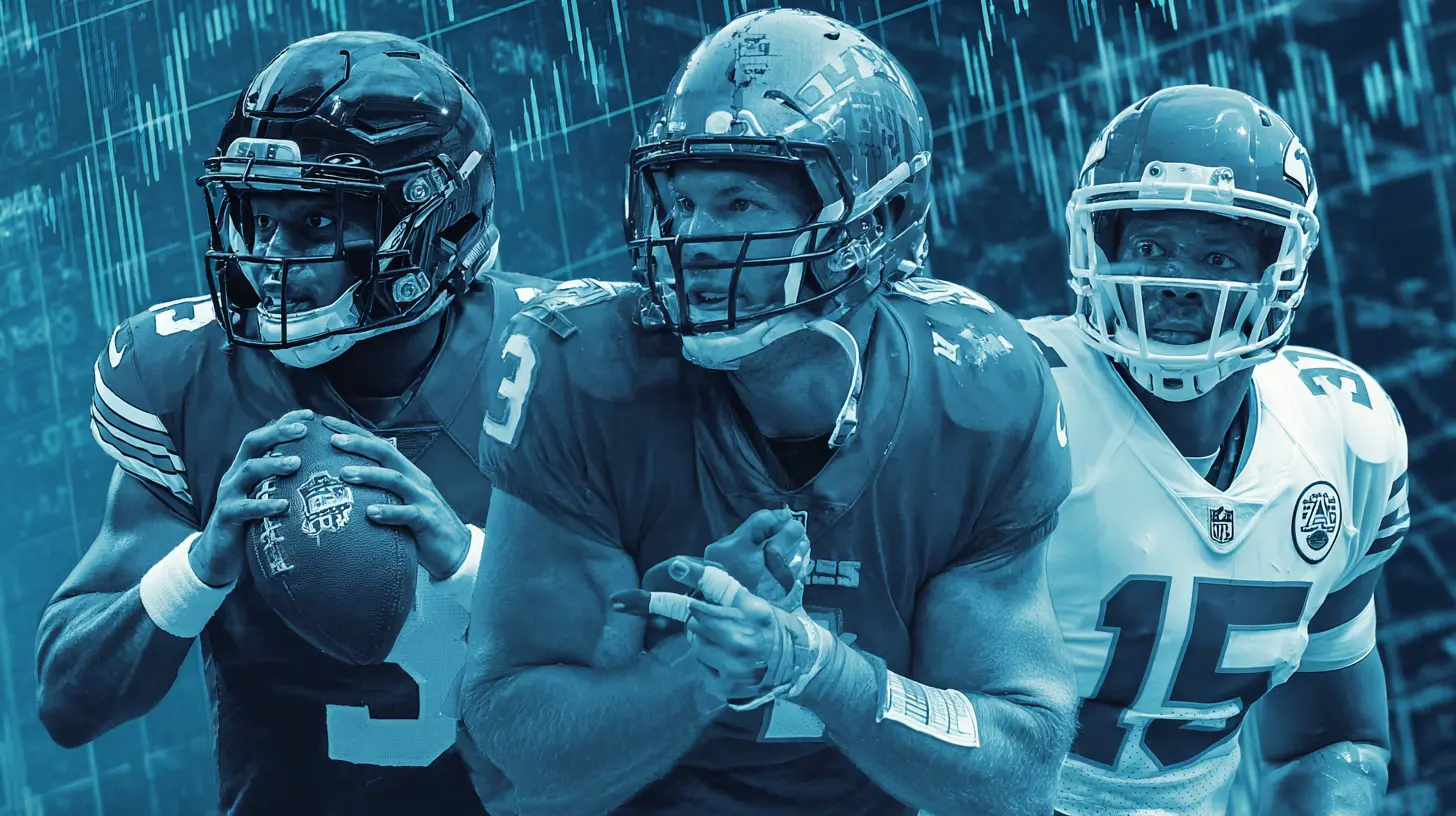
The Nature of Trades in Sports
Understanding the Trade Process
Trades are a critical aspect of team-building in sports, allowing franchises to acquire talent, shed contracts, or shake up rosters. The trade process typically involves negotiations between teams, where various factors come into play, including player performance, potential, salary cap implications, and team needs.Factors Influencing Trade Decisions
1. Player Performance: Teams often assess current statistics, injury history, and player potential before making a trade.2. Salary Cap: Financial considerations are paramount, as teams must adhere to salary cap restrictions.
3. Team Needs: A team's immediate needs or long-term strategy can heavily influence trade negotiations.
4. Market Conditions: The market can shift rapidly, impacting what players are available and what teams are willing to pay.
Understanding these factors can help teams navigate the complexities of trades and avoid costly miscalculations.
Notable Missed Trades in Sports History
NBA: The Potential of the 2007 Kevin Garnett Trade
One of the most consequential missed trades in NBA history revolves around Kevin Garnett in 2007. The Boston Celtics acquired Garnett from the Minnesota Timberwolves, which led to an immediate transformation. Boston won the championship in 2008, but several teams, including the Los Angeles Lakers, were rumored to be in discussions for Garnett.Analysis of the Missed Opportunity
The Lakers had a chance to acquire Garnett but hesitated, opting instead to pursue other targets. This decision ultimately cost them a potential dynasty, as they later faced the Celtics in the Finals. The franchise's reluctance to act decisively serves as a cautionary tale about the dangers of indecision in trade negotiations.NFL: The 1989 Herschel Walker Trade
The 1989 trade that sent Herschel Walker from the Dallas Cowboys to the Minnesota Vikings is often cited as one of the most lopsided trades in NFL history. The Cowboys received a treasure trove of draft picks that allowed them to build a dynasty in the early 1990s.Consequences of the Trade
The Vikings, on the other hand, expected Walker to be the missing piece for a Super Bowl run. Instead, the trade crippled their franchise for years. The lesson here is clear: teams must weigh the immediate benefits against long-term ramifications when making significant trades.MLB: The 1990 Trade That Could Have Changed Everything
In 1990, the New York Yankees had the opportunity to acquire future Hall of Famer Frank Thomas from the Chicago White Sox. Instead, they opted to keep their prospects, a decision that continues to haunt the franchise.Evaluating the Decision
Thomas went on to become one of the most dominant hitters in baseball history. The Yankees' decision to hold onto their prospects rather than make a bold move cost them a chance at a generational talent. This case highlights the importance of recognizing and seizing opportunities, especially when they involve high-impact players.
Common Mistakes in Trade Decisions
Overvaluing Prospects
One of the most common pitfalls in trade negotiations is overvaluing prospects. Teams often cling to young players with potential, believing they will develop into stars. However, this can lead to missed opportunities for established talent.Real-World Example
The Chicago Cubs famously held onto several prospects during their rebuilding phase, only to watch some of them fail to live up to expectations. In contrast, teams like the Houston Astros capitalized on trades that brought in proven players, accelerating their path to contention.Underestimating the Value of Chemistry
Another mistake is underestimating the importance of team chemistry. While acquiring a superstar can seem like a surefire way to improve a roster, the dynamics of the team must also be considered.Case Study: The 2017 Cavaliers
When the Cleveland Cavaliers traded for Kyrie Irving, they thought they were adding a dynamic scorer. However, the trade disrupted the existing chemistry, leading to internal conflicts that ultimately affected their championship aspirations.Ignoring Salary Cap Implications
Financial considerations are often overlooked in trade discussions. Teams must be acutely aware of how a trade will impact their salary cap situation, especially in leagues with strict financial regulations.Example of Neglecting Cap Space
The Los Angeles Rams faced significant challenges after trading for quarterback Matthew Stafford. While the trade initially appeared beneficial, the long-term salary cap implications led to roster difficulties down the line. This case illustrates the importance of considering financial ramifications before making a trade.
The Importance of Timing
Striking While the Iron is Hot
Timing can be everything in sports trades. Teams that act quickly can capitalize on market conditions, while those that hesitate may miss out on opportunities.Historical Context
In 2018, the Philadelphia Eagles had the chance to trade for wide receiver Antonio Brown. However, they hesitated and ultimately lost out on a player who could have significantly impacted their offense. The lesson here is that being proactive can yield substantial rewards.Recognizing When to Sell High
Sometimes, the best trade is the one that involves moving a player at their peak value. Teams must recognize when to sell high and capitalize on a player's current performance.Example: The New Orleans Pelicans
The Pelicans traded DeMarcus Cousins when his value was at its peak, acquiring valuable assets in return. This decision allowed them to rebuild effectively and avoid the pitfalls of holding onto a player who may not have long-term viability.The Role of Analytics in Trade Decisions
Embracing Data-Driven Decision-Making
In modern sports, analytics play a crucial role in trade discussions. Teams that leverage data can make more informed decisions, minimizing the risk of costly mistakes.Case Study: The Oakland Athletics
The Oakland Athletics famously used analytics to build competitive teams on a budget. Their approach to trades emphasized data-driven evaluations, allowing them to identify undervalued players and maximize their assets.Balancing Analytics with Intuition
While data is invaluable, it should not replace intuition and experience. Teams must strike a balance between analytical insights and the human element of player evaluation.Real-World Application
The San Francisco Giants often blend analytics with traditional scouting methods. This dual approach has helped them make successful trades that align with both data-driven insights and the subjective evaluations of their scouts.
Conclusion
The world of sports trades is fraught with challenges and opportunities. The biggest missed trades serve as cautionary tales for front offices, highlighting the importance of timely decisions, financial considerations, and the balance between analytics and intuition. As teams continue to navigate the complexities of trade negotiations, understanding the lessons from past mistakes can guide them toward more successful outcomes.In the end, every trade has the potential to shape the future of a franchise. By learning from those that went awry, teams can make more informed decisions that lead to success on and off the field.
all images in this post were generated using AI tools
Category:
Big TradesAuthor:

Nelson Bryant
Discussion
rate this article
1 comments
Mae Hines
Looks like some front offices need a GPS just to find the right trade direction... oops!
November 17, 2026 at 4:54 AM