Beyond the Game: How Fans Build Communities Around Sports
10 July 2026
There's something magical about sports that goes far beyond the final scores. Whether it's the roar of a packed stadium, the shared heartbreak of a missed opportunity, or the euphoric high after a win—sports connect people. But here's the real deal: it's not just about the games. It's about the people who watch them. Fans don’t just sit in front of their TVs or crowd into arenas—they build thriving, passionate communities that often feel like family.
Let’s dive into how fans take sports to a whole new level by building these incredible communities—and why it matters more than you might think.
The Emotional Glue That Holds Us Together
Ever hugged a stranger after your team scored a last-second goal? Or maybe you’ve cried with fellow fans after a gut-wrenching loss? That raw emotion creates powerful bonds. Sports aren’t just entertainment—they’re emotional experiences. And these emotions lay the foundation for community.Think about it: we all crave belonging. We want to be part of something bigger. And fandom provides that. It's like finding your tribe in the middle of chaos.
Shared Emotions Create Shared Identity
When fans celebrate victories or mourn defeats together, something magical happens. They begin to feel like one unit. This shared experience cultivates a sense of identity. People proudly wear jerseys, post team colors on their profiles, and organize watch parties—not just because they like the game, but because it connects them to others who feel the same way.It's no exaggeration to say that fans develop a second family over time. And who doesn’t want another group of people that just “gets” you?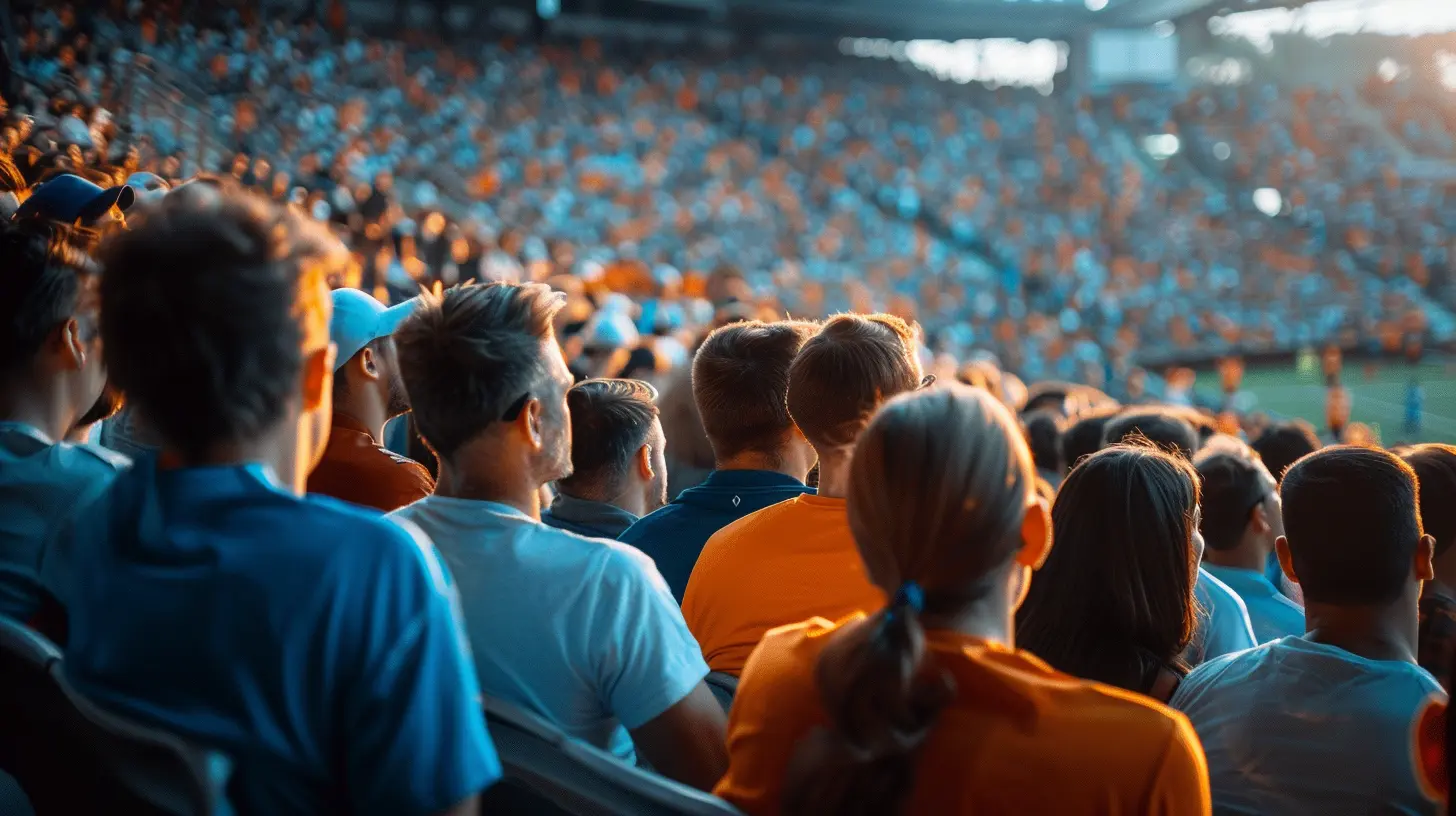
Social Media: The New Stadium
Let’s face it—social media has changed the game. You don’t have to be in the stands to be part of the fan experience anymore. Twitter threads during games, Facebook groups for superfans, YouTube commentary, and TikTok dances inspired by goal celebrations—fans are more connected than ever.Hashtags and Handles: Modern-Day Tailgates
Remember the thrill of tailgating before a big match? Now the digital world offers similar vibes—just with less barbecue and more memes. Want real-time banter? Jump into a Reddit thread. Want to laugh and cry with strangers at 2 a.m. after your team’s heartbreaking loss? There’s a tweet for that.Social media gives fans a place to talk, vent, cheer, and connect. And that connection is the lifeblood of any community.
Fan Clubs: More Than Just a Meeting
Fan clubs have been around for ages, but today’s versions go above and beyond. They're not just about cheering during the game—they’re volunteering, organizing charity events, even mentoring younger fans.Local Roots, Global Reach
Take any successful team, and you’ll probably find fan clubs scattered across the globe. What’s fascinating is how fans who've never even been to a game in person become die-hard followers. They watch every match, know every player's stats, and feel just as invested as someone who grew up next to the stadium.These communities often function like support groups. Whether it’s watching games together or fundraising for a shared cause, there’s a deep sense of purpose behind it all.
The Role of Rituals and Traditions
Every great community has its quirks, and sports fandom is no different. From pregame chants to lucky socks, these rituals are what make communities unique and tight-knit.Superstitions That Stick
Ever met someone who has to sit in the same chair for every game or wear a specific jersey “just in case”? Yeah, those little rituals might seem silly from the outside, but on the inside—they're sacred. They’re part of the fabric that ties fans together, even if they don’t realize it.These quirky habits become inside jokes, traditions passed down, and yes, even the occasional debate starter (“Who’s jinxing the team this week?!”).
Why Online Forums Never Go Out of Style
Back in the day, forums were where all the hardcore fans hung out. Think pre-Twitter, pre-TikTok—the old-school internet. And guess what? They’re still around, and they’re still buzzing.A Place for Deep Dives and Deep Bonds
While social media is great for real-time chatter, forums offer space for deeper discussions—breaking down strategies, analyzing past seasons, or sharing old memorabilia. It’s where newbie fans learn the history and old-school fans pass the torch.The beauty of these spaces is the respect and camaraderie that develops. Sure, there are debates (sometimes heated ones), but there's a shared understanding that everyone there lives and breathes the same passion.
Fandom as Self-Expression
Let’s not sugarcoat it—being a fan sometimes becomes your whole identity. And that’s not a bad thing. It’s like wearing your heart on your sleeve... except your sleeve probably has your team’s logo on it.Representing Your Team, Representing Yourself
From tattoos of club emblems to custom sneakers in team colors, fans go all out. It’s not about being flashy; it’s about self-expression. Being a fan says something about you—your loyalty, your roots, the values you cherish.And when two fans recognize each other out in the wild? Instant connection. No words needed, just a knowing nod and maybe a “Go team!”
The Power of Shared History
History isn’t just something teams have—it’s something fans create together. Remember that epic comeback match? The miracle goal? The season your team was the underdog and still made the finals? These moments become lore. Fans relive them, talk about them like they were yesterday, and pass them down like family recipes.Storytelling Builds Legacy
The community thrives on stories. Not just about what happened, but how it felt. Where you were when that goal was scored. What your friends said. How you screamed so loud your neighbor thought something was wrong.These narratives become glue. They remind everyone why they care. And more importantly, why they keep coming back.
Sports Culture and Inclusivity
While sports communities have historically been viewed through a certain lens—often male, often conservative—that picture’s changing fast. More women are stepping into highly active fan roles. LGBTQ+ fans are creating safe spaces and inclusive clubs. Diverse voices are being amplified, and it's beautiful to witness.Everyone’s Invited, Everyone Belongs
True community means there’s room for everyone. The loud ones, the quiet ones, the stats nerds, the emotional wrecks. When communities welcome all types of fans, they grow stronger, healthier, and way more fun.Sports empathy? Yup, it’s a thing—and it's contagious.
The Dark Side and How Communities Help
Let’s be real: sports heartbreak hurts. A bad season can mess with your mood. But that's where community steps in. Fans don’t just celebrate together—they heal together.Turning Losses Into Lessons
Ever been part of a fan group that rallied after a big loss? Made memes, shared cries, or looked ahead with hope? That’s community power. It cushions the fall and reminds you it's not the end—just part of the journey.The real MVP isn’t the player on the field—it’s the friend who checks on you after your team gets knocked out.
The Future of Fandom: What’s Next?
With NFTs, metaverse stadiums, and AI-driven analytics entering the sports world, the way fans interact with their teams is evolving fast. But the heart of it all—the community—remains the same.Connection is the Constant
Technology may change how we watch games or how we celebrate wins. But it won't change why we care. As long as there’s passion, there’ll be fans. And as long as there are fans, there’ll be community.The platforms might shift, but the emotions? Oh, they'll still hit just as hard.
Final Thoughts: It's Never Just a Game
When someone tells you, “It’s just a game,” smile politely—and disagree. Because we know better. It’s memories, friendships, traditions, and late nights. It's crying in a bar with people you've only just met. It’s belonging.It’s community.
So the next time you find yourself high-fiving a stranger or arguing over a ref’s call—take a step back and appreciate what’s really happening.
You’re not just watching a sport. You’re building something bigger.
You’re part of something truly special: a living, breathing, passionate community… beyond the game.
all images in this post were generated using AI tools
Category:
Fan CultureAuthor:

Nelson Bryant
Discussion
rate this article
1 comments
Sonya Ellison
Fans create bonds that extend beyond the game, forming vibrant communities. Their passion transforms sports into shared experiences, fostering connection and belonging in a often fragmented world.
July 13, 2026 at 12:06 PM
Nelson Bryant
You're absolutely right. Fans truly unite through their shared love for the game, creating lasting connections that enrich both their lives and the community.