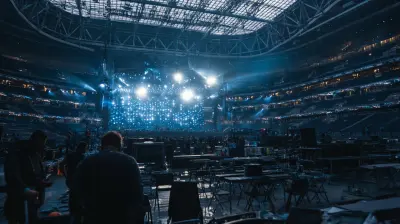
A Look Ahead: What Will the 2027 Championships Look Like?
23 October 2026
Championship events sit at the intersection of sport, business, and culture. They compress years of preparation into a few weeks, expose every weakness in an organization, and create memories that outlast the result. Trying to picture the 2027 championships is not fortune telling. It is a practical exercise in reading the forces already in motion: competition calendars, broadcast economics, athlete welfare rules, venue technology, and the shifting expectations of fans who grew up with streaming and social video.
This article does not claim to know exactly what will happen in 2027. Nobody does. What it does is identify the trends most likely to shape major championships across sports, explain why they matter, and give organizers, athletes, and fans a framework for preparing. Where certainty is impossible, the analysis is framed as possibility rather than fact.

The Calendar Squeeze Will Reshape Championship Scheduling
The single biggest structural pressure on 2027 championships is the calendar. Most major sports now run a dense regular season, a continental or regional championship, a world championship, and an increasing number of premium invitational events. Broadcasters and sponsors want more content, while athletes and coaches want less congestion. That tension cannot be resolved by adding more dates, because the year only has so many weeks.Expect 2027 to be defined by consolidation rather than expansion. Several sports have already experimented with combining qualifying rounds and finals into tighter windows, and that logic will likely accelerate. The benefit is clear: fewer travel days, lower costs, and a more concentrated product that is easier to market. The risk is equally clear: smaller nations and developing athletes lose the developmental competitions that once served as their entry point.
A useful comparison is the difference between a marathon and a series of sprints. A championship that stretches across three months builds narrative but exhausts everyone involved. A championship compressed into ten days creates intensity but leaves little room for recovery or for secondary storylines to develop. The best 2027 events will probably sit in the middle: a compact core competition window surrounded by a longer period of qualifying and content production.
For organizers, the practical advice is to build the calendar backward from athlete recovery needs, not forward from broadcast slots. If a championship requires three peak performances in two weeks, injury risk rises and the quality of the final drops. Sports that protect recovery windows tend to produce better finals, and better finals sell themselves.
Athlete Welfare Moves From Talk to Regulation
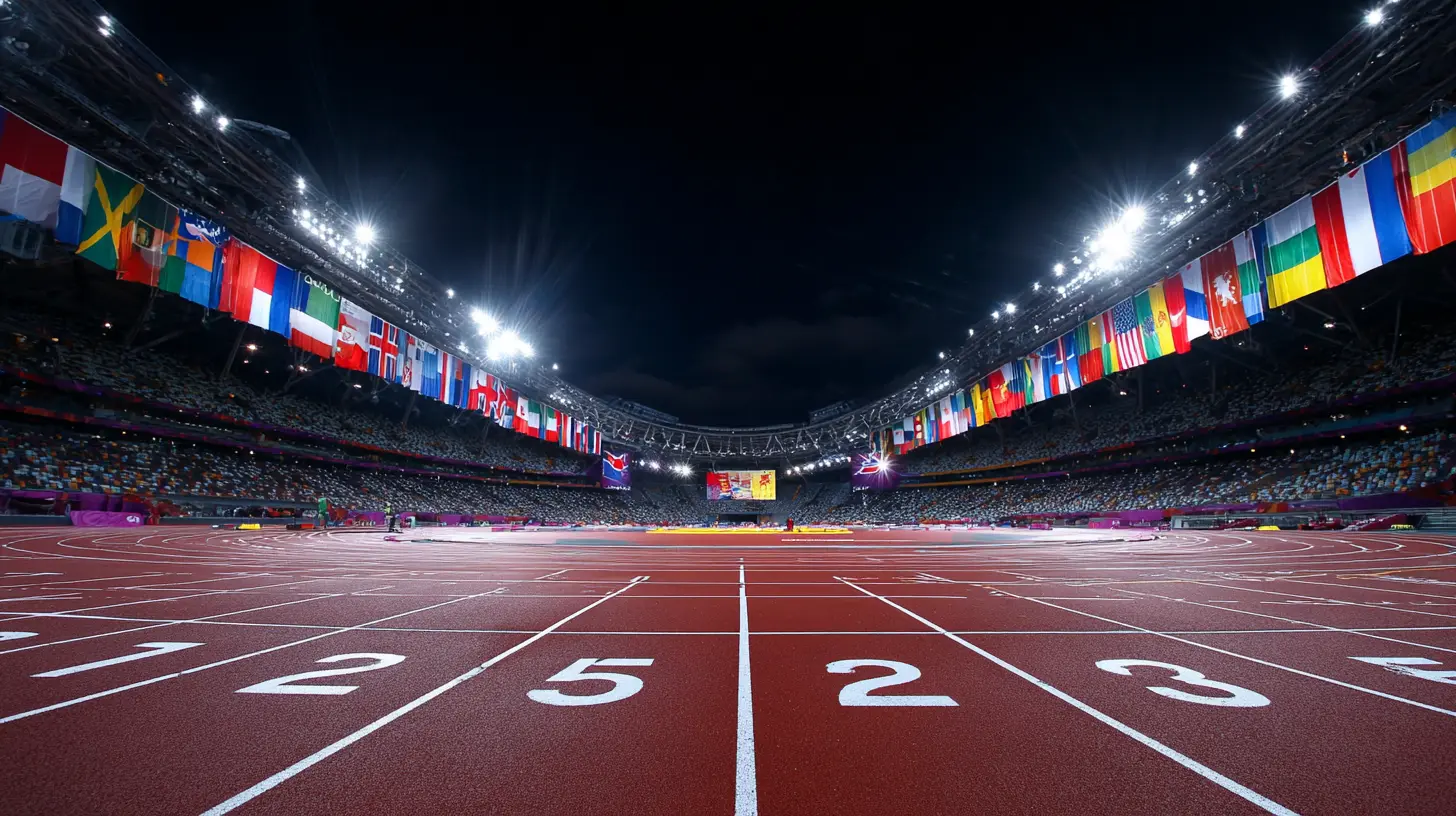
The conversation around athlete welfare has shifted from optional best practice to enforceable standard. By 2027, expect championship organizers to face formal requirements in several areas: heat and air quality protocols, mental health support, travel and scheduling limits, and transparent medical decision-making.Heat is a concrete example. Outdoor championships in summer months increasingly collide with extreme temperatures. Postponing events, moving start times, and building cooling stations are no longer optional extras. A championship that ignores heat risk faces both athlete safety problems and reputational damage. The sensible approach is to set threshold-based rules in advance, so decisions are not made in the middle of a crisis.
Mental health support is another area where 2027 events will likely look different. On-site psychologists, quiet zones, and media training that prepares athletes for scrutiny are becoming standard. This is not softness. It is performance infrastructure. An athlete who sleeps badly and dreads the press conference is less likely to deliver a strong performance, and the event suffers as a result.
There is a trade-off worth naming. More regulation raises costs and can slow decision-making. Smaller federations may struggle to comply. The likely outcome is a tiered system where major championships meet the highest standard and regional events follow a lighter framework. That is imperfect, but it is more realistic than pretending every event can operate at the same level.

Technology Will Be Visible but Quiet
Championship technology in 2027 will probably be judged by how little fans notice it. The most valuable innovations are the ones that remove friction: faster line calls, automated timing, real-time translation for interviews, and broadcast graphics that explain complex rules without a lecture.Semi-automated offside and ball-tracking systems are already common in top football competitions. By 2027, the question will not be whether the technology exists but whether it is consistent across competitions. Inconsistency is worse than absence. A decision that is automated in one league and manual in another creates confusion and erodes trust.
Wearable data is another area to watch. Athletes already generate enormous amounts of performance information. The 2027 question is who gets access and under what terms. If broadcasters receive live biometric data, they can build compelling storytelling. If opponents receive it, competitive fairness is compromised. If athletes do not control it, trust breaks down. The best practice is a clear consent model with tiered access: medical staff get full data, coaches get performance-relevant data, broadcasters get aggregated or delayed data, and competitors get nothing.
There is also a misconception that more technology automatically improves the fan experience. It does not. A stadium filled with screens can still feel cold. The technology that works is the technology that serves a clear purpose, whether that is reducing waiting time, explaining a ruling, or connecting a remote audience to the atmosphere. Anything else is expensive decoration.
Broadcast and Streaming Economics Will Drive Event Design
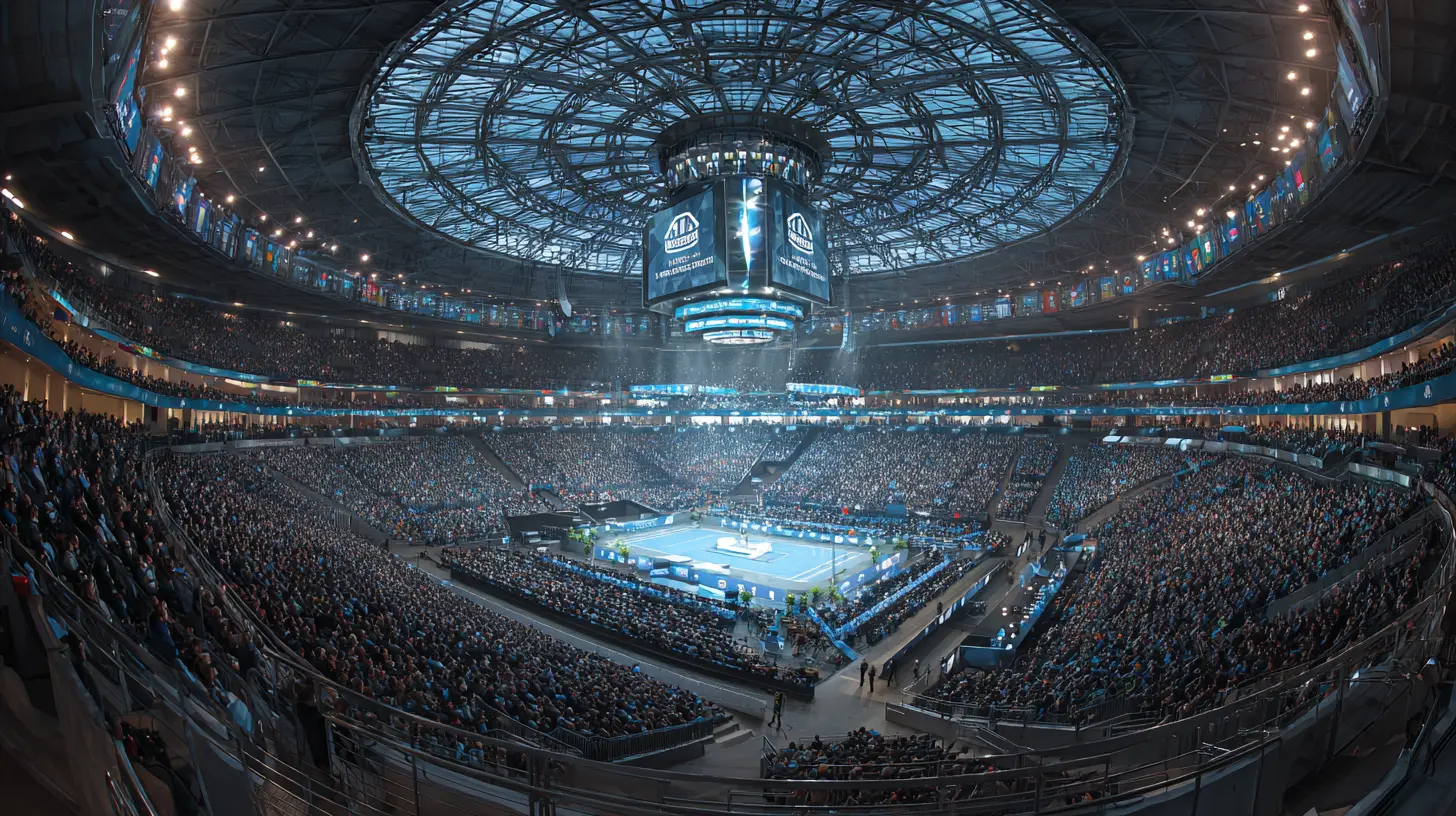
The economics of championship broadcasting are shifting in ways that will be visible in 2027. Traditional linear television still delivers large audiences for finals, but streaming platforms now compete for the same rights and often want different things. A streaming-first partner may prefer more matches, shorter formats, and behind-the-scenes content. A traditional broadcaster may prefer a single showcase final with a long build-up.These preferences shape event design. If the money comes from a platform that rewards volume, organizers may expand the competition format. If the money comes from a broadcaster that rewards spectacle, organizers may concentrate the schedule around a few marquee sessions. Neither approach is inherently better. The mistake is trying to satisfy both without a clear strategy, which usually produces a bloated calendar and a diluted product.
For 2027, expect more hybrid deals: a free-to-air component for reach, a paid streaming component for depth, and a social clip package for younger audiences. The tricky part is rights management. Clips that drive engagement can also undermine the value of the main broadcast if they are released too early or too freely. Organizers will need sharper rules about what can be shared, when, and by whom.
Ticket pricing will interact with all of this. If a championship is designed for streaming, in-venue atmosphere becomes a product in itself. That means investing in fan experience, not just seating capacity. Events that treat the stadium as a set for television tend to disappoint the people who paid to be there, and those people are the ones who create the noise that makes the broadcast worth watching.
Venues and Infrastructure Will Be Judged on Legacy
The 2027 championship venue conversation will be less about grandeur and more about usefulness after the event. Cities have learned that a spectacular arena with no post-event tenant becomes a financial burden. The smarter model is a venue that serves the championship and then converts to community use, training facilities, or a multi-sport hub.This has practical implications for organizers. A temporary or modular venue can reduce long-term costs but may lack the atmosphere and technical infrastructure of a permanent build. A permanent venue can deliver a legacy but requires a credible post-event plan. The decision should be made before the bid, not after the ribbon cutting.
Transport is the other infrastructure test. Championships concentrate demand on a small area for a short period. Rail capacity, last-mile connections, and accessible routes matter more than the stadium's facade. A venue that is beautiful but hard to reach produces late arrivals, frustrated fans, and a broadcast full of empty seats at the start of sessions.
Accessibility deserves specific attention. By 2027, expect stronger expectations around step-free access, sensory-friendly spaces, and clear signage in multiple languages. These are not niche concerns. They improve the experience for everyone, and they are increasingly part of the criteria that sponsors and public authorities use when deciding whether to support an event.
The Fan Experience Will Split Into Two Products
One of the most important shifts to anticipate is the divergence between the in-venue experience and the at-home experience. They used to be variations of the same product. In 2027, they will likely be designed as two distinct products with different priorities.The in-venue product will emphasize atmosphere, community, and occasion. That means better food, shorter queues, improved acoustics, and moments that only make sense if you are there. The at-home product will emphasize access, analysis, and control. That means multiple camera angles, on-demand replays, expert commentary, and the ability to follow a specific athlete or team.
This split creates a strategic choice. Should organizers prioritize selling out the stadium or maximizing the broadcast audience? The two goals can conflict. A packed stadium creates a better broadcast, but high ticket prices that fill seats can exclude the younger fans who watch clips on their phones. A cheap ticket policy fills seats but may reduce revenue.
The balanced approach is tiered pricing with genuine low-cost entry points, combined with premium experiences for those who want them. The common mistake is treating all fans as identical. A family of four and a corporate hospitality client have different needs, and a single pricing model usually serves neither well.
Integrity and Governance Will Face Harder Tests
Championship integrity in 2027 will be tested by betting markets, doping controls, and governance disputes. The growth of micro-betting, where fans wager on individual points or plays, increases the incentive for manipulation. Sports that do not invest in monitoring and education will find themselves reacting to scandals rather than preventing them.Doping control will likely face pressure to become more transparent. Athletes want to know that testing is consistent and that results are handled fairly. The practical fix is better communication: publish testing volumes, explain timelines, and protect confidentiality until a case is resolved. Secrecy breeds suspicion, and suspicion damages every clean athlete in the field.
Governance disputes are harder to solve because they involve power. A championship can be undermined by a federation that changes eligibility rules late, or by a governing body that is seen as favoring certain nations. The best defense is a clear rulebook published well in advance, with an independent appeals process. Predictability is a form of fairness.
There is a misconception that integrity work is invisible and therefore unrewarding for sponsors. In practice, sponsors care deeply about reputational risk. A championship with a credible integrity program is easier to insure, easier to sell, and easier to defend in a crisis. The investment pays back in stability.
What Different Sports Might Look Like in 2027
It helps to move from general trends to specific possibilities. These are informed projections, not certainties.Football. Expect expanded squad sizes, more detailed heat protocols, and semi-automated officiating as standard at major tournaments. The bigger question is calendar reform. A biennial World Cup remains contested, and 2027 will likely show whether the sport can balance club and international demands without burning out players.
Athletics. Outdoor championships will face serious scheduling pressure from heat. Night sessions and earlier morning qualifying may become normal. Wearable data and fan-facing performance graphics will likely be more prominent, but the core appeal remains the same: head-to-head racing in a stadium.
Basketball and similar indoor sports. Load management will be a visible issue. Expect clearer rules about player availability and more sophisticated injury reporting. Broadcasters will push for star players to appear in marquee games, and leagues will need to balance that against medical advice.
Motorsport. Hybrid and electric powertrains will continue to spread, and championship formats may include more sprint events. The trade-off is between tradition and relevance. Longer races reward strategy; sprint formats reward aggression. Getting the mix right will define the product.
Combat sports. Weight-cutting safety, judging transparency, and fighter pay will remain central issues. Expect more athletic commission oversight and clearer medical suspensions. The events that protect fighters tend to produce better fights, because healthy athletes perform better.
Winter sports. Climate variability is the defining challenge. Snow reliability will shape venue selection, and indoor or temporary snow facilities may become more common. The 2027 championships will likely showcase snowmaking and weather contingency planning as core competencies rather than afterthoughts.
Common Mistakes Organizers Should Avoid
Several failure patterns repeat across championships, and 2027 organizers can avoid them with disciplined planning.The first is overpromising on legacy. Announcing that a championship will transform a region is easy. Delivering it requires funded programs, clear ownership, and years of work. Vague legacy claims invite skepticism and damage trust.
The second is treating athletes as content generators rather than partners. Media obligations matter, but so does recovery time. A schedule that leaves no room for rest produces tired athletes and flat performances.
The third is ignoring the second-tier audience. Fans who cannot afford tickets or travel still drive engagement. If the only accessible product is a highlight clip, the championship loses depth.
The fourth is late rule changes. Any adjustment to format, eligibility, or officiating should be published far enough in advance that teams can prepare. Surprises favor the already powerful.
The fifth is underinvesting in operations. The visible parts of a championship, the opening ceremony and the final, get the attention. The invisible parts, accreditation, transport, medical services, and volunteer management, determine whether the event runs smoothly. Operations failures become the story when they happen.
Best Practices Worth Adopting Now
For organizers planning toward 2027, a few practices stand out.Build a decision calendar with clear deadlines for venue confirmation, broadcast agreements, rule publication, and athlete communication. Late decisions cascade into operational chaos.
Run a tabletop crisis exercise covering heat, security, transport failure, and integrity allegations. The goal is not to predict every problem but to practice making decisions under pressure.
Create an athlete advisory group with real influence, not just a listening session. Athletes spot problems that administrators miss, and early feedback is cheaper than late fixes.
Publish a transparent sustainability plan with measurable targets. Claims without numbers invite scrutiny. Numbers without follow-through invite criticism.
Invest in a content strategy that serves both the live audience and the highlight audience. The two are not enemies, but they need different formats, different timing, and different rights rules.
How Fans and Athletes Can Prepare
Fans can prepare by understanding the format before the event begins. Championship formats often differ from regular-season play, and confusion about tiebreakers or qualification rules leads to frustration. Following official channels and reading the competition regulations is more useful than relying on social media summaries.Athletes and coaches can prepare by treating the championship calendar as a performance variable. Peak timing, travel planning, and recovery protocols should be mapped months in advance. The athletes who handle logistics calmly tend to handle pressure calmly.
Sponsors and partners can prepare by aligning with events that share their values. A brand that cares about sustainability should ask hard questions about venue and travel. A brand that cares about athlete welfare should ask about scheduling and medical support. Vague association is less valuable than credible alignment.
The Bottom Line
The 2027 championships will not be transformed by a single technology or a single rule change. They will be shaped by the accumulation of decisions made now: how calendars are built, how athletes are protected, how rights are sold, how venues are used, and how fans are served. The events that succeed will be the ones that treat these decisions as connected rather than separate.Certainty is not available, and anyone who promises it is selling something. What is available is a clear view of the pressures and the choices. Organizers who plan for consolidation, regulation, and dual audiences will be better positioned. Athletes who prepare for the calendar as seriously as the competition will be better positioned. Fans who understand the format will enjoy it more.
The championships of 2027 will look familiar in their core: athletes competing at the highest level, crowds reacting, and moments that define careers. What changes is the machinery around that core. The best events will make that machinery invisible, so the sport remains the story.
all images in this post were generated using AI tools
Category:
World ChampionshipsAuthor:

Nelson Bryant