Behind the Scenes of the 2026 UEFA Europa League Finals
26 September 2026
The Europa League final is not just a soccer match. It is a 90-minute television product wrapped around a week of logistics, a season of qualification, and years of infrastructure planning. When the 2026 final kicks off, most viewers will see a pitch, two teams, and a trophy. What they will not see is the machinery that makes that evening possible.
This article is about that machinery. It covers how a host city is chosen, what happens in the 72 hours before kickoff, how clubs prepare differently for a European final than for a league match, and why some of the most important decisions are made months in advance. It also addresses the parts of the event that rarely make headlines: ticketing disputes, travel chaos, pitch preparation, security, and the emotional weight carried by players and staff who may never reach this stage again.
If you want a preview of tactics or a list of past winners, this is not that article. If you want to understand how a European final actually comes together, and what goes wrong when it does, keep reading.
Why the 2026 Final Matters More Than Most
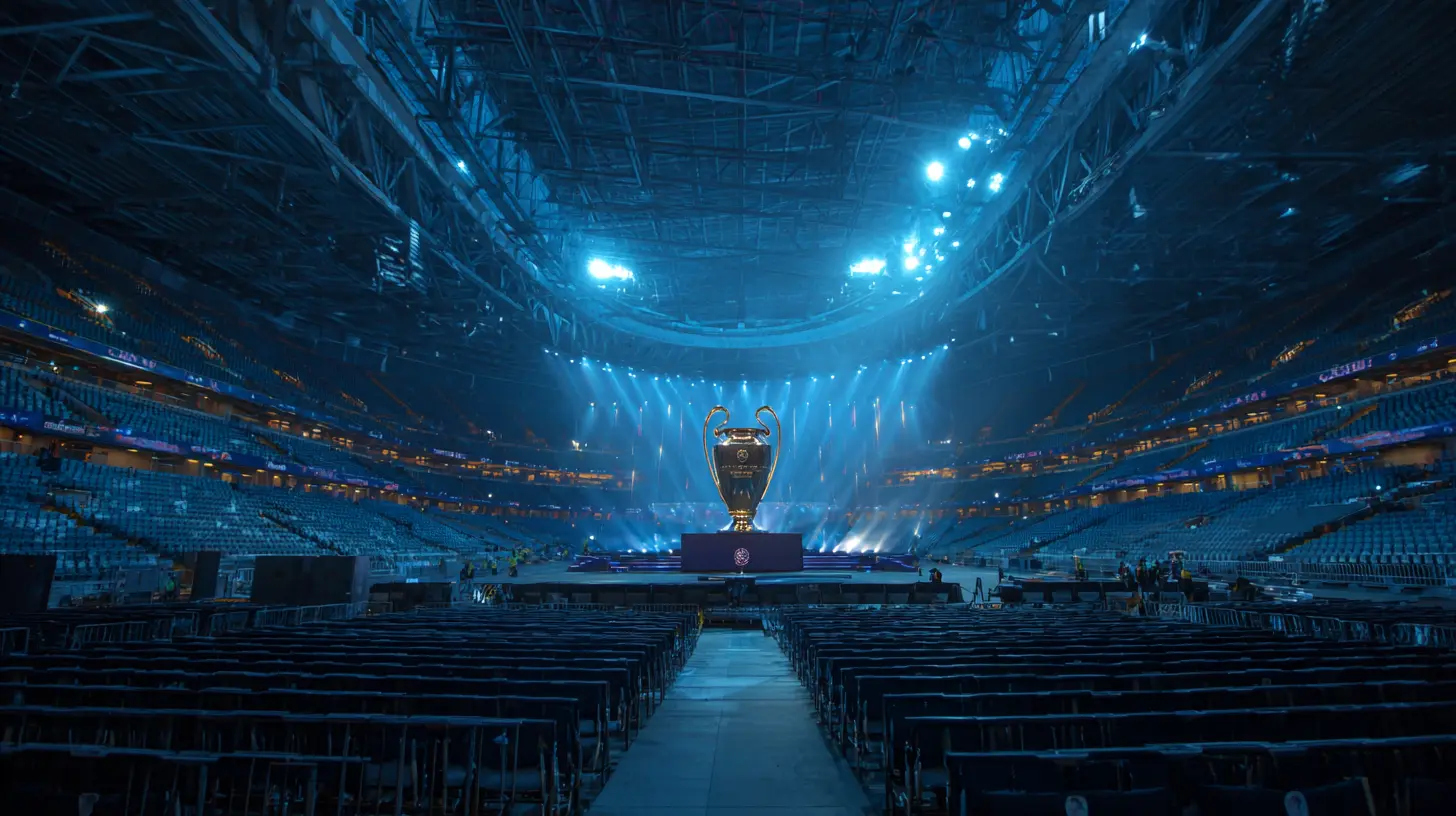
The 2026 Europa League final sits in an unusual position in the European soccer calendar. It arrives in the same year as an expanded Champions League format and an expanded Club World Cup, which means the fixture list is denser, the travel demands are heavier, and the margin for error in squad rotation is thinner.For clubs that reach the final, the reward is not just a trophy. It is automatic qualification for the following season's Champions League, a financial windfall that can reshape a club's transfer strategy, and a permanent line in the club's history. For players, it is often the biggest match of their careers. For staff, it is the culmination of a season of work that most fans never think about.
That combination of stakes and scarcity is what makes the behind-the-scenes story worth telling. The final is not a single event. It is a chain of decisions, each one made under pressure, each one capable of derailing the whole thing.
How a Host City Is Chosen
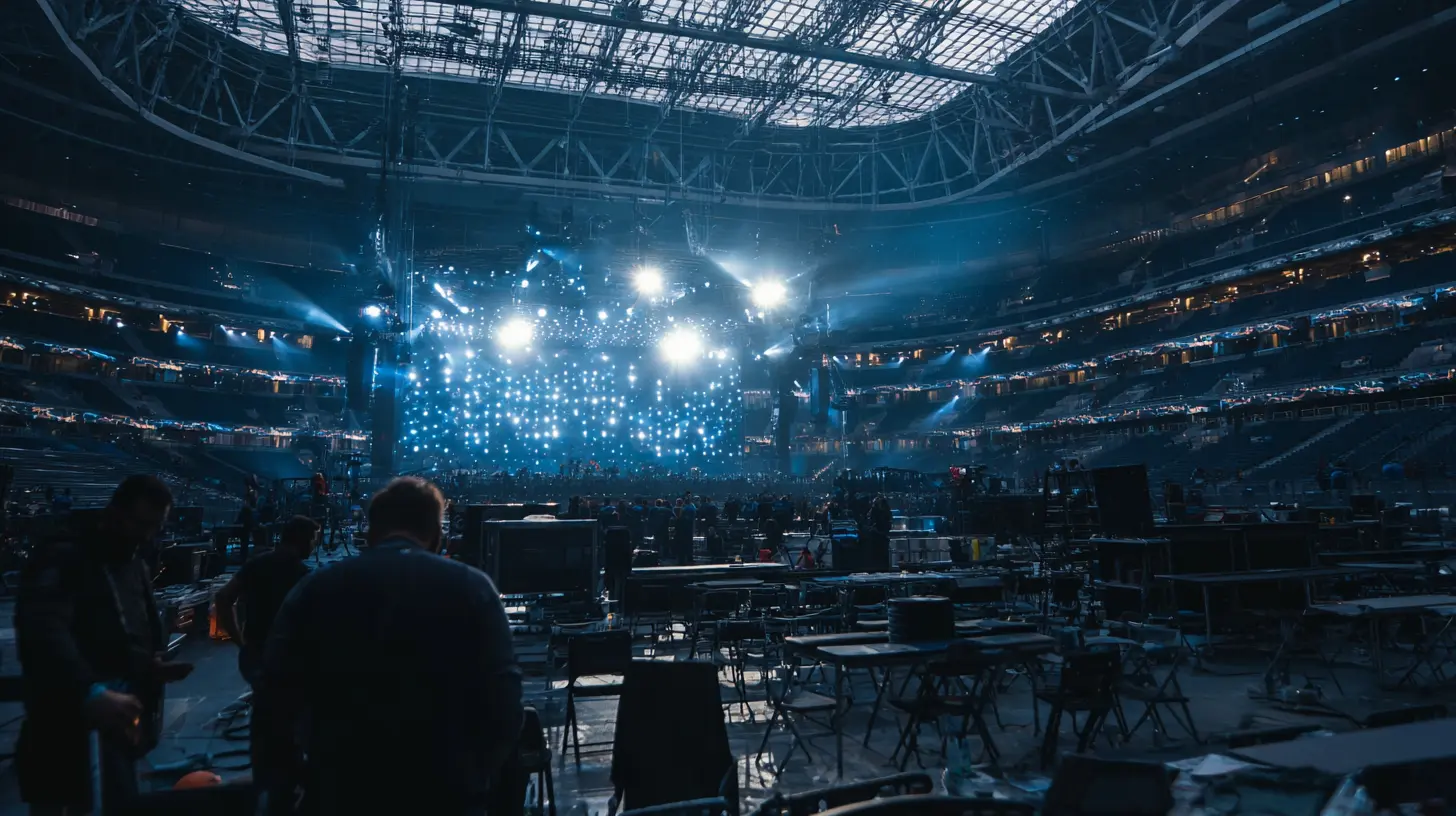
UEFA does not pick a host city on a whim. The process typically begins years in advance, with national associations and clubs submitting bids that must satisfy a long list of technical requirements.The Bid Criteria
A typical bid package covers:- Stadium capacity and infrastructure, including media facilities, hospitality areas, and dressing rooms
- Pitch quality and the ability to maintain it under a heavy schedule
- Transport links, including airport capacity, rail connections, and local transit
- Accommodation for teams, officials, media, and visiting supporters
- Security and policing plans
- Financial guarantees from the host association and local government
The stadium itself is only part of the equation. A city with a magnificent arena but poor transport links will struggle. A city with excellent transport but limited hotel capacity will also struggle. The final attracts tens of thousands of visitors, and the host city must be able to absorb them without breaking.
Why Some Bids Fail
Bids fail for reasons that often have little to do with soccer. Political instability, funding gaps, or a change in local government can sink a bid. So can a stadium that is not ready in time, or a transport plan that relies on infrastructure that does not yet exist.There is also a subtler issue: the "neutral venue" problem. A final hosted in a city with a strong soccer tradition may be more attractive to UEFA, but it can also create complications if one of the finalists is from that country. The host city must be able to handle the possibility of a "home" team reaching the final, which means security and ticketing plans must account for a lopsided crowd.
The Trade-Offs of Host Selection
Choosing a host city is a series of trade-offs. A larger stadium means more ticket revenue and more atmosphere, but it also means more security risk and more strain on transport. A smaller stadium may be easier to manage, but it limits the number of fans who can attend.There is no perfect host. There is only a host that fits the specific needs of that year's final. The decision is as much about risk management as it is about spectacle.
The 72 Hours Before Kickoff
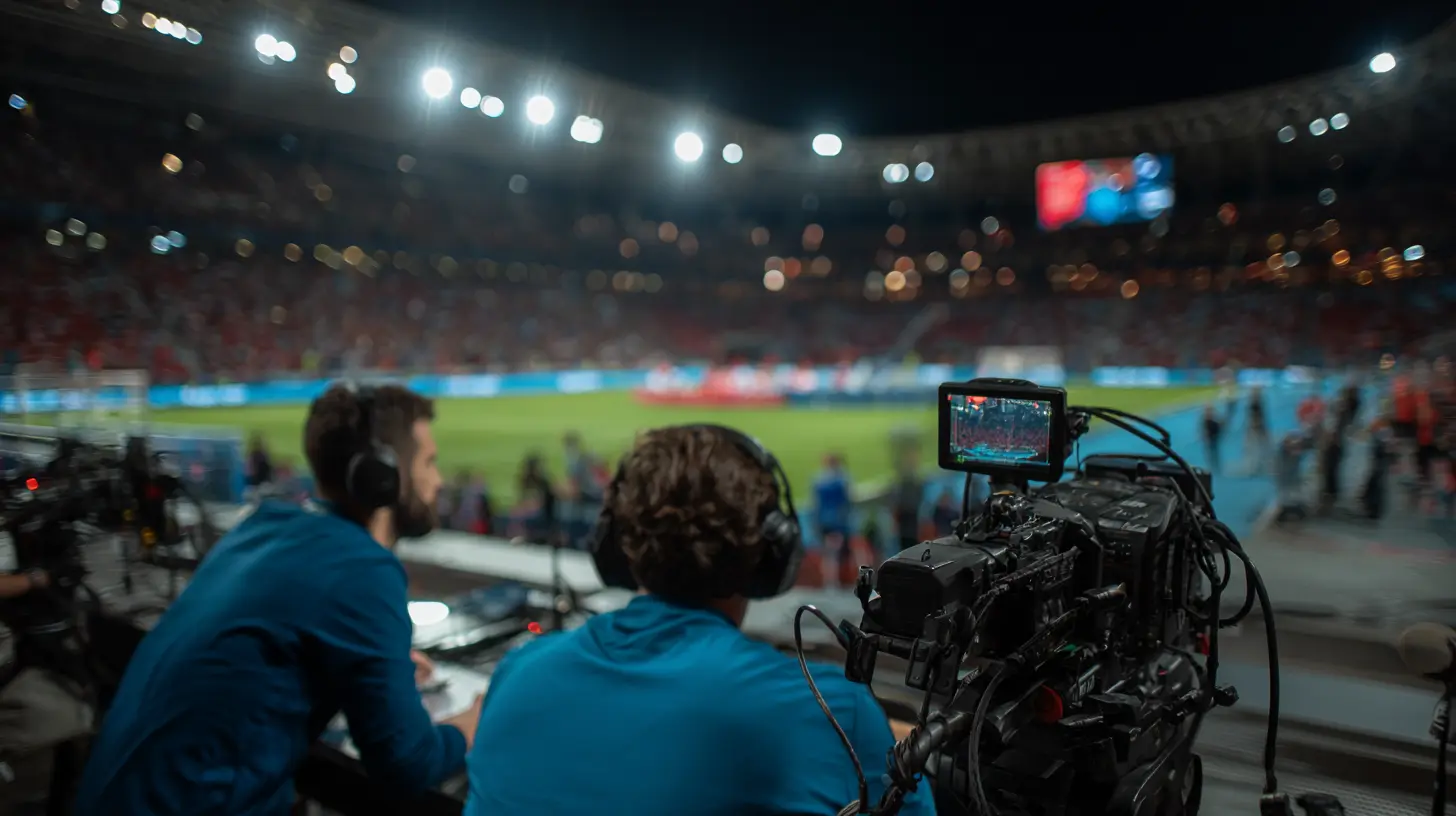
The week of the final is when the invisible work becomes visible. By the time the teams arrive, the host city has already been in "final mode" for days.Pitch Preparation
The pitch is the most scrutinized surface in the stadium. Groundskeepers typically begin preparing it weeks in advance, but the final 72 hours are critical. The pitch must be watered, mowed, and marked to exact specifications. It must also be protected from non-soccer events, which is why many host stadiums clear their calendars for at least a week before the final.One common misconception is that a faster pitch always favors the more technical team. In reality, pitch speed interacts with weather, ball choice, and the referee's tolerance for physical play. A dry, fast pitch can reward quick passing, but it can also make the ball bounce unpredictably for goalkeepers. Groundskeepers often adjust watering schedules based on the forecast and the preferences of the teams, though they are not obligated to favor either side.
Security and Policing
Security for a European final is a multi-agency operation. Local police, private security, UEFA officials, and club liaison officers all coordinate in the days before the match. The goal is not just to prevent violence but to manage crowd flow, protect VIPs, and respond to emergencies.A key challenge is separating rival supporters. This is done through designated routes, staggered arrival times, and ticketing zones. When it works, fans rarely notice. When it fails, the consequences can be severe.
Media Operations
The media operation for a final is enormous. Hundreds of journalists, photographers, and broadcasters require accreditation, workspace, and access to players and coaches. The pre-match press conference, typically held the day before the final, is a carefully stage-managed event. Clubs are required to make a certain number of players available, but they also control the narrative as much as possible.For broadcasters, the final is a logistical puzzle. Camera positions, commentary booths, and technical infrastructure must be set up and tested. A single cable failure can black out a feed for millions of viewers, so redundancy is built into every system.
How Clubs Prepare Differently
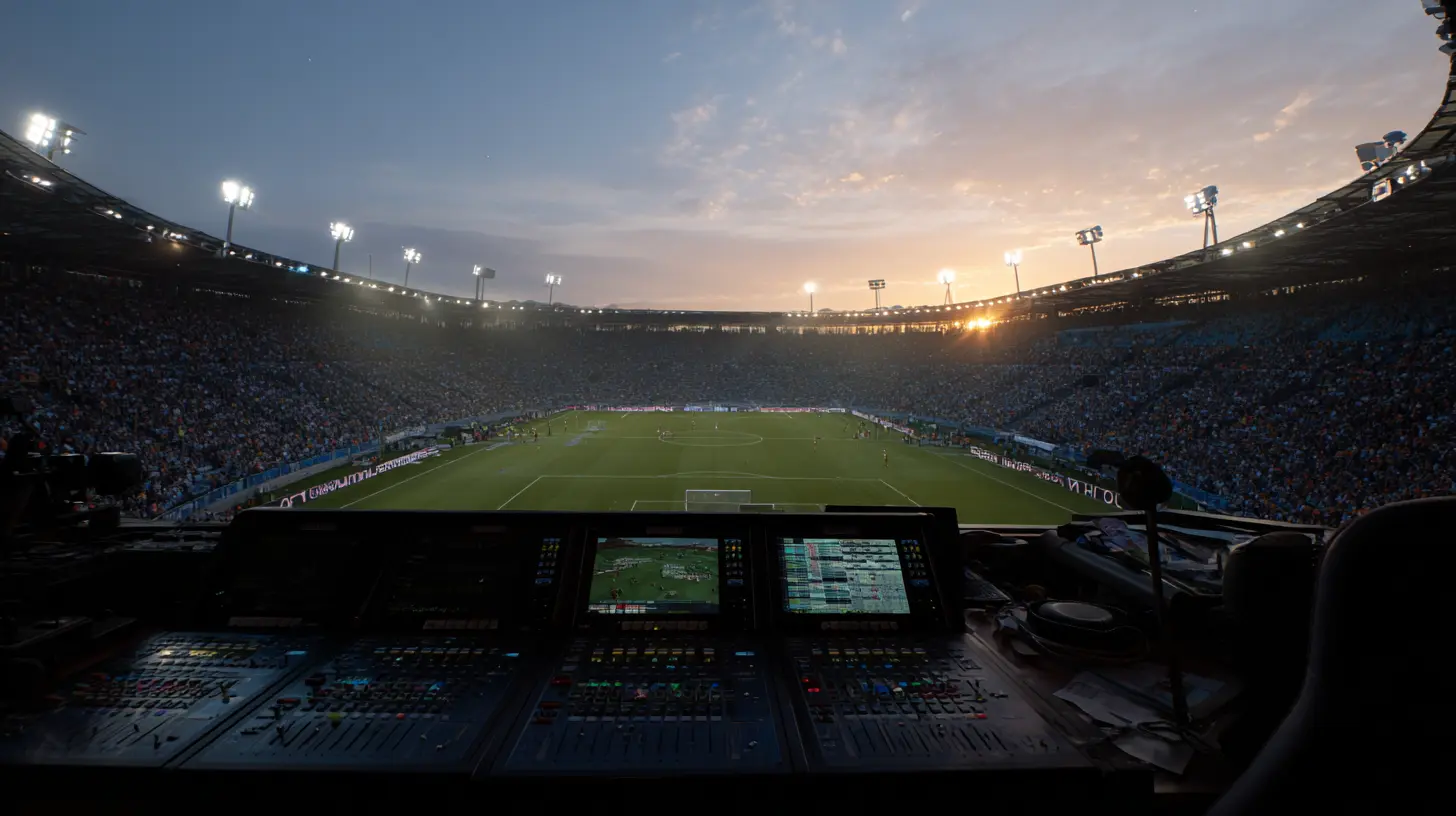
A European final is not just another match. It is a different kind of event, and clubs prepare for it differently.Squad Rotation and Recovery
In the weeks before the final, clubs must balance league commitments, cup matches, and player fitness. Rotation becomes a delicate art. Play a full-strength squad in a league match and risk injury or fatigue. Rest too many players and risk losing rhythm.Experienced managers often prioritize recovery over intensity in the final week. Training sessions become shorter and more tactical. Set-piece routines are rehearsed. Penalty practice is scheduled, not because anyone expects a shootout, but because the possibility must be respected.
Tactical Preparation
Tactical preparation for a final is different from a league match. There is no return leg, no opportunity to correct mistakes. That means the game plan must be robust enough to survive an early setback.Coaches often focus on two or three scenarios: what happens if we score first, what happens if we concede first, and what happens if the match goes to extra time. The goal is not to predict the future but to prepare the players for the most likely branches.
The Emotional Dimension
The emotional preparation is just as important as the tactical. For players who have never played in a European final, the occasion can be overwhelming. Sports psychologists and experienced captains play a role in keeping the squad grounded.One common mistake is to treat the final as just another game. It is not. The noise, the stakes, and the scrutiny are different. Acknowledging that difference, rather than pretending it does not exist, is often the healthier approach.
Ticketing, Travel, and the Fan Experience
For supporters, the final is a test of patience and planning.The Ticketing Problem
Ticket allocation for a European final is a perennial source of frustration. Each finalist typically receives a percentage of the stadium's capacity, with the rest going to UEFA, sponsors, and hospitality. That means even season ticket holders may struggle to get a seat.Clubs handle allocation differently. Some prioritize loyalty points accumulated over years. Others use a ballot system. Both approaches have trade-offs. Loyalty points reward long-term commitment but can shut out younger fans. Ballots are fairer in theory but can feel random and impersonal.
The secondary market is another issue. UEFA and clubs generally discourage resale, but demand often outstrips supply, creating a gray market. Fans who buy from unofficial sources risk being turned away at the gate.
Travel Logistics
Travel to a European final is rarely simple. Flights sell out quickly, prices spike, and accommodation near the stadium becomes scarce. Some fans book travel before their team has even qualified, gambling on a favorable outcome. Others wait and pay a premium.Supporters' groups often organize chartered transport, which can be cheaper and more sociable but also less flexible. Independent travel offers more control but requires more planning.
A practical tip: if your team reaches the semifinal, start monitoring travel options immediately. Do not wait for the final whistle of the second leg. By then, the cheapest options are gone.
What Host Cities Can Do Better
Host cities that communicate clearly and early tend to have fewer problems. Publishing transport plans, ticketing information, and fan zone details well in advance helps supporters plan. Cities that treat fans as an inconvenience rather than a guest tend to create friction.
What Can Go Wrong
No final is immune to problems. The most common issues fall into a few categories.Weather
Rain, heat, or wind can affect the pitch, the players, and the fan experience. Extreme weather can delay kickoff or force changes to pre-match events. Groundskeepers and organizers monitor forecasts closely and adjust watering, covering, and scheduling as needed.Transport Failures
A rail strike, a road closure, or an airport delay can strand thousands of fans. Organizers cannot prevent every disruption, but they can prepare contingency plans. The best host cities have backup routes and real-time communication systems.Security Incidents
Most security incidents at finals are minor: ticketless fans trying to enter, small scuffles, or crowd congestion. But the potential for something more serious is always present. That is why security planning is so extensive.Pitch Invasions and Protests
Pitch invasions and protests have become more common at major finals. They can delay the match and create safety risks. Organizers respond with increased perimeter security and faster stewarding, but there is no perfect solution.The Business Side
The Europa League final is a commercial event as much as a sporting one.Revenue Streams
Revenue comes from several sources: ticket sales, broadcast rights, sponsorship, hospitality, and merchandise. The final is a showcase for UEFA's commercial partners, and the host city often benefits from increased tourism and global exposure.For the clubs, the financial impact is significant. Prize money, broadcast revenue, and matchday income can transform a club's budget. Qualification for the Champions League is even more valuable, as it guarantees a place in Europe's richest competition.
Sponsorship and Hospitality
Sponsors use the final to entertain clients, launch products, and build brand association. Hospitality packages can cost thousands of dollars per seat, and demand is usually high.There is a tension here. The more the final is packaged as a premium experience, the more it risks feeling detached from the fans who made the clubs what they are. Balancing commercial interests with atmosphere is an ongoing challenge.
Lessons from Past Finals
History offers useful lessons, even if every final is unique.One recurring theme is the importance of preparation. Clubs that arrive early, train on the pitch, and acclimatize to the city tend to handle the occasion better. Clubs that treat the final as a normal away match often struggle.
Another theme is the role of experience. Players who have been through a final before are calmer and more decisive. That is why managers often lean on veterans, even if their form is not peak.
A third theme is the unpredictability of the match itself. Tactics matter, but so do luck, refereeing decisions, and moments of individual brilliance. The best-prepared team does not always win. That is part of what makes the final compelling.
What to Watch For in 2026
Without predicting results, there are a few things worth watching in 2026.First, how the expanded European calendar affects squad depth. Teams with deeper benches may have an advantage in the final weeks.
Second, how host city logistics handle the increased number of traveling fans. If the host city is smaller or less connected, the strain will be more visible.
Third, how clubs manage the emotional weight of the occasion. The team that stays calm under pressure usually has an edge.
Practical Advice for Fans and Analysts
If you are planning to attend a future final, here are some practical recommendations.- Start planning travel as soon as your team reaches the quarterfinals.
- Buy tickets only from official sources.
- Book accommodation with free cancellation if possible.
- Arrive at the stadium early. Security lines can be long.
- Check local transport plans and have a backup route.
- Stay hydrated and dress for the weather.
- Respect the host city and fellow fans. The final is a shared experience.
If you are analyzing the match, focus on how each team handles transitions, set pieces, and pressure. Finals are often decided by small details, not grand tactics.
Final Thoughts
The 2026 UEFA Europa League final will be remembered for a goal, a save, or a moment of drama. But behind that moment is a year of work by people whose names will never appear on the trophy.Understanding that work does not diminish the magic of the final. It deepens it. The next time you watch a European final, notice the pitch, the stewards, the broadcast cuts, and the timing of the substitutions. Each one is the result of a decision made long before kickoff.
That is the real story behind the scenes. Not secrets, but craft. Not luck, but preparation. And not just one night, but a season.
all images in this post were generated using AI tools
Category:
Upcoming TournamentsAuthor:

Nelson Bryant