Why This 2027 Contract Extension Reveals a Bright Future
9 November 2026
The landscape of professional sports is ever-evolving, and contract extensions often signal more than just a financial commitment. They represent trust, potential, and the strategic vision of an organization. The recent announcement of a 2027 contract extension for a key player is a shining example of what lies ahead for both the athlete and the team. This article delves into the implications of this extension, the factors that contributed to this decision, and what it means for the future of everyone involved.

The Significance of Contract Extensions
When a team chooses to extend a contract, it is a multifaceted decision. It speaks volumes about the player's performance and the organization's faith in their future contributions. Here are some key reasons why contract extensions matter:Building Stability
A contract extension instills a sense of stability. It reassures fans, teammates, and stakeholders that the player is a central part of the team's future. This stability can lead to improved performance, as players often feel more secure when their position is solidified.Long-Term Vision
Teams looking to build a championship contender often prioritize long-term strategies. A contract extension can indicate that the organization is focused on a multi-year plan, aiming to develop a competitive roster over time.Market Value
Contract extensions can also reflect the player's market value. If a player has demonstrated exceptional skill and potential, teams may act early to lock them in before their value escalates even further. This can save the team considerable resources in the long run.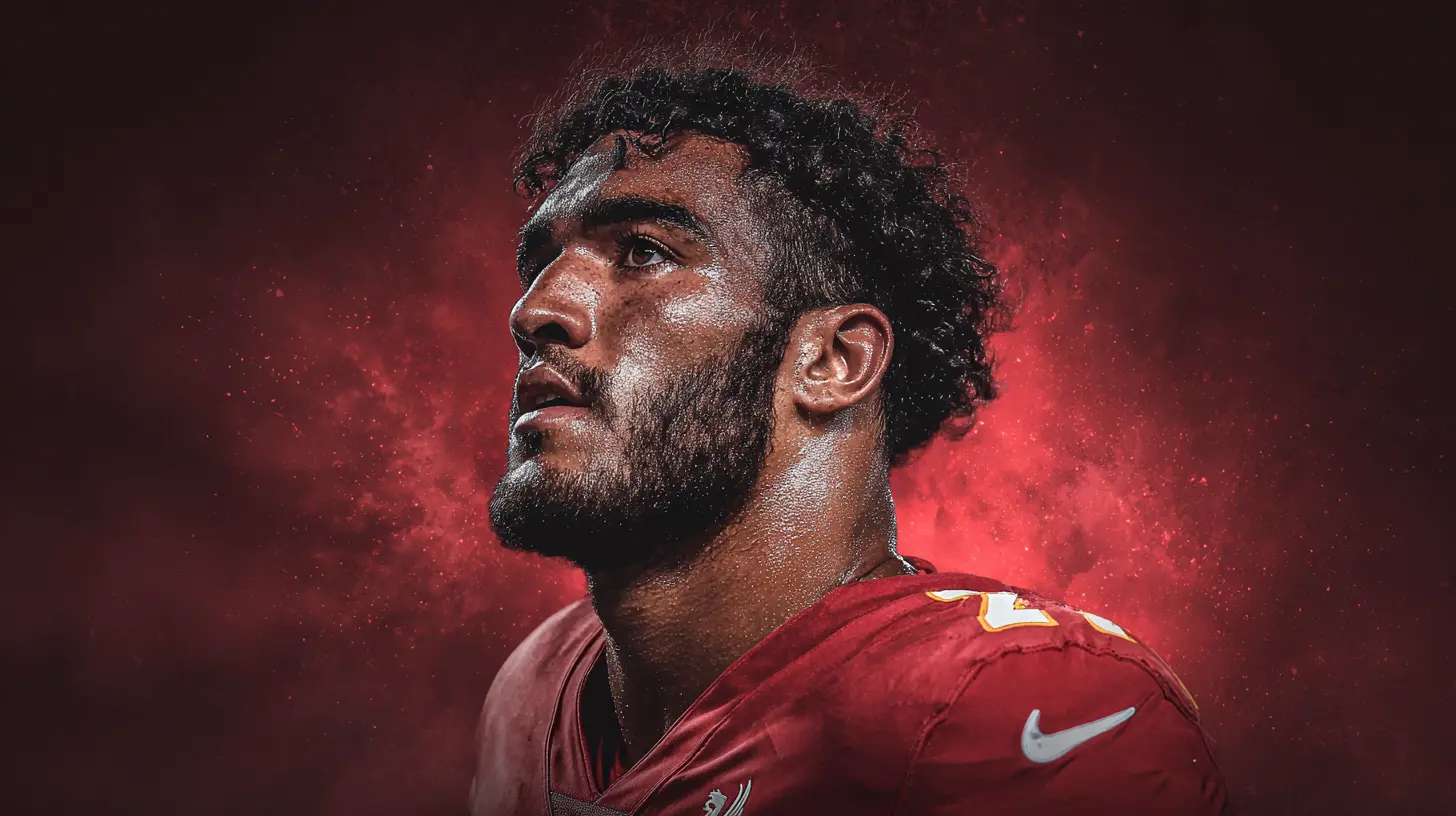
The Player's Perspective
From the player's viewpoint, a contract extension is a validation of their hard work and dedication. It means that their efforts have not gone unnoticed. Here are some aspects players consider regarding extensions:Financial Security
One of the most immediate benefits of a contract extension is financial security. Players can focus on their game without the added pressure of potential trades or contract negotiations looming over their heads.Career Longevity
Securing a long-term deal can also enhance a player's perception of their longevity in the sport. It can open doors for mentoring younger players and leaving a legacy within the organization.Commitment to Development
A contract extension often indicates that the player is seen as a cornerstone for the future. This acknowledgment can motivate athletes to take their training and performance to the next level. They may feel a renewed sense of responsibility to improve and contribute to the team's success.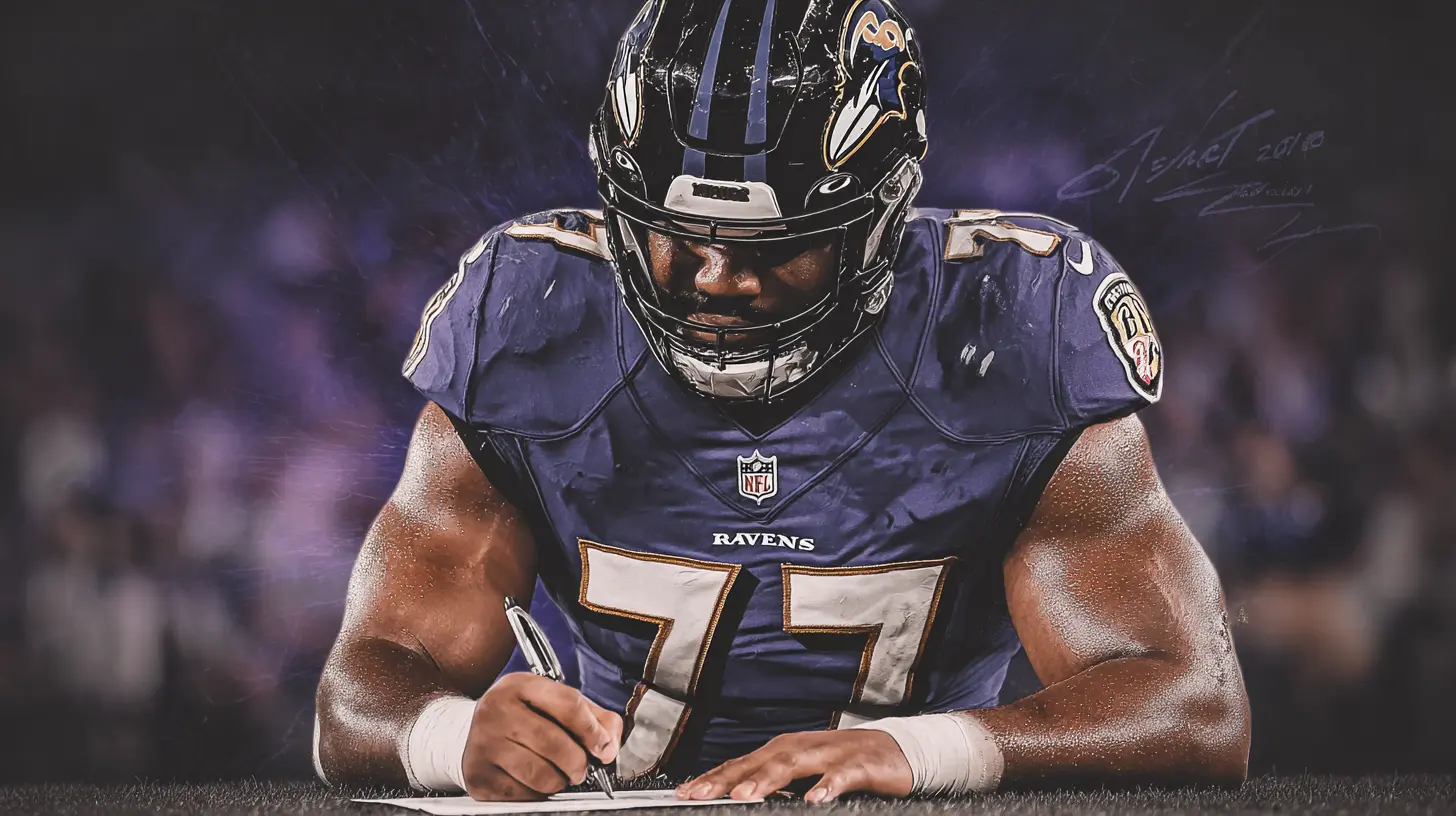
Factors Influencing the Decision
Several key factors play a role in the decision to extend a player's contract. Understanding these can help fans and analysts appreciate the complexities involved.Performance Metrics
Performance is the most critical factor. Teams analyze various metrics, including scoring averages, defensive capabilities, and overall impact on games. A player demonstrating consistent improvement is often more likely to receive an extension.Team Dynamics
The relationship between the player and the rest of the team is vital. A player who meshes well with teammates and positively influences team culture is more likely to be rewarded with a contract extension. Chemistry on and off the field can make or break a team.Injury History
Injuries can complicate contract considerations. A player with a history of injuries may prompt a cautious approach from management. Teams must weigh the risk of extending a contract against the potential for future contributions.Market Trends
The sports market is dynamic. Teams must consider what similar players are earning and how their contracts align with the overall salary cap and team budget. An extension should reflect the current market conditions while also considering the player's unique contributions.
Real-World Examples
To illustrate the impact of contract extensions, let's look at some real-world examples.The Case of Patrick Mahomes
In 2020, Patrick Mahomes signed a 10-year contract extension with the Kansas City Chiefs that was worth up to $503 million. This extension not only secured Mahomes' future but also signaled the Chiefs' commitment to building a winning franchise around him. His exceptional performance and leadership qualities justified the investment, and he has since led the team to significant success, including a Super Bowl victory.The Impact of Giannis Antetokounmpo
Similarly, Giannis Antetokounmpo of the Milwaukee Bucks signed a five-year extension in late 2020. This deal was pivotal for the Bucks, as it solidified their position in the NBA hierarchy. Giannis's commitment to the franchise ultimately paid off with an NBA Championship in 2021, reinforcing the importance of player loyalty.Best Practices for Teams
When considering a contract extension, teams should adhere to several best practices to ensure they make the most informed decisions.Comprehensive Evaluation
Conducting a thorough evaluation of the player's performance, potential, and fit within the team is crucial. Teams should utilize advanced analytics and scouting reports, integrating subjective observations with quantitative data.Future Planning
Organizations should align contract extensions with their long-term strategy. This involves assessing the potential for team growth, the player's role in that vision, and how their skills will evolve over time.Open Communication
Transparent communication between management and players is vital. Teams must keep players informed about their standing and future plans. This builds trust and increases the likelihood of successful negotiations.Flexibility
While long-term extensions are valuable, teams should also remain flexible. Circumstances can change due to performance, emerging talent, or shifts in market conditions. Being adaptable allows teams to make decisions that best serve their future.
Common Mistakes to Avoid
As teams navigate the complexities of contract extensions, several pitfalls can undermine their efforts.Overvaluing Past Performance
One common mistake is basing contract decisions solely on past performance. While historical achievements are important, they do not guarantee future success. Teams must consider the player's current trajectory and potential growth.Ignoring Team Chemistry
Failing to assess how a player fits within the existing team dynamic can lead to costly mistakes. A player may excel individually but disrupt team cohesion, making their contract extension a liability rather than an asset.Neglecting Market Trends
Another mistake is ignoring market trends. Teams must remain aware of the broader economic landscape in professional sports. Failing to do so can lead to misaligned contracts that hinder financial flexibility.Conclusion: A Bright Future Ahead
The 2027 contract extension represents more than just a financial agreement; it is a powerful symbol of faith and commitment. For both the player and the team, it embodies hopes for the future and shared aspirations. As organizations continue to adapt to the dynamic nature of professional sports, contract extensions will remain a key tool in shaping successful teams.With careful evaluation, open communication, and a focus on long-term vision, both players and teams can unlock their full potential. The future is bright for those who recognize the importance of these strategic decisions.
all images in this post were generated using AI tools
Category:
Career MilestonesAuthor:

Nelson Bryant