Why the 2026 UCL Final Is Poised to Be a Classic
26 April 2026
Let’s cut the crap for a second: the UEFA Champions League final has given us some absolute duds over the years. Remember 2003? A snooze-fest between Juventus and AC Milan that ended 0-0 and was decided by penalties? Or 2013, when Dortmund and Bayern Munich served up a tactical chess match that felt more like watching paint dry than football? Yeah, we’ve been burned before. But trust me when I say this—the 2026 UCL Final is different. It’s not just another game; it’s a collision course of destiny, drama, and raw, unscripted chaos. Think of it as the Rocky Balboa vs. Apollo Creed of football finals—two titans, one ring, and a story that’s already writing itself in bold, permanent ink.
I’m not here to sugarcoat it. I’m here to tell you why this specific final, set in the iconic heart of European football, has all the ingredients to become a legendary classic. And I’m not talking about “oh, it’ll be a good game” classic. I’m talking about Istanbul 2005 levels of insanity. Liverpool vs. AC Milan levels of heart-stopping madness. The kind of final your grandkids will ask you about, and you’ll lie and say you watched it live even if you didn’t. So, grab your coffee, your lucky jersey, and a healthy dose of skepticism—because by the end of this, you’ll be marking your calendar for 2026.
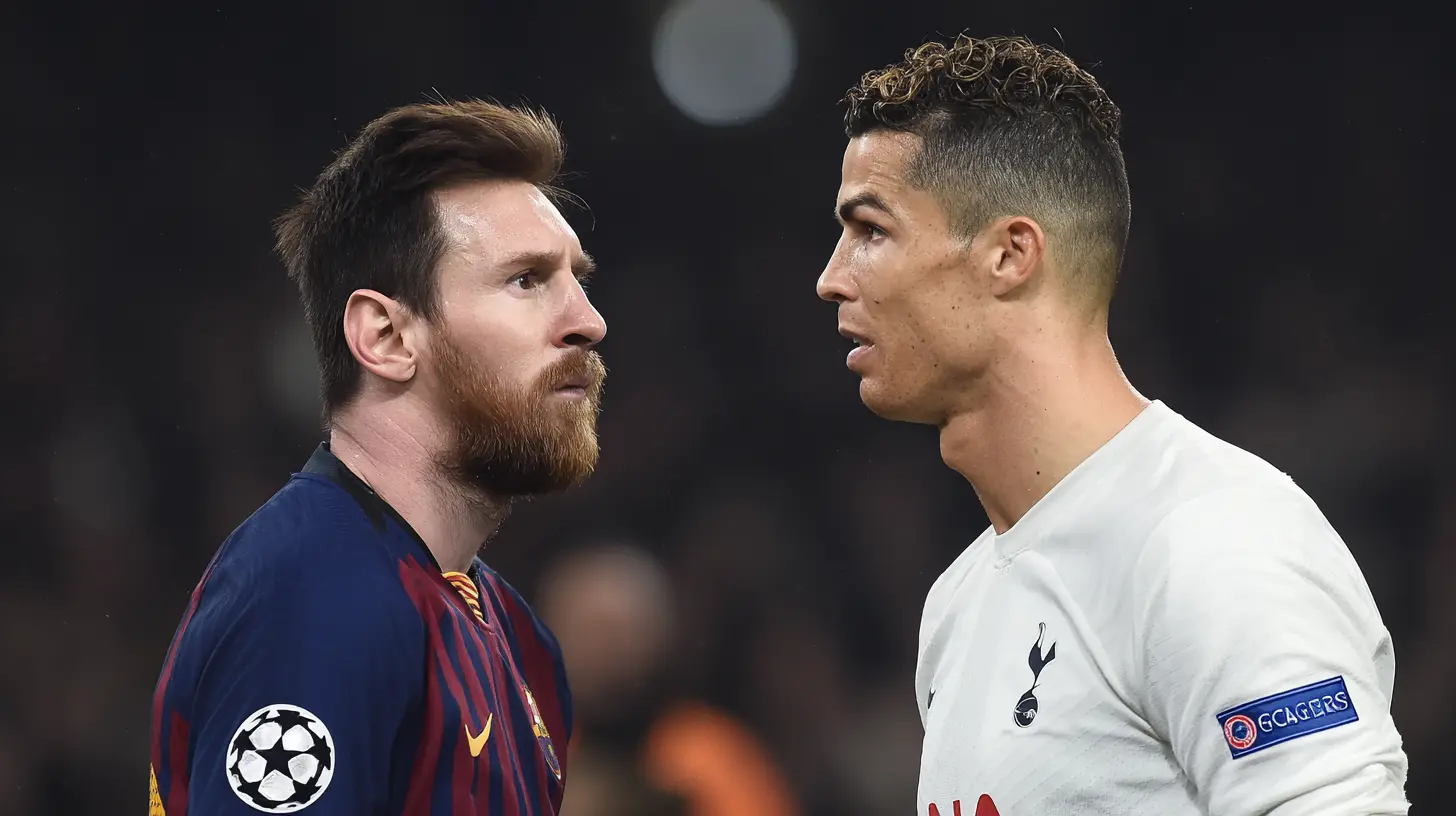
The Venue: A Stage Built for Legends
First things first—let’s talk about where this masterpiece is going down. The 2026 UCL Final will be held at the Allianz Arena in Munich, Germany. Now, if you don’t think venues matter, you’ve clearly never watched a final played in a soulless corporate bowl. The Allianz Arena is the opposite of that. It’s a cathedral of football, a glowing, translucent beast that changes colors like a chameleon on steroids. When Bayern Munich plays there, it’s a fortress. But for a neutral final? It’s a pressure cooker.Why does this matter? Because the atmosphere in Munich is built for drama. The German fans are loud, obsessive, and they don’t do “quiet contemplation.” They roar. They chant. They create a wall of sound that makes even the most composed players crack. Remember the 2012 UCL Final in Munich? Bayern lost at home to Chelsea in a penalty shootout. The Allianz Arena literally saw a team crumble under the weight of expectation. Fast forward to 2026, and that same stadium will host two teams who have no business being comfortable. The ghosts of 2012 are still lurking. The energy will be palpable—like a thunderstorm waiting to break.
And let’s not forget the visual spectacle. The Allianz Arena lights up in red, blue, or white depending on the occasion. For the final, UEFA will likely bathe it in gold and purple, creating a surreal, almost cinematic backdrop. You’ll see the players emerge from the tunnel, and the stadium will look like a giant, pulsating jellyfish. It’s the kind of setting that makes you feel the stakes before a single pass is made. If the 2026 final doesn’t deliver, it won’t be because of the venue. The venue is begging for a classic.
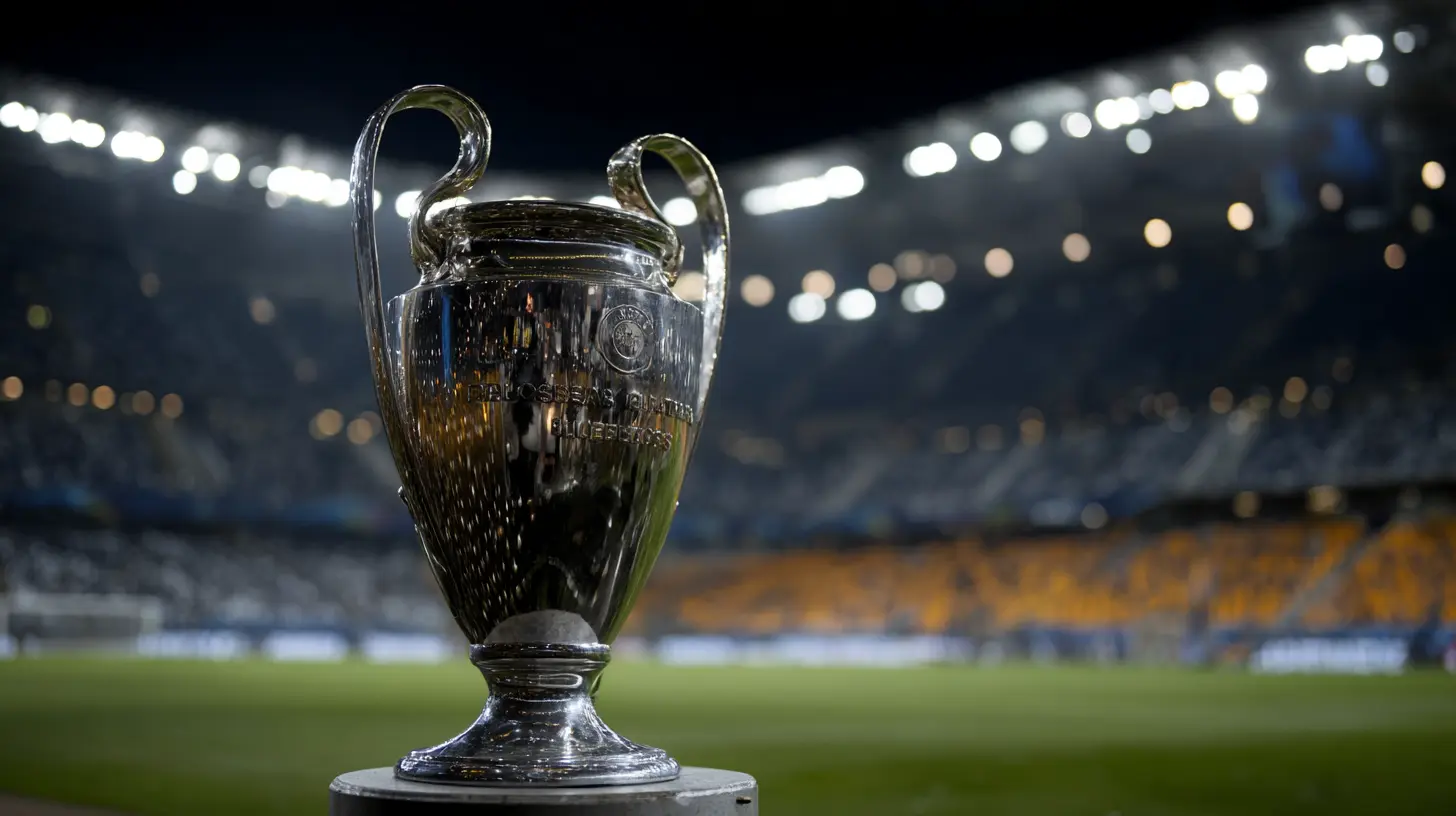
The Teams: A Perfect Storm of Rivalry and Talent
Now, let’s get to the juicy part—the teams. I can’t predict the exact lineup for 2026, but I can smell the trends from a mile away. The Champions League is cyclical, and right now, we’re entering a golden age of unpredictability. The old guard—Real Madrid, Bayern Munich, Manchester City—are still dominant, but they’re being chased by hungry upstarts like Arsenal, Newcastle, and even a resurgent AC Milan. The 2026 final will likely feature a clash that feels personal, not just professional.Imagine this: Manchester City vs. Real Madrid, Part III. The first two legs of their recent knockout ties were absolute cinema—4-3 thrillers, last-minute goals, and tears from both sides. By 2026, Pep Guardiola might have left City, but his legacy will still haunt the Etihad. Meanwhile, Real Madrid will have evolved again, with new Galácticos like Jude Bellingham (if he’s still there) or a teenage Brazilian wonderkid who’s already being called the next Pelé. The narrative writes itself: the machine vs. the mystique. The tactical genius vs. the voodoo of the white jersey. It’s the perfect recipe for a final that swings like a pendulum.
Or, consider a dark horse: Arsenal vs. Bayern Munich. Arsenal are finally shedding their “bottlers” label. Mikel Arteta has built a squad that’s young, fearless, and hungry. Bayern, meanwhile, are the perennial German overlords, but they’re facing an identity crisis. By 2026, this could be the ultimate “passing of the torch” moment. Imagine Arsenal’s speedy wingers tearing apart Bayern’s aging defense, only for a 20-year-old Jamal Musiala to score a solo goal that silences 70,000 fans. That’s not just a final; that’s a revenge arc, a redemption story, and a coming-of-age tale all in one.
And here’s the kicker: the 2026 final will likely feature a team that shouldn’t be there. Every great final has a surprise guest. In 2004, it was Porto. In 2012, it was Chelsea. In 2020, it was PSG (okay, not a surprise, but they were underdogs). The 2026 final will have a Cinderella story—a club like RB Leipzig, Napoli, or even a revitalized Ajax that crashes the party and refuses to leave. That’s where the magic happens. When the underdog refuses to read the script and instead writes their own.
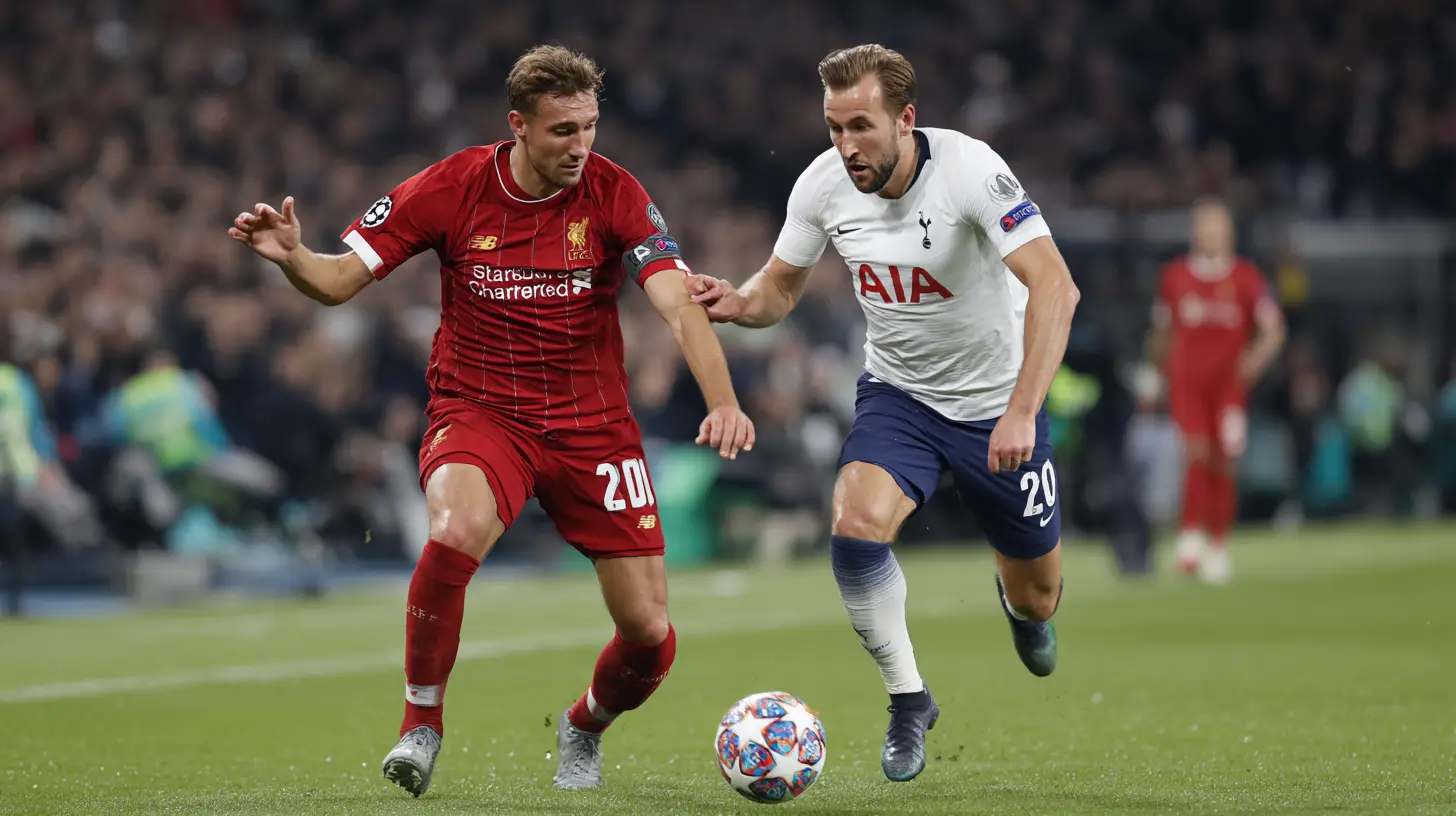
The Tactical Chess Match: High Risk, High Reward
Let’s talk tactics, but keep it simple, yeah? The 2026 final won’t be a boring 0-0 because modern football is allergic to caution. Managers today are either geniuses or madmen, and there’s no in-between. By 2026, the tactical trends will have shifted again. We’re already seeing a move away from possession-based “death by a thousand passes” football. Teams are embracing chaos—high pressing, quick transitions, and players who can dribble through a brick wall.In the final, you’ll likely see a clash between a “system” team and a “freestyle” team. Think of it as a symphony orchestra vs. a jazz band. The system team—say, Manchester City under a new manager—will try to control the game with geometric passing and positional play. The freestyle team—a Real Madrid or a Barcelona—will rely on individual brilliance, moments of madness, and sheer audacity. The result? A game that swings from structured to chaotic in a heartbeat. One minute, it’s a patient buildup; the next, it’s a counter-attack that leaves defenders looking like they’re stuck in molasses.
And let’s not forget the set pieces. In high-stakes finals, set pieces are the unsung heroes. A corner kick in the 85th minute can turn a hero into a villain. The 2026 final will have at least one goal from a dead ball—mark my words. It’s the kind of gritty, ugly goal that makes purists cringe but fans scream. Plus, with the introduction of semi-automated offside technology and potential VAR tweaks by 2026, every goal will be dissected like a frog in biology class. The drama won’t just be on the pitch; it’ll be in the review room.

The Players: Superstars and Unknowns
Every classic final needs a hero. And a villain. And a tragic figure. The 2026 final will have all three. Let’s start with the obvious: Erling Haaland. By 2026, Haaland will be in his prime—a physical freak who scores goals like it’s a video game on easy mode. If he’s in the final, you can bet your house he’ll score at least once. But here’s the twist: Haaland is also prone to disappearing in big games. Remember the 2023 UCL Final? He was invisible. So, the 2026 final will be his redemption arc or his final indictment. That’s compelling storytelling.Then there’s Kylian Mbappé. If he’s still at PSG or has moved to Real Madrid, Mbappé will be the lightning rod of the final. He’s the player who can single-handedly win a game with his pace and arrogance. But he’s also the guy who can piss off his teammates with his ego. The 2026 final could be the night Mbappé cements his legacy as the best in the world—or the night he cracks under pressure. Either way, it’s must-watch TV.
Don’t sleep on the unknowns either. Every UCL final has a breakout star. In 2019, it was Divock Origi. In 2021, it was Kai Havertz. By 2026, some 21-year-old kid from a club you barely follow will score a 90th-minute winner and become a household name overnight. That’s the beauty of football—the script is written in real-time.
The Narrative: Why This Final Will Feel Personal
Here’s the thing about classics: they’re not just about the goals. They’re about the story. The 2026 final will have layers of narrative that make it feel like a movie. Think about the geopolitical tensions. By 2026, the football world will still be recovering from the World Cup in the USA, Mexico, and Canada. Club football will be more globalized than ever, with Saudi-backed clubs, American owners, and European traditionalists fighting for supremacy. The 2026 UCL Final will be a microcosm of that struggle—a battle between old money and new money, tradition and disruption.Also, let’s not ignore the human drama. By 2026, several current superstars will be nearing retirement. Lionel Messi will likely be gone. Cristiano Ronaldo will be a memory. But their influence will linger. The 2026 final will feature players who grew up idolizing them, trying to emulate their heroes on the biggest stage. That’s emotional weight. And when emotion meets football, you get tears, hugs, and moments that transcend the sport.
Finally, the 2026 final will be played in a world that’s still reeling from the COVID-19 pandemic and its aftermath. Fans will be louder, more grateful, and more desperate for joy. The atmosphere will be electric, not because of the lights, but because of the people. When 70,000 fans sing “You’ll Never Walk Alone” or “Hala Madrid” in unison, it’s not just a song—it’s a primal scream. That energy will fuel the players and create a feedback loop of intensity.
The X-Factor: Penalties and Pure Chaos
Let’s be real: the best finals often end in penalties. It’s the ultimate equalizer. The 2026 final will almost certainly go to extra time, and it’ll probably be decided by spot-kicks. Why? Because modern football is too well-drilled for a blowout. Teams are too fit, too organized. The 2026 final will be a grind, a war of attrition where legs cramp up and minds go blank. And when it comes to penalties, anything can happen. A 19-year-old kid could step up and slot it home like he’s playing FIFA. A veteran could sky it into the stands. That’s the chaos we crave.And don’t forget the red cards. Every classic final has a moment of madness. A studs-up tackle. A headbutt. A second yellow for time-wasting. The 2026 final will have that one moment where a player loses his cool and changes the game. It’s inevitable. It’s football.
The Verdict: Why You’ll Remember This Final
Look, I’m not a prophet. I can’t guarantee the 2026 UCL Final will be perfect. But I can guarantee it will be memorable. The ingredients are all there: a legendary venue, a clash of titans, a cast of superstars, and a narrative that’s dripping with subtext. This final will be the kind of game that makes you forget to breathe. You’ll text your friends after every goal. You’ll argue about the referee’s decisions for years. You’ll rewatch the highlights until your eyes bleed.So, mark your calendars for 2026. Book your flights to Munich if you can. Or just clear your schedule and stock up on snacks. Because when the whistle blows, you don’t want to be the person who missed it. This isn’t just a final—it’s a classic in the making. And I’ll be right there with you, screaming at my TV, wondering how the hell football can be this beautiful.
all images in this post were generated using AI tools
Category:
Upcoming TournamentsAuthor:

Nelson Bryant
Discussion
rate this article
2 comments
Madalyn Walker
The anticipation surrounding the 2026 UCL Final is palpable, fueled by emerging talent and traditional powerhouses clashing on the grand stage. Each team's unique style adds layers of intrigue, promising a match that could redefine legacies and elevate the tournament's history to new heights.
August 27, 2026 at 2:33 AM
Nelson Bryant
Absolutely! The mix of fresh talent and established clubs really sets the stage for something special. I can't wait to see how this clash unfolds and what it means for the future of the tournament.
Seraphine Miller
The 2026 UCL Final has all the ingredients for a classic encounter, featuring top teams, star players, and a passionate fan base ready to spark excitement.
May 1, 2026 at 11:04 AM
Nelson Bryant
Absolutely! The mix of elite teams and fervent fans sets the stage for an unforgettable showdown. Can't wait to see it unfold!