Who Will Dominate the 2027 World Gymnastics Championships?
2 October 2026
The World Gymnastics Championships is a prestigious event that showcases the pinnacle of athletic talent in the sport of gymnastics. As we look ahead to the 2027 edition, a myriad of factors will influence which gymnasts and countries emerge as dominant forces. This article delves into the current landscape of gymnastics, analyzes emerging talents, and discusses the potential shifts that could shape the championships.
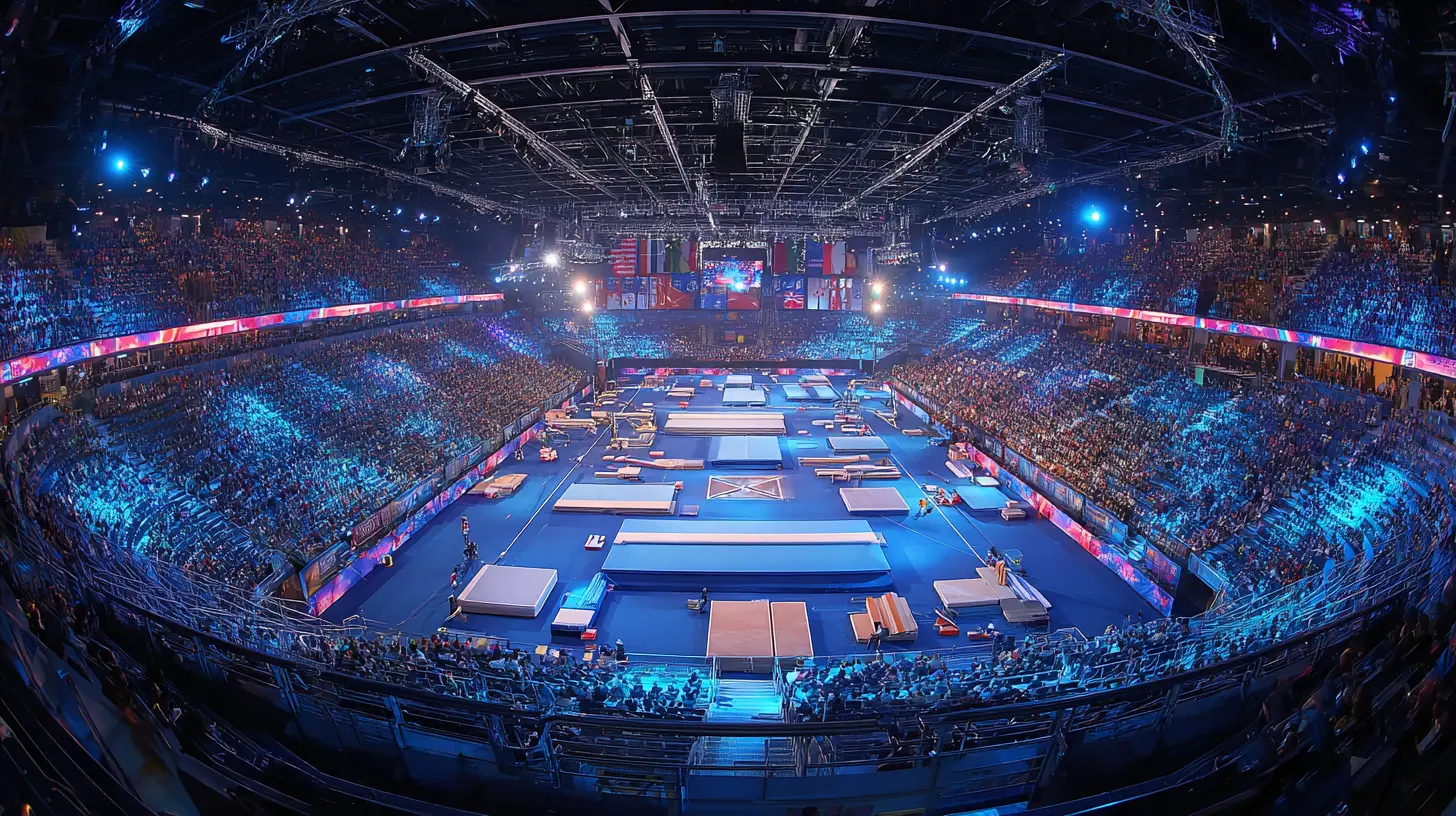
The Evolution of Gymnastics
Understanding the Current Landscape
Gymnastics has evolved significantly over the years. From the introduction of new apparatuses to the implementation of more rigorous scoring systems, the sport is continually adapting. The FIG (International Gymnastics Federation) has made strides in ensuring fairer competition, but this also means that gymnasts must continually innovate their routines to stay competitive.Key Trends Influencing Performance
As we approach the 2027 championships, several trends are worth noting:1. Increased Specialization: Gymnasts are increasingly specializing in certain events. This trend allows athletes to hone their skills in specific apparatuses, leading to higher difficulty levels and more precise performances.
2. Mental Health Awareness: The emphasis on mental well-being in sports is growing. Athletes are now more open about the pressures they face, and mental resilience is becoming a focal point in training regimens.
3. Technological Integration: The use of technology in training, from video analysis to virtual reality, is revolutionizing how gymnasts prepare. This trend is likely to continue, providing athletes with tools to refine their techniques.

Emerging Talents to Watch
Promising Young Gymnasts
As we look toward 2027, several young gymnasts are capturing attention on the international stage. These athletes have shown exceptional promise and could potentially dominate future competitions:1. Katelyn Ohashi: After her viral performances, Ohashi has continued to refine her routines, focusing on the balance beam and floor exercise. Her artistry and ability to connect with the audience set her apart.
2. Rebeca Andrade: The Brazilian gymnast has already made waves with her performances. Known for her powerful vaults and graceful floor routines, Andrade is likely to be a top contender if she maintains her trajectory.
3. Suni Lee: After her Olympic success, Lee has become a household name. Her versatility across all apparatuses makes her a formidable competitor, especially if she can continue to improve her difficulty scores.
The Role of Coaches
Behind every successful gymnast is a dedicated coach. Coaches play a crucial role in shaping an athlete's career, from technique development to mental preparation. Notable coaches to watch include:- Valeri Liukin: The former Olympic champion has a history of producing elite gymnasts. His training methods focus on precision and artistry, which could lead to future champions.
- Aimee Boorman: Known for her work with Simone Biles, Boorman has a keen understanding of the balance between pushing for higher difficulty and maintaining performance quality.
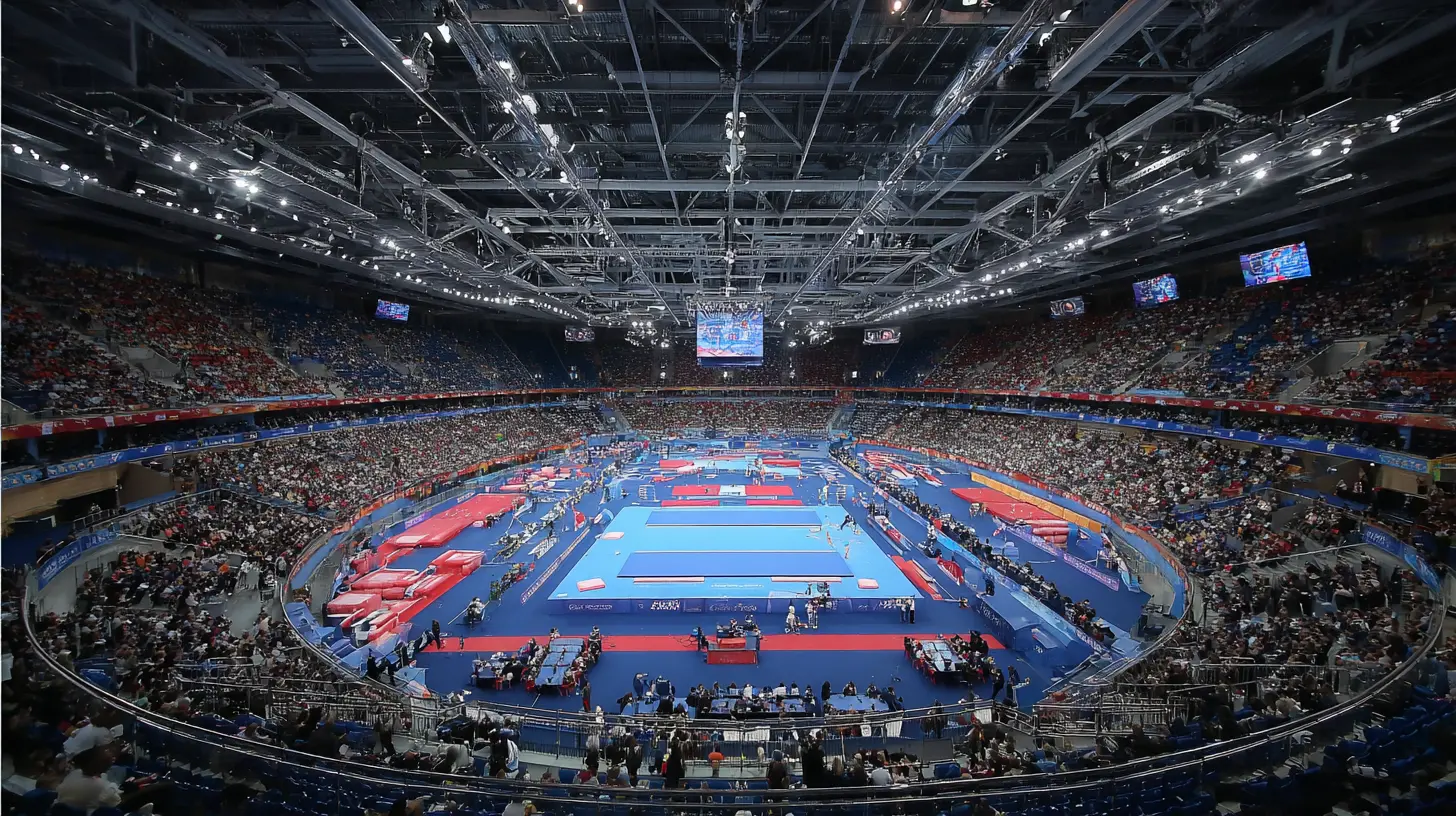
Key Factors Impacting Dominance
National Programs and Support
The strength of a country's gymnastics program can significantly impact the success of its athletes. Countries like the United States, Russia, and China have established robust training systems that nurture talent from a young age.- United States: With a focus on both artistic expression and athletic prowess, the U.S. program has produced numerous world champions. The investment in training facilities and coaching staff continues to pay dividends.
- Russia: Known for its technical excellence, Russian gymnasts often dominate in events like the uneven bars and balance beam. The rigorous training regimens and emphasis on discipline contribute to their success.
- China: With a strong emphasis on early specialization and intense training, China continues to produce top-tier gymnasts. The country's commitment to gymnastics is evident in its investment in youth programs.
The Impact of Injuries
Injuries can derail even the most promising careers. The physical toll gymnastics takes on the body is immense, and maintaining health is paramount for sustained success. Athletes must prioritize injury prevention through proper conditioning and recovery protocols.- Common Injuries: Sprains, strains, and overuse injuries are prevalent among gymnasts. A focus on strength training and flexibility can mitigate these risks.
- Mental Resilience: Injuries also affect mental health. Athletes need support systems in place to navigate the emotional challenges that come with recovery.
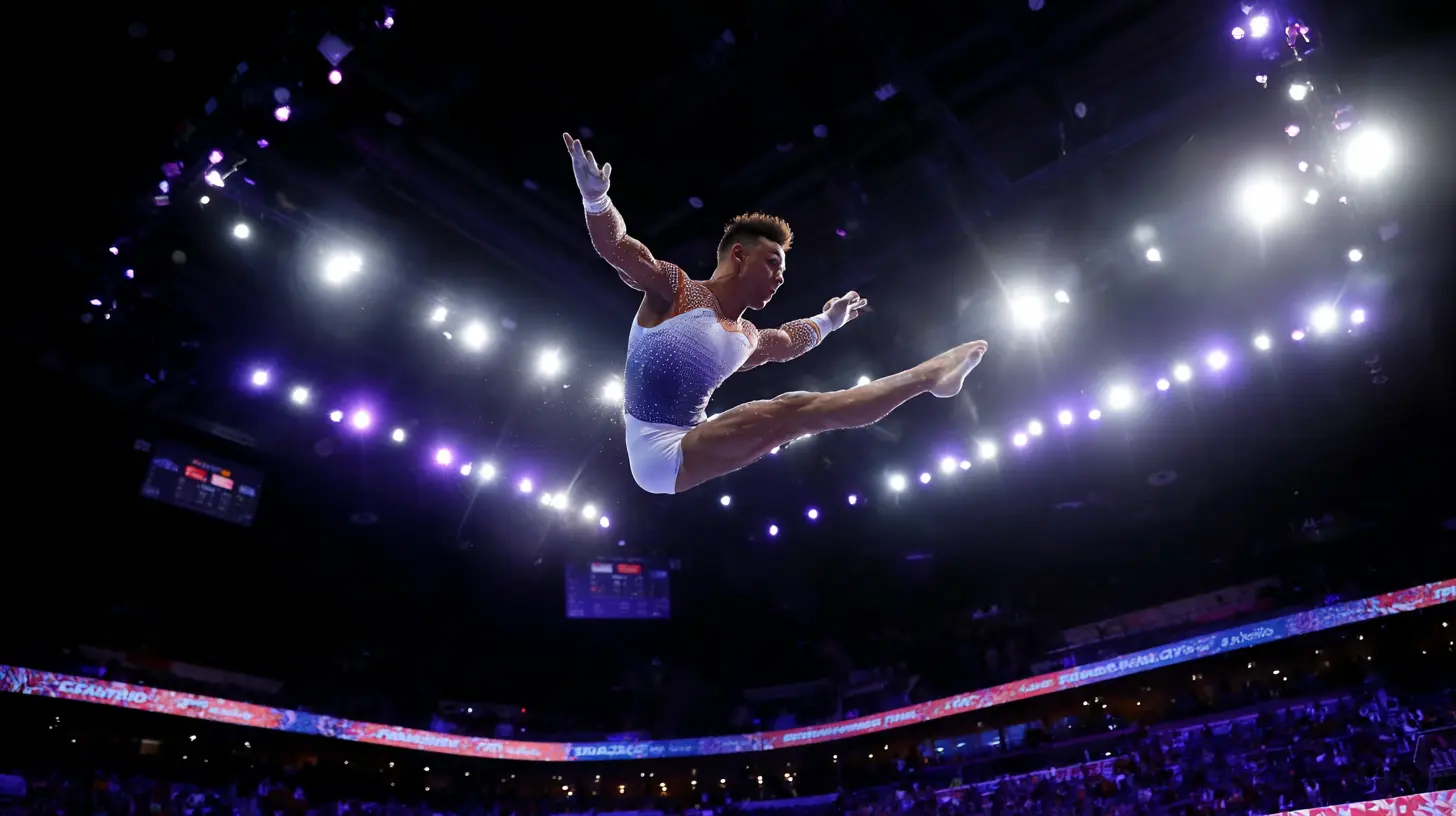
Training Strategies for Success
Building a Comprehensive Training Regimen
Successful gymnasts often follow a multifaceted training approach that balances physical conditioning, skill development, and mental preparation. Here are some strategies that can enhance performance:1. Strength and Conditioning: A well-rounded strength program is essential. Gymnasts should focus on core strength, flexibility, and overall conditioning to support their routines.
2. Skill Progression: Athletes should break down complex skills into manageable components. This method allows for gradual improvement and reduces the risk of injury.
3. Mental Training: Visualization techniques, mindfulness, and routine-building can enhance mental toughness. Athletes should incorporate mental training into their daily practice.
Avoiding Common Mistakes
While striving for excellence, gymnasts often fall into traps that hinder their progress. Here are some common pitfalls to avoid:- Neglecting Recovery: Many gymnasts push through fatigue, believing it demonstrates dedication. However, neglecting recovery can lead to burnout and injuries.
- Inconsistent Training: Regular practice is essential for skill retention. Athletes should establish routines that allow for consistent training without overexertion.
- Ignoring Nutrition: Proper nutrition fuels performance. Gymnasts need to prioritize a balanced diet that supports their training demands.
The Role of Competition Experience
Learning from Competitive Environments
Competition experience is invaluable for gymnasts. It helps them develop the ability to perform under pressure and refine their routines. Here are a few key aspects:1. Simulated Competitions: Regularly participating in mock competitions can help athletes acclimate to the pressures of actual events.
2. Analyzing Performance: Reviewing competition footage allows gymnasts to identify areas for improvement. This practice is essential for continuous growth.
3. Emotional Management: Learning to cope with competition anxiety is crucial. Athletes can benefit from strategies that help them focus and perform their best when it matters most.
Looking Ahead: Predictions for 2027
Potential Dominators
While predicting the future is fraught with uncertainty, several factors can help us speculate on potential dominators at the 2027 World Gymnastics Championships:1. Consistency in Training: Athletes who maintain consistent training regimens and remain injury-free are more likely to succeed.
2. Adaptability: Gymnasts who can adapt their routines to incorporate new skills and trends will have a competitive edge.
3. Support Systems: Those with strong coaching and mental health support are better positioned to handle the pressures of competition.
The Impact of Rule Changes
The FIG periodically updates rules and scoring systems, which can significantly affect competition dynamics. Keeping an eye on potential changes leading up to 2027 is crucial for understanding which athletes may rise to prominence.Conclusion
The 2027 World Gymnastics Championships promises to be a thrilling event filled with emerging talents and established stars. The interplay of individual dedication, national support systems, and evolving training methodologies will shape the outcomes. As gymnasts prepare for this prestigious competition, a focus on mental resilience, injury prevention, and technical excellence will be paramount.Only time will tell who will dominate, but by analyzing trends and nurturing talent, the gymnastics community can expect an exciting showcase of athleticism and artistry.
all images in this post were generated using AI tools
Category:
Upcoming TournamentsAuthor:

Nelson Bryant