What Young Athletes Are Teaching Us About Mental Health and Balance
24 November 2026
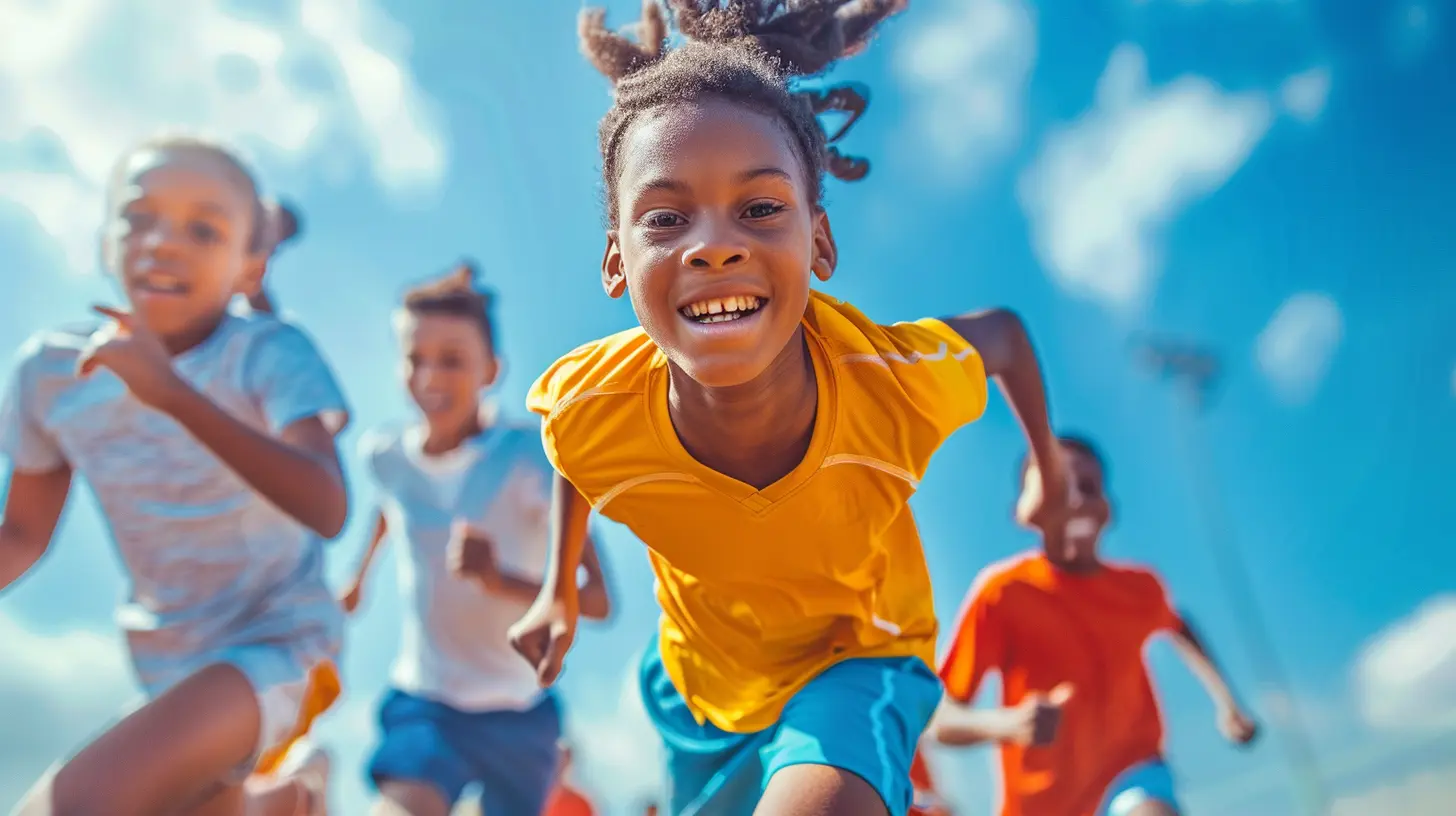
Ah, young athletes. The very embodiment of energy, enthusiasm, and an unyielding passion for sport. They are often seen sprinting across fields, dribbling basketballs, or mastering the latest TikTok dance challenge while balancing on one foot. Yet, amidst the whirlwind of competitions and social media fame, these young sports stars are also teaching us a thing or two about mental health and balance. Yes, it's not just about the trophies and medals anymore; it's about finding that elusive equilibrium between ambition and well-being.

The Pressure Cooker: A Reality Check
The Weight of Expectations
Young athletes today are under an unprecedented amount of pressure. Parents, coaches, peers, and even the sports culture itself often thrust expectations onto these kids that can be downright unbearable. There's a fine line between motivation and stress, and let's be honest, many have crossed it.Take a moment to consider this: when a kid is practicing relentlessly to secure a scholarship or earn a spot on a prestigious team, how many of us stop to ponder the mental toll that comes with it? The constant fear of failure can lead to anxiety, burnout, or worse. A study from the American Psychological Association revealed that young athletes who experience high levels of stress are more likely to suffer from mental health issues. Shocking, right? Not really. It's common sense wrapped in a lab coat.
Learning from Their Struggles
What are young athletes teaching us through this pressure? A lesson in resilience. Many are learning to navigate these emotional hurdles and manage stress effectively. They develop coping strategies that even adults struggle with. Mindfulness, meditation, and breathing exercises are no longer just buzzwords; they are tools that these young competitors are adopting to keep their mental health in check.
The Balance Beam: Finding Work-Life Harmony
The Art of Juggling
Young athletes are acutely aware of the need for balance, even if they don't realize it yet. Between school, sports, and social lives, they are essentially professional jugglers. They must prioritize their time wisely, and in doing so, they often stumble upon best practices for maintaining a healthy work-life balance.Consider the athlete who learns to say no to extra practice sessions when they feel overwhelmed. This isn't just a decision; it's a life skill that will serve them well beyond their athletic careers. They are teaching us that it's okay to step back, reassess, and prioritize mental well-being over chasing trophies.
The Trade-Offs of Commitment
However, with this balance comes trade-offs. Pursuing excellence in sports often means sacrificing leisure time, personal relationships, and sometimes even academic performance. It's a delicate dance. Young athletes face the dilemma of how much to invest in their sport without tipping the scales towards burnout.The key takeaway? It's crucial to evaluate personal goals and desires. While commitment is commendable, understanding one's limits is equally vital. Parents and coaches should facilitate open conversations about these limits rather than pushing athletes to their breaking points.

Mental Toughness: The Double-Edged Sword
The Good, the Bad, and the Ugly
Mental toughness is often glorified in sports as a key component of success. Young athletes are frequently encouraged to "push through" pain and adversity. But let's not kid ourselves; this mindset can be a double-edged sword. It can lead to remarkable achievements, but it can also foster toxic behaviors that ignore mental health needs.Knowing When to Push and When to Rest
The young athlete who runs a marathon while battling anxiety might seem like a superhero, yet that same determination can mask deeper issues. The true challenge lies in recognizing when to leverage that mental toughness and when to acknowledge that taking a step back is not a sign of weakness but a strategic decision for long-term success.A stellar example is Naomi Osaka, a young athlete who bravely stepped back from high-pressure situations to prioritize her mental health. By doing so, she not only set an example for her peers but also sparked a broader conversation about mental well-being in sports.
The Social Media Maze: A Blessing and a Curse
The Influence of Online Presence
In today's digital age, social media is a double-edged sword for young athletes. On one hand, it provides a platform for self-expression, community building, and sharing triumphs. On the other hand, the pressure to maintain a perfect online persona can be overwhelming.Young athletes are constantly bombarded with images of "ideal" lifestyles, leading to comparisons that can be detrimental to their mental health. Studies show that excessive social media use can contribute to feelings of inadequacy and anxiety. So, while they may be sharing their latest personal records, they might also be silently struggling with self-worth.
Navigating the Digital Landscape
To manage this digital minefield, young athletes are learning valuable lessons about authenticity and self-acceptance. They are beginning to understand that social media is a curated highlight reel, not the full picture. The best practice? Cultivating a healthy relationship with social media by setting boundaries. For instance, limiting screen time or unfollowing accounts that trigger negative feelings can make a world of difference.Building a Support System: Teamwork Beyond the Field
The Importance of Community
One of the most significant lessons young athletes are imparting is the value of a strong support system. Whether it's family, friends, coaches, or teammates, having a robust network can make all the difference in managing mental health.It's not just about winning games; it's about creating an environment where open discussions about mental health are encouraged. Young athletes are paving the way for future generations to speak up about their feelings without fear of judgment.
Practical Steps for Building Support
For parents and coaches, fostering a supportive atmosphere can be as simple as encouraging conversations about emotions. Organizing team-building activities that focus on camaraderie rather than competition can help athletes feel connected and understood.For young athletes themselves, seeking out mentors or peers who share similar struggles can be invaluable. It's about building a community that champions mental health as much as physical prowess.
The Role of Coaches: Mentors or Taskmasters?
The Coach's Influence
Coaches play an essential role in shaping young athletes' experiences. While some coaches are champions of mental health awareness, others can perpetuate the old-school mentality of "no pain, no gain."A coach who prioritizes mental health can significantly impact an athlete's development. They can help instill a love for the sport without the fear of judgment or failure. The key is finding a balance between pushing for excellence and recognizing when an athlete needs support.
Coaching Best Practices
Coaches should strive to create a positive environment where athletes feel safe to express their concerns. Regular check-ins and open-door policies can facilitate honest conversations. integrating mental health resources into training routines can help normalize discussions around mental wellness.Conclusion: A New Era of Athleticism
As we unpack the lessons young athletes are teaching us about mental health and balance, it's clear that we are in the midst of a cultural shift. It is no longer just about winning; it is about holistic well-being. These young athletes are redefining success, showcasing that mental health is as crucial as physical prowess.They are teaching us that vulnerability can coexist with strength and that balance is not just a goal but a lifestyle. So, let's take a page from their playbook and prioritize mental health in our own lives, both on and off the field.
all images in this post were generated using AI tools
Category:
Next Generation AthletesAuthor:

Nelson Bryant