The Story of the Harlem Globetrotters: More Than Just a Show
16 March 2026
If you’ve ever watched a group of basketball players spinning the ball on their fingers, pulling off no-look passes, and making half-court trick shots look easy—all while cracking jokes and dancing to "Sweet Georgia Brown"—chances are, you were watching the Harlem Globetrotters. But let’s get one thing straight: these guys aren’t just entertainers. They’re legends. The Harlem Globetrotters have a legacy that runs deeper than the razzle-dazzle.
So, sit tight. This isn’t just about flashy dunks and confetti-filled buckets. This is the story of perseverance, cultural impact, athletic excellence, and breaking down racial barriers—sprinkled with a whole lot of fun.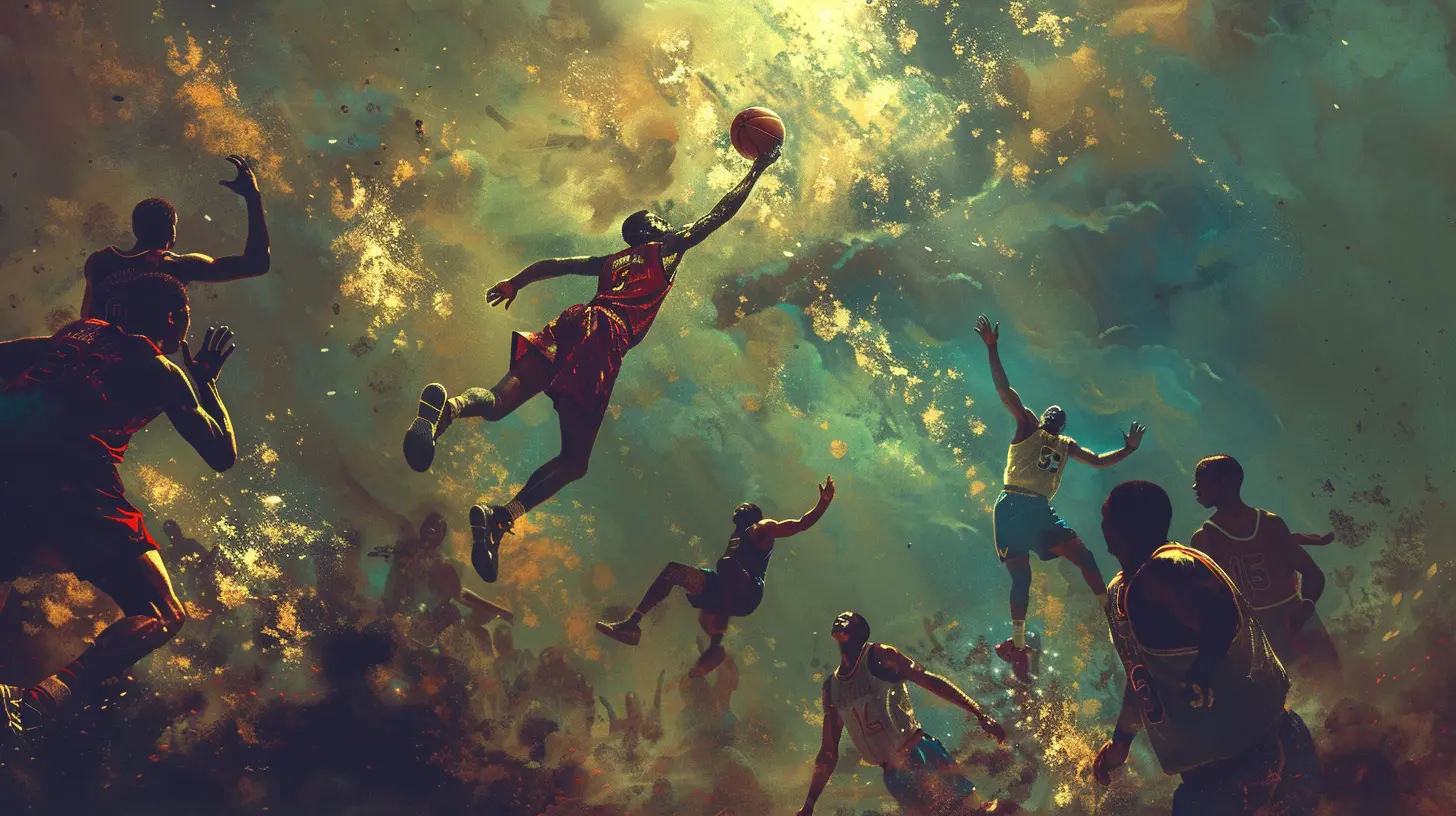
Who Are the Harlem Globetrotters, Really?
Let’s clear this up right away: The Harlem Globetrotters weren’t even born in Harlem. Weird, right? The team actually originated in Chicago in 1926, founded by a guy named Abe Saperstein, a Jewish businessman with a deep love for the game. Originally named the "Savoy Big Five," they were renamed to the Harlem Globetrotters in 1927—a nod to Harlem, which was considered the heart of African-American culture at the time.And the "Globetrotters" part? Pure flair. They hadn’t trotted the globe (yet), but the name had a nice ring to it. It sounded exotic, elite, and, well, exciting. And that's what the team wanted to bring—excitement.
From Barnstorming to Basketball Icons
In the early days, the Globetrotters were just trying to get by. Professional basketball wasn't exactly welcoming to Black athletes in the '20s and '30s. So the Globetrotters took their show on the road, playing in small gyms, school auditoriums, and community centers. They’d challenge local teams, often beating them handily.But here's the kicker—they could actually play. Like, really play. In fact, long before they became full-blown entertainers, they were seen as one of the best basketball teams in the country.
Their Big Break: Beating the Lakers
The Globetrotters’ credibility shot through the roof in 1948 and again in 1949 when they beat the Minneapolis Lakers, the NBA champs at the time, in two exhibition games. This wasn’t just a win on the scoreboard—it was a win for African-American athletes fighting for respect in a segregated America. The Globetrotters proved that Black players could dominate at the highest level.After those games, you could say the NBA had no choice but to start integrating. Just a few years later, Black players began trickling into the league.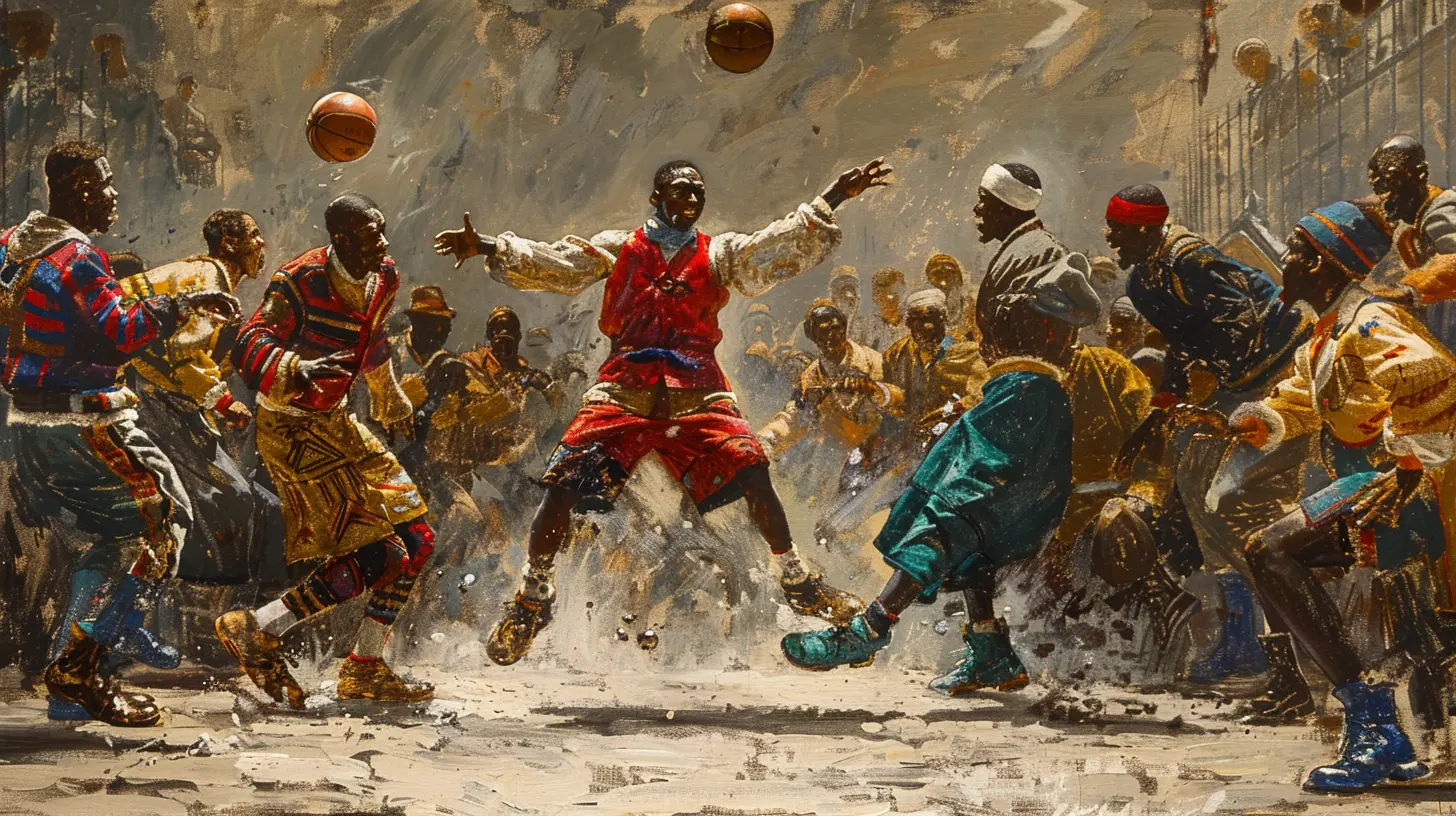
The Rise of the Showmanship
By the 1950s, the Globetrotters had begun to pivot. Fans loved the team’s personality just as much as their skill, so they leaned into it—big time. Comedy routines, crowd interaction, slick ball-handling tricks—you name it, they did it.Some might argue this move took away from their “real basketball” reputation. But in reality, they were ahead of their time. They understood that sports were as much about entertainment as competition.
And hey, they weren’t sacrificing talent for laughs. Legends like Meadowlark Lemon, Curly Neal, and Marques Haynes dazzled crowds while still bringing elite-level ball skills to the court.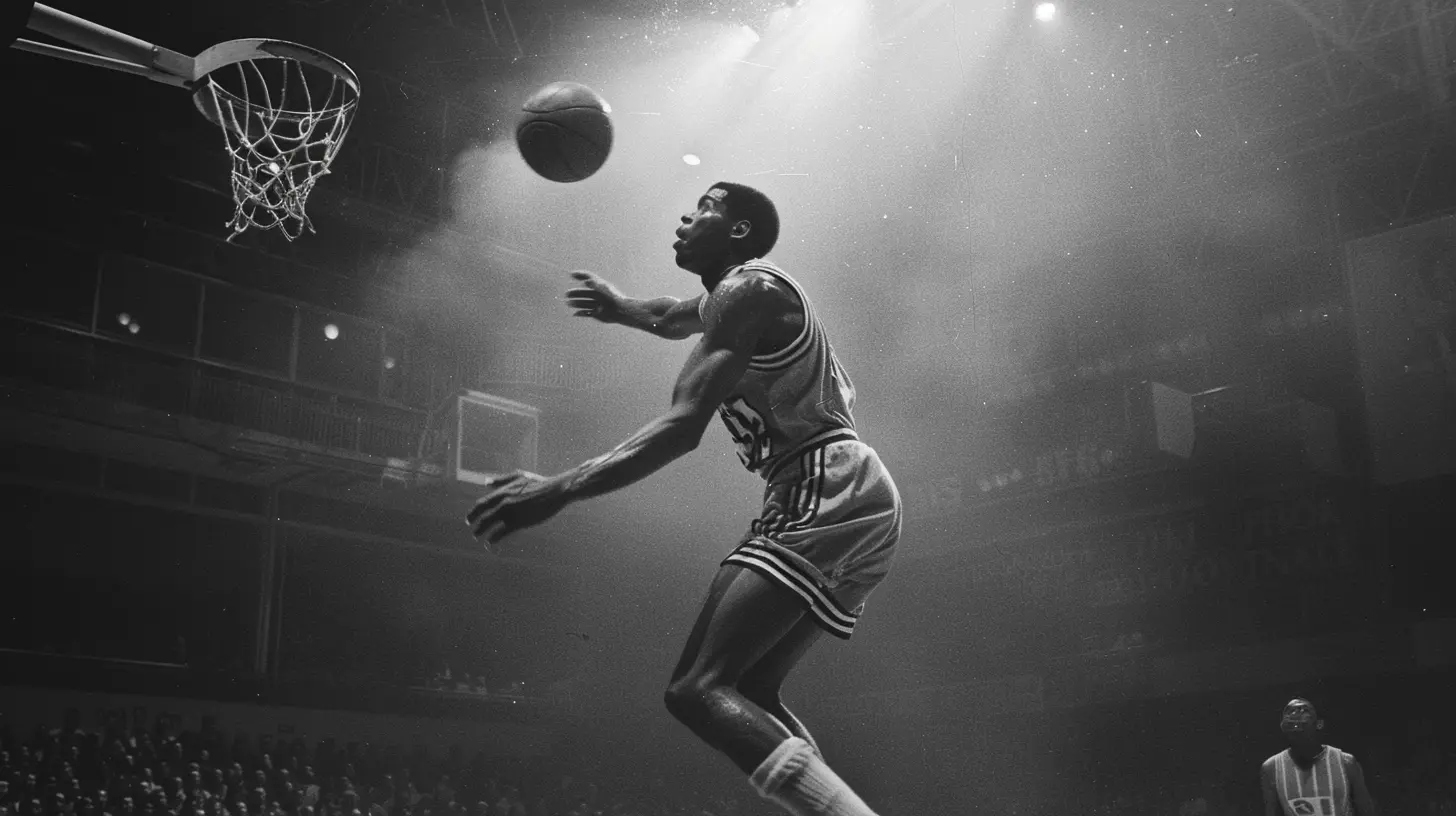
The Globetrotters vs. Everybody
What made the Globetrotters truly unique was their global influence. While the NBA was slowly growing stateside, the Globetrotters were already international celebrities. They toured across the world, even breaking cultural boundaries by playing in places like the Soviet Union during the Cold War (yes, seriously).They weren’t just ambassadors of basketball—they were ambassadors of goodwill. The U.S. State Department even used them for diplomatic missions. It’s like they were the basketball version of the Beatles, with a little more hang time and a lot more slam dunks.
The Washington Generals: The Unsung Heroes?
Okay, we've talked about the Globetrotters, but what about their lovable punching bags—the Washington Generals? The Generals have famously lost thousands of games to the Globetrotters, often playing the straight man to their comedic foil.But here’s what people don’t talk about enough: those guys can ball too. They know the routines, they have to keep up, and they often make the Globetrotters look good without stealing the spotlight. It’s like being the stunt double who never gets credited but helps make the whole movie happen.
Breaking Barriers and Changing the Game
The Globetrotters weren’t just breaking ankles—they were breaking barriers. They paved the way for Black athletes in pro basketball and changed how we think about the sport.They were one of the first teams to travel with a racially integrated roster. They challenged the norms of the Jim Crow era. And they showed that sports can be both a platform for change and a venue for joy.
Let’s not forget, some Globetrotters actually went on to impressive NBA careers. The most famous example? Wilt freakin’ Chamberlain. Yep, the guy who dropped 100 points in an NBA game played with the Globetrotters before joining the league.
The Globetrotters in Pop Culture
You can’t talk about the Globetrotters without giving them props for their pop culture dominance. These guys were everywhere.Remember those Saturday morning cartoons? From Scooby-Doo to Gilligan’s Island, the Globetrotters were regular guests on TV shows. They even had their own animated series at one point.
And that’s not even mentioning their appearances in commercials, music videos, and countless halftime shows at NBA games. They were—and still are—synonymous with fun, athleticism, and larger-than-life charisma.
Are They Still Around? Heck Yeah.
You might be wondering, "Do the Globetrotters still exist?" You bet they do.Today’s team continues to tour globally, holding upwards of 400 games a year in over 120 countries. They still juggle basketballs, do trampoline-assisted dunks, and involve kids and fans in the fun. But they also keep the torch burning for what the team has always stood for: representation, resilience, and the idea that basketball belongs to everyone.
And let’s not overlook the team’s recent efforts to rejoin the NBA as an official franchise. Yes, they’ve made a formal request. Will it happen? Who knows. But the conversation itself proves that their legacy still carries weight.
Women on the Team? You Know It.
In 1985, the Globetrotters made history again by signing their first female player, Lynette Woodard, a former Olympic gold medalist. Since then, multiple women have suited up for the team, showing that balling out isn’t just for the guys.It's inspiring to watch, not just for young girls dreaming of playing pro ball, but for anyone who thinks the game has boundaries.
The Legacy Lives On
The Harlem Globetrotters are way more than a traveling comedy show with a basketball. They're a cultural institution.They’ve shaped the landscape of sports entertainment, helped integrate professional basketball, and brought joy to millions across generations. Their mix of humor and heart always masks how much discipline, skill, and strategy are behind every bounce pass and trick shot.
They remind us that while the ball may be spinning, the mission never stops: entertain, uplift, and inspire.
Final Thoughts: More Than Just a Game
Look, if you ever get the chance to see the Harlem Globetrotters live, do it. Don’t think you're just going to watch a bunch of jokes and circus tricks. You're witnessing living history—players who carry on the legacy of hope, humor, and hoops.They took the road less traveled, danced around the rules of the game, and in doing so, redefined what basketball could be. The Globetrotters aren’t just about the show—they are the show, with soul, purpose, and a whole lot of swagger.
all images in this post were generated using AI tools
Category:
Sports HistoryAuthor:

Nelson Bryant
Discussion
rate this article
2 comments
Thistle Middleton
The Harlem Globetrotters redefine sports entertainment. They blend athleticism with artistry, demanding respect for their legacy. This isn't just a show; it's a celebration of skill, culture, and innovation!
April 11, 2026 at 12:28 PM
Nelson Bryant
Thank you! The Harlem Globetrotters truly exemplify the fusion of sport and entertainment, showcasing their unique legacy through skill and creativity.
Vaughn Peterson
The Harlem Globetrotters are a fantastic blend of skill, humor, and heart! Their unique ability to bring joy while showcasing athleticism reminds us that sports can be entertaining and uplifting. Let’s celebrate their spirit and the magic they bring to the court!
March 16, 2026 at 11:43 AM
Nelson Bryant
Absolutely! The Globetrotters truly embody the joy of sports, mixing talent with laughter in a way that captivates everyone. Their legacy goes beyond basketball, reminding us all of the power of entertainment.