The Road to Olympic Gold in 2026: A New Legend in the Making
28 April 2026
Have you ever stopped to wonder what it truly takes to forge a legend? Not the kind you read about in dusty history books, but the kind that rises from the dirt, the sweat, and the quiet, lonely hours before dawn. We’re talking about the road to Olympic gold in 2026—a journey that’s less a straight line and more a chaotic, beautiful, and brutal spiral. As the world turns its eyes toward the 2026 Winter Olympics in Milan and Cortina d'Ampezzo, a new crop of athletes is stepping into the fire. They aren’t just chasing medals; they’re chasing immortality. So, grab a coffee, settle in, and let’s peel back the layers of this epic saga. Because, let’s be honest—who doesn’t love a good underdog story that ends with a golden glow?
The Quiet Before the Storm: Why 2026 Feels Different
Let’s set the stage. The 2026 Winter Olympics aren’t just another quadrennial gathering. They’re a return to Italian soil after two decades, and Italy has a way of turning sport into art. But beyond the stunning Dolomites and the historic ice rinks, there’s something else brewing. The air is thick with the scent of change. The old guard—the legends who dominated the 2010s—are either retiring or fading. This vacuum isn’t a void; it’s an invitation. It’s a blank canvas for a new generation of athletes who grew up watching YouTube tutorials of their heroes, not VHS tapes.Think of it like this: The road to Olympic gold in 2026 is a poker table where the chips are dreams, and the deck is being reshuffled. The question isn’t if a new legend will emerge, but who will have the guts to go all-in. We’re talking about athletes who have spent four years—no, a lifetime—training in obscurity, often with a single-minded obsession that borders on madness. And honestly? That’s exactly what it takes.
The Anatomy of a Legend: More Than Just Talent
Grit Over Glitter: The Unseen Hours
You know what’s not in the highlight reels? The 4 a.m. wake-up calls. The frostbitten fingers. The crashes that leave scars, both physical and mental. When we talk about the road to Olympic gold in 2026, we’re really talking about a brutal transaction: you trade comfort for excellence. Take the story of a young alpine skier from Colorado, for instance. She’s been clocking 150 days a year on snow since she was seven. Her parents remortgaged their house to fund her travel. She’s broken her collarbone twice, her wrist once, and her heart a dozen times after near-misses in junior championships.But here’s the twist: talent is common. Grit is rare. The new legends—the ones who will stand on the podium in Cortina—aren’t necessarily the fastest in practice. They’re the ones who can take a brutal fall, get up, and still smile at the camera. They’re the ones who treat failure like a teacher, not a tombstone. It’s a mindset that separates the Olympic champion from the also-ran.
The Mental Game: Your Brain Is the Real Arena
Let’s be real for a second: the physical part of becoming an Olympic gold medalist is hard, but the mental part is a minefield. Imagine standing at the top of a ski jump, staring down a ramp that looks like a cliff. Your heart is pounding, your legs are shaking, and 50 million people are watching live. One wrong move, and you’re not just losing—you’re a meme. The pressure is suffocating.The athletes on the road to Olympic gold in 2026 are using tools their predecessors never had: sports psychologists, meditation apps, even virtual reality simulations to rehearse the moment. They’re hacking their own brains. They practice visualization so intensely that their bodies believe they’ve already won. It’s like planting a flag in the future and then walking backward to meet it. That’s not just training; that’s sorcery.
The Contenders: Who’s Warming Up in the Shadows?
The Speed Demons: Skiing and Snowboarding
Let’s talk about the speed events—downhill skiing, super-G, snowboard cross. These are not sports for the faint of heart. They’re for adrenaline junkies who look at a 90-mile-per-hour descent and think, “I can shave off a tenth of a second.” One name you’ll hear a lot is Marco Odermatt from Switzerland. He’s already a giant in the World Cup circuit, but Olympic gold has eluded him. In 2022, he took bronze in giant slalom. For him, 2026 is personal. It’s the difference between being “great” and being “legendary.”But don’t sleep on the Americans. Mikaela Shiffrin, despite her staggering 80+ World Cup wins, has had a rocky Olympic history. She’s the GOAT in slalom, but the gold medal in 2026 could be her redemption arc. Picture it: a veteran who has faced public failure, who has cried on camera, and who comes back stronger. That’s the stuff of myth.
The Ice Warriors: Figure Skating and Speed Skating
Figure skating is where drama meets athleticism. The 2026 Games will likely feature a new generation of skaters who grew up watching Yuzuru Hanyu and Nathan Chen. But here’s the kicker: the sport is evolving. Quads are now the norm, not the exception. The road to Olympic gold in 2026 for a figure skater means landing a quadruple axel—a jump that was once considered impossible. It’s like asking a ballet dancer to also be a rocket scientist.And then there’s speed skating. The Dutch are always the team to beat, but watch out for a young Canadian skater who’s been breaking junior records like they’re made of glass. She’s been training on a frozen lake in Manitoba because the rink in her town closed. She’s the embodiment of the phrase: “If you want something done, do it yourself.”
The Wild Cards: New Sports and New Faces
Here’s where it gets juicy. The 2026 Olympics will feature several new events, including ski mountaineering. Yes, you read that right—racing up and down mountains on skis. It’s a sport that combines endurance, strategy, and a total disregard for personal safety. The first-ever gold medalist in this event will be a legend by default. Who will it be? A French alpinist? A Swiss guide? A gritty American from a town you’ve never heard of? That’s the beauty of the unknown.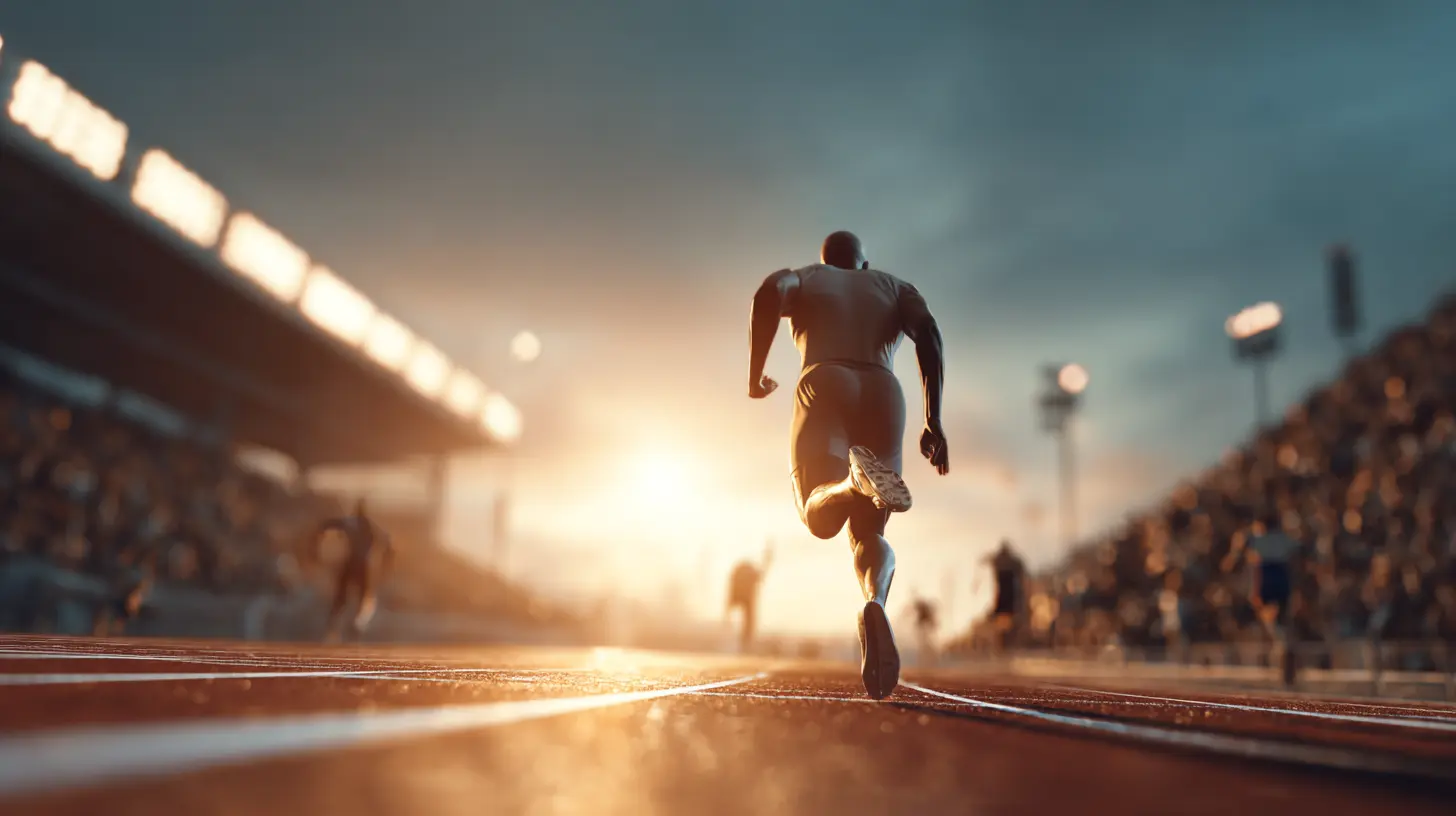
The Italian Factor: Why Home Soil Matters
Let’s not forget the host nation. Italy has a rich Olympic history, but they’re hungry for more. The 2026 Games are a chance for Italian athletes to shine in front of their own fans. Imagine the roar of the crowd when an Italian skier crosses the finish line first in Bormio. It’s electric. It’s primal. It’s the kind of energy that can turn a good athlete into a great one.But there’s a flip side: home pressure. It can crush you. The road to Olympic gold in 2026 is littered with athletes who cracked under the weight of national expectation. The Italians will have to walk a tightrope between passion and composure. It’s like playing a concert for your own family—every mistake is magnified.
The Role of Technology: The Invisible Coach
We can’t ignore the elephant in the room—or rather, the data center. Technology is reshaping how athletes prepare. Wearable sensors track every heartbeat, every stride, every micro-movement. Coaches use AI to analyze race lines and predict optimal strategies. Some teams are even using wind tunnels and motion-capture suits, straight out of a sci-fi movie.But here’s the catch: too much data can paralyze you. The best athletes learn to filter the noise. They use technology as a tool, not a crutch. The road to Olympic gold in 2026 is a dance between human instinct and machine precision. And the ones who master that dance? They’ll be the ones standing on the podium.
The Unforgiving Clock: Why 2026 Is Now or Never
Let’s get real about time. For many athletes, 2026 is their last shot. The average age of an Olympic champion in winter sports is around 26. By 30, most are retired or past their prime. So for a 24-year-old today, 2026 is the sweet spot. For a 28-year-old, it’s a desperate gamble.Take the example of a bobsledder from Jamaica. Yes, Jamaica has a bobsled team—the Cool Runnings legacy lives on. But this isn’t a comedy. This is a team that trains in 90-degree heat, pushing sleds on wheels, dreaming of ice. Their window is tiny. If they don’t medal in 2026, the funding dries up. The dream dies. That’s the razor-thin margin between glory and obscurity.
The Unsung Heroes: Coaches, Families, and Sacrifice
We talk a lot about athletes, but let’s give some love to the people behind them. The parents who drive 12 hours to a competition. The coaches who sleep on couches to save money. The siblings who give up their own dreams so the athlete can chase theirs. The road to Olympic gold in 2026 is paved with their tears, too.I remember talking to a speed skater’s mother once. She said, “We haven’t had a proper vacation in eight years. Every trip is to a rink. Every meal is planned around training. But when I see her smile on the podium, it’s all worth it.” That’s the kind of love that fuels legends.
The Dark Side: Injuries, Burnout, and Mental Health
Let’s not sugarcoat it. The road is brutal. Injuries are common. Burnout is rampant. Mental health struggles are real. In the last Olympic cycle, several top athletes withdrew due to anxiety and depression. The pressure is immense, and the system doesn’t always support them.But here’s the hopeful part: the conversation is changing. Athletes are speaking out. Teams are hiring mental health professionals. The stigma is fading. The road to Olympic gold in 2026 isn’t just about physical strength; it’s about emotional resilience. The new legend won’t just be a champion; they’ll be a survivor.
The Final Lap: What Will the Moment Look Like?
Picture this: It’s February 2026. The air in Cortina is cold and crisp. The crowd is a sea of flags and scarves. The skier, the skater, the snowboarder—they stand at the start line. Everything has led to this moment. The years of pain. The doubt. The sleepless nights. The sacrifices of everyone they love.The gun goes off. Or the music starts. Or they push off the edge. And in that split second, they are not just an athlete. They are a story. They are the culmination of a journey that began long before they were born—in the dreams of their parents, in the legacy of their sport, in the hope of a nation.
And when they cross the finish line, when the time is frozen on the clock, when the gold medal is placed around their neck—that’s not the end. That’s the beginning of their legend.
Why You Should Care
You might be thinking, “I’m not an athlete. Why does this matter?” Because the road to Olympic gold in 2026 is a metaphor for every big goal you’ve ever had. It’s about showing up when no one is watching. It’s about falling down and getting back up. It’s about believing in something so deeply that you’re willing to risk everything.So, as we count down to 2026, keep an eye on the underdogs. Watch the ones who train in the dark. Listen to the stories that don’t make the headlines. Because somewhere out there, right now, a new legend is being made. And you have a front-row seat.
all images in this post were generated using AI tools
Category:
Career MilestonesAuthor:

Nelson Bryant
Discussion
rate this article
2 comments
Ulrich Carey
While the prospect of a new legend is exciting, the focus should also be on the hard work and teamwork that truly define Olympic success.
August 22, 2026 at 12:13 PM
Nelson Bryant
I completely agree. While new legends inspire us, it's the dedication and collaboration behind the scenes that truly pave the way for success.
Shelby McManus
Exciting times ahead! The journey to 2026 will showcase incredible talent and inspire a new generation.
April 28, 2026 at 3:07 AM
Nelson Bryant
Absolutely! It's a thrilling path ahead, and I can't wait to see the talent shine.