The Rise of Social Media in Live Sports Streaming
4 July 2026
Let’s be honest—sports have always been about more than just the final score. It’s about the shared excitement, the rush of adrenaline when your team scores, and the collective groan when they miss a crucial goal. Now imagine experiencing all that in real-time with millions across the world through your phone. That’s the magic brewing with the rise of social media in live sports streaming.
Over the past decade, the way we watch sports has taken a complete U-turn. Traditional cable? That’s starting to feel like VHS tapes—nostalgic but a bit outdated. Social media? It’s the new stadium, where fans gather, shout emoji cheers, stream games, and engage directly with athletes and fellow fans.
In this article, we’ll dive into how social media has revolutionized live sports streaming, what makes it so addictive for fans, and why this trend isn’t just a phase—it’s the future.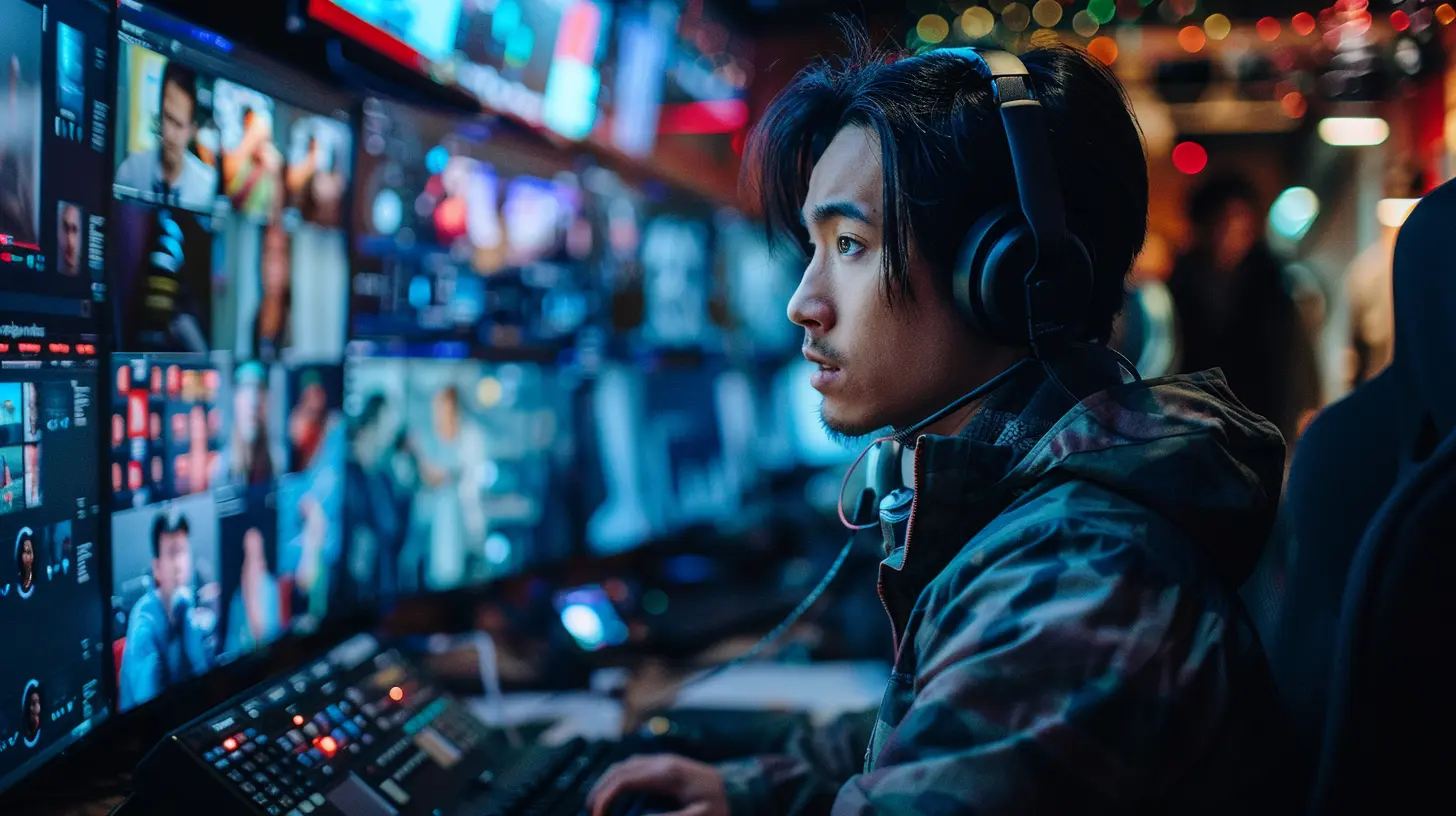
The Evolution of Sports Broadcasting: From TV Screens to News Feeds
Remember the days when catching a live game meant being glued to your TV set at exactly 7:30 PM, remote in hand, and snacks ready? If you missed it, your only hope was the next day’s newspaper. Times have changed—big time.Streaming services disrupted traditional broadcasting, but social media? It upended it. Platforms like Facebook, Twitter (now X), Instagram, and YouTube didn’t just join the party—they started hosting it.
The Early Days: Social Media as the Hype Machine
Initially, social platforms were just the hype-builders. They teased fans with pre-game videos, highlight reels, and post-game memes. But fans weren’t satisfied with crumbs—they wanted the full course. And soon enough, that's what they got.The Shift: Social Media Becomes a Streaming Platform
Around 2016, something clicked. Twitter started live-streaming NFL games. Facebook Live tried its hand with soccer matches. YouTube broadcasted cricket tournaments. The response? Fans showed up in droves. It was clear—social media wasn’t just for commentary anymore. It was the arena.
Why Fans Are Flocking to Social Media for Live Sports
Let’s break it down. Why would someone choose to watch a game on Twitter or YouTube instead of ESPN or Sky Sports? The answer lies in accessibility, engagement, and community.1. It's Where the People Are
At any given moment, billions of people are scrolling through their social feeds. So when a live game pops up on your timeline, watching doesn’t require juggling remotes or signing into apps. It’s seamless. It's instant. It's one tap away.2. Free Is Everyone’s Favorite Price
Most social media live streams are free. No cable subscriptions. No expensive sports packages. Just click and watch. For younger fans, students, or people tired of paying for 10 different services, this is a godsend.3. Real-Time Interaction = Next-Level Experience
Watching a game on TV means yelling at the screen. Watching on social media means yelling with others. You can comment, react, post GIFs, and even tag friends mid-game. It’s like being at a virtual sports bar—with the world.4. Behind-the-Scenes Access
Social platforms often feature exclusive content you won’t get on TV. Think locker room chats, player live Q&As, halftime banter, and fan cams. It makes the experience more personal and intimate—like you’re part of the team.
Athletes and Teams Are All-In Too
It’s not just fans who love this trend—athletes and teams are thriving in this new setup. Social media has allowed teams to build loyal online communities that stretch across borders and time zones.Direct Fan Engagement
Players no longer need a press conference to speak to fans. A quick Instagram story or a TikTok video after a game gives their followers a sneak peek into their lives, their emotions, and even their celebrations.Building Personal Brands
Let’s face it, athletes today aren’t just players—they’re influencers. With millions of followers, players can promote their causes, launch fashion lines, or even start podcasts. Social media has turned them into more than sports stars—it’s made them media moguls.
How Leagues Are Capitalizing on the Trend
Major sports leagues aren’t sitting back and watching this unfold—they’re jumping in feet first.NFL, NBA, and UEFA Go Digital
Most top leagues now have official partnerships with social platforms. The NFL teamed up with Twitter. The NBA dishes out highlights on Instagram like candy. UEFA features live match clips on TikTok. These aren’t just marketing tricks—they’re strategic moves to capture younger, digital-native audiences.Esports: The Blueprint That Changed the Game
Before traditional sports fully embraced livestreaming, Esports was already crushing it. Twitch became the place for gaming tournaments, and that success helped pave the way for traditional sports to follow suit.Now, sports leagues are using those same tactics—highlight reels, real-time chat, influencer collabs—to make their own live streams more interactive and engaging.
Challenges and Roadblocks: Not All Sunshine and Goals
Of course, live sports on social media isn’t perfect. There are still hurdles to jump and some head-scratching issues to solve.Piracy and Copyright Issues
Let’s be real—streaming sports for free online raises a big red flag. Pirated streams are everywhere and it's hard to police millions of uploads. Social media platforms have had to invest heavily in AI and moderation tools to combat this.Latency and Lag
Ever had that awkward moment when your neighbor cheers for a goal, and your stream is still buffering? Yeah, that can kill the vibe. Social platforms are working on reducing latency to make streams truly “live.”Revenue Loss for Traditional Broadcasters
With more eyeballs shifting online, traditional networks are losing ad dollars. This tension between old media and new media is far from over. The future will probably see a mix—a hybrid model that tries to make the best of both worlds.The Future of Live Sports Streaming: What’s Next?
So, where are we headed? Will TV channels vanish? Will TikTok be the new ESPN? Let’s look at a few crystal-ball predictions.Augmented Reality and Virtual Arenas
Tech is maturing, and soon, social media might offer AR/VR experiences where fans can feel like they're sitting courtside—without leaving their couch. Imagine watching a match through your VR headset while chatting with friends in real time. Sounds wild, right? But it’s closer than you think.Smaller Screens, Bigger Engagement
Phones and tablets will continue to dominate the streaming space. But expect smarter UIs, multi-angle replays, live polls, and gamified viewing to become standard features. Watching a game might feel more like playing one.One Tap Merch and Tickets
Social media is turning into a one-stop-shop. See a jersey you love during a live stream? Tap to buy. Want tickets to next week’s match? Tap to reserve. The merging of content, commerce, and community is going to explode.Final Whistle: What This Means for You
The rise of social media in live sports streaming has changed the way we watch, talk about, and interact with sports. It’s no longer a solitary activity or something only cable subscribers can enjoy. It’s dynamic, inclusive, and interactive.Whether you're a diehard fan watching every minute or someone who hops in for the highlights and memes, social media lets you choose your experience.
And honestly? It’s kinda beautiful. Because at the end of the day, sports bring us together—and now, more than ever, we can all be part of the action. No matter where we are.
So the next time your team scores a last-minute game-winner, don't just cheer—go ahead and share it. The world’s watching with you.
all images in this post were generated using AI tools
Category:
Live StreamingAuthor:

Nelson Bryant
Discussion
rate this article
1 comments
Kenneth McQuillen
Social media's impact on live sports is undeniable. It enhances fan engagement and brings communities together. However, we must balance this instant connection with the authenticity of the game, ensuring the experience remains genuine.
July 8, 2026 at 10:34 AM
Nelson Bryant
You make a great point. While social media boosts engagement, preserving the authenticity of the game is crucial for lasting connections.