The Rise of Extreme Sports: A New Era of Athleticism
25 February 2026
Once upon a time, athletic glory meant running on a track, scoring goals on the field, or dunking a basketball. Traditional sports have long been the cornerstone of athletic culture. But the tides are shifting. These days, if you want to see gravity-defying stunts, jaw-dropping courage, and athletes pushing the boundaries of physical and mental endurance—you look to extreme sports. This isn't just a trend; it's a full-blown movement.
So what's behind the adrenaline-charged rise of extreme sports? Let’s dig into the world of thrill-seekers, daredevils, and unconventional athletes who are redefining fitness, pushing limits, and flipping the world of sports on its head.
What Are Extreme Sports, Anyway?
Before we dive too deep, let’s get one thing straight—what qualifies as an “extreme” sport? Unlike mainstream sports, extreme sports involve a high degree of risk. We’re talking about activities like skateboarding, snowboarding, rock climbing, BMX biking, surfing, parkour, wingsuit flying, and base jumping.These sports typically involve speed, height, intense physical exertion, and, you guessed it—danger. But that’s part of the thrill. It’s not about playing it safe; it’s about testing human limits.
The Adrenaline Appeal: Why People Are Hooked
Ever notice how people light up when they talk about skydiving, mountain biking, or cliff diving? That’s adrenaline working its magic.Extreme sports offer a unique cocktail of physical challenge mixed with mental exhilaration. Think of it as a rollercoaster you have complete control over. Athletes seek that natural high that comes from pushing through fear and uncertainty. It’s the ultimate stress relief—intense focus, total presence, and that sweet, sweet dopamine rush when you land a trick you’ve been working on for months.
Technology’s Role in Extreme Sports Explosion
Let’s be honest—none of this would be going mainstream without a little help from technology. GoPro cameras, action drones, and smartphones have transformed how we experience extreme sports.Here’s how tech fuels the fire:
- Instant Replay in HD: Athletes can review their performance, tweak techniques, and share epic fails and wins with the world.
- Global Sharing: Social media platforms like Instagram, YouTube, and TikTok have become digital playgrounds for extreme sports content. A single viral video of a skateboard flip over a moving train can rack up millions of views overnight.
- Training Tools: Virtual reality, wearable tech, and advanced gear help athletes train smarter, not harder.
Add to that the rise of streaming platforms airing X-Games, Red Bull competitions, and rock climbing championships, and you've got a recipe for cultural dominance.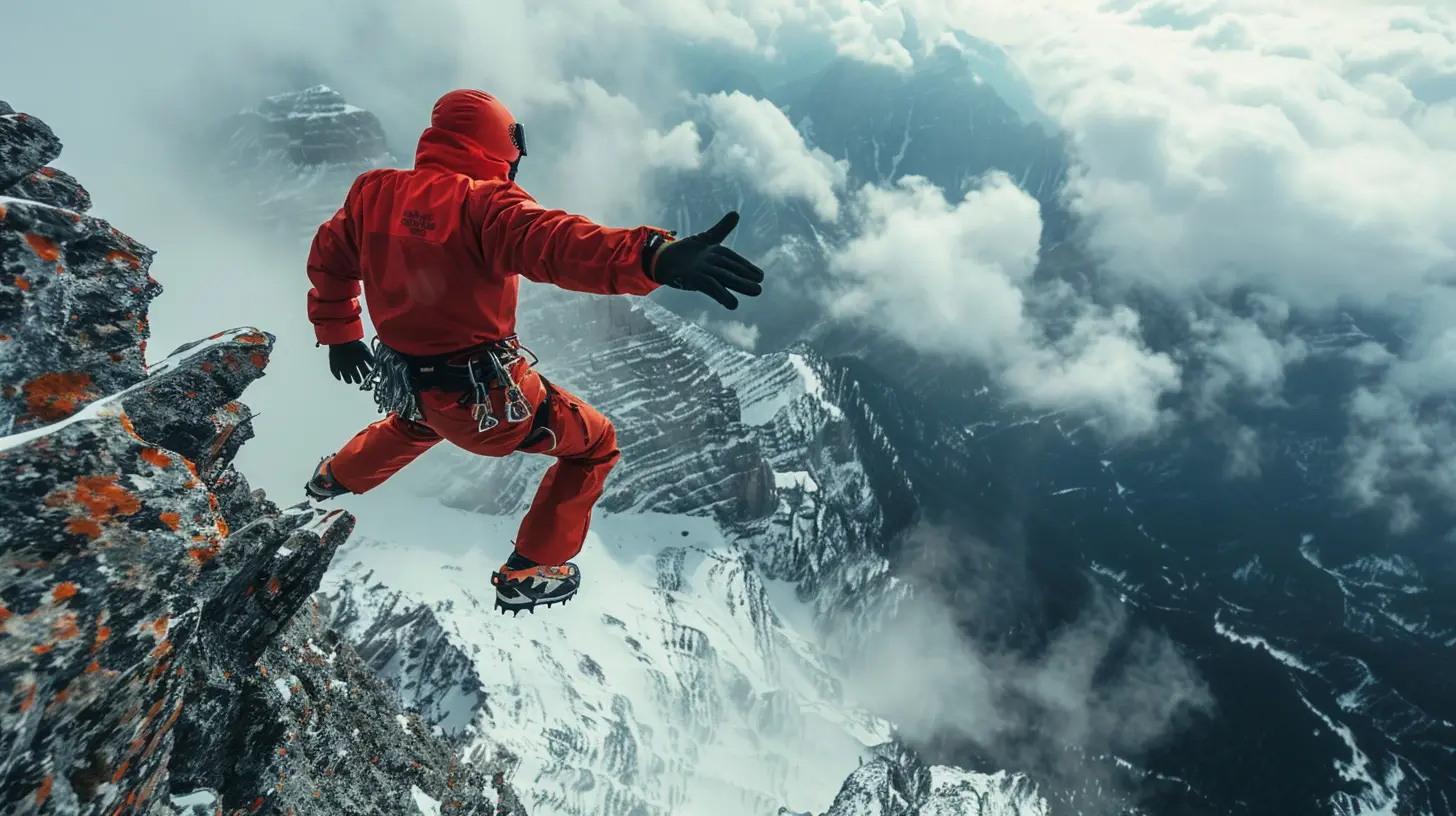
A New Breed of Athlete
Extreme athletes don’t always look like your typical jocks. Some are lean and wiry; others are flexible and agile. What they all share? Mind-blowing levels of focus, creativity, and guts.Unlike traditional sports, which often follow rigid rules and structured plays, extreme sports thrive on individuality. Athletes are constantly inventing new tricks, new lines, and new ways to defy the laws of physics. These are modern-day explorers—with a skateboard or parachute instead of a compass.
Many started as kids playing in their backyards or building ramps in their neighborhood. Some never trained formally but honed their skills through sheer persistence and street smarts. It’s raw talent meets relentless passion.
From Fringe to Mainstream: The Evolution
It wasn't that long ago that extreme sports were considered a rebellious pastime, something for anti-establishment teens with energy to burn and nothing to lose. Fast forward to today, and they’re Olympic events.Yeah, you read that right.
- Skateboarding and Surfing debuted at the Tokyo 2020 Olympics, and they’re here to stay.
- Climbing, another high-adrenaline sport, also made its Olympic debut, showcasing the precision and strength required to scale vertical walls like Spider-Man.
And let’s not forget snowboarding, which was once dismissed as a fringe hobby but is now one of the most anticipated events at the Winter Games.
Mental Grit and Physical Prowess
Extreme sports don’t just demand physical prowess—they require iron-clad mental strength. These athletes have to silence fear, stay calm under pressure, and make split-second decisions that could mean the difference between landing a trick and landing in the hospital.In many ways, this mental game is just as intense as the physical one. Meditation, visualization, and breathing techniques are all part of an extreme athlete's toolkit.
Ever tried to ride a bike down a mountain trail at 40 mph while dodging rocks and trees? It’s not just about muscle—it’s about mindset.
Risk vs. Reward: The Double-Edged Sword
Let’s not sugarcoat it—extreme sports are risky.Broken bones, concussions, and worse aren’t uncommon. But that’s part of the appeal. It’s not about being reckless; it’s about calculated risk. These athletes train hard, use top-tier safety gear, and constantly test their skills in controlled environments before going big.
The reward? Personal growth, unmatched thrill, and a unique sense of accomplishment. Overcoming fear and pushing the boundaries of what’s possible can be addictively fulfilling.
Still, the dangers are real, and newcomers should always proceed with caution, proper training, and respect for the sport.
Youth Culture and the Rise of DIY Sports
You know what makes extreme sports especially cool? They’re super DIY.Don’t have access to a stadium, coach, or pricey equipment? No problem. A skateboard, a helmet, and a bit of pavement are enough to get started. Kids all over the world are creating skate parks out of abandoned areas, building ramps in basements, and filming tricks for YouTube.
This low barrier to entry is part of why extreme sports have captivated youth culture. It’s inclusive, expressive, and often community-driven. Plus, there’s something empowering about mastering a trick without anyone telling you how to do it.
Brands, Sponsorships & Big Bucks
Money tends to follow attention—and extreme sports are no exception. What started in parking lots and empty pools is now a billion-dollar industry.- Big brands like Red Bull, Nike, and Monster Energy are throwing serious cash at extreme sports athletes and events.
- Sponsorship deals, merchandise, and brand collaborations are becoming more common.
- Athletes like Tony Hawk, Shaun White, and Leticia Bufoni have turned their talents into empires.
Suddenly, the kid kickflipping on his driveway could end up with a signature shoe line and millions of followers on Instagram.
Gender Inclusion and Breaking Stereotypes
Another cool part of the extreme sports wave? It’s shaking off outdated norms and inviting everyone to the party. Female athletes are killing it in what used to be male-dominated arenas.Women like Sky Brown, Jamie Anderson, and Alex Puccio are proving that grit and talent know no gender. Plus, the space is becoming more inclusive to non-binary and LGBTQ+ athletes, too.
Extreme sports, in many ways, celebrate individuality over conformity. It’s about pushing your boundaries, no matter who you are or what you look like.
The Wellness Connection: Not Just for Thrills
Believe it or not, extreme sports aren't just about chaos. They’re also incredibly therapeutic.Many athletes describe their sport as a form of meditation. When you're base jumping or climbing a cliff, your mind isn’t wandering. You’re 100% in the moment. That flow state? It’s one of the best natural stress reducers out there.
- Increased focus
- Heightened self-confidence
- Greater emotional resilience
- Physical health benefits
All these perks come baked into the extreme sports experience. No gym membership required.
The Future of Extreme Sports
So, where are we headed?Honestly, the future of extreme sports looks wild and limitless. As technology improves and safety gear evolves, we’ll probably see new sports emerge and existing ones go even more mainstream.
Virtual reality could open doors to extreme sports training without the immediate danger. Augmented reality competitions? Maybe. AI-coaching for parkour runners? Who knows. The sky isn’t the limit anymore—it’s just the beginning.
And as generation after generation discovers the thrill of going big, the extremes will just keep getting… well, more extreme.
Final Thoughts: Not Just a Phase
Let’s make one thing crystal clear: extreme sports aren't just a youth fad or a passing craze. This is a shift in how we view athleticism, creativity, and risk.Yes, it's about pushing boundaries—sometimes literally off the side of a cliff. But it’s also about passion, individuality, and the relentless pursuit of what’s possible. Whether you're watching from the sidelines or gearing up for your next ride, one thing’s for sure—we are in a new era of athleticism.
And honestly? It's exhilarating.
all images in this post were generated using AI tools
Category:
Sports HistoryAuthor:

Nelson Bryant
Discussion
rate this article
2 comments
Daniella Bowers
Extreme sports are redefining athleticism, pushing boundaries and inspiring a new generation of athletes. It's thrilling to see how these dynamic activities promote creativity, resilience, and a passion for adventure!
April 3, 2026 at 3:52 AM
Nelson Bryant
Thank you for your insight! Extreme sports truly do encapsulate the essence of pushing limits and fostering innovation in athletics.
Lark Mason
The rise of extreme sports marks an exciting shift in athleticism, pushing traditional boundaries and redefining competition. With athletes embracing innovative techniques and pushing their limits, this new era not only captivates audiences but also inspires a fresh generation to pursue adventure and creativity in sports.
March 1, 2026 at 1:13 PM
Nelson Bryant
Thank you for your insightful comment! I completely agree—extreme sports are indeed transforming athleticism and inspiring a new wave of creativity and adventure in sports.