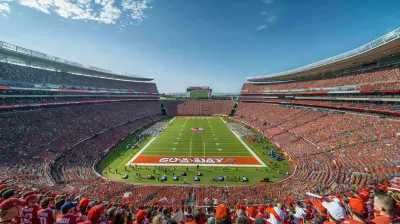
The Relationship Between Fans and Sports Journalists
18 May 2026
Sports have an incredible way of bringing people together. Whether it's a last-second touchdown, a buzzer-beater in basketball, or a walk-off homer in baseball, these moments create memories that fans cherish forever. But have you ever stopped to think about the people who bring these moments to life outside the stadium? Sports journalists play a huge role in shaping how we experience and interpret the games we love.
The connection between fans and sports journalists is a fascinating one. It's built on passion, trust, and sometimes, even frustration. But at the end of the day, both parties share a common goal—celebrating the beauty of sports. Let’s dive into this unique relationship and explore how it influences the way we experience our favorite teams and events.

The Role of Sports Journalists
Bringing the Game Closer to Fans
Sports journalists act as the bridge between fans and the action. They attend games, interview players, analyze stats, and provide insights that most of us wouldn’t have access to otherwise. Whether it’s through television, radio, newspapers, or online blogs, they help translate the raw emotion of the game into something we can all understand and appreciate.Think about it—without sports journalists, we’d be left to rely solely on box scores and highlight reels. Sure, that's great, but it doesn't paint the full picture. Journalists give context to the game, offering expert opinions and inside scoops that make the experience even richer.
Holding Teams and Players Accountable
Beyond storytelling, sports journalists also play a crucial role in holding athletes, teams, and leagues accountable. They ask the tough questions, uncover controversies, and ensure that the sports world remains transparent. When scandals emerge—whether it's doping allegations, match-fixing, or unethical management—journalists are often the ones shedding light on the truth.For fans, this can be a double-edged sword. While we love the excitement of breaking news, it can also sting when it's about a team or player we admire. But at the end of the day, the job of a journalist isn’t to be a cheerleader—it’s to report the facts, even when they’re uncomfortable.

Why Fans Rely on Sports Journalists
Inside Access and Exclusive Stories
Let’s be honest—everyone loves a good insider story. Whether it’s trade rumors, behind-the-scenes locker room drama, or an inspiring comeback tale, sports journalists provide the details we crave. They have access to players, coaches, and front-office executives, giving fans a perspective they wouldn’t get anywhere else.And in an era where social media spreads news instantly, sports journalists still hold a unique position. Their credibility and ability to verify information separate them from the flood of online speculation, making them an essential source for reliable updates.
Emotional Connection and Shared Passion
One of the biggest reasons fans engage with sports journalists is the shared passion for the game. A great sports journalist can make you feel like you’re part of the action, even if you’re sitting on your couch.Think about your favorite sportswriter or commentator—chances are, you enjoy their work because they bring enthusiasm and deep knowledge to the conversation. The best journalists don’t just report on the game; they live and breathe it, just like the fans do.

The Evolution of the Fan-Journalist Relationship
Social Media’s Impact
Gone are the days when fans had to wait for the morning newspaper or the evening sports show to get updates. Today, platforms like Twitter, Instagram, and YouTube have changed the way we consume sports content.This shift has also transformed the relationship between fans and journalists. Now, fans can interact with journalists in real time, ask questions, debate hot topics, and even challenge their opinions. While this has led to more engagement, it has also made the job of a journalist more demanding. They’re expected to provide instant analysis while maintaining accuracy—no small task in today’s fast-paced media landscape.
The Rise of Fan-Driven Content
Another interesting development is the rise of fan-driven media. With blogs, podcasts, and YouTube channels gaining popularity, many fans have taken to reporting on sports themselves. Some of the most passionate voices in sports coverage today come from individuals who started as die-hard fans.While this has increased competition for traditional journalists, it has also enriched the sports media landscape. Fans now have more choices than ever when it comes to where they get their news and analysis.

Challenges in the Relationship
Criticism and Bias Perceptions
No relationship is perfect, and the one between fans and sports journalists is no exception. One of the biggest points of contention is the idea of bias. Fans often accuse journalists of favoring certain teams or players over others.While it’s true that some journalists have personal preferences, most professionals strive for objectivity. Still, in the eyes of a passionate fanbase, even the slightest perceived bias can spark heated debates.
The Pressure to Get It Right
In today's world of instant news, the pressure on journalists to be both fast and accurate is immense. Fans expect near-instant updates, yet they also demand reliability. One wrong report or misinterpreted statement can lead to backlash, making the job more stressful than ever.It’s a tough balance—be the first to break a story, but also ensure it’s 100% accurate. With social media amplifying every mistake, sports journalists walk a fine line every day.
Strengthening the Fan-Journalist Relationship
Despite the challenges, there are ways to make this relationship even stronger.- Respect Goes Both Ways – While fans have every right to challenge journalists, it’s important to remember that they’re just doing their job. At the same time, journalists should acknowledge the passion of fans and engage with them meaningfully.
- Quality Over Speed – In an era of clickbait and rushed reporting, accuracy should always come first. Fans are more likely to trust journalists who prioritize well-researched content over being the first to tweet a rumor.
- Embrace Digital Platforms – Whether it’s live Q&As, podcasts, or interactive content, there are countless ways for journalists to engage with their audience. Building a sense of community can enhance the fan experience and create stronger connections.
Conclusion
At its core, the relationship between fans and sports journalists is built on a shared love for the game. While they may not always see eye to eye, both play vital roles in the sports ecosystem. Fans bring the passion, while journalists bring the stories. And together, they create the narratives that make sports more than just a game—they make it a way of life.So, next time you read an article or watch a sports report, take a moment to appreciate the work behind it. Because without sports journalists, the way we experience our favorite teams and players would never be the same.
all images in this post were generated using AI tools
Category:
Fan CultureAuthor:

Nelson Bryant
Discussion
rate this article
1 comments
Azura Wallace
The dynamic between fans and sports journalists is vital. While journalists provide insights, fans bring passion. A mutual understanding enriches the sports experience for everyone involved.
May 26, 2026 at 10:40 AM
Nelson Bryant
Absolutely, that dynamic is crucial. Fans' passion fuels the story, while journalists help to articulate that energy. Together, they create a richer sports culture.