The Origins of Professional Wrestling: From Carnivals to Arenas
15 March 2026
Let’s take a trip back in time—a journey through sawdust-covered carnival grounds, smoke-filled side shows, and eventually bright arena spotlights. That’s the wild journey of professional wrestling. It’s not just about steel chairs and flashy entrances; it started from humble roots and evolved into a global pop-culture juggernaut. Ever wondered how wrestling became what it is today? Buckle up. We’re about to dive deep into the fascinating origins of professional wrestling—from carnivals to modern arenas.
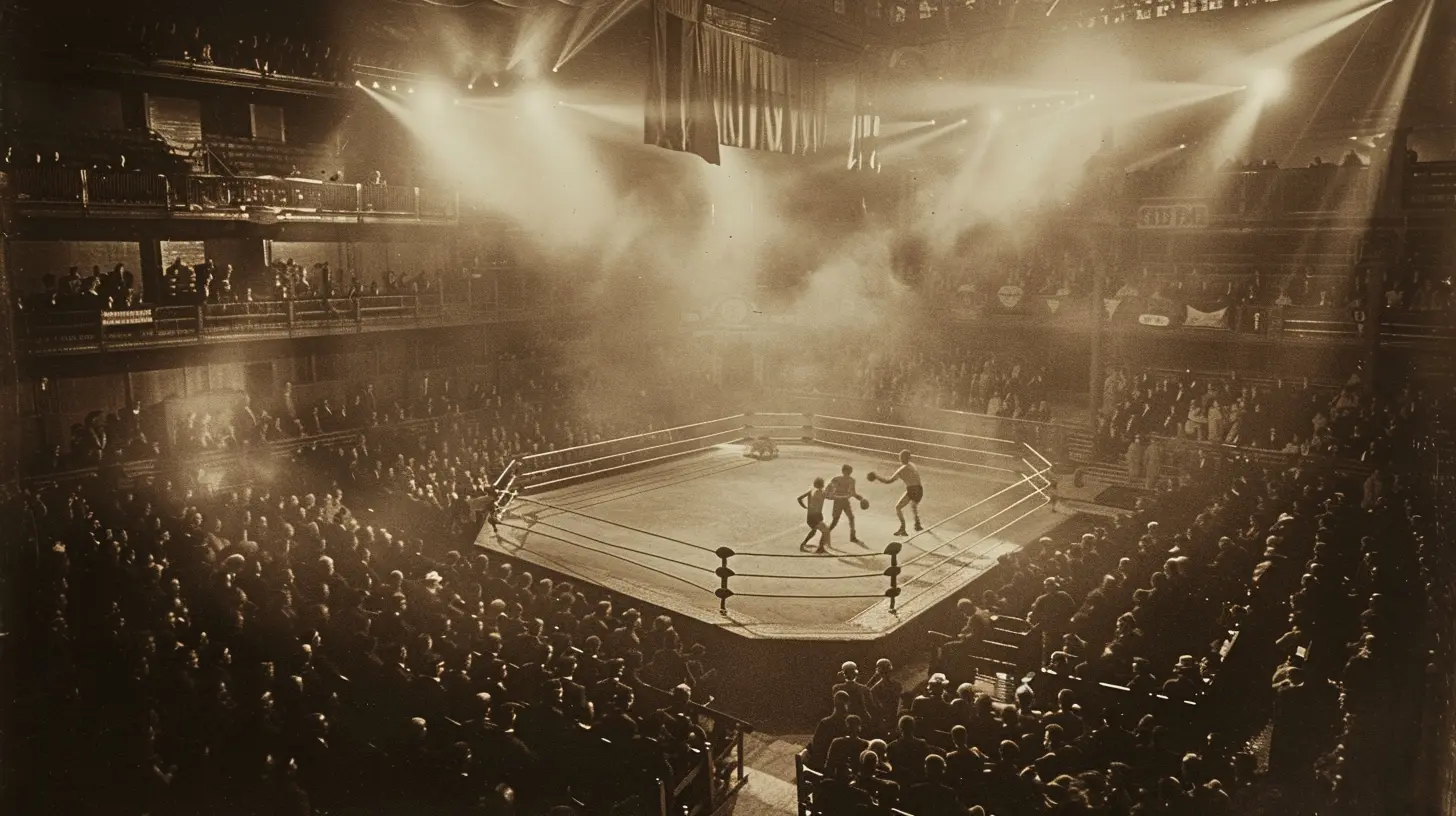
The Humble Beginnings: Traveling Carnivals and Grappling Games
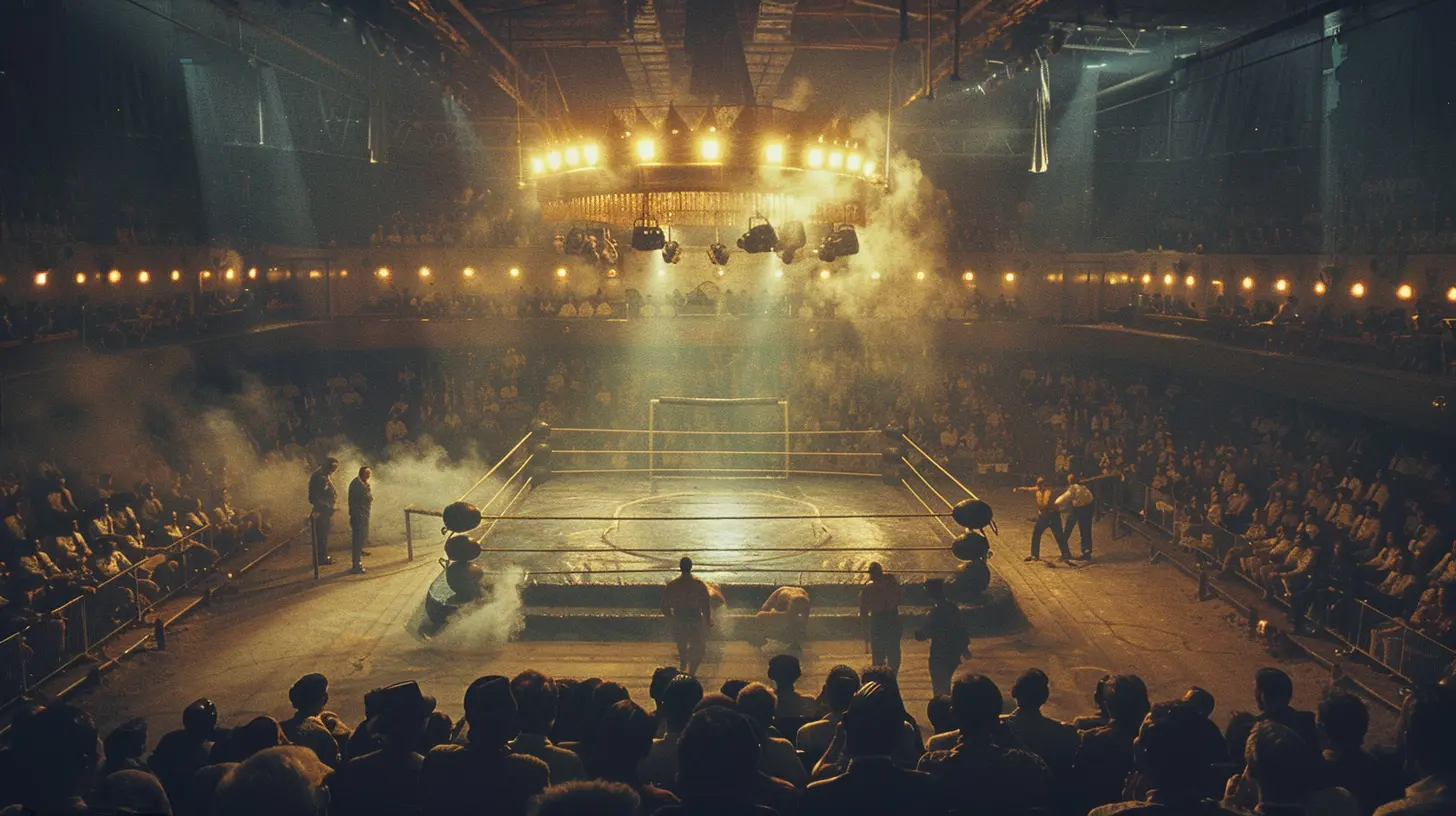
Before WWE, AEW, or even WCW, wrestling was part of local entertainment at county fairs and traveling carnivals. Picture this: a dusty tent, folding chairs, and a burly man in tights challenging anyone in the crowd to beat him.Back in the late 19th and early 20th century, wrestling wasn’t the flashy spectacle we're familiar with. It was more like a gritty contest of strength and stamina. The local strongman—or sometimes a traveling pro—would offer cold hard cash to anyone brave (or foolish) enough to step into the ring with him. These “shoot” matches were real, raw, and often painful to watch.
That was professional wrestling in its infancy. It wasn’t about storylines or characters yet. It was about proving dominance and raw athleticism.
The Birth of the “Work” – Wrestling Turns Into Entertainment
Okay, here’s where things get interesting. As more audiences gathered, the “spontaneous” fights started feeling a little… predictable. That’s because they were.Promoters and wrestlers realized that if they choreographed the matches and predetermined the outcomes, they could control the crowd’s reaction and keep them coming back. Thus, the idea of the “work” was born. This term is still used today to describe planned outcomes and staged action in wrestling.
Makes sense, right? It’s hard to put on a great show when you don’t know what’s coming next. So, instead of risking unpredictable “shoot” fights, wrestlers took the performance route. Now, the focus shifted from who would win to how they would win—and what kind of drama they could bring to the ring.
Wrestling Goes Legit (Kind Of): The Golden Age of Studio Wrestling
Fast forward to the 1940s and 50s. Television enters the picture, and suddenly, wrestling explodes into living rooms across America.Television was like rocket fuel for professional wrestling. Promotions like the National Wrestling Alliance (NWA) started gaining traction. With TV cameras capturing every suplex and body slam, wrestling’s blend of athleticism and over-the-top drama appealed to both kids and adults alike.
Ever heard of Lou Thesz or Gorgeous George? These were the icons of that era. Lou Thesz was a legitimate tough guy—able to beat just about anyone. Meanwhile, Gorgeous George brought panache and flair, complete with robes, entrance music, and a valet who sprayed the ring with perfume.
That mix of real skill and character-driven spectacle became the formula for wrestling going forward.
Regional Territories and the Rise of the NWA
Before everything became national—or global—wrestling was heavily regional. The wrestling landscape of the mid-1900s was divided into “territories,” each with its own stars, champions, and fanbase.The National Wrestling Alliance (NWA), founded in 1948, worked as a governing body that united these territories. Think of it as a wrestling cartel. They shared talent, recognized one world champion, and avoided stepping on each other’s turf.
This system helped promote local heroes and allowed wrestling to thrive across the country without cannibalizing itself. It was kind of like your local radio station playing hometown bands—but with more body slams and less guitar.
Vince McMahon and the National Takeover
Here comes the big twist in the plot—Vince McMahon. If you’re familiar with modern wrestling, you know the name. He’s the head of WWE (formerly WWF), and he’s the guy who broke all the rules and took over the wrestling world.In the early 1980s, McMahon saw an opportunity. Instead of staying regional, he decided to go national. He bought out his father’s promotion—then known as the World Wrestling Federation (WWF)—and began poaching top stars from other territories.
He partnered with cable TV networks, launched national pay-per-view events, and brought in mainstream celebrities like Mr. T and Muhammad Ali. WrestleMania was born. Just like that, the WWF wasn’t just a wrestling company—it was a sports entertainment empire.
The rest? Well, it’s history.
Wrestling Becomes Global Pop Culture
By the 1990s, professional wrestling wasn't just big—it was massive. You had action figures, video games, and even cereal boxes featuring wrestlers.The Monday Night Wars between WWF and WCW took the spectacle to another level. Fans were treated to wild storylines, shocking betrayals, and epic matches. Characters like "Stone Cold" Steve Austin, The Rock, Hulk Hogan, and the NWO weren’t just athletes—they were rockstars.
Wrestling went from dusty tents at carnivals to global arenas with pyrotechnics, jumbotrons, and multi-million-dollar production budgets.
Modern-Day Wrestling: Beyond WWE
Today, wrestling is more diverse than ever. While WWE still leads the charge in terms of global reach, promotions like AEW (All Elite Wrestling), NJPW (New Japan Pro Wrestling), and Impact Wrestling offer different flavors of sports entertainment.Fans can now watch wrestling from around the world—be it British strong-style, Japanese strong style, Lucha Libre, or indie wrestling that’s often more intimate and raw.
The internet has also played a huge role. Promotions can stream events, build online communities, and market their stars through social media. Wrestling isn’t just on TV anymore—it’s everywhere.
Key Elements That Have Stayed the Same
Even though professional wrestling has evolved dramatically, some things have stayed constant:- Good vs Evil (Face vs Heel): The classic hero vs villain storyline never goes out of style.
- Charisma Counts: It’s not just about the moves—it’s about the mic skills, character, and connection with the audience.
- Suspension of Disbelief: Wrestling fans buy into the story, even when they know it’s scripted. That’s the magic of kayfabe.
The Art of Wrestling: Athletes, Storytellers, and Showmen
Let’s get one thing straight—wrestlers are legit athletes. But they’re also performers, actors, and sometimes acrobats. They tell stories with their bodies, using slams, holds, and facial expressions to convey emotion and drama.It’s like ballet meets boxing—graceful in its choreography, yet brutal in its execution.
Whether it’s the heart-pounding anticipation of a comeback or the devastation of a surprise betrayal, the emotional ride is what hooks fans again and again.
Professional Wrestling’s Cultural Impact
Wrestling has seeped into every corner of pop culture. From John Cena memes to The Rock becoming one of Hollywood’s highest-paid actors, the reach is undeniable.Wrestlers have crossed over into movies, music, politics, and more. You’ll find wrestling references in sitcoms, cartoons, and even academic studies on performance art.
It’s more than a sport. It’s a spectacle. A soap opera for adrenaline junkies. A live-action comic book played out in real time.
Conclusion: Wrestling’s Journey Is Still Ongoing
From its raw, unscripted roots in carnivals to the high-octane drama of modern arenas, professional wrestling has undergone a stunning evolution. What started as simple grappling matches under a tent is now a global phenomenon with millions of fans.Yet at its core, the heart of wrestling remains the same: incredible athleticism, over-the-top characters, and stories that strike a chord—sometimes silly, sometimes serious, but always entertaining.
So the next time someone says, “You know wrestling’s fake, right?” just smile. They’re missing the point. Wrestling isn’t about being "real." It’s about feeling real.
And honestly, isn’t that what great storytelling is all about?
all images in this post were generated using AI tools
Category:
Sports HistoryAuthor:

Nelson Bryant
Discussion
rate this article
2 comments
Kevin Spencer
Who knew grappling in spandex started at carnivals? Next, they'll tell us clowns were the original referees! 🎪🤼♂️
April 12, 2026 at 12:39 PM
Nelson Bryant
Haha, right? It's fascinating how the roots of wrestling intertwine with carnival culture—who knew clowns had a hand in officiating? 🎪🤼♂️
Nix McCabe
Fascinating look at professional wrestling's journey! The transition from carnivals to arenas highlights its unique cultural evolution. Great read!
March 19, 2026 at 12:15 PM
Nelson Bryant
Thank you! I'm glad you found the article engaging. The journey really shows how much the sport has evolved.