The Impact of Sports on Brain Health: What the Research Shows
27 February 2026
We all know that staying active is great for your body. It keeps the heart pumping, the muscles strong, and those pesky extra pounds in check. But here’s the real kicker—sports and physical activity aren’t just about getting six-pack abs or boosting your cardio endurance. The magic of movement goes far deeper. I’m talking about your brain—yep, that 3-pound wonder upstairs that runs the whole show.
So, what’s the real deal with sports and brain health? Spoiler alert: it’s fantastic news! Science is doing cartwheels over the amazing connection between physical activity and a sharper, happier, healthier brain. Let’s dive into the details and uncover what research actually says about how sports shape our gray matter.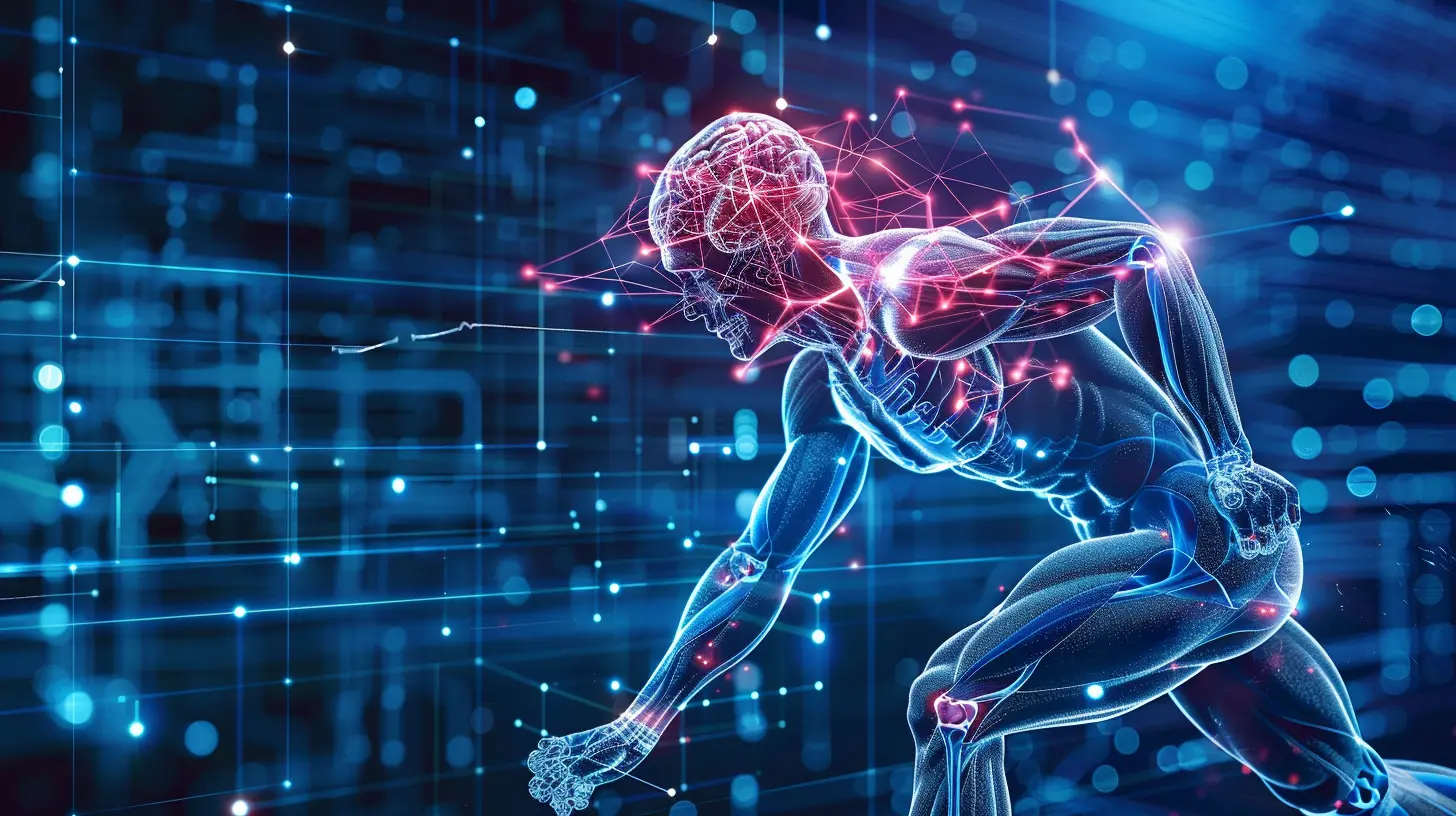
Why Your Brain Loves to Move
Let me ask you this—have you ever gone for a jog or played a game of basketball and felt like you could take on the world afterward? That’s not just endorphins (though they help!). Your brain loves movement. Why?Well, turning on your body turns on your brain. When you exercise, the blood flow to your brain increases. It's like watering a plant—it just starts to thrive. Your brain gets a fresh dose of oxygen and nutrients, which helps the neurons (a.k.a. brain cells) do their thing at full throttle.
Science Says: Sports Are Brain Boosters
Here's the cool part—this isn't just feel-good advice. There’s actual science behind it. Research over the past few decades has shown that regular participation in sports can improve memory, focus, cognitive function, and even mental health.Let’s break it down.
1. Sharper Memory and Learning Skills
Throwing a ball around might not look like a memory exercise, but it kinda is! When you play sports, especially team-based games, your brain is constantly taking in new info and adapting. You’re making fast decisions, remembering plays, and adjusting strategies—all of which train the brain’s memory and learning centers.Studies, including one published in the Journal of Clinical Psychiatry, have shown that aerobic exercise (think soccer, running, cycling) can actually increase the size of the hippocampus—that’s the part of your brain responsible for memory and learning.
Crazy, right? So the next time you forget where you put your keys… maybe it’s time to shoot some hoops.
2. Better Mood and Reduced Anxiety
Ever hear of runner’s high? That wonderful, euphoric feeling after a run? That’s your brain releasing feel-good chemicals like endorphins and dopamine.Turns out, sports can act like nature’s anti-depressants. Regular physical activity has been shown to reduce symptoms of depression and anxiety. A study published in The Lancet Psychiatry found that people who regularly engage in team sports experience fewer mental health issues than those who don’t move much.
So when life gets a bit too heavy, going for a swim or kicking a ball might just lighten the mood—and help clear your mind.
3. Increased Focus and Attention Span
Guess what else improves when you move your body? Your brain’s ability to pay attention!Physical activity boosts the production of BDNF (Brain-Derived Neurotrophic Factor)—a fancy term for a protein that supports brain function. BDNF basically acts like a personal trainer for your brain cells, making them stronger and faster.
This translates to better concentration, quicker decision-making, and improved executive functioning. It’s no wonder schools that include regular physical activity report higher academic performance among students.
4. Protection Against Cognitive Decline
Here’s where things get really interesting—sports might help keep your brain young. No kidding.Multiple studies link regular physical activity to a slower decline in cognitive function as we age. One Harvard study even showed that older adults who engaged in moderate-intensity exercise had 30% lower risk of cognitive impairment compared to their sedentary counterparts.
And that’s just the tip of the iceberg. Sports like tennis, swimming, and dancing are linked to better brain aging, reduced risk of Alzheimer’s, and improved brain plasticity (your brain’s ability to form new connections).
So yes, playing pickleball in your 60s isn’t just fun—it’s straight-up brain fuel.
Why Team Sports Might Be Extra Powerful
Now, solo workouts like jogging or cycling are awesome. But let’s not ignore the extra brain boost that comes with team sports.When you play on a team, you’re not just moving your body—you’re also engaging in social interaction, communication, collaboration, and quick decision-making. That multitasking is like CrossFit for your brain. It fires up multiple parts of the brain all at once.
Plus, let’s face it—laughing with teammates, sharing wins (and losses), and being part of a group does wonders for emotional well-being.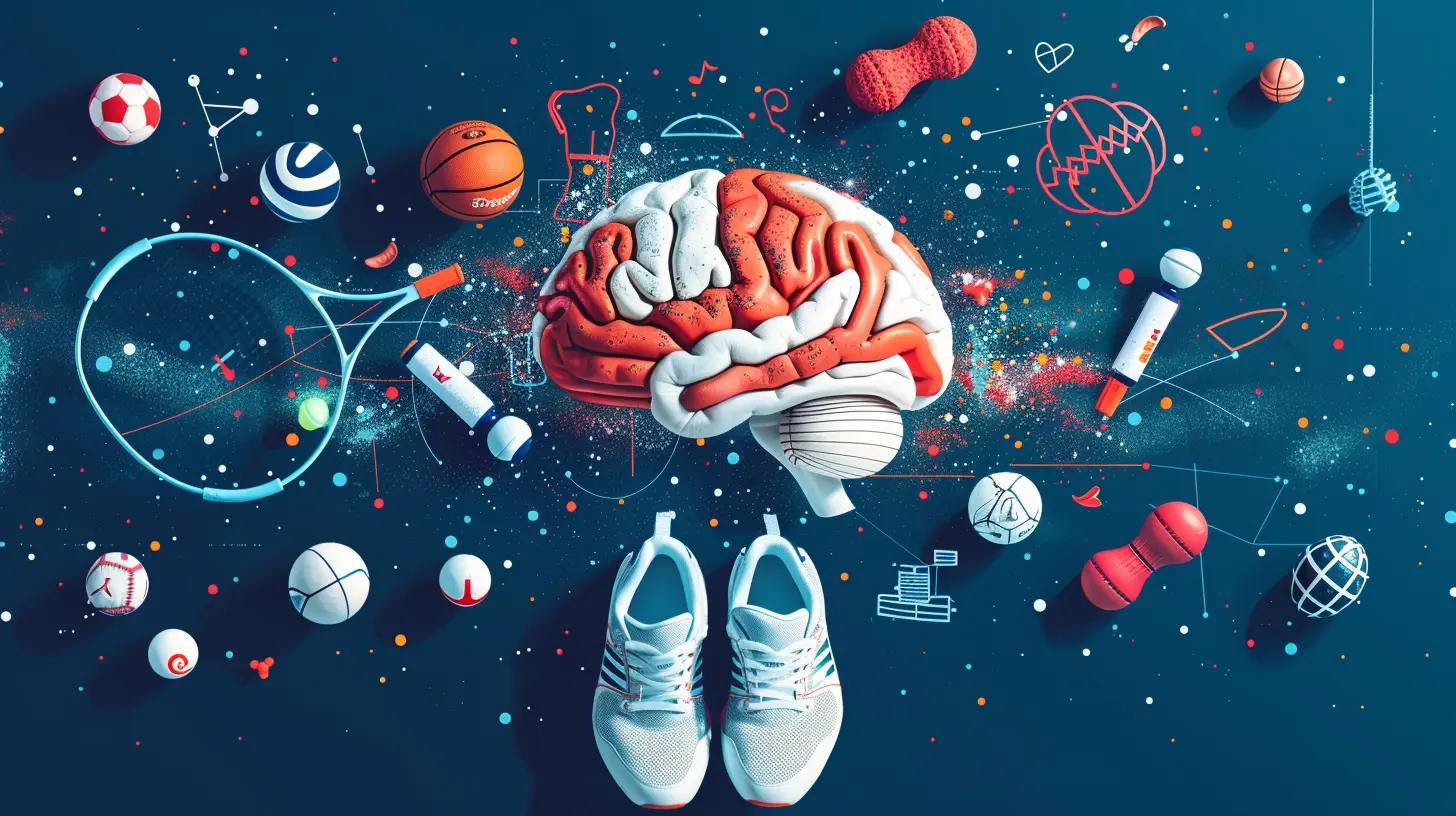
But What About Kids and Sports?
Great question. And the answer is: even better!Starting sports at a young age has incredible benefits for a developing brain. Young athletes often show improved self-esteem, better academic performance, and stronger social skills. One study published in Pediatrics even found that kids who participate in sports are less likely to suffer from depression and more likely to stay engaged in school.
Plus, it encourages healthy habits early on. When kids associate movement with fun, they’re more likely to stay active into adulthood—which brings us right back to lifelong brain health!
How Much Sports Do You Need for a Brain Boost?
Here’s the best part—it doesn’t take hours at the gym or Olympic-level training to enjoy the benefits. Research suggests that just 30 minutes of moderate exercise a few days a week can be enough to start seeing improvements in brain function.That might mean:
- A brisk walk in the park
- A pick-up game of soccer
- A swimming session
- A group dance class
- Even yoga counts!
Consistency is the key. It’s like brushing your teeth—do it often, and your brain stays fresh and sparkly!
Sports and Brain Injuries: A Word of Caution
Alright, real talk—while sports have tons of benefits, we can’t ignore the risks. Contact sports (like football, hockey, and boxing) do carry the chance of head injuries, especially concussions.Too many hits to the head can lead to something called Chronic Traumatic Encephalopathy (CTE), a progressive brain condition. This has sparked major discussions in the sports world about safety and proper protocols.
The good news? Awareness is growing, and measures are being taken—like better helmets, rule changes, and strict concussion protocols—to protect players, especially young athletes.
So, the takeaway here isn’t to avoid sports, but to play smart. Use the right gear, follow the rules, and don’t ignore injuries. Your brain will thank you later.
Simple Tips to Get Moving (Without Boring Workouts)
Let’s be honest—not everyone loves the idea of “working out.” But the trick is to find something that makes you want to move.Here are some fun ways to sneak in brain-boosting activity:
- Join a local sports league (think soccer, basketball, even dodgeball)
- Try tennis or pickleball with a friend
- Go for early morning walks with your dog
- Take a dance fitness class (Zumba, anyone?)
- Learn a martial art—mental discipline + movement = brain power!
- Hike on trails and soak in nature while you’re at it
The more fun it feels, the more likely you’ll stick with it. And that’s when the real brain benefits start to kick in.
Final Thoughts: Build a Brain You’ll Love Living With
At the end of the day, your brain is your most important teammate. It controls how you think, feel, learn, and live. So why not treat it to something awesome—like sports?Whether you’re young or old, a pro athlete or a weekend warrior, getting active is one of the smartest (pun totally intended) things you can do for yourself.
So lace up those sneakers, grab a ball, hit the court—or just move in whatever way feels good. Your body will thank you. But your brain? It'll throw you a standing ovation.
all images in this post were generated using AI tools
Category:
Sports ScienceAuthor:

Nelson Bryant
Discussion
rate this article
2 comments
Zoey Valentine
What a fascinating read! It's amazing to see how sports not only boost physical health but also enhance brain function. The research really highlights the importance of staying active for mental clarity and cognitive longevity. Can't wait to lace up my shoes and get moving! 🏃♂️🧠
April 4, 2026 at 4:01 AM
Nelson Bryant
I'm glad you enjoyed the article! It's inspiring to see the connection between physical activity and brain health. Get moving and have fun out there!
Abigail Jimenez
This article highlights the crucial link between sports and brain health, emphasizing how physical activity enhances cognitive function and reduces the risk of neurodegenerative diseases. The implications of such findings are profound, suggesting that promoting sports can serve as a powerful public health strategy to boost mental well-being across all age groups.
February 27, 2026 at 1:32 PM
Nelson Bryant
Thank you for your insightful comment! I'm glad you found the connection between sports and brain health compelling—it's a vital topic for promoting overall well-being.